Why Terracotta Pink Costs $3 More Per Square Foot in 2026
Terracotta pink emerges as a prominent choice in residential and professional design settings. This shade combines warmth and subtlety, evoking sun-baked earth with a refined elegance. The $3 premium per square foot compared to standard neutrals stems from specialized pigment sourcing, rigorous production processes, and superior performance characteristics. This article explores these factors and provides strategies to incorporate the color effectively within various budgets.
Origins of the Color's Unique Composition
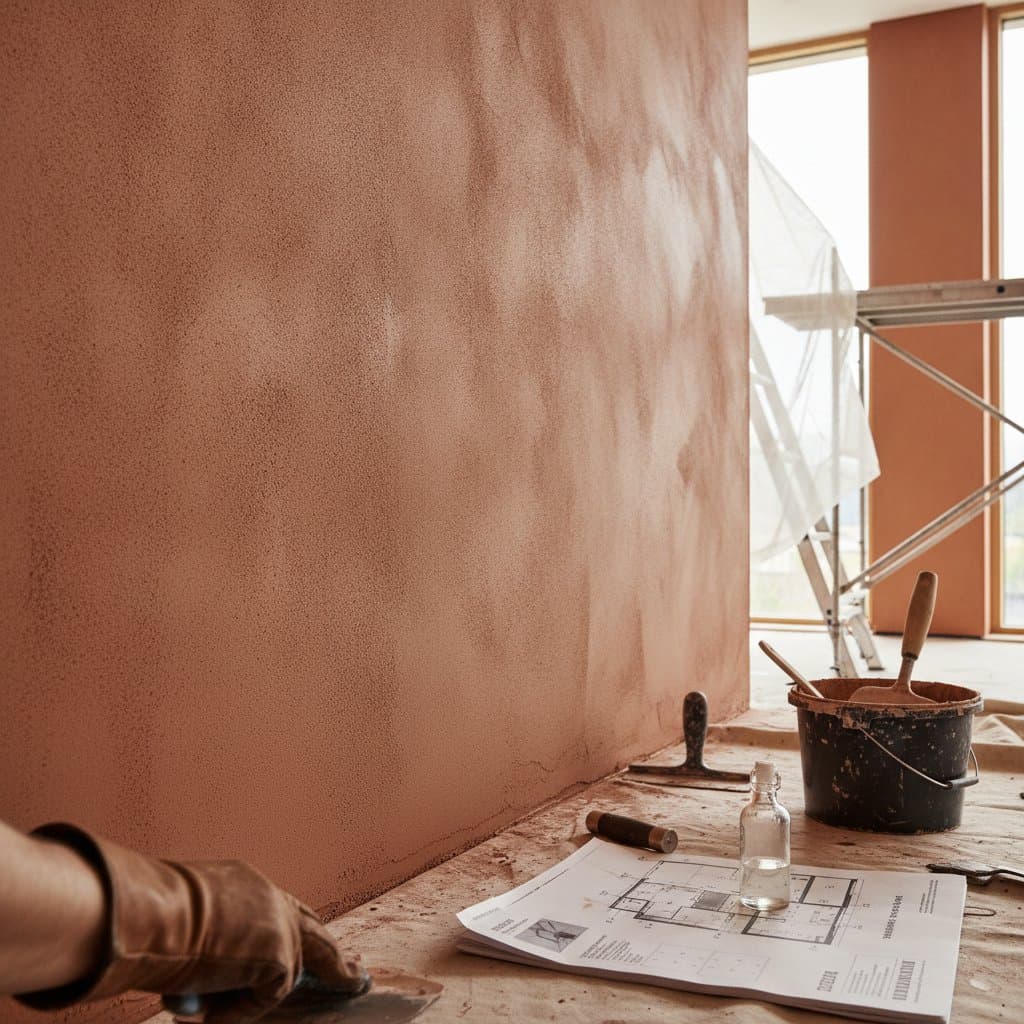
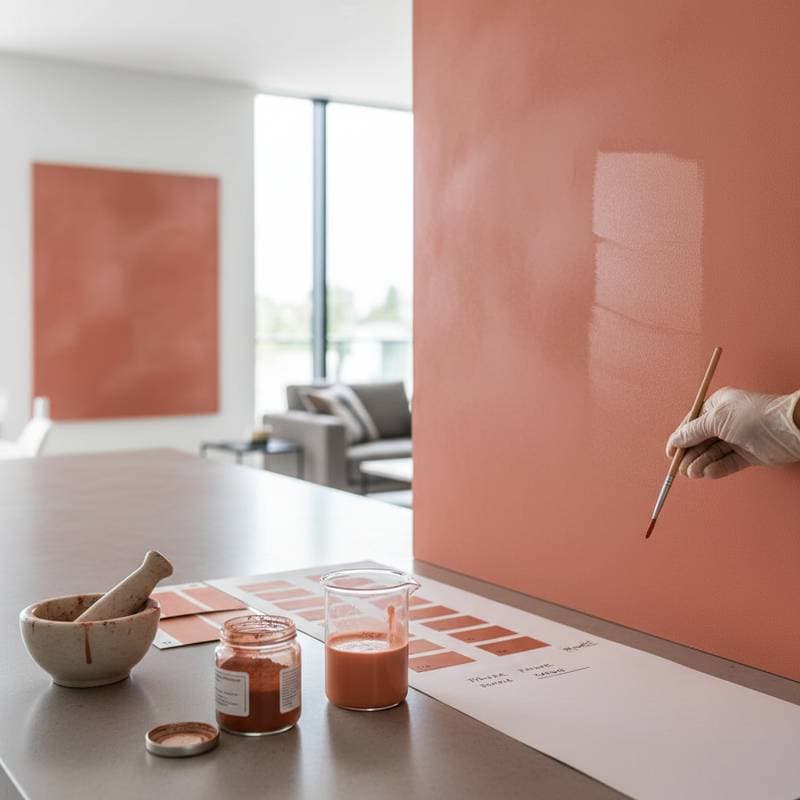
Terracotta pink derives from a precise mixture of mineral pigments that replicate the nuances of natural clay and subtle pink undertones. Achieving the desired soft, matte finish without veering into orange or peach requires advanced colorants subjected to extensive refinement. These pigments originate from select geographic areas rich in clay resources, which elevates transportation and purification expenses.
The depth and artisanal appearance result from additional stages of milling, filtration, and stabilization. Such processes enhance the color's longevity and visual appeal, justifying the incremental costs while delivering a premium finish.
Performance Advantages on Application Surfaces
Coverage refers to the number of coats required for uniform opacity, and terracotta pink demands higher pigment concentrations to attain its distinctive tone efficiently. Premium formulations incorporate superior resins and stabilizers that promote even application, minimize visible brush marks, and sustain vibrancy over time.
Inferior paints often result in powdery or inconsistent surfaces on clay-inspired shades. High-end terracotta pink maintains tonal integrity across varying illumination, appearing consistently warm and inviting both in physical spaces and visual media.
Breakdown of Production Elements and Cost Implications
Several key aspects contribute to the elevated pricing of terracotta pink.
- Raw Materials: Natural oxides and mineral pigments exceed the cost of synthetic alternatives due to their density, mixing challenges, and inherent matte quality.
- Processing Techniques: Small-batch production preserves color accuracy, involving greater manual oversight and reduced reliance on automated systems.
- Quality Assurance Testing: Evaluations under diverse lighting conditions prevent shifts toward neutral or reddish hues, with each assessment incurring additional expenses.
- Protective Packaging: Specialized containers with inner linings or UV barriers safeguard pigment integrity during storage and transport.
These elements collectively accumulate costs ranging from fractions to full dollars per square foot upon final application.
Budget-Conscious Incorporation Strategies
Access to sophisticated design remains feasible across spending levels through targeted approaches.
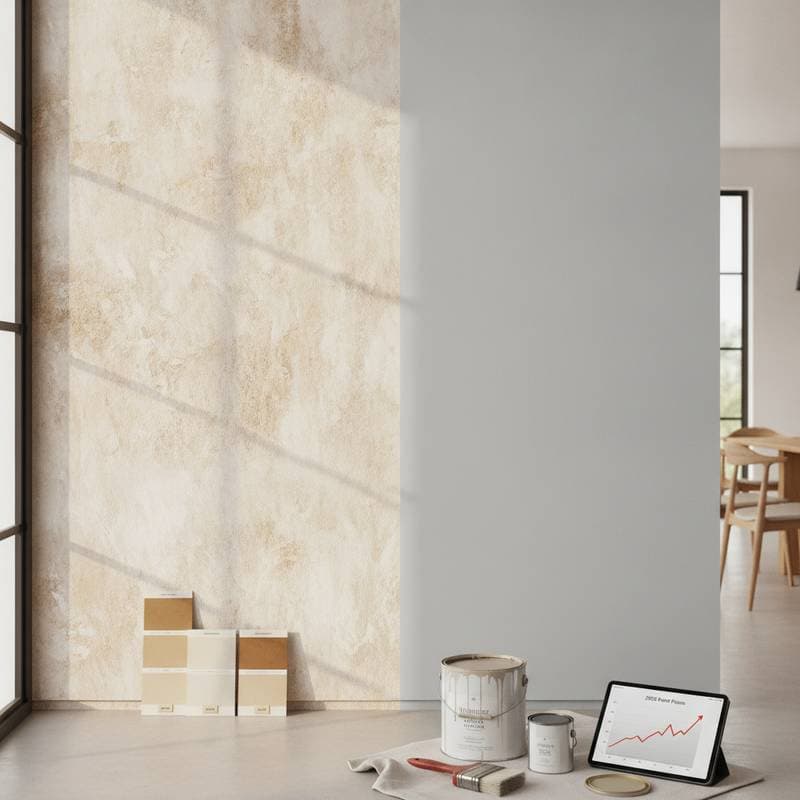
For minimal investment, apply terracotta pink to a single accent wall complemented by neutral tones such as soft creams or matte whites. Employ precision tools like painter's tape for sharp lines and a compact roller for detailed work; a single quart suffices for this scale.
At moderate budgets, extend the color to an entire room with a durable, moisture-resistant sheen suitable for areas like dining spaces, sleeping quarters, or corridors. Reduce expenses by handling surface preparation and priming independently, then engage a professional for the topcoat to achieve flawless results.
For substantial investments, opt for bespoke pigment blends or clay-infused formulations that yield a tactile, velvety texture. These excel in environments emphasizing ambiance, such as cozy reading areas or moisture-prone bathrooms.
Strategic planning and thorough preparation ensure compelling outcomes at every level.
Optimal Presentation in Visual Media
Terracotta pink performs exceptionally in both natural and controlled lighting scenarios, enhancing skin tones, complementing cooler furnishings, and masking minor surface imperfections. In interior photography or videography, it imparts dimensional warmth absent in stark whites.
Select warm-spectrum lighting or diffused daylight to accentuate the hue's inviting qualities. Steer clear of cold-toned LEDs that may dull the pink to ashen shades. Finishes like satin or eggshell provide subtle sheen for visual interest without excessive reflection.
Market Dynamics Supporting the Premium Positioning
The sustained pricing reflects terracotta pink's status as a hallmark of refined, sustainable design. Associations with handcrafted elements and environmental responsibility position it as a niche offering rather than a commodity. Restricted production volumes, rising consumer interest, and endorsements from design influencers sustain its elevated market value.
Professionals in painting and interior design benefit by presenting terracotta pink as an upscale enhancement, appealing to clients desiring authentic warmth and elegance.
Sustaining the Aesthetic Over Time
Upon completion, terracotta pink walls deliver immediate ambiance through their earthy resonance. Integrate with organic textiles, antique metal accents, or untreated woods to amplify cohesion. Incorporate botanical elements or clay vessels to reinforce the theme.
Retain a reserve portion of paint for maintenance, as natural pigments may exhibit wear more readily than synthetics. Proper upkeep preserves the hue's vitality, ensuring enduring harmony between natural inspiration and practical durability.