The $800 Cost of Lead-Safe Surface Preparation for Home Painting
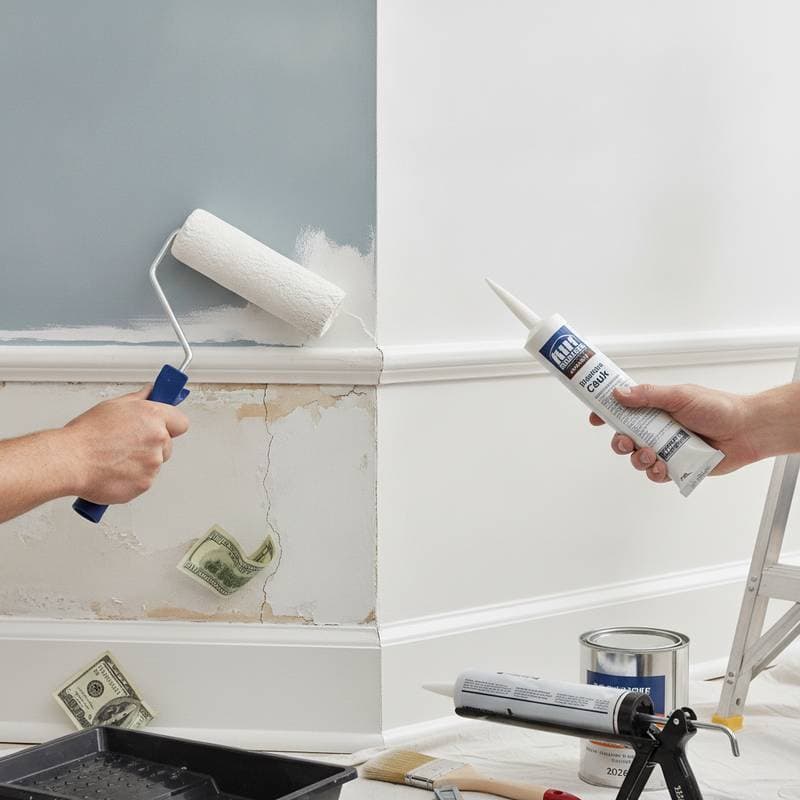
Surface preparation for painting in older homes carries a higher price tag, typically $800 or more per project. This increase stems from stringent safety protocols for handling lead-based paint, common in structures built before 1978. Disturbing these layers demands certified methods to shield occupants, workers, and the local ecosystem from hazardous dust and debris.
Homeowners often encounter this surprise during renovations. Lead paint, once widely used for its durability, now poses significant risks if not managed properly. Certified contractors employ specialized techniques to minimize exposure, ensuring the project complies with federal standards while preserving property value.
Understanding Lead-Safe Surface Preparation
Lead-safe preparation extends far beyond basic sanding or scraping. Contractors adhere to the Environmental Protection Agency's Renovation, Repair, and Painting rule, known as the RRP rule. This framework mandates containment of work areas, meticulous cleanup, and detailed record-keeping to halt the spread of lead particles.
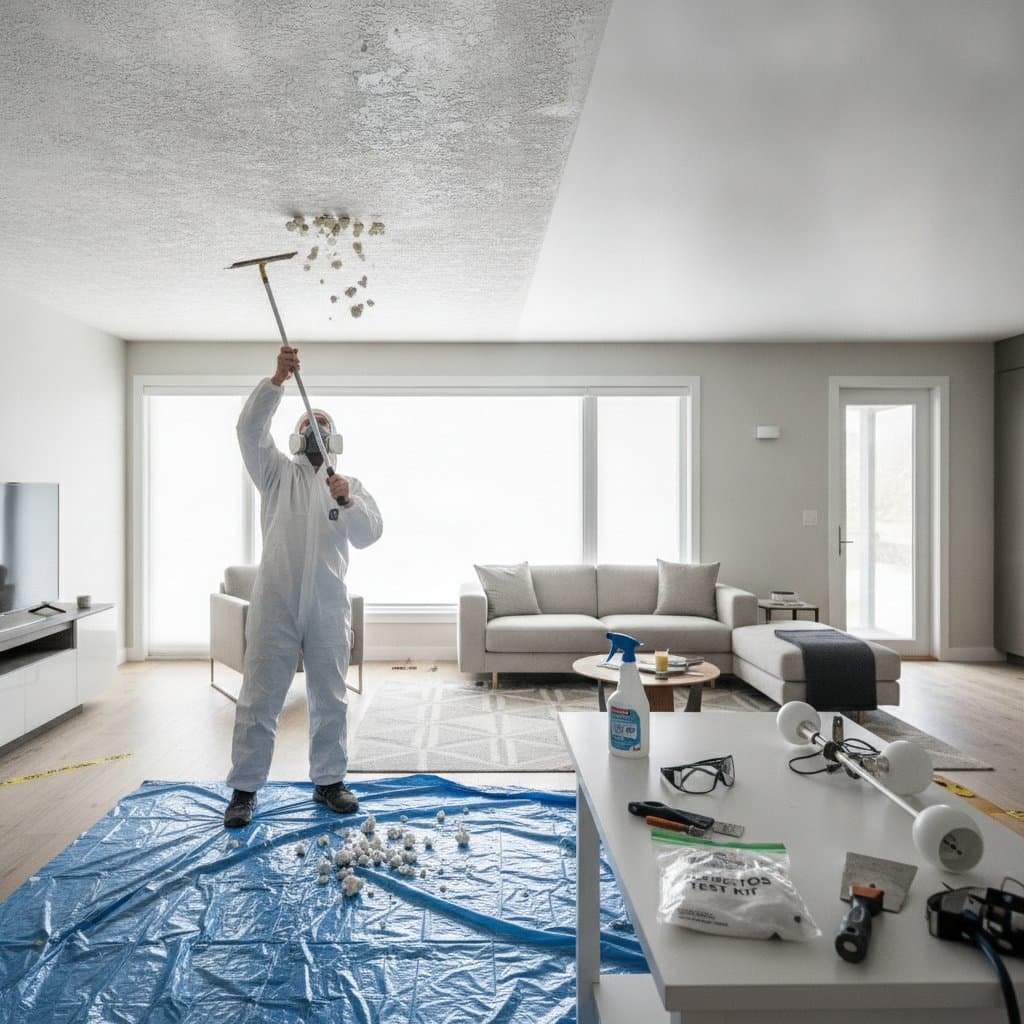
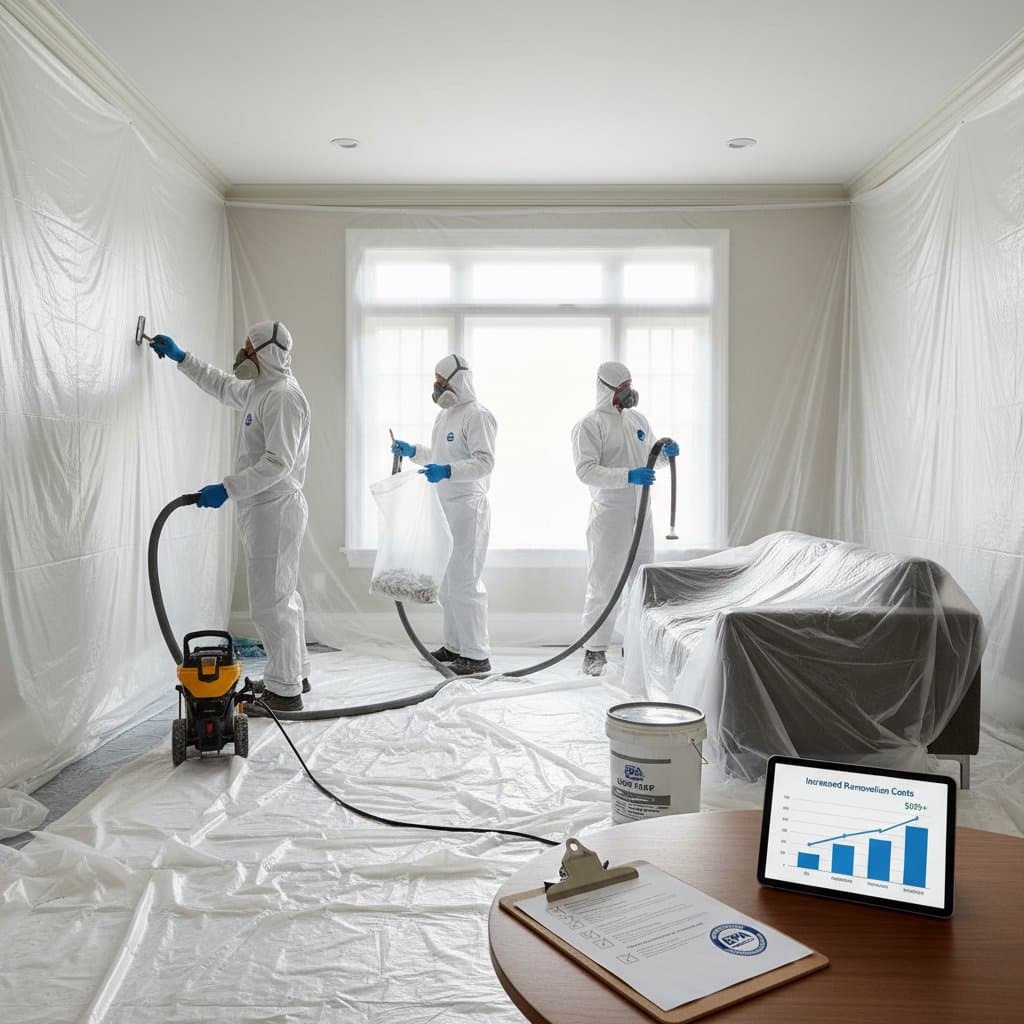
The process begins with testing surfaces for lead content, often using X-ray fluorescence analyzers or swab kits. If lead is present, workers seal rooms with heavy-duty plastic sheeting and erect barriers around doors and vents. Every step prioritizes containment, from wet scraping to vacuuming with high-efficiency particulate air filters, preventing dust from settling on floors, furniture, or escaping outdoors.
These measures protect vulnerable groups, such as children and pregnant individuals, who face heightened risks from lead ingestion or inhalation. By following RRP guidelines, projects avoid contaminating HVAC systems or nearby soil, which could lead to long-term environmental issues.
Cost Breakdown for Lead-Safe Preparation
Standard surface preparation for repainting costs between $1 and $3 per square foot, covering basic cleaning and priming. Lead-safe methods elevate this to $4 through $6 per square foot due to enhanced safety requirements. For an average 400-square-foot room or exterior section, the premium totals approximately $800.
The additional funds allocate to several key areas:
- Containment materials: Durable plastic sheeting, adhesive tape, and zippered barriers create airtight seals around work zones, preventing airborne particles from migrating.
- Specialized equipment: High-efficiency particulate air vacuums capture microscopic dust, while workers don disposable suits, gloves, and powered respirators for personal protection.
- Extended labor: Tasks demand slower, deliberate actions, such as misting surfaces to suppress dust during removal, followed by double-wiping all surfaces and HEPA vacuuming.
- Regulatory compliance: Contractors maintain logs of methods used, worker certifications, and waste disposal, often requiring third-party verification for larger jobs.
These investments reflect the complexity of balancing efficiency with safety, ensuring no shortcuts compromise health or legality.
Factors Influencing Lead-Safe Preparation Costs
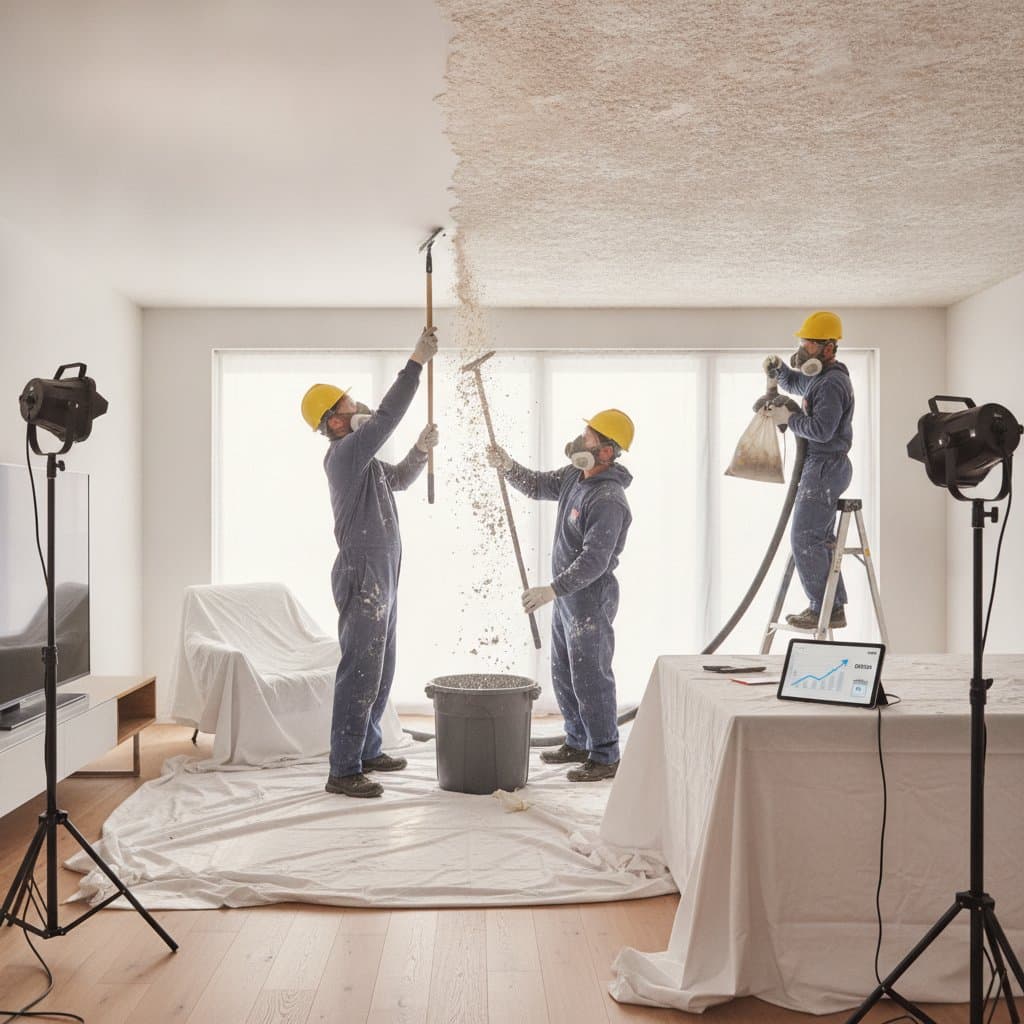
Project expenses vary based on specific conditions at the site. Homes with extensive lead layers, such as multiple coats on trim or siding, necessitate prolonged removal efforts and greater waste volumes.
Access difficulties amplify costs; for instance, scraping high eaves or navigating cramped attics requires scaffolding, harnesses, and additional crew members. Poor surface conditions, like widespread peeling or chalking, generate more dust, demanding reinforced containment and repeated cleaning cycles.
Geographic factors play a role as well. In urban areas with elevated labor rates or limited certified RRP professionals, prices rise accordingly. Conversely, rural regions might see lower costs but longer wait times for qualified teams.
Homeowners benefit from initial lead testing, which costs $300 to $500 and pinpoints affected areas, potentially reducing overall preparation scope.
The Value of Investing in Safety
The upfront $800 may appear burdensome, yet it delivers substantial returns in health and financial security. Proper containment maintains indoor air quality, averting respiratory issues or neurological effects from lead exposure. Compliance with EPA rules shields against penalties, which can reach $37,500 per violation daily.
Beyond immediate safety, certified preparation enhances paint adhesion and longevity, minimizing future touch-ups. Properties with documented lead-safe work appeal more to buyers, as disclosures of untreated hazards can deter sales or lower offers. In essence, this investment fortifies the home against hidden dangers while upholding legal and ethical standards.
Strategies to Control Preparation Expenses
Homeowners possess options to temper costs without sacrificing safety. Solicit bids from at least three EPA-certified contractors, reviewing their RRP credentials and past project portfolios for transparency.
Contribute to preliminary tasks, such as relocating furniture or washing non-lead surfaces, to shorten professional labor time. Timing matters; opt for off-peak seasons like late fall or early spring, when demand dips and contractors extend discounts.
Explore partial projects, focusing on high-traffic areas first, to spread expenses over time. Some locales offer rebates or low-interest loans for lead abatement, accessible through state environmental agencies.
Budgeting Effectively for Your Painting Project
Approach any repaint with caution if the home predates 1978. Allocate $800 to $1,200 as a buffer for lead-safe measures, factoring in testing and potential surprises. This foresight prevents budget overruns and work stoppages.
Consult certified experts early to assess risks and outline a phased plan. By integrating these steps, homeowners secure a safer, smoother renovation that enhances living spaces for years ahead.
Frequently Asked Questions
What Does Lead-Safe Surface Preparation Entail?
This process involves EPA-approved techniques to contain and eliminate lead paint dust, including sealing areas, using specialized tools, and conducting thorough post-work cleanups to safeguard health.
Why Do Lead-Safe Methods Increase Expenses?
They require advanced materials, extended labor for precise handling, and documentation to fulfill regulatory demands, distinguishing them from routine preparation.
Are Homeowners Permitted to Perform Lead Removal Independently?
No, only EPA RRP-certified professionals may conduct lead-safe work on residential properties to ensure compliance and minimize risks.
How Can One Verify Lead Paint Presence in a Home?
Engage certified inspectors who employ methods like paint chip analysis or portable XRF devices to detect lead levels accurately before initiating projects.
What Consequences Arise from Bypassing Lead-Safe Regulations?
Violations invite substantial fines, health exposures for residents, and mandatory remediation costs that far surpass initial outlays.
How Should One Account for These Additional Costs?
Build in a dedicated budget line for lead testing and preparation when planning work on pre-1978 homes, adjusting based on inspection outcomes.