Venetian Plaster vs Level 5 Finish: Maximizing Resale Value
Homeowners frequently debate the merits of Venetian plaster and Level 5 drywall finishes when planning renovations aimed at increasing property value. These options both produce refined wall surfaces, yet they diverge significantly in aesthetics, installation expenses, upkeep requirements, and their influence on market appeal. A clear grasp of these distinctions enables informed decisions that align with financial objectives and design preferences.
Understanding the Finishes
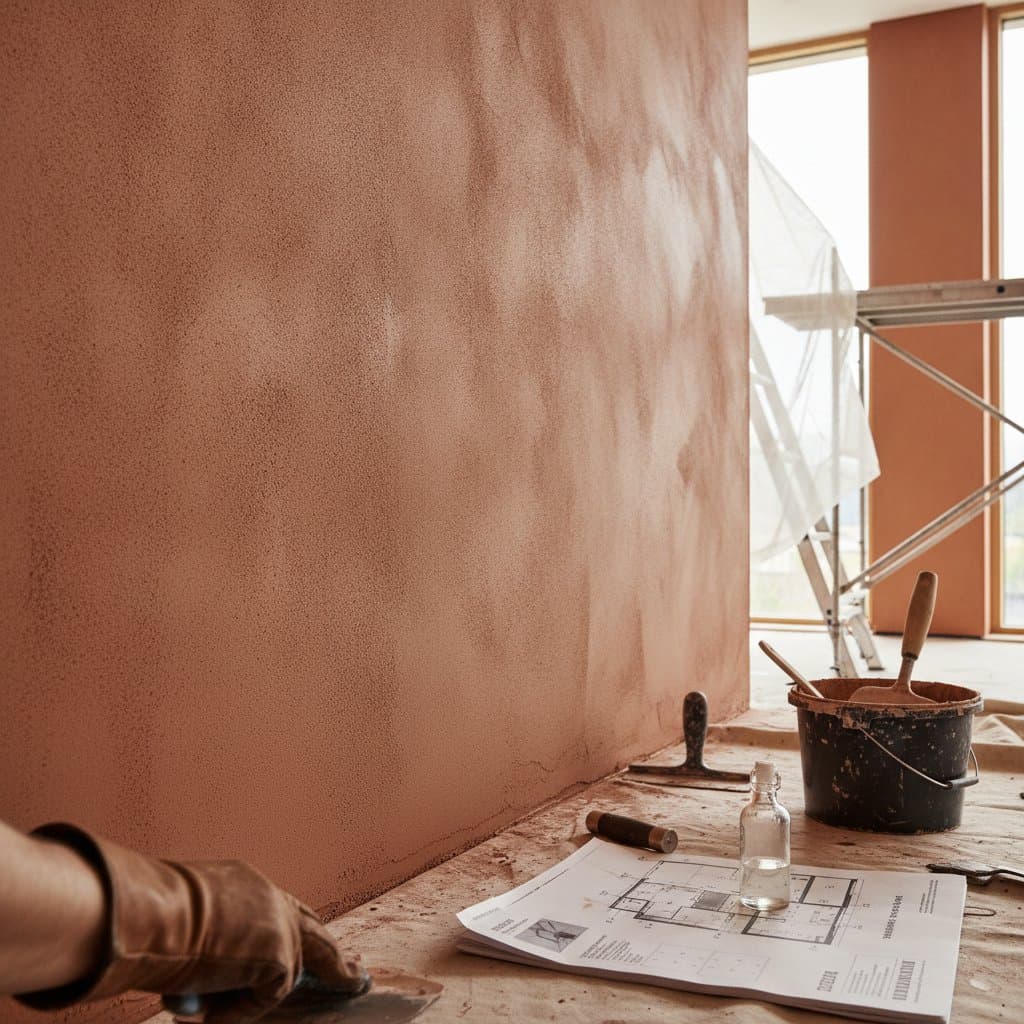
Venetian plaster consists of a blend of slaked lime and finely ground marble dust, applied in multiple thin layers using a trowel. Artisans burnish each layer to achieve a subtle sheen and tactile depth, mimicking aged marble or travertine stone. This finish suits upscale spaces, where its organic variations add character and sophistication.
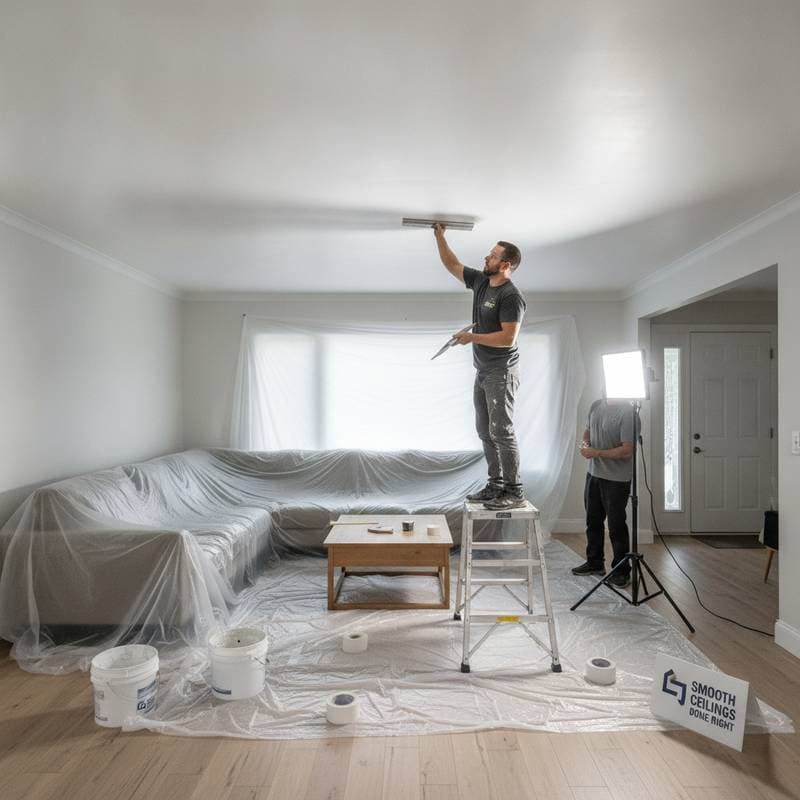
Level 5 drywall represents the premium tier in drywall finishing standards set by the Gypsum Association. It builds on lower levels by incorporating extensive taping, multiple coats of joint compound, and a final skim coat over the entire surface. This process yields an impeccably even canvas, perfect for demanding applications like flat paints in brightly lit rooms or areas with critical sightlines.
Each approach enhances interior quality, but Venetian plaster emphasizes artisanal expression, while Level 5 prioritizes seamless uniformity.
Key Cost Considerations
Several elements determine the overall expense of these wall treatments. Room dimensions play a central role, as intricate architectures demand more material and labor. Premium components, such as authentic lime-based plasters over synthetic alternatives, elevate material fees. Skilled applicators command higher rates due to the precision required for hand-applied techniques.
Preparation quality affects efficiency; substandard base surfaces necessitate extra remediation, extending timelines and budgets. Aesthetic choices, like achieving a high-gloss polish versus a subtle matte effect, influence labor intensity.
| Factor | Cost Influence | Specific Examples |
|---|---|---|
| Room dimensions | Scales with square footage | Larger spaces or irregular shapes add 20-30% to base rate |
| Material quality | Premium options increase price | Pure lime plaster at $15/sq ft vs. acrylic at $8/sq ft |
| Artisan expertise | Skilled labor raises fees | Certified specialists charge $5-10/sq ft more |
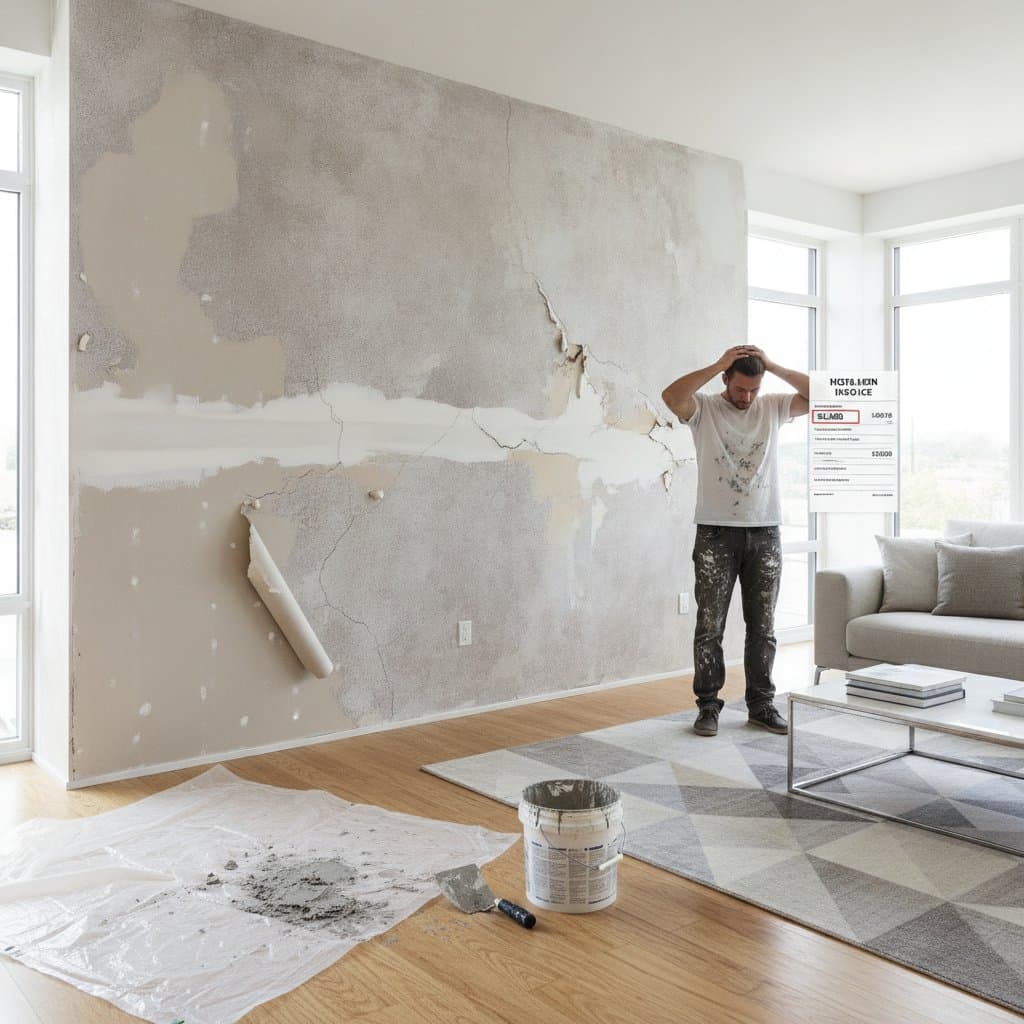
| Base surface prep | Poor conditions extend work | Repairing cracks adds 1-2 days and $500+ per room |
| Desired effect | Complex styles demand time | Polished gloss requires 2 extra days vs. basic matte |
Resale Value and Buyer Preferences
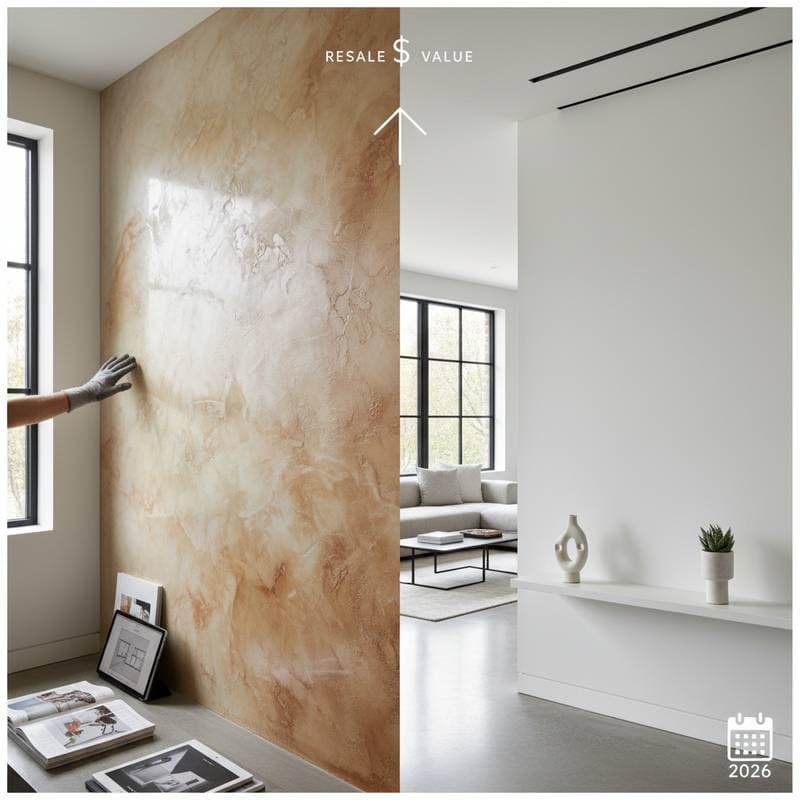
Potential purchasers scrutinize wall treatments as indicators of overall home maintenance and style. Under scrutiny from various lighting angles, imperfections become evident, potentially detracting from perceived worth. Venetian plaster captivates those drawn to bespoke elements and historical charm, often commanding premiums in upscale neighborhoods.
Level 5 finishes resonate with buyers favoring versatile, contemporary setups that accommodate personal customization through paint or wallpaper. Data from real estate analyses indicates these smooth surfaces enhance broad marketability without overwhelming visual statements.
Projected Returns on Investment
- Venetian plaster: Recoups 80-90% of costs in luxury segments, where unique features differentiate listings and support 5-10% higher sale prices.
- Level 5 drywall: Yields 70-85% recovery across varied markets, particularly when integrated into comprehensive updates like kitchen remodels.
Pairing Venetian plaster with complementary high-end elements, such as quartz countertops or millwork, amplifies its value proposition. Conversely, Level 5 excels in everyday residences, offering reliable appeal through its enduring flawlessness and ease of adaptation.
Installation Timelines
Venetian plaster demands 5-10 days, encompassing surface priming, layered applications, and meticulous burnishing. Intricate designs or humid environments prolong drying intervals between coats, ensuring adhesion and finish integrity.
Level 5 drywall typically spans 3-6 days, covering joint reinforcement, compound application, sanding, and priming. Factors like humidity levels and room access can adjust this window, but the process adheres to predictable protocols.
Both require controlled conditions for optimal results; adequate airflow prevents defects, and full curing precedes subsequent decor steps.
Selecting the Ideal Finish
Ideal Scenarios for Venetian Plaster
Opt for this when updating high-visibility areas in premium homes, such as formal dining rooms or master suites. It shines as a focal point in designs embracing texture and natural patina. Budget for expert installation if authenticity matters, and consider its compatibility with eco-conscious builds using sustainable lime.
When Level 5 Drywall Prevails
Choose this for staging properties targeting diverse buyers, ensuring walls provide a neutral foundation for bold accents. It facilitates frequent style shifts via simple repainting and suits time-sensitive projects. This option delivers professional polish at a fraction of ornate alternatives' cost.
Alignment with property type, lifestyle needs, and local trends guides the decision. Professional consultations refine choices to match specific contexts.
Engaging Qualified Experts
The outcome hinges on practitioner selection. For Venetian plaster, seek artisans certified in traditional methods, reviewing portfolios that demonstrate color consistency and texture variation. Inquire about material sourcing, such as European lime versus domestic substitutes, and their approach to integrating with existing architecture.
For Level 5 work, prioritize contractors versed in fine finishing, verifying adherence to industry standards through site visits to past installations. Evaluate quotes for transparency on phases, from demolition to final inspection, and confirm warranties against common flaws like bubbling or cracking.
Project Planning Essentials
Start by assessing your space: measure square footage, note lighting conditions, and define style objectives. Budget allocation should cover 10-15% contingency for unforeseen prep needs. Coordinate with other trades, like electricians, to avoid disruptions.
Schedule during off-peak seasons for better rates and minimal inconvenience. Document progress with photos to track quality, and plan post-installation care, such as gentle cleaning protocols, to preserve longevity. This structured approach ensures seamless execution and maximized benefits.
Frequently Asked Questions
How do material expenses compare between Venetian plaster and Level 5 drywall?
Venetian plaster incurs higher costs from specialized ingredients like aged lime and aggregates, typically $10-25 per square foot with labor. Level 5 drywall relies on standard compounds and tools, averaging $4-8 per square foot. Labor disparities arise from the former's custom layering versus the latter's systematic process.
What is the expected durability of each finish?
Properly sealed Venetian plaster endures 20-50 years, resisting minor impacts but requiring periodic resealing in moist areas. Level 5 drywall maintains integrity indefinitely with routine repaints, though heavy wear may necessitate localized repairs.
Does Venetian plaster enhance resale for imminent sales?
In affluent markets, it differentiates listings and supports elevated pricing by 3-7%. For general audiences, Level 5 provides safer, more universal uplift without niche risks.
Key qualities to seek in applicators?
Verify credentials, client testimonials, and hands-on demonstrations. For plaster, test material samples; for drywall, assess seams under raking light. Ensure licensing and clear communication on timelines.
Is Venetian plaster feasible over standard drywall?
Affirmative, provided the base is level and primed with an adhesive promoter. Professionals address imperfections first, applying a unifying skim layer for optimal bonding.
Typical challenges and prevention strategies?
Venetian plaster may develop fissures from rushed curing; mitigate with climate control. Level 5 risks tool marks from inadequate sanding; counter with phased inspections. Expert oversight and quality supplies avert most issues.