Pearlescent Finishes: The Leading Trend for 2026 Interiors
Pearlescent finishes revolutionize interior painting by altering perceptions of color, texture, and light interaction. This technique imparts a subtle shimmer and multidimensional depth, positioning it as a prominent design choice. It serves as an innovative option beyond conventional flat or glossy paints, infusing walls, ceilings, and focal elements with refined character. In settings from contemporary living areas to upscale bathrooms, pearlescent applications foster an ambiance that balances timeless grace with modern appeal.
Overview of Pearlescent Finish Costs
Professional installation of pearlescent paint generally falls between $8 and $18 per square foot, with a typical expenditure of $12 per square foot. Variations arise from the intricacy of the effect, required surface preparation, and material grade. These finishes demand several layers of custom formulations, elevating both labor and supply expenses relative to basic coatings.
Cost Estimates by Project Scale
- Small Room (100 sq. ft.): $800–$1,500
- Medium Room (250 sq. ft.): $2,000–$4,000
- Large Room (400 sq. ft.): $3,500–$7,000
Breakdown of Costs Per Square Foot
The standard range of $8 to $18 per square foot encompasses:
- Materials: $3–$7 per square foot
- Labor: $4–$9 per square foot
- Preparation: $1–$2 per square foot
- Additional Elements: $0.50–$1.50 per square foot for additives or bespoke shades
Key Influences on Pearlescent Finish Expenses
Identifying cost drivers enables precise financial planning for residential projects.
Material Quality: Superior pearlescent formulations incorporate elevated levels of mica or metallic particles. These components generate the signature iridescence. Greater pigment intensity yields enhanced visual richness, though it raises supply prices.
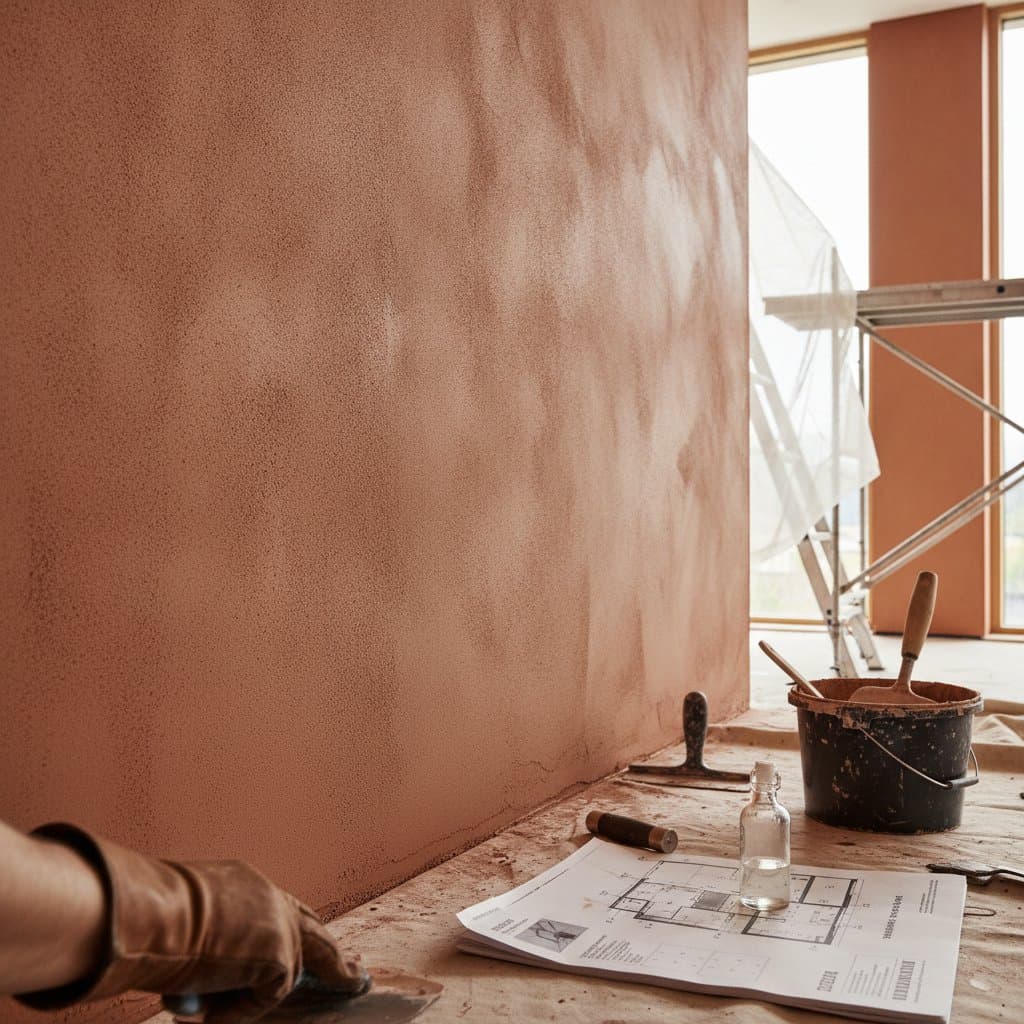
Surface Preparation: The finish accentuates surface flaws, necessitating thorough sanding, priming, or skim coating for optimal smoothness. Such steps can contribute several hundred dollars to the overall budget.
Application Technique: Achieving pearlescent effects demands advanced proficiency, including the even distribution of thin coats and meticulous blending. Intricate approaches, like cross-hatching or metallic overlays, extend application duration and associated fees.
Lighting Conditions: Ample natural or installed illumination amplifies the pearlescent glow. Certain clients opt for fixture enhancements to showcase the feature, which increments project totals.
Room Dimensions and Elevation: Expansive or high-ceilinged areas demand more resources and time. Treatments on ceilings or elevated accents, requiring scaffolding, further escalate labor charges.
Cost Analysis by Finish Variation
| Finish Type | Basic Range | Standard Range | Premium Range | Key Differences |
|---|---|---|---|---|
| Soft Pearl | $8–$10 | $10–$13 | $13–$15 | Subtle glow suited for understated refinement |
| Metallic Pearl | $9–$12 | $12–$15 | $15–$18 | Pronounced reflectivity with metallic hints |
| Iridescent Layered | $10–$13 | $13–$16 | $16–$18 | Layered complexity for shifting hues |
The Rising Appeal of Pearlescent Finishes
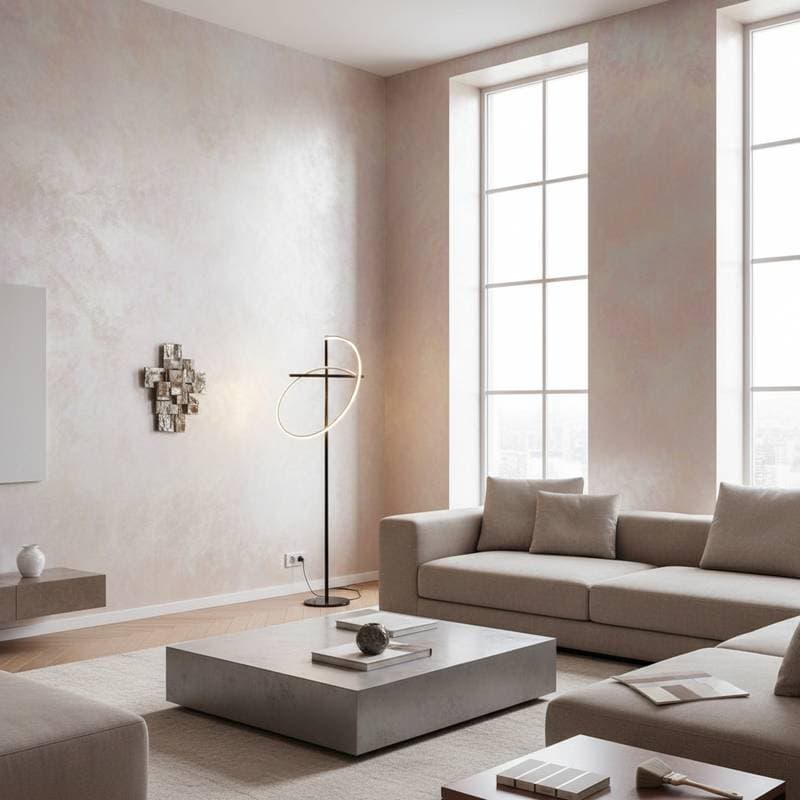
Homeowners increasingly select pearlescent finishes for their blend of aesthetic allure and upscale presence. The material diffuses light gently, simulating fluid motion on surfaces. Viewing angles and illumination alter its appearance, introducing vitality to interiors without dominating palettes. Interior specialists recommend it for feature walls, formal dining spaces, and welcoming foyers to amplify overall design cohesion.
Durability further bolsters its popularity. Resilient pearlescent layers withstand abrasions and permit cleaning, proving suitable for busy zones. This fusion of form and function attracts those prioritizing enduring style and utility.
Assessing Value and Investment Returns
Pearlescent treatments enhance real estate desirability. Properties featuring distinctive coatings convey a customized luxury that appeals to prospective buyers. Although initial outlays exceed those for ordinary paints, extended service life and striking visuals justify the expense as a strategic enhancement.
The reflective properties also optimize ambient brightness, possibly minimizing reliance on supplementary lighting. For sustained benefits, these finishes preserve vibrancy longer than non-reflective alternatives. Their capacity to mask slight blemishes supports minimal upkeep over extended periods.
Strategies to Control Expenses
Premium positioning of pearlescent finishes allows for targeted cost management:
-
Focus on Accent Walls: Limit application to one prominent surface for dramatic effect at reduced scale.
-
Handle Initial Prep: Individuals skilled in fundamentals can perform sanding, dusting, and priming to cut professional fees.
-
Integrate with Basic Coatings: Reserve pearlescent for visible zones and employ standard paints in less prominent areas.
-
Time Projects Off-Season: Contractors often extend discounts during low-demand periods.
-
Opt for Streamlined Methods: Select straightforward layering to shorten labor while retaining luster.
Developing a Project Budget
Effective budgeting maintains project momentum. Start by calculating total surface area through precise measurements. Apply the per-square-foot average to derive a baseline estimate. Incorporate a 10 to 15 percent reserve for supplementary layers or unforeseen fixes. Solicit bids from several specialists, verifying inclusion of prep, supplies, and completion stages.
Professional Application Versus Self-Installation
Precision defines successful pearlescent outcomes. Experts utilize dedicated implements for flawless layer integration. Amateurs may tackle modest areas, yet uniform iridescence on broader expanses proves difficult. Self-installation expenses span $3 to $7 per square foot, but inconsistencies like patchy sheen pose risks. Engaging qualified teams guarantees reliability, encompassing preparatory, applicative, and concluding tasks.
Distinguishing Quality Levels
Material caliber determines visual fidelity and endurance. Entry-level options rely on artificial elements for basic gloss, often lacking profundity. High-end selections with genuine mica or metallic infusions deliver unmatched refraction and resilience. Binder composition influences adhesion and resistance to degradation. Prioritizing superior components promotes lasting performance and diminished repair needs.
Regional and Climatic Considerations
Expenses fluctuate by location due to wage structures and supply access. Metropolitan zones with elevated costs reflect parallel living expenses. Environmental conditions guide formulation choices. Humid locales benefit from vapor-barrier primers and sealers to prevent issues. Arid settings may necessitate additional applications for uniform adhesion and finish.
Maintenance and Longevity
Pearlescent finishes endure 8 to 12 years with proper care, outlasting many traditional paints. Clean surfaces using a soft cloth dampened with mild soap solution, avoiding abrasive tools that dull the sheen. Annual inspections identify early wear, allowing targeted touch-ups to preserve the effect. In high-use areas, apply protective topcoats during installation to extend lifespan and simplify upkeep.
Steps to Launch Your Pearlescent Project
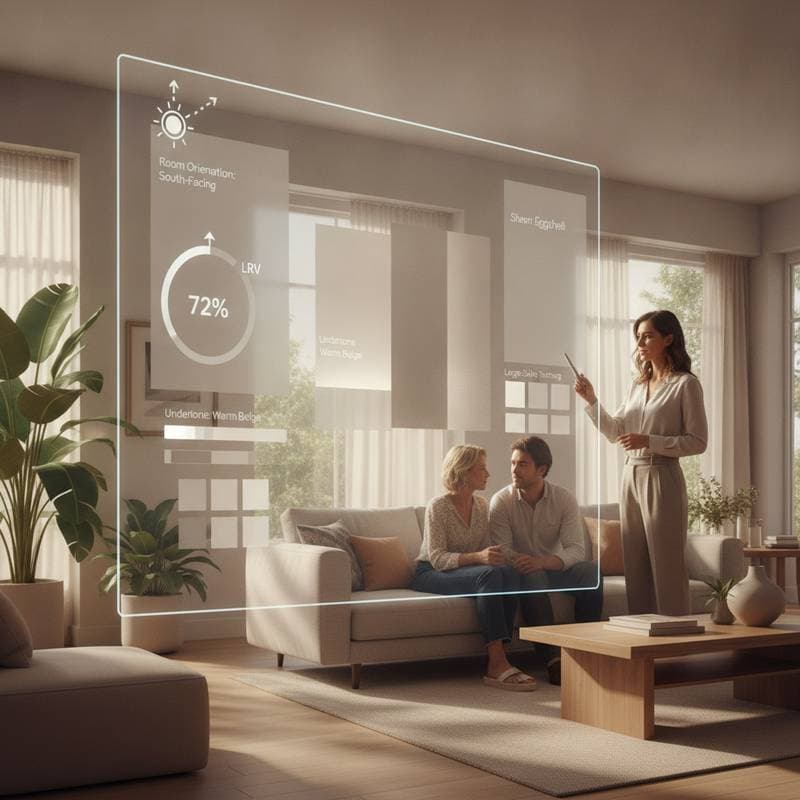
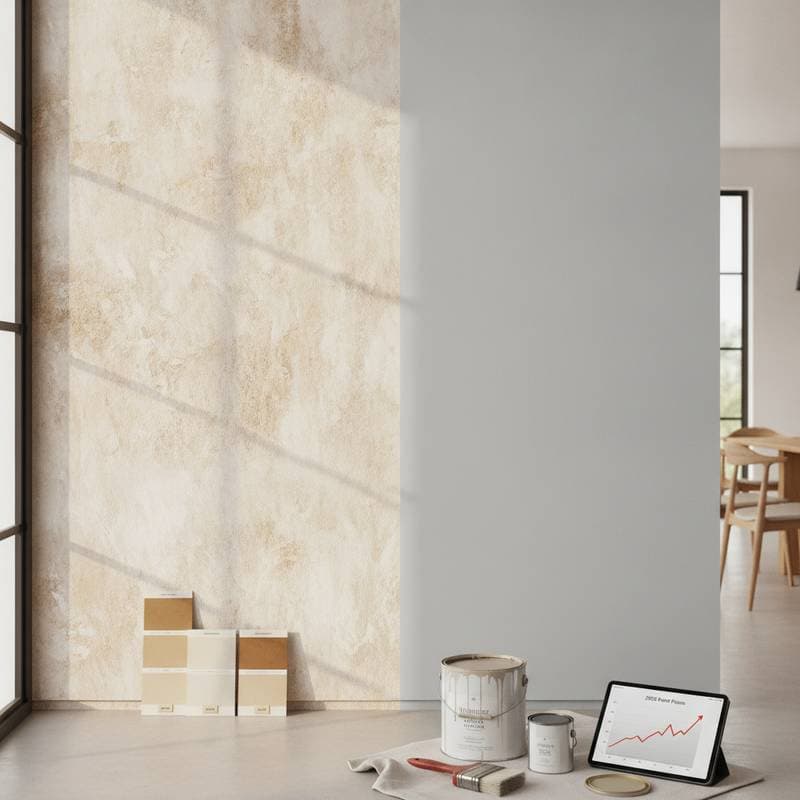
Initiate by evaluating room suitability, focusing on light exposure and traffic levels. Consult color samples under actual conditions to preview shimmer variations. Secure at least three detailed proposals outlining scopes and timelines. Schedule during favorable weather to minimize disruptions. Post-completion, document the process for future reference, ensuring optimal results from the outset.
Frequently Asked Questions
What is the typical cost for pearlescent finishes in homes?
Expenditures range from $8 to $18 per square foot, influenced by surface state, scale, and supply standards. A conventional medium-sized room averages $2,000 to $4,000 under expert oversight.
Which elements most affect pearlescent finish pricing?
Material grade, preparatory demands, and execution methods exert primary influence. Advanced mica integrations and elaborate layering elevate fees. Subpar substrates needing intensive remediation similarly inflate totals.
How can expenses be reduced on pearlescent projects while upholding standards?
Target a single accent wall for coverage efficiency, manage routine prep independently, and pursue off-season bids. Standard formulations offer robust aesthetics at moderated rates compared to elite variants.
Is professional hiring preferable to DIY for pearlescent applications?
Expertise ensures even distribution and cohesive reflection, critical for this finish. Self-efforts frequently yield irregularities like streaks. The labor premium secures professional-grade uniformity.
How should one account for unforeseen expenses in pearlescent budgeting?
Incorporate a 10 to 15 percent margin for additional applications, structural corrections, or shade refinements. Verify quote comprehensiveness regarding primers, prep, and post-work cleanup.
When does initiating a pearlescent project yield the best savings?
Off-peak seasons, such as cooler months, enhance contractor flexibility and rate competitiveness. Steering clear of high-renovation cycles facilitates advantageous terms and prompt service.