Textured Walls: Why They Outshine Shiplap in 2026
Home design trends shift to reflect evolving preferences and practical needs. A prominent change involves transitioning from shiplap, once popular in rustic and farmhouse designs, to textured walls. Shiplap now appears commonplace and limiting, whereas textured walls offer creativity, adaptability, and enhanced value. Homeowners gain greater flexibility in expressing personal style. This evolution influences choices related to expenses, upkeep, and enduring attractiveness.
The Appeal of Textured Walls
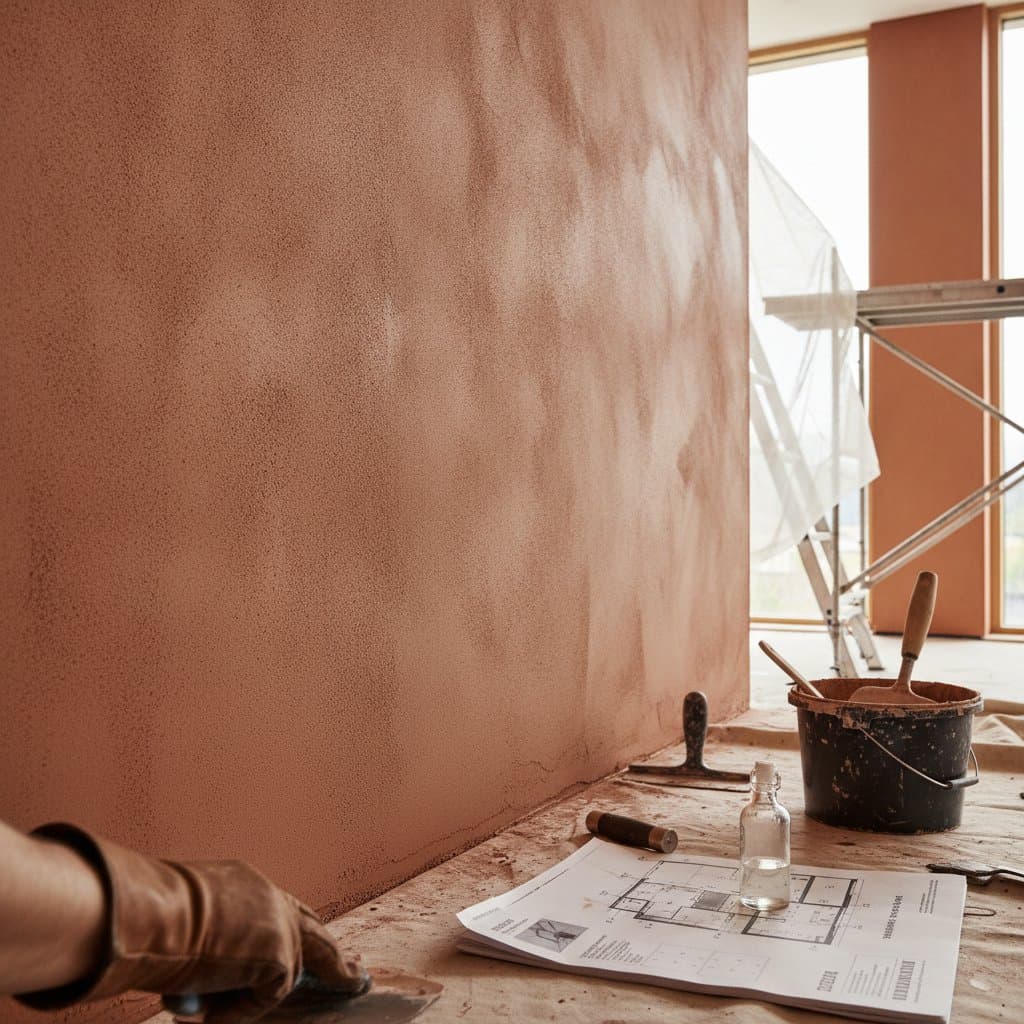
Textured walls introduce depth, dimension, and visual intrigue absent in plain surfaces. Finishes range from understated to striking, based on materials and techniques employed. Options include gentle plaster effects or pronounced trowel applications, fostering a sensory appeal that harmonizes with modern and traditional settings alike. This diversity enables room-specific customization, avoiding the uniform horizontal lines of shiplap.
Shiplap suits coastal or cottage motifs effectively, yet textured walls provide refined elegance across broader themes. These surfaces integrate effortlessly with organic elements, innovative illumination, and vibrant hues, maintaining relevance over time.
Cost Overview for Textured Walls
Installation costs for textured walls generally fall between $2 and $8 per square foot, varying with texture intricacy and application methods. For a typical room, expenses range from $1,000 to $4,000. Premium or bespoke designs may exceed these figures when expert craftsmen participate.
Average Cost Ranges by Room Size
- Small room (up to 150 sq. ft.): $400 - $1,200
- Medium room (150 to 300 sq. ft.): $1,200 - $2,400
- Large room (300 to 500 sq. ft.): $2,400 - $4,000
Cost Breakdown per Square Foot
Typical textured wall expenses include:
- Materials: $0.75 - $3.00 per square foot
- Labor: $1.25 - $5.00 per square foot
- Surface preparation: $0.50 - $1.00 per square foot
- Additional materials or sealing: $0.25 - $0.75 per square foot
Factors Affecting Textured Wall Costs
Type of Texture
Finishes demand different expertise and effort levels. Basic options like orange peel or knockdown incur lower fees, whereas elaborate Venetian plaster or stucco requires advanced skills, elevating prices.
Wall Condition
Imperfect surfaces, such as those with dents, fissures, or water exposure, raise preparation demands. Repairs precede texturing, and even bases minimize labor, thereby curbing overall outlay.
Material Choice
Textures may use joint compound blended with paint, or premium plasters and coatings. Higher-grade selections influence both expense and resilience.
Labor Skill and Experience
Skilled applicators command premium rates per hour. Their precision yields uniform results and sustained quality.
Regional and Seasonal Pricing
Rates fluctuate with location and market conditions. City environments carry higher fees, rural zones provide savings. Off-season timing often secures reduced labor costs.
Detailed Cost Comparison: Textured Walls vs. Shiplap
| Feature | Textured Walls | Shiplap | Key Differences |
|---|---|---|---|
| Average Cost per Square Foot | $2 - $8 | $4 - $10 | Shiplap demands more for lumber and woodworking |
| Installation Time | 1 - 3 days | 2 - 5 days | Textures complete quicker with reduced debris |
| Material Options | Plaster, joint compound, specialty coatings | Wood, MDF, PVC | Textures provide broader stylistic choices |
| Maintenance | Simple cleaning and repainting | Susceptible to seams and distortion | Textures demand less ongoing care |
| Aesthetic Range | Modern to classic | Rustic or farmhouse | Textures adapt to varied decors |
| Durability | High with proper sealing | Moderate, material-dependent | Textures withstand humidity superiorly |
Why Textured Walls Deliver Superior Value
Textured walls combine economical access with personalization. They bypass shiplap's cutting, fastening, and sealing processes, shortening timelines and minimizing refuse. Expert application ensures decades of service with sparse intervention.
Design-wise, these walls support extensive color and finish variations. Updates involve overpainting or layering, simplifying and cheapening alterations. Illumination enhances textures through sconces, fixtures, or embeds, generating shadows that infuse warmth and volume. Shiplap, however, diffuses light inconsistently, potentially constricting perceived space.
Quality Tiers and Cost Differences
| Texture Type | Basic Range | Standard Range | Premium Range | Key Differences |
|---|---|---|---|---|
| Orange Peel | $2 - $3 | $3 - $4 | $4 - $5 | Subtle stipple conceals slight imperfections |
| Knockdown | $2.50 - $4 | $4 - $5 | $5 - $6 | Defined yet tactile, with even distribution |
| Skip Trowel | $3 - $5 | $5 - $7 | $7 - $8 | Manual strokes yield organic depth |
| Venetian Plaster | $6 - $8 | $8 - $10 | $10 - $15 | Glossy, stone-like polish for opulence |
Money-Saving Strategies
Reduce expenditures while upholding standards through these approaches:
- Perform initial preparation: Dust, smooth, and mask areas to trim professional hours.
- Choose balanced materials: Reliable compounds and paints deliver performance at moderate cost.
- Align with low-demand periods: Contractors offer concessions during quiet times.
- Target accents strategically: Reserve elaborate textures for focal zones, using basics elsewhere.
Long-Term Value and Maintenance
Textured walls excel in endurance. Sealed properly, they defy abrasion, dampness, and discoloration. Surfaces mask minor flaws effectively, reducing future fixes. Refreshing requires only recoating, preserving aesthetics effortlessly.
Shiplap presents charm but risks deformation, fractures, and flaking. Thermal shifts provoke movement, complicating care in moist climates.
Budgeting and Decision-Making for Textured Walls
Establish a realistic budget by calculating square footage, selecting texture tiers, and factoring in preparation. Allocate 10 to 15 percent for contingencies like unforeseen repairs. Consult local professionals for precise quotes, ensuring alignment with project scope.
Evaluate needs against options: Prioritize rooms for impact, such as living areas, and weigh DIY feasibility for simple applications. This methodical approach secures optimal results within financial limits, yielding spaces that endure and inspire.
Frequently Asked Questions
What is the average cost of installing textured walls?
Most projects range from $2 to $8 per square foot. Factors like finish complexity, area size, and local rates determine totals. A medium room typically requires $1,200 to $2,400.
What factors have the biggest impact on textured wall costs?
Primary influences encompass texture variety, material caliber, base quality, and area-specific wages. Elaborate designs, such as Venetian plaster, necessitate expert labor, amplifying fees.
How can I save money on textured walls without sacrificing quality?
Prepare surfaces beforehand, select standard supplies, and book during lulls in activity. Apply premium elements selectively to feature walls, balancing expense with effect.
Should I hire professionals or attempt this as a DIY project?
Basic textures like orange peel suit DIY efforts, but intricate ones demand pros for uniformity and longevity. Experts apply sealants correctly, safeguarding the finish.
How do I budget for unexpected costs when planning textured walls?
Reserve 10 to 15 percent of the estimate for surprises, including fixes or adjustments. This cushion maintains project viability amid variables.
When is the best time to start a textured wall project for lower costs?
Opt for cooler seasons or renovation off-periods to access favorable rates and availability. Steer clear of high-demand windows that inflate pricing.