TSP vs Substitutes: Pros' 2025 Prep Picks Revealed
A flawless paint job starts long before the first brush stroke touches a wall. Proper surface preparation separates a lasting finish from one that peels or chips too soon. Among professional painters, Trisodium Phosphate, or TSP, has long been a trusted cleaning agent for getting surfaces ready. Yet, with changing regulations and environmental concerns, many substitutes now compete for attention. Understanding how TSP compares to its alternatives helps homeowners and contractors choose the best solution for each project.
Why Surface Preparation Matters
Before any primer or paint is applied, surfaces must be clean, dull, and dry. Dirt, grease, mildew, and glossy finishes prevent paint from bonding properly. Skipping thorough prep can lead to poor adhesion, uneven coverage, and shorter paint life. Using the right cleaner ensures contaminants are removed without damaging the underlying surface.
TSP Cost Overview
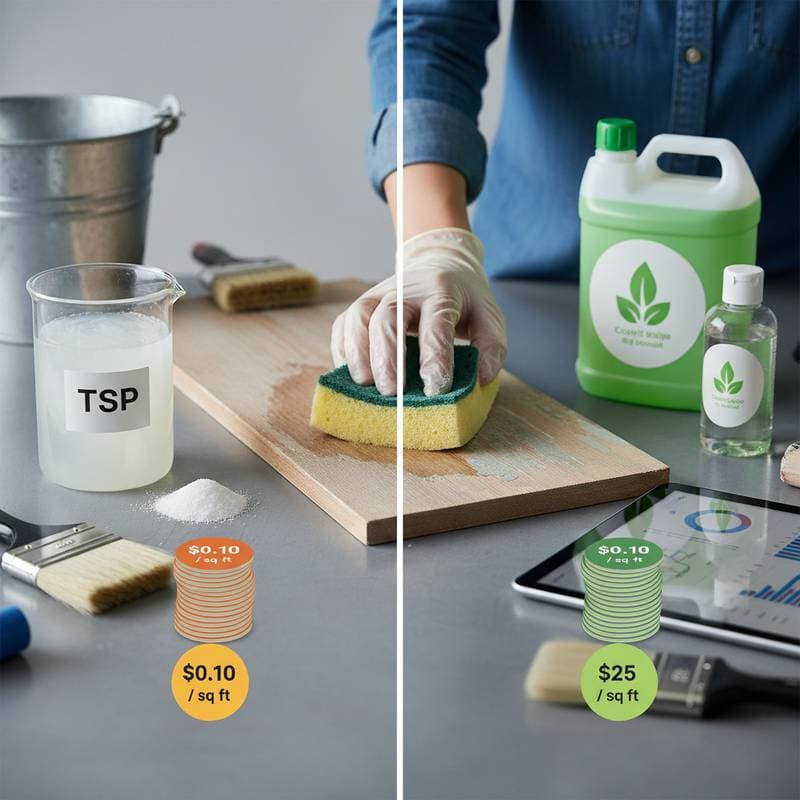
TSP remains a popular choice because it cleans aggressively and cuts through grime efficiently. The cost of TSP cleaning typically ranges from $0.10 to $0.25 per square foot, including material and labor. For a typical room, homeowners spend $40 to $100 on TSP washing before painting. Substitutes vary widely, with eco-friendly formulas ranging from $0.15 to $0.40 per square foot depending on concentration, brand, and local pricing.
Average Cost Ranges by Project Size
- Small room (up to 150 sq. ft.): $25 - $50 using TSP, $30 - $60 using substitutes
- Medium room (200–300 sq. ft.): $50 - $100 using TSP, $60 - $120 using substitutes
- Large area (400+ sq. ft.): $90 - $200 using TSP, $100 - $240 using substitutes
These figures include product cost, protective gear, and labor time for mixing, application, and rinsing.
Cost Breakdown per Square Foot
| Category | TSP | Substitutes |
|---|---|---|
| Materials | $0.05 - $0.10 | $0.08 - $0.20 |
| Labor | $0.05 - $0.15 | $0.07 - $0.20 |
| Preparation (masking, protection) | $0.02 - $0.05 | $0.02 - $0.05 |
| Disposal and cleanup | $0.01 - $0.03 | $0.01 - $0.03 |
Factors Affecting Cleaner Choice and Cost
Choosing between TSP and substitutes involves more than price. Each product type has unique properties, safety requirements, and performance characteristics that can affect total project cost.
Surface Type: TSP works best on durable surfaces like plaster, concrete, or heavily soiled walls. It may be too harsh for delicate wood, aluminum, or treated surfaces. Substitutes are often gentler, making them suitable for varied materials.
Environmental Restrictions: Many regions limit phosphate-containing products due to their impact on waterways. Local regulations can restrict TSP use, requiring eco-friendly alternatives that may cost slightly more.
Safety and Cleanup: TSP requires gloves, goggles, and thorough rinsing since residue can interfere with paint adhesion. Non-phosphate cleaners often reduce safety risks and cleanup time, which can balance their higher purchase cost.
Project Scope: Large-scale or commercial projects may benefit from the fast action of TSP. Smaller residential jobs may favor low-odor, biodegradable cleansers for convenience and safety.
Product Concentration: Some cleaners require dilution, which affects total cost per gallon. Concentrated TSP powders typically yield more cleaning solution for less money than pre-mixed substitutes.
Detailed Cost Analysis by Product Category
| Cleaner Type | Basic Range | Standard Range | Premium Range | Key Differences |
|---|---|---|---|---|
| TSP Powder | $5 - $10 per box | $10 - $15 | $15 - $20 | Strong degreasing power, requires rinsing, phosphates present |
| TSP Substitute (Liquid) | $8 - $15 per gallon | $15 - $25 | $25 - $35 | Safer handling, reduced rinsing, eco-friendly |
| Citrus-Based Degreaser | $10 - $20 | $20 - $30 | $30 - $45 | Pleasant scent, biodegradable, moderate strength |
| Ammonia-Free Multi-Surface Cleaner | $8 - $12 | $12 - $20 | $20 - $28 | Mild formula, suitable for sensitive materials |
| Professional Eco-Cleaner Concentrate | $15 - $25 | $25 - $35 | $35 - $45 | Non-toxic, low VOC, high dilution ratio |
Primary Cost Drivers
Labor Efficiency: TSP typically requires more rinsing and drying time. Labor costs can increase by 20 to 30 percent if surfaces must be rinsed multiple times. Substitutes often dry faster, reducing labor hours.
Safety Gear and Disposal: TSP handling requires gloves, eye protection, and proper waste disposal, adding up to $10 to $25 in small projects. Substitutes usually need minimal gear and simpler cleanup methods.
Concentration Ratio: Concentrated powders last longer but require careful mixing. Liquid substitutes are ready-to-use, but per-ounce cost can be higher.
Regional Conditions: Areas with hard water may need stronger cleaners or extra rinses, slightly raising costs. Humid climates can extend drying times, affecting both labor and scheduling.
TSP vs Substitute Performance Comparison
| Feature | TSP | Substitutes |
|---|---|---|
| Degreasing Power | High | Moderate to high |
| Environmental Safety | Low | High |
| Ease of Use | Moderate | Easy |
| Rinsing Required | Always | Usually optional |
| Material Compatibility | Limited | Broad |
| Cost Efficiency | Excellent for large jobs | Better for small projects |
| Surface Readiness for Paint | Excellent when rinsed | Excellent with low residue |
Value and ROI Considerations
TSP remains a cost-effective cleaner for tough jobs, especially when repainting kitchens, garages, or exteriors exposed to heavy grime. Its low price per square foot delivers strong cleaning performance, but the extra rinsing time can offset some savings.
Substitutes, though slightly pricier, offer convenience, lower health risks, and environmental compliance. They also reduce water consumption and accelerate preparation schedules, which can shorten project timelines. For professionals managing multiple jobs or homeowners with limited time, these benefits often justify the higher upfront cost.
Money-Saving Strategies
- Dilute properly: Over-concentrating TSP wastes product and increases rinsing time. Follow mixing ratios carefully to optimize use.
- Pre-test surfaces: Avoid damage by testing small sections, preventing costly repairs or repainting.
- Buy in bulk: For large projects, purchasing concentrate in bulk can lower cost per square foot by 10 to 15 percent.
- Combine cleaning tasks: Use the same cleaning session for trim, walls, and ceilings to reduce setup time.
- Use reusable tools: Microfiber cloths and non-abrasive pads last longer and reduce material waste.
Planning Your Budget
A well-planned prep budget can prevent unexpected expenses later. Allocate about 10 to 15 percent of your total painting budget for surface preparation. This includes cleaner, tools, protective gear, and labor. Always keep a small buffer for additional cleaning or spot treatments if surfaces require extra attention.
Professional vs DIY Cleaning
DIY cleaning suits small or lightly soiled surfaces, where basic tools and cleaners suffice. Professionals excel in larger or complex areas, ensuring thorough rinsing and optimal surface readiness. Hiring experts saves time and avoids errors that could lead to repainting costs.
Getting Started with Your Project
Select your cleaner based on surface needs and local rules. Gather supplies like buckets, sponges, and protective coverings. Begin with a test area to confirm results, then proceed systematically for even coverage. This approach ensures a smooth transition to painting and durable results.
Frequently Asked Questions
What is the average cost for cleaning with TSP or substitutes?
Expect to spend between $0.10 and $0.25 per square foot for TSP cleaning and $0.15 to $0.40 for eco-friendly alternatives. Larger projects or areas with heavy buildup may push costs toward the higher end of the range.
What factors have the biggest impact on cleaning costs?
Surface type, dirt level, local environmental restrictions, and labor time influence total cost most. Delicate materials, multi-coat prep, or extensive rinsing can increase both time and expense.
How can I save money on surface cleaning before painting?
Mix only what is needed, pre-clean lightly soiled areas with mild soap, and handle basic prep tasks yourself. Buying concentrate in bulk often reduces costs for large projects.
Should I hire professionals or attempt this as a DIY project?
DIY cleaning works for small or lightly soiled surfaces. Professional painters bring efficiency and safety for larger or complex areas, ensuring proper rinsing and surface readiness for paint.
How do I budget for unexpected prep costs?
Set aside 10 to 15 percent of your total painting budget as a contingency. This covers extra cleaner, repair materials, or extended labor if surfaces require multiple treatments.
When is the best time to start cleaning for painting?
Choose a dry period with moderate temperatures. Avoid cleaning immediately before painting, as surfaces must dry completely to ensure proper paint adhesion.