The Costly Sanding Error That Wastes $800 in Paint
Proper surface preparation determines the durability of any paint job. Homeowners often prioritize paint selection, yet sanding errors undermine adhesion and result in substantial material waste. One frequent oversight quietly drains hundreds of dollars in paint and labor costs. Grasping this problem, its causes, and prevention strategies preserves resources and eliminates aggravation.
Why Sanding Matters Before Painting
Sanding establishes a consistent surface profile for optimal paint bonding. It eliminates flaws, reduces sheen on existing finishes, and clears contaminants that hinder attachment. Neglecting sanding or executing it poorly prompts paint to peel, blister, or develop inconsistencies shortly after application. Adhesion failure necessitates complete repainting, incurring significant expenses in materials and effort.
Experienced painters allocate substantial time to preparation because robust adhesion relies on microscopic surface roughness. Selecting appropriate grit, applying even pressure, and following with meticulous cleaning allow paint to anchor securely. A solitary sanding misstep nullifies prior efforts.
Project Cost Breakdown
Average Cost Ranges
- Basic repaint with thorough preparation: $1,200 to $2,500
- Standard interior repaint: $2,500 to $4,000
- Premium repaint requiring detailed prep: $4,000 to $6,000
What's Included
- Initial surface cleaning and evaluation
- Sanding using suitable grits matched to the substrate
- Dust extraction and wiping
- Primer coat application
- Two layers of high-quality paint
- Basic repairs and concluding cleanup
What Costs Extra
- Extensive repairs to compromised drywall or wood: $150 to $400 per section
- Stain-blocking treatments or mold removal: $200 to $600
- Premium low-VOC or specialized paints: $10 to $20 additional per gallon
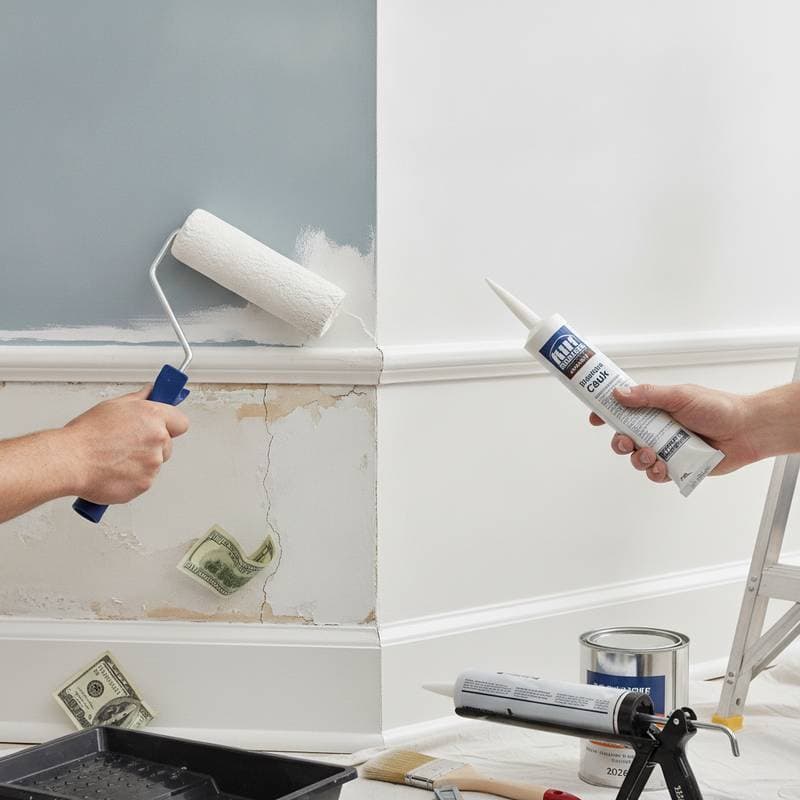
- Redoing areas due to adhesion failure: up to $800 in lost paint and labor
Factors That Affect Final Cost
| Factor | Cost Impact | Examples |
|---|---|---|
| Surface condition | Moderate to high | Damaged or glossy substrates demand extra work |
| Paint quality | Moderate | Superior paints require precise preparation |
| Labor expertise | High | Skilled workers prevent sanding pitfalls |
| Surface area | High | Expansive areas amplify waste from errors |
The Costly Sanding Error: Over-Smoothing the Surface
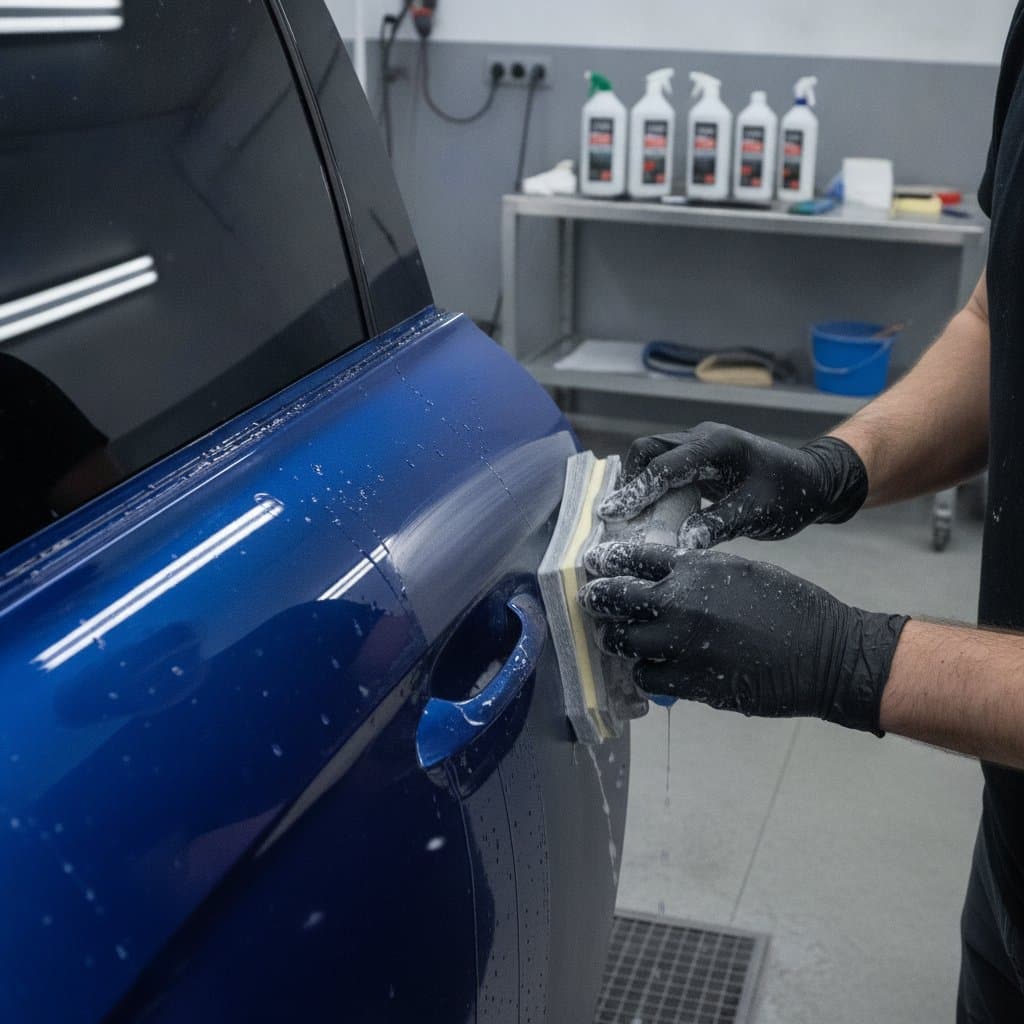
The primary error that squanders paint occurs through excessive fine sanding. Individuals presume that maximum smoothness equates to superiority, yet paint demands subtle roughness for secure attachment. Employing ultra-fine abrasives, like 320-grit or beyond, yields a glossy plane where paint slips instead of gripping.
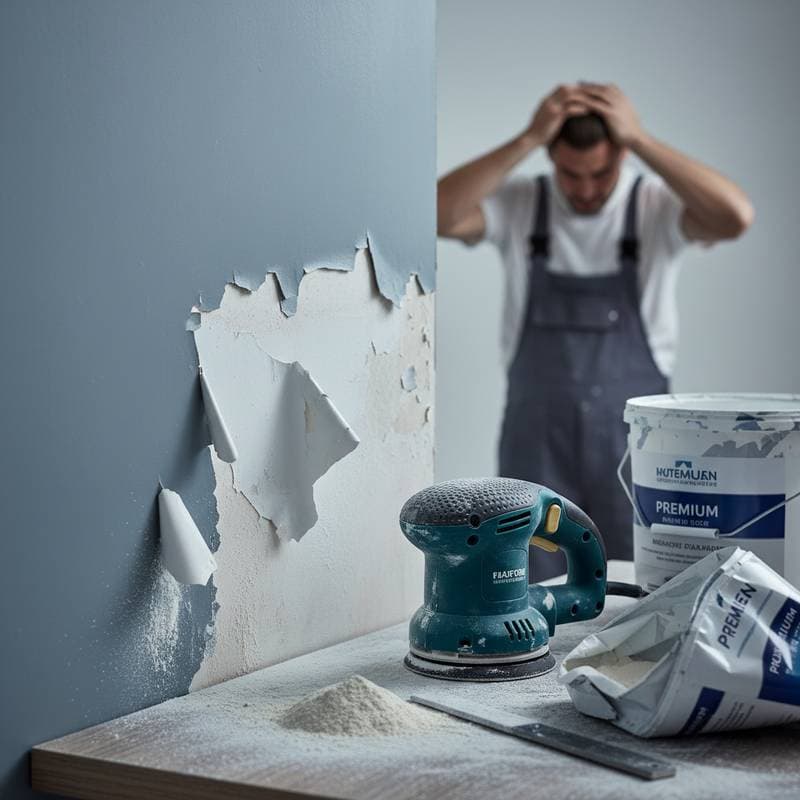
Peeling or flaking emerges rapidly post-application. Many attribute the issue to defective paint or primer, overlooking the over-sanding as the true source. Adhesion breakdown demands full-area repainting, squandering products and time. In a standard room, this blunder equates to approximately $800 in discarded materials.
How to Identify Over-Sanded Surfaces
- The substrate exhibits a polished or shiny quality rather than faint texture
- Primer forms beads or fails to distribute uniformly
- Initial paint layer shows irregular or streaked application
- Dried finish yields to light scratching
Should these indicators surface, perform light abrasion with medium grit to reinstate necessary roughness.
Correct Sanding Techniques for Strong Paint Adhesion
Step 1: Start with the Right Grit Sequence
Initiate with medium abrasives, such as 120- or 150-grit, to eradicate defects or legacy coatings. Advance to 180- or 220-grit for refinement. Refrain from exceeding 220-grit on typical walls, wood, or cabinets. Aim for a even, matte tactile response over a lustrous polish.
Step 2: Use Consistent Pressure
Inconsistent force generates variable profiles. Excessive pressure burnishes the material, whereas insufficient effort overlooks irregularities. Maintain uniform strokes and verify evenness by tactile inspection.
Step 3: Clean Thoroughly
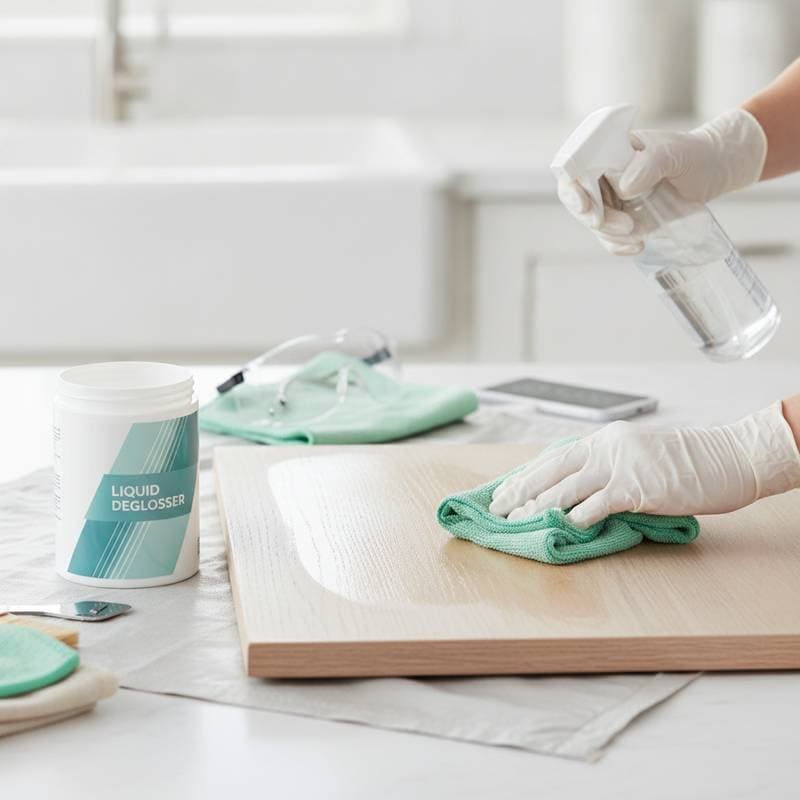
Residual sanding particles obstruct paint attachment. Vacuum meticulously, followed by wiping with a moistened cloth or tack cloth. Minute debris provokes blistering or incomplete coverage.
Step 4: Apply Primer Correctly
Primer preserves the prepared texture and forms an adhesion foundation. Select a primer suited to the substrate and topcoat. Omitting primer post-sanding heightens peeling risks, especially on reflective or prior-painted zones.
Step 5: Inspect Under Good Lighting
Inadequate illumination conceals flaws. Employ intense, oblique illumination to detect unevenness or shine before proceeding. Prompt adjustments avert later, pricier interventions.
Professional vs. DIY Surface Preparation
When to Hire a Professional
Expansive or intricate substrates, including cabinets, ornate trim, or patterned walls, benefit from expert handling. Professionals possess specialized equipment and knowledge to deliver uniform outcomes without excess smoothing. They account for material-specific responses to abrasion and sealing. Engaging qualified painters or prep specialists guarantees enduring adhesion and longevity.
When DIY Makes Sense
Straightforward walls or minor repairs suit homeowner efforts with sound instruction. Select fitting abrasives, eschew over-polishing, and prioritize cleaning. Such approaches economize, though errors may offset gains through premature failure.
Cost Comparison
- DIY sanding and painting: $200 to $500 for supplies
- Professional full-service painting: $1,200 to $4,000 based on scope
Planning Your Project
Prior to painting, assess substrate status and existing layers. Glossy residues or contaminants render sanding indispensable. Trial a modest section before broad commitment.
Preparation Checklist
- Examine for sheen, fissures, or contaminants
- Select abrasives aligned with substrate type
- Validate attachment via primer test patch
- Eradicate dust completely pre-painting
- Implement primer prior to topcoats
- Permit adequate curing intervals between layers
Quality Assurance and Inspection
Post-application, evaluate adhesion by adhering tape and removing it briskly. Paint lift signals over-sanding or deficient priming. Swift identification enables targeted fixes, forestalling extensive rework.
Frequently Asked Questions
1. How can sanding mistakes waste up to $800 in paint?
Over-sanding impairs attachment, compelling full-section repaints. This doubles material consumption and incorporates labor, totaling about $800 for a typical room, contingent on paint grade and expanse.
2. How long should sanding take for a typical room?
Thorough sanding and cleaning for a medium room spans three to six hours, varying with condition. Hastening invites texture disparities and adhesion deficits, culminating in expensive redo.
3. Is it better to sand by hand or use a power sander?
Power tools expedite broad flats but risk over-refinement with fine grits. Manual methods provide precision for edges and details. Professionals often integrate both for balanced, non-excessive profiling.
4. How can homeowners tell if a contractor prepared surfaces correctly?
Request pre-primer inspection; the surface must retain subtle texture, absent gloss. Reputable contractors detail grit progression, ensure cleaning, and match primer to needs. Transparent process disclosure reflects competence.
5. Should primer always be used after sanding?
Affirmative. Primer secures the abraded profile, bolsters attachment, and curbs absorption. Bypassing it invites irregular gloss and swift detachment. Even self-priming topcoats excel over dedicated bases.
6. What are common signs of poor surface preparation after painting?
Edge peeling, paint blistering, embedded specks, or uneven sheens indicate prep shortcomings. These stem from faulty sanding, overlooked cleaning, or absent primer. Timely intervention curtails total repaint expenses.