Test Paint in 5 Spots to Avoid Costly Color Mistakes
Paint transforms a space faster than almost any other design choice. A fresh wall color changes how light moves through a room, how furniture appears, and how occupants feel in the space. The shade that looks ideal on a swatch often shifts once applied to walls. Testing paint in five strategic locations prevents expensive errors and confirms the right selection.
The process requires samples in varied lighting and next to different surfaces. This approach reveals true undertones and interactions before full commitment.
The Five Essential Test Spots
Testing in multiple areas prevents surprises from changing conditions. Each location highlights a different aspect of color behavior.
1. Next to the Window
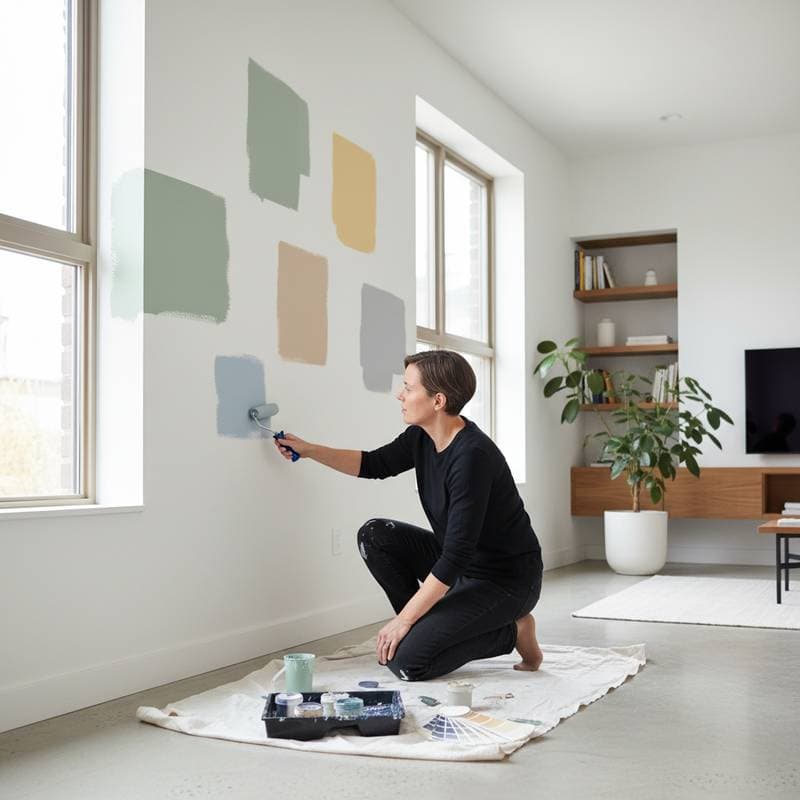
Natural light reveals the most accurate daytime tone. Apply a one foot square sample beside the window frame. Observe the patch during morning and afternoon hours to note any shifts.
Small tester pots from paint retailers provide enough product for this check at low cost. Use painter tape to create clean edges on bold colors so the focus stays on the hue itself.
2. In a Shadowed Corner
Low light exposure shows how the color performs without direct illumination. Paint a sample in an interior corner away from windows. Check the result under evening room lighting as well.
This step identifies colors that turn flat or muddy in dim conditions. Adjust depth or undertone if the sample loses appeal in shadow.
3. Near Trim or Cabinetry
Fixed elements influence how wall color reads in context. Place a sample beside white trim, wood cabinets, or tile edges. Compare the pairing in both daylight and artificial light.
If trim appears yellowed or cabinets look washed out, revise the wall color depth. Professional sets always test near trim first because contrast becomes more pronounced under scrutiny.
4. Behind Furniture or on a Back Wall
Hidden areas reveal performance away from main sight lines. Apply a sample on a back wall or behind a sofa. View the patch after moving furnishings temporarily.
This location confirms consistency when the color is not the primary focal point. It also shows interaction with flooring and textiles.
5. Hallway or Connecting Wall
Color flows between rooms and must harmonize with existing shades. Test where one wall meets another at a hallway or shared corner. View the transition from both directions.
A shade that excels alone may clash with adjacent rooms. The goal is a smooth visual connection throughout the space.
Reading the Results Like a Pro
Compare samples across all five locations at consistent times of day. Ask whether the color feels warm or cool, flatters furnishings, maintains steady undertones, and appears clean at night.
A color that remains stable through every test earns selection. Photograph each patch with a phone camera to detect temperature shifts that the eye might miss.
Common Testing Mistakes to Avoid
Several errors distort results when testing moves too quickly. Always apply primer over bare drywall or dark existing paint. Allow fresh paint to cure fully before final judgment.
Test the exact sheen planned for the room because flat, eggshell, and satin reflect light differently. Move bright rugs or furniture that could cast unwanted reflections onto samples.
How Light and Finish Affect Perception
Bulb temperature alters color appearance, with warm light adding yellow and cool light emphasizing blue. Natural light softens tones and exposes undertones most clearly. Rooms with dramatic brightness changes throughout the day benefit from colors with balanced pigments.
Finish selection precedes color choice on many projects because sheen sets the overall mood. Matte absorbs light and conceals imperfections while satin and semi gloss reflect light and lighten perceived color. Test the intended finish alongside the hue.
Living with the Final Choice
After identifying a consistent winner, observe the sample for several days under normal routines. Note reactions during morning activities and evening relaxation. Color affects daily comfort as much as visual style. A shade that continues to satisfy after this period supports confident full application.