Why Terracotta and Clay Pink Ceilings Will Dominate 2026
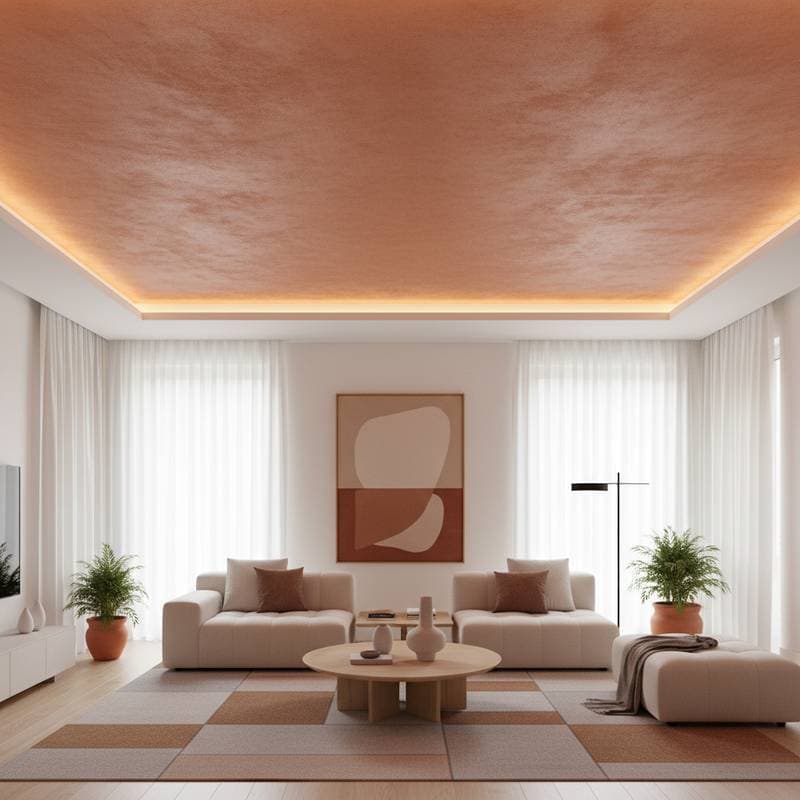
Home interiors are moving toward warmth, individuality, and tactile comfort. Among the most striking expressions of this shift is the rise of terracotta and clay pink ceilings. These colors, once reserved for pottery and accent walls, are now being used overhead to create enveloping, sophisticated spaces.
Homeowners seek depth and coziness without heavy ornamentation. These warm hues redefine how ceilings contribute to room design.
The Appeal of Warm, Earth-Based Ceilings
For years, white ceilings ruled interior design. They were safe, neutral, and reflective, but they often felt sterile. Terracotta and clay pink change the mood entirely.
The appeal lies in their connection to natural elements. Terracotta brings the essence of sunbaked earth. Clay pink adds a soft blush that complements almost any palette. Used together or separately, they create subtle contrast with cooler wall tones or enhance monochromatic schemes with texture and life.
These colors add warmth without feeling heavy. They work equally well in contemporary lofts and traditional homes. Finishes deliver depth and intimacy that plain white cannot achieve.
Project Cost Breakdown
Average Cost Ranges
- Basic ceiling repaint: 2 to 4 dollars per square foot
- Standard decorative ceiling: 4 to 7 dollars per square foot
- Premium finish with texture or glaze: 7 to 12 dollars per square foot
What Is Included
Surface preparation and priming form the foundation. Two coats of premium quality paint follow. Minor patching and sanding complete the base work. Cleanup and protective coverings protect the space.
What Costs Extra
Repairing damaged drywall or plaster adds expense. Custom color mixing or specialty finishes increase the total. High ceilings requiring scaffolding raise labor needs. Textured or patterned applications demand more time.
Factors That Affect Final Cost
| Factor | Cost Impact | Examples |
|---|---|---|
| Ceiling height | Increases cost | Higher ceilings needing ladders or scaffolding |
| Paint type | Small to moderate increase | Low VOC, washable, or specialty finishes |
| Surface condition | Can raise cost | Cracked or uneven surfaces requiring repair |
| Color depth | Slight increase | Deep pigments needing additional coats |
Why Homeowners Are Turning to Color Above
The ceiling often takes up as much visual space as the floor. Yet it is frequently overlooked. Terracotta and clay pink shift the focus upward. They add character without clutter.
Warm tones visually lower ceilings slightly. This creates a cozier atmosphere in large or open plan rooms. In smaller spaces, pairing these hues with lighter walls produces subtle contrast that enhances comfort and dimension.
Lighting plays a key role. Natural light brings out the earthy undertones of terracotta. Artificial light can highlight the rosy warmth of clay pink. Dimmer switches or layered fixtures let homeowners adjust mood and tone throughout the day.
Matching Terracotta and Clay Pink with Other Colors
These tones pair beautifully with a wide range of palettes. For modern interiors, combine terracotta ceilings with soft gray walls, natural wood, and matte black accents. This creates a grounded, architectural look.
Clay pink ceilings complement ivory, beige, or muted greens. They produce a soft, romantic ambiance. For bolder designs, both colors work well with navy, charcoal, or emerald.
When balanced with metallic finishes like brass or aged bronze, they introduce a sense of luxury. The key is harmony between warm and cool elements. This ensures the ceiling color enhances rather than overwhelms the space.
Timeline Expectations
Painting a ceiling in terracotta or clay pink follows a straightforward schedule. Preparation and protection require one day for covering surfaces, patching flaws, and priming. Painting and drying take one to two days depending on ceiling size and number of coats. Cleanup and touch ups occupy several hours for detailing and drying checks.
For textured finishes or complex color layering, add one or two extra days. Professional painters recommend allowing full curing before reinstalling light fixtures or decorations.
Professional vs DIY Guidance
Painting a ceiling looks simple, but technique and patience matter. A professional painter ensures even coverage, precise edges, and proper color matching. Professionals also know how to work safely on ladders and manage lighting conditions that affect color perception.
DIY painting can save money for smaller rooms or straightforward flat ceilings. Homeowners should plan for proper drop cloths, extension poles, and at least two coats. The paint should be high quality, with excellent hide and low spatter.
A clay pink ceiling might require a tinted primer. A darker terracotta could need an additional coat for full depth. If the ceiling has stains, cracks, or texture, hiring a contractor prevents uneven results and reduces cleanup time.
Contractor Selection and Working Process
Choosing the right professional starts with research. Look for painters who specialize in interior finishes and have experience with bold color applications. Request written estimates that break down labor, materials, and prep work. Compare at least three quotes.
Focus on communication and professionalism in addition to price. When reviewing proposals, ask about paint brand and finish type. Inquire about surface preparation methods and the number of coats included. Confirm the cleanup and protection plan.
Always verify licenses, insurance, and references. A reputable contractor will welcome these questions and provide documentation. During the project, keep communication open. Ask for progress updates and inspect each stage before approving final payment.
Quality and Finish Expectations
A terracotta or clay pink ceiling should look consistent from every angle. Professionals use multiple light checks during painting to ensure even coverage. The finish should feel smooth, with crisp edges along crown molding or wall intersections.
Any streaks, drips, or uneven tones should be corrected before the job is considered complete. Homeowners can maintain the finish by gently dusting the ceiling and avoiding harsh cleaners. Save a small sample of paint for matching if touch ups are needed later.
Planning Your Project
Before committing to color, test samples on large poster boards or small ceiling sections. Observe them at different times of day under various lighting conditions. Consider how furniture, flooring, and wall tones interact with the ceiling hue.
Budget for professional labor if ceiling height or condition adds complexity. Plan the project during mild weather to allow proper ventilation and drying. Communicate clearly with your contractor about preferred finish, sheen level, and cleanup expectations.
A well planned project transforms the ceiling from a forgotten surface into a design centerpiece.
Frequently Asked Questions
How much does it cost to paint a terracotta or clay pink ceiling?
Prices usually range from 2 to 7 dollars per square foot for standard painting. This depends on surface condition and paint quality. Premium finishes with glazing or texture can reach 12 dollars per square foot. Higher ceilings or difficult access may increase labor costs.
How long does a ceiling painting project take?
A basic project typically takes two to three days from preparation to cleanup. Larger or textured ceilings may require an extra day. Drying and curing time can vary with humidity and ventilation.
What are common challenges with terracotta or clay pink ceilings?
Uneven coverage can occur on textured surfaces. Color depth may require extra coats. Proper lighting assessment prevents mismatched tones under different conditions.