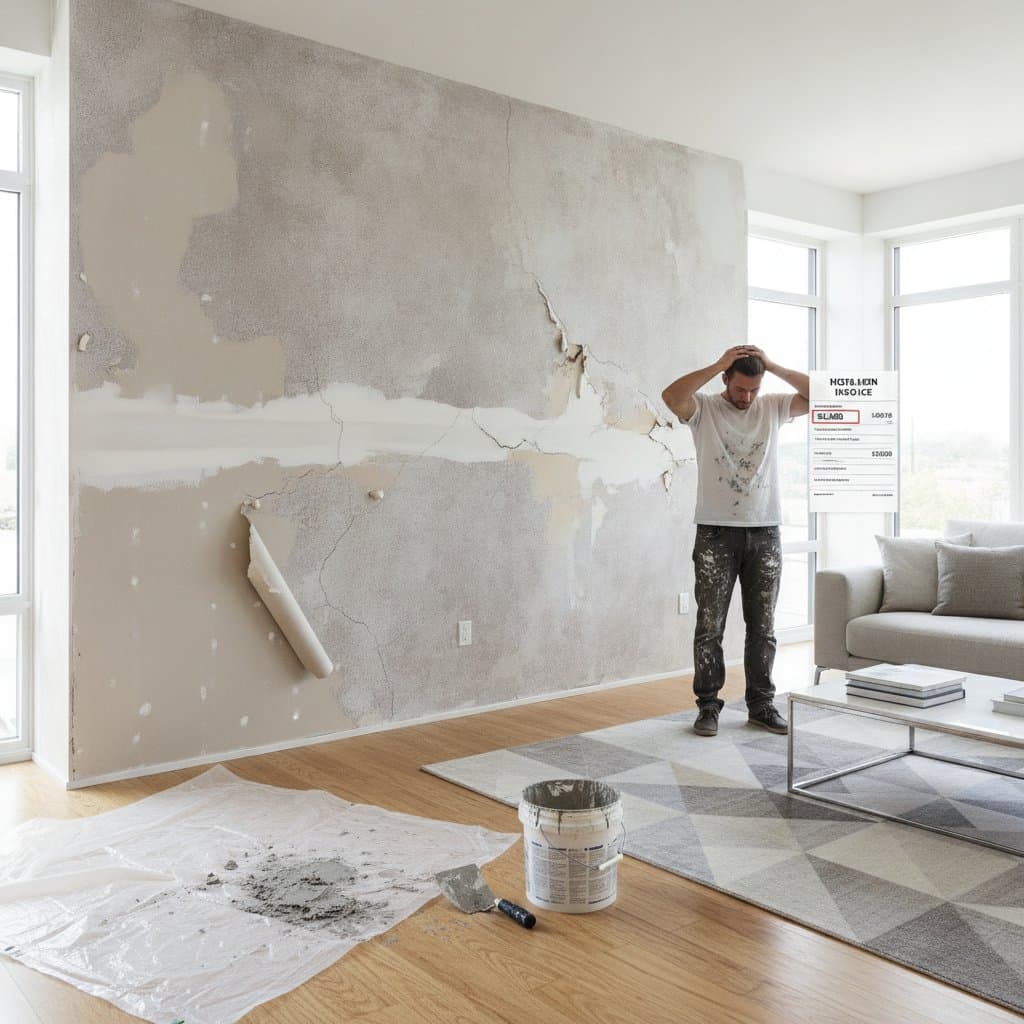
Professional Sanding for $800 Outperforms $3,000 Repaints
Homeowners often face peeling, bubbling, or fading paint and consider a complete repaint as the solution. A new paint job transforms spaces effectively, yet it may not represent the most economical choice. Professional sanding and preparation, priced around $800, achieve similar renewal and strength when the base paint remains intact. Homeowners gain substantial savings and superior surface quality by grasping sanding benefits, techniques, and ideal applications.
The Role of Sanding in Surface Renewal
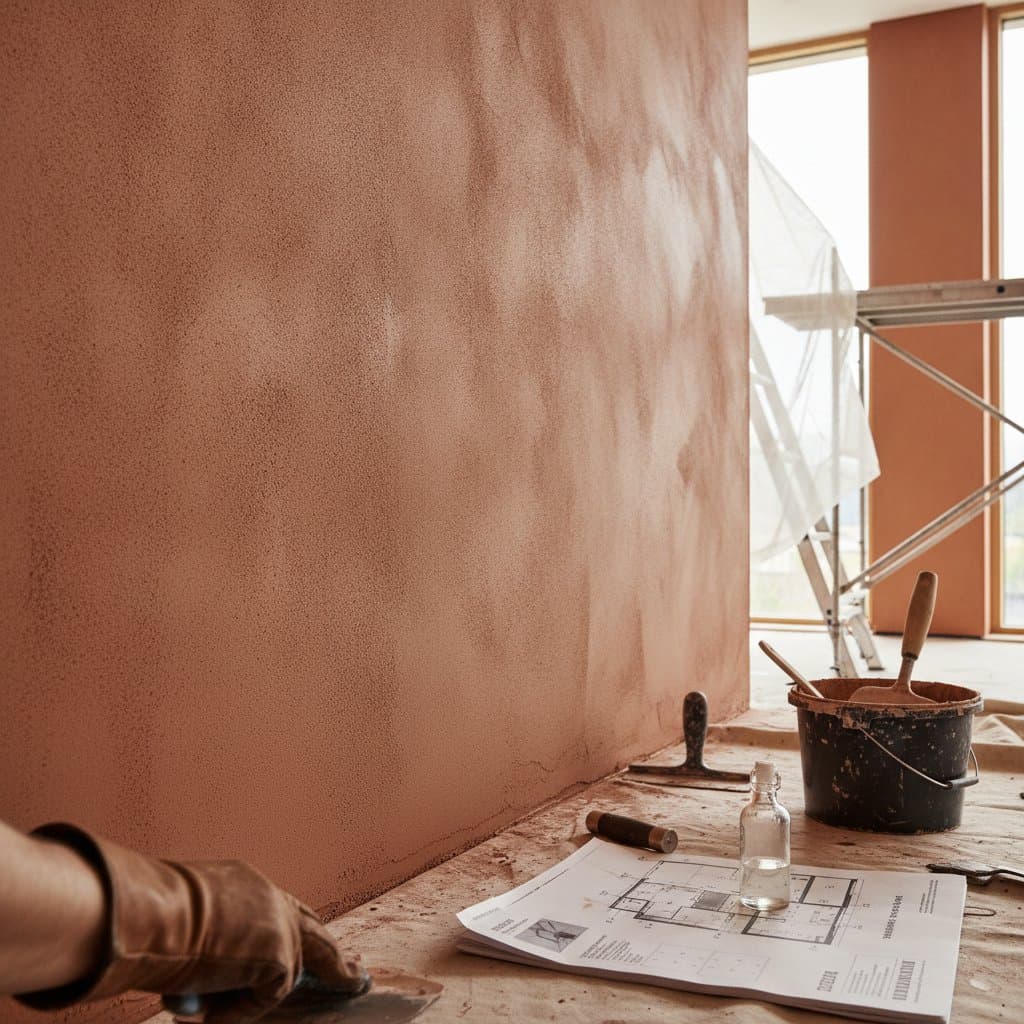
Sanding extends beyond basic abrasion; it serves as a precise method to level imperfections and prepare substrates for optimal adhesion. Technicians employ graded sandpaper to eliminate loose edges, fine cracks, and irregular textures that hinder paint bonding. This preparation reinforces the surface structure, prolonging the existing paint layer and guaranteeing uniform application of fresh coats.
Experts address challenges like oxidation, water marks, and subtle stains on wood, drywall, or metal that routine cleaning overlooks. Proper execution yields a uniform, low-gloss finish primed for primer or topcoat, which enhances resistance to wear and minimizes future upkeep.
Detailed Cost Analysis
Typical Pricing Tiers
- Entry-level sanding: $600 to $900 for straightforward areas
- Mid-range with repairs: $900 to $1,400 including basic patching
- Advanced preparation: $1,400 to $2,000 for intricate refinishing
Standard Inclusions
- Initial cleaning and condition assessment
- Targeted sanding to resolve surface flaws
- Dust management through barriers and vacuums
- Application of fillers for minor voids
- Final residue removal and surface preparation
Additional Expenses
- Remediation of structural issues or decay
- Intensive removal of layered paints
- Handling of unique substrates such as metals or ornate plaster
- Application of topcoats or sealers
Influences on Total Expenses
| Factor | Influence on Price | Specific Instances |
|---|---|---|
| Area Extent and State | Increases for expansive or compromised zones | Weathered exteriors, chipped accents |
| Substrate Variety | Moderate variation | Wood demands finer grits than metal |
| Access Challenges | Elevates labor demands | Elevated walls, confined spaces |
| Prep Requirements | Extends project time | Protective coverings, thorough decontamination |
Full repaints frequently exceed $3,000 with primers, materials, and labor factored in. Sanding targets restoration efficiently, renewing aesthetics at reduced expense when damage remains superficial.
Financial Advantages of Sanding Over Repainting
Initial savings represent only part of the appeal; sanding curtails ongoing expenses by fostering durable finishes. Treated surfaces retain paint adhesion longer, ward off delamination, and bolster defense against humidity. Preservation of viable base layers avoids total removal, conserving resources and original efforts.
Consider interior walls with faint marks or inconsistent gloss: sanding followed by selective recoating revives them affordably. Exterior panels exhibiting mild exposure effects respond well to abrasion and sealing, bypassing extensive overhaul. Success hinges on damage extent; a stabilized base accepts new treatments as effectively as bare material.
Project Duration Overview
Completion time varies with scope, substrate health, and setup demands. Experienced teams finish standard jobs in one to three days, structured as follows:
- Initial Assessment: Detection of delamination, dampness, or necessary fixes.
- Setup Phase: Safeguarding adjacent areas with coverings.
- Abrasion Stage: Progressive grit application for refined texture.
- Residue Management: Thorough extraction and surface decontamination.
- Final Review: Confirmation of suitability for subsequent applications.
Repainting extends timelines with priming, layering, and curing intervals. Sanding accelerates progress by emphasizing readiness over wholesale renewal.
Evaluating Professional Services Against Self-Application
Attempting sanding independently appeals for cost control, yet it risks inconsistencies without expertise. Professionals deploy industrial equipment, filtration units, and material-specific grits to refine without harm.
Scenarios for DIY Approach
- Limited, accessible regions with superficial issues.
- Minimal irregularities on flat, uncomplicated substrates.
- Availability of protective equipment and appropriate implements.
Benefits of Expert Intervention
- Extensive or patterned surfaces requiring precision.
- Evidence of adhesion failure, swelling, or layered coatings.
- Presence of hazardous paints or multifaceted materials.
- Pursuit of seamless preparation for professional-grade outcomes.
Although self-efforts may trim budgets modestly, expert execution guarantees uniformity, safeguards interiors from particulates, and averts errors that escalate to repainting needs.
Selecting a Qualified Sanding Specialist
Approach contractor selection with diligence akin to painting hires. Competent providers evaluate substrates accurately and propose tailored, economical strategies.
Essential Hiring Criteria
- Identify Local Experts in preparation techniques.
- Confirm Credentials including licensing and coverage.
- Obtain Detailed Quotes outlining efforts, supplies, and post-work care.
- Inquire on Containment Practices for particulate control indoors.
- Review Past Projects via testimonials or visual records.
Reliable professionals articulate sanding rationale versus repainting and delineate project parameters. Such clarity verifies value in enhanced resilience rather than superficial fixes.
Homeowner Preparation Steps
Anticipate the process by clearing paths and coordinating logistics:
- Relocate furnishings, artwork, or delicate objects from the vicinity.
- Verify airflow provisions for enclosed sanding operations.
- Align on protective protocols with the service provider.
- Affirm schedule adherence and electrical access availability.
Anticipate operational sounds and contained dust during execution. Post-completion, substrates appear pristine, textured ideally, and set for finishing applications.
Enduring Benefits of Thorough Preparation
Surface readiness underpins paint performance; inadequate sanding precipitates premature degradation, patchy application, and shortened service life. Allocating $800 to meticulous work extends base layer viability by years, postponing major overhauls. This investment recoups rapidly through deferred expenditures.
Refined abrasion safeguards core materials like timber, stucco, and panels from aggressive alternatives. It maintains design elements, reduces refuse, and supports sustainable practices.
Assessing Surface Needs for Optimal Decisions
Distinguish sanding viability from repainting necessity by inspecting paint integrity. Extensive flaking or substrate infiltration signals full renewal. Dullness, minor abrasions, or gloss variances, however, yield to sanding, which reinstates vitality economically. Focus on targeted remediation to achieve lasting protection without excess outlay.
Common Questions on Sanding and Repainting
How Can One Determine If Sanding Suffices Over Full Repainting?
Existing paint with strong attachment and limited deterioration typically warrants sanding. Experts perform adhesion tests to guide recommendations between light preparation and comprehensive renewal.
What Occurs If Damage Emerges During Sanding?
Discovery of underlying decay, fissures, or instability prompts evaluation halt. Providers suggest localized repairs or partial recoating to preserve affordability without escalating to total repainting.