The $600 Limewash Paint Trend Replacing Flat Walls
Flat, single-tone paint finishes are giving way to something richer and more textured. Limewash paint, a centuries-old technique now resurfacing in modern design, transforms walls into works of art that feel both natural and sophisticated. Homeowners who once preferred a matte finish now gravitate toward the layered effect and organic depth that limewash provides. While the average room costs about $600 to limewash, understanding what drives that number helps homeowners decide whether this finish is worth the investment.
This guide explains limewash paint costs, factors that influence pricing, and how to plan a budget for a timeless, textured wall finish.
Factors Affecting Limewash Paint Costs
Several variables influence the total cost of a limewash project. Understanding these factors helps homeowners make informed decisions and anticipate potential expenses.
1. Wall Condition
Limewash adheres best to porous surfaces like brick, plaster, or untreated drywall. If walls are coated with glossy or latex paint, they require sanding or priming to achieve proper adhesion. Preparation can add $100 to $300 to the project, depending on the amount of repair work needed.
2. Application Technique
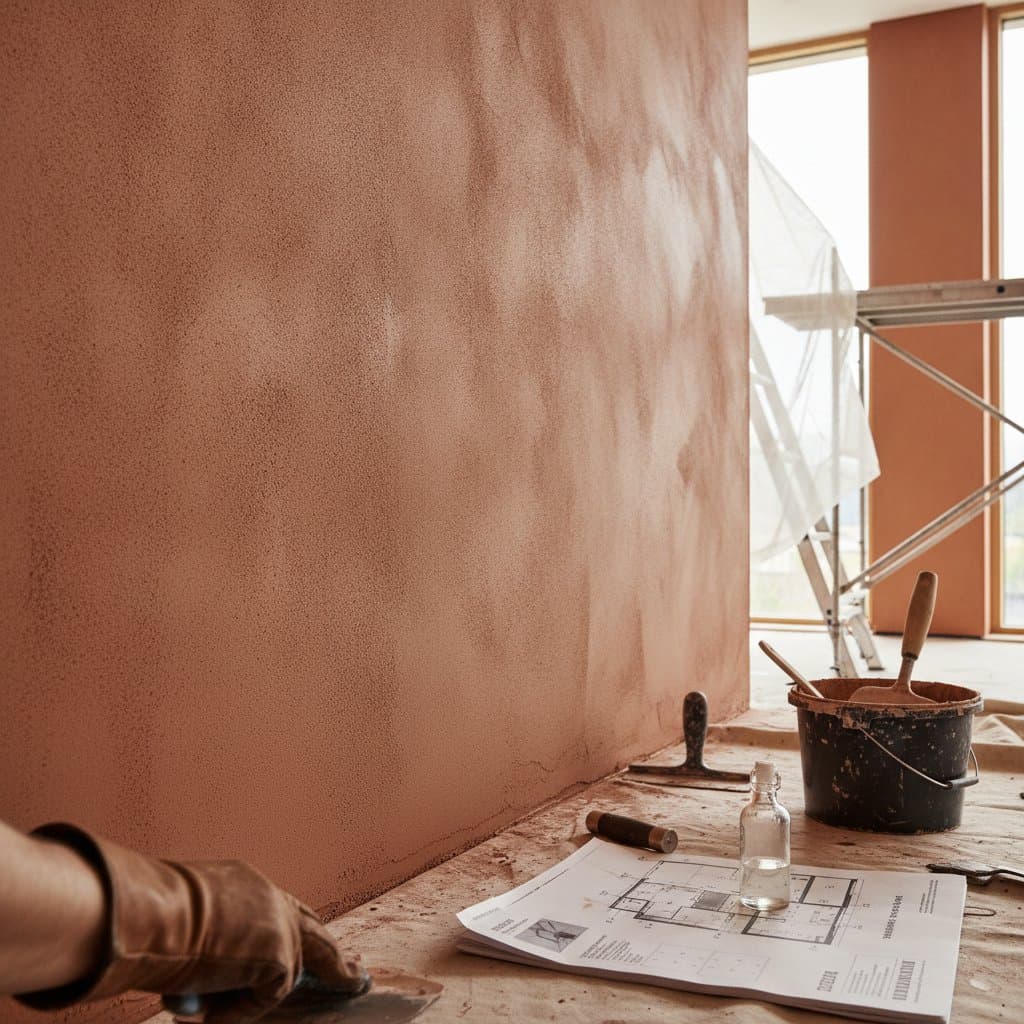
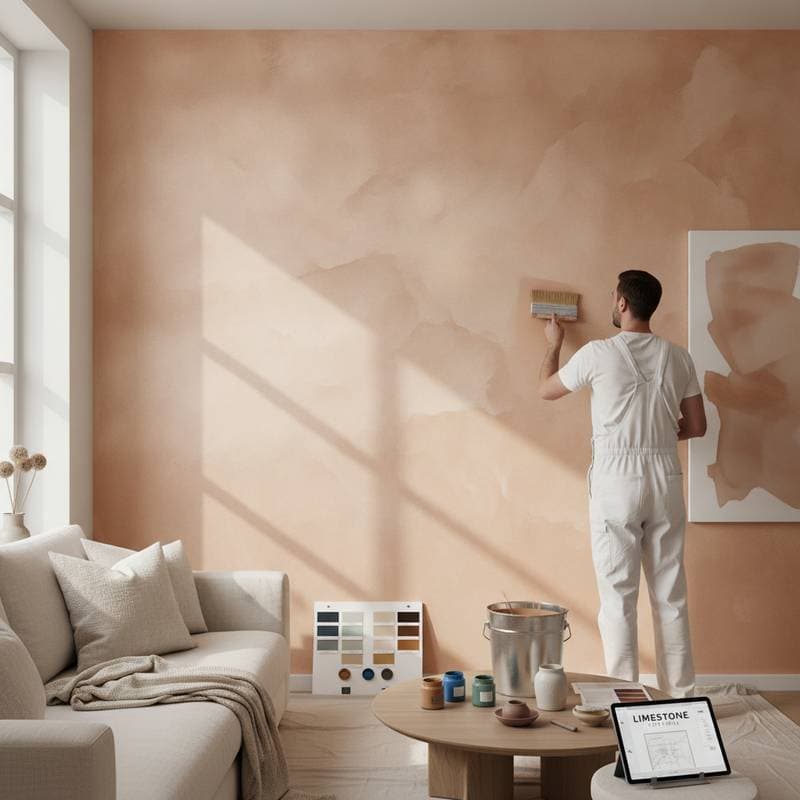
Traditional limewash involves multiple thin coats applied with wide brushes in overlapping strokes. Skilled painters create a clouded, layered appearance that mimics natural stone. The more intricate the technique, the higher the labor cost. Specialty finishes or color layering can raise prices by 20 to 40 percent.
3. Surface Area and Height
Large rooms or walls with vaulted ceilings require more time and material. High or hard-to-reach areas call for scaffolding or ladders, which increases labor time and safety measures.
4. Color Choice and Pigmentation
Natural limewash pigments come in a range of earthy tones, from soft beiges to rich charcoals. Custom tints or deep hues often require additional pigment layers, slightly increasing material costs. Expect to pay an extra $50 to $150 for bespoke color formulations.
5. Regional Labor Rates
Labor costs vary by region. In urban areas or high-demand markets, professional limewash painters might charge closer to the upper range of $8 to $10 per square foot, while rural regions often see lower rates.
Primary Cost Drivers
Material Quality
True limewash paint, made from crushed limestone and natural pigments, differs significantly from synthetic imitations. Higher-quality limewash offers better breathability, mineral bonding, and color depth. While authentic limewash may cost more upfront, it provides better longevity and a more natural finish.
Labor Skill and Experience
Limewash is not a typical painting job. It demands a careful hand and understanding of how the paint interacts with surfaces. Hiring experienced professionals ensures proper layering and drying times, preventing streaking or uneven results. Skilled artisans typically charge higher rates, reflecting their expertise.
Preparation and Priming
Walls that have never been limewashed require careful priming to ensure adhesion. Porous surfaces may absorb more paint, increasing material use. Proper preparation prevents peeling or chalking, making this stage essential to the longevity of the finish.
Surface Texture
Rough or uneven surfaces absorb paint differently than smooth walls. While this can add character, it also requires more product. Homeowners should expect higher costs for textured or irregular surfaces.
Money-Saving Strategies
Homeowners drawn to limewash can manage costs without compromising quality through a few smart choices.
1. Prepare Walls Yourself
Cleaning and lightly sanding walls before painters arrive can save between $100 and $200 in labor.
2. Choose Standard Colors
Opt for pre-mixed natural hues rather than custom tints. This reduces pigment costs and ensures consistency across walls.
3. Focus on Accent Walls
Instead of coating an entire room, apply limewash to one feature wall. A 100-square-foot accent can deliver the same dramatic effect for half the price.
4. Schedule During Off-Peak Seasons
Painting companies often offer competitive rates when demand slows. Booking during these times can reduce labor costs by 10 to 20 percent.
5. Maintain Proper Care
Limewash can last for many years with minimal upkeep. Avoid harsh cleaners and instead use gentle, non-abrasive methods to extend the life of the finish.
DIY vs Professional Limewash Application
Some homeowners consider limewashing as a DIY project. While this can save on labor, it requires patience and skill. Limewash behaves differently from latex paint, often drying lighter and creating unpredictable patterns. Without experience, achieving even coverage can be challenging.
DIY Costs
A gallon of limewash paint averages $60 to $120, covering roughly 300 square feet. Including brushes, primer, and protective gear, a DIY project for a small room might cost around $200 to $300.
Professional Costs
Hiring professionals typically costs $600 or more per room, depending on finish complexity. The investment assures expert blending, consistent texture, and lasting durability.
For homeowners new to decorative finishes, professional application often yields superior results and better long-term value.
Planning Your Limewash Project
Limewash paint brings texture, warmth, and timeless character to interior spaces. Before starting, evaluate goals and budget carefully. Collect inspiration images, discuss desired color tones with a painter, and confirm the number of coats needed for the preferred look.
Schedule an initial consultation to assess wall conditions and receive a detailed estimate. Experienced professionals can advise on color options, finish variations, and care instructions tailored to the home environment. Once applied, limewash transforms ordinary walls into living surfaces that shift beautifully with natural light.
Frequently Asked Questions
What is the average cost for limewash paint in a typical room?
Most homeowners spend around $600 for a standard room. Prices range from $4 to $10 per square foot, depending on surface preparation, material quality, and finish complexity.
When is the best time to start a limewash painting project for lower costs?
Off-peak seasons, when painting demand slows, often bring better rates and easier scheduling. Cooler, dry conditions also help limewash cure evenly and maintain its soft, natural appearance.