The Hidden Costs of DIY Popcorn Ceiling Removal: Why It Often Exceeds $800
Popcorn ceilings defined mid-century homes with their textured appeal, yet today's homeowners often see them as relics that collect dust and complicate painting. Scraping away this bumpy finish promises a sleek, contemporary look that opens up rooms visually. However, what starts as a cost-saving DIY endeavor frequently balloons into a project demanding significant investment in time and resources, with totals climbing past $800 even for modest spaces.
Homeowners underestimate the layers involved: not just the physical labor of scraping, but also securing the area, testing for hazards, and restoring the surface afterward. This complexity arises from varying ceiling conditions and the need for specialized supplies. Before starting, evaluate these elements to set realistic expectations and avoid mid-project budget shortfalls.
Cost Breakdown per Square Foot
DIY popcorn ceiling removal generally ranges from $1 to $3 per square foot when accounting for all essentials. This figure encompasses materials for scraping and covering, tools for safe execution, waste management, and subsequent surface preparation. Factors like the ceiling's age, texture density, and potential contaminants such as asbestos influence the final amount.
To calculate your estimate, first measure the room's dimensions. For instance, a 12-by-20-foot bedroom totals 240 square feet; at $2 per square foot, the base cost hits $480 before extras. Adjust upward for thicker textures or multi-room projects, which demand more supplies and effort.
The breakdown includes:
- Materials: $0.50 to $1.00 per square foot for scrapers, chemical removers, plastic drop cloths, and joint compound.
- Tools and equipment: $0.25 to $0.75 per square foot covering ladders, extension poles, sanders, and vacuums.
- Disposal and cleanup: $0.25 to $0.50 per square foot for trash bags, dumpster fees if needed, and thorough dusting.
- Repair and finishing: $0.50 to $1.25 per square foot for patching holes, sanding imperfections, and priming for paint.
Detailed Cost Analysis by Category
Costs fluctuate based on project scale and quality choices. Basic setups suit small, simple jobs, while premium options ensure durability and safety. Review this table to align spending with your goals.
| Category | Basic Range | Standard Range | Premium Range | Key Differences |
|---|---|---|---|---|
| Materials | $100 - $200 | $200 - $350 | $350 - $500 | Depends on room size and remover type |
| Equipment | $150 - $250 | $250 - $400 | $400 - $600 | Factors in rentals versus purchases |
| Safety Testing | $0 - $100 | $100 - $250 | $250+ | Includes home kits or expert inspections |
| Repairs and Finishing | $100 - $300 | $300 - $500 | $500+ | Varies by damage extent and finish level |
For a 250-square-foot area, standard ranges suggest $850 to $1,500 total. Opt for basic if testing confirms no hazards; choose premium for older homes requiring certified abatement.
Value and ROI Considerations
Beyond aesthetics, popcorn removal enhances home functionality by simplifying maintenance and improving light reflection. Smooth ceilings create an illusion of height and space, appealing to buyers in competitive markets. Studies indicate such updates can boost resale value by 1 to 3 percent, though returns depend on overall home condition.
The real payoff lies in faster sales: properties with modern finishes attract more offers. Weigh this against DIY hassles; if time equals money, professional intervention might yield higher net gains through superior results and avoided errors.
Planning Your Budget
Effective budgeting starts with precise measurements. Use a tape measure to outline each room's perimeter, then compute area by length times width. Multiply by $2 per square foot as a midpoint estimate to establish your foundation.
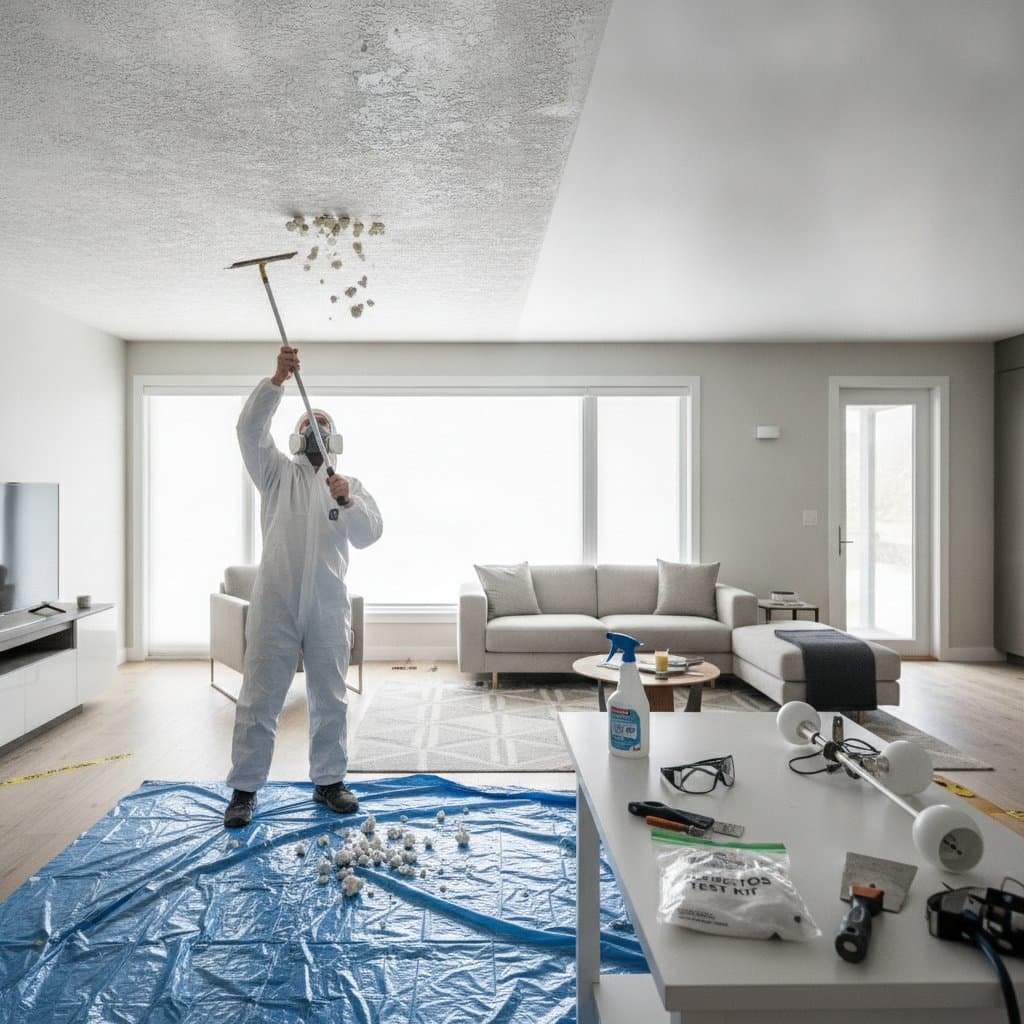
Next, factor in gear essentials. Protective suits, respirators, and goggles prevent health risks from dust and chemicals; budget $50 to $100 for these reusables. Rent ladders or sprayers from home centers to cut ownership costs, typically $20 to $50 daily.
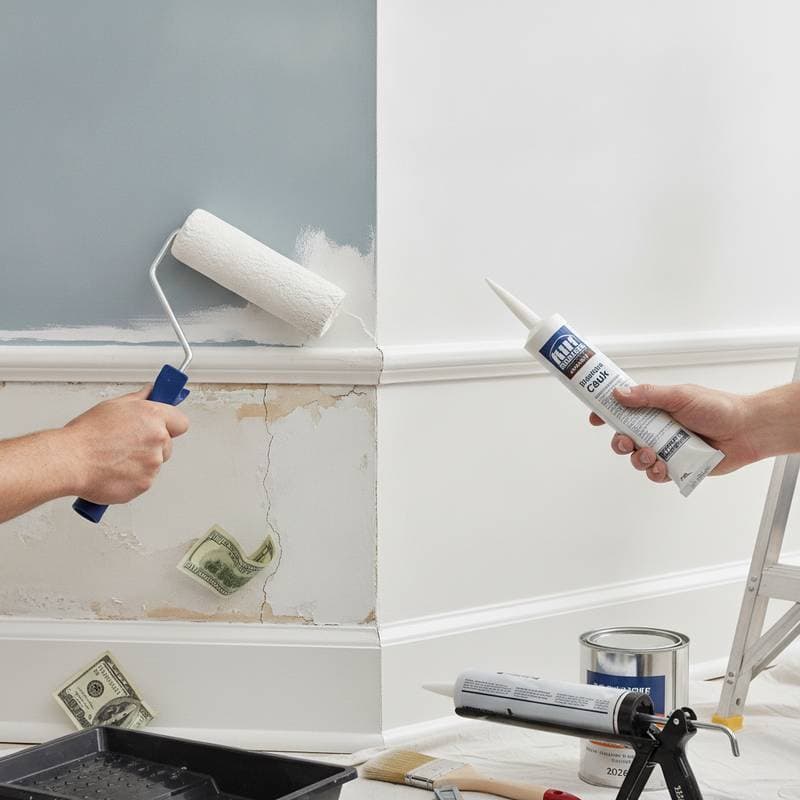
Anticipate surface work post-scraping. Drywall often sustains gouges requiring mesh tape and setting compound; allocate $100 minimum for these. Prime the ceiling twice for even paint adhesion, adding another $50 in supplies.
Build in a contingency of 15 to 20 percent. This covers surprises like concealed wiring damage or adhesive residue demanding extra solvents. Track expenses via a spreadsheet to monitor progress and adjust as needed.
Finally, solicit professional bids for comparison. Contact three local contractors for quotes; their insights reveal if DIY truly saves or if expertise streamlines the process. This step informs whether to proceed solo or delegate.
Weighing DIY Against Professional Services
DIY suits handy individuals tackling small areas without hazards. It empowers control over pace and customization, potentially halving labor costs. Success hinges on preparation: seal vents, cover floors meticulously, and work in sections to manage dust.
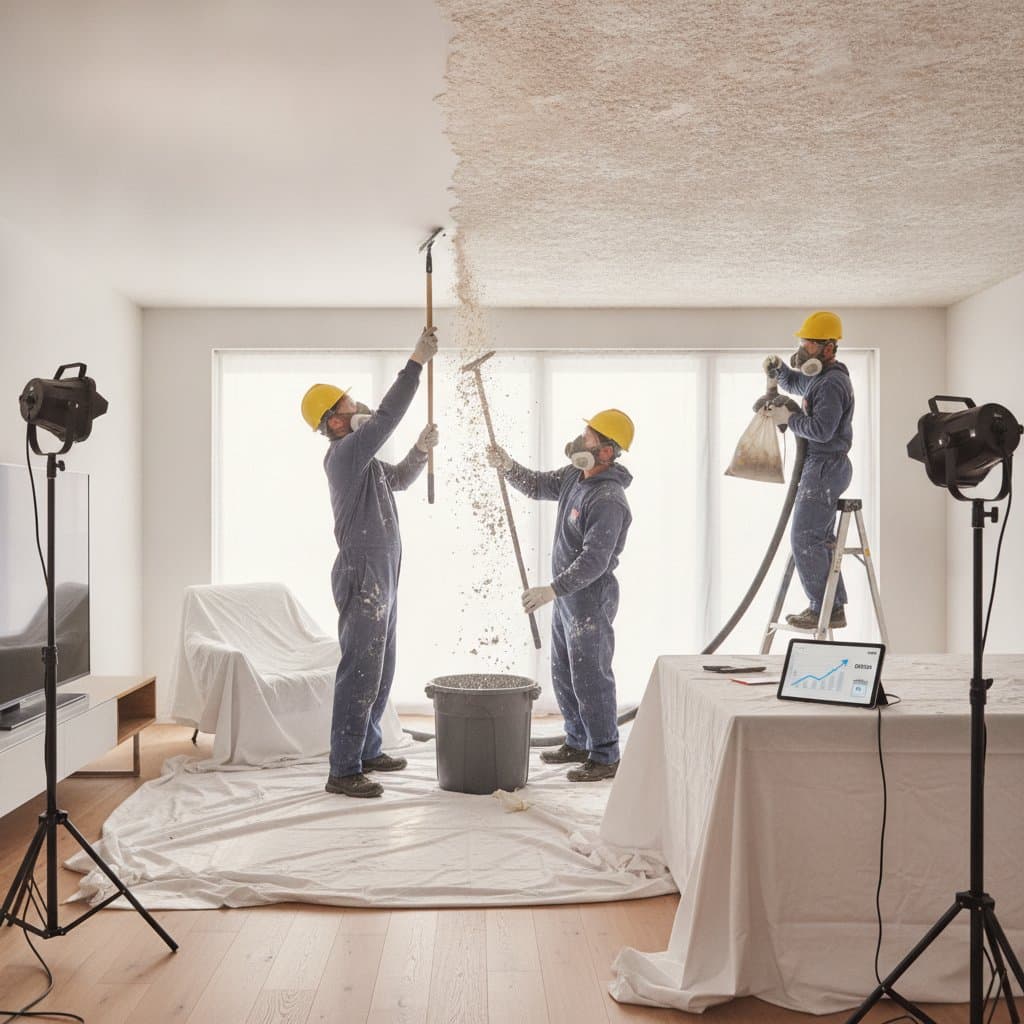
Professionals excel in complex scenarios, handling testing, containment, and flawless finishes. Their efficiency minimizes downtime, often completing jobs in days versus weeks. For ceilings over 10 feet or asbestos suspicions, experts ensure compliance and safety, preventing legal or health issues.
Consider your skill level and timeline. If perfection matters for selling soon, pros deliver reliability. Otherwise, DIY builds satisfaction alongside savings, provided you follow safety protocols rigorously.
Frequently Asked Questions
What is the average cost for popcorn ceiling removal?
DIY efforts average $1 to $3 per square foot, translating to $600 to $800 for a 250-square-foot room when including all phases. Professionals charge $1.50 to $3 per square foot, incorporating testing, disposal, and polished results that reduce future touch-ups.
What factors have the biggest impact on popcorn ceiling removal costs?
Ceiling age and composition dominate: asbestos demands specialized handling, inflating expenses by 50 percent or more. Layered paint or water stains require additional stripping and repairs, while room access affects tool needs and cleanup volume.
How can I save money on popcorn ceiling removal without sacrificing quality?
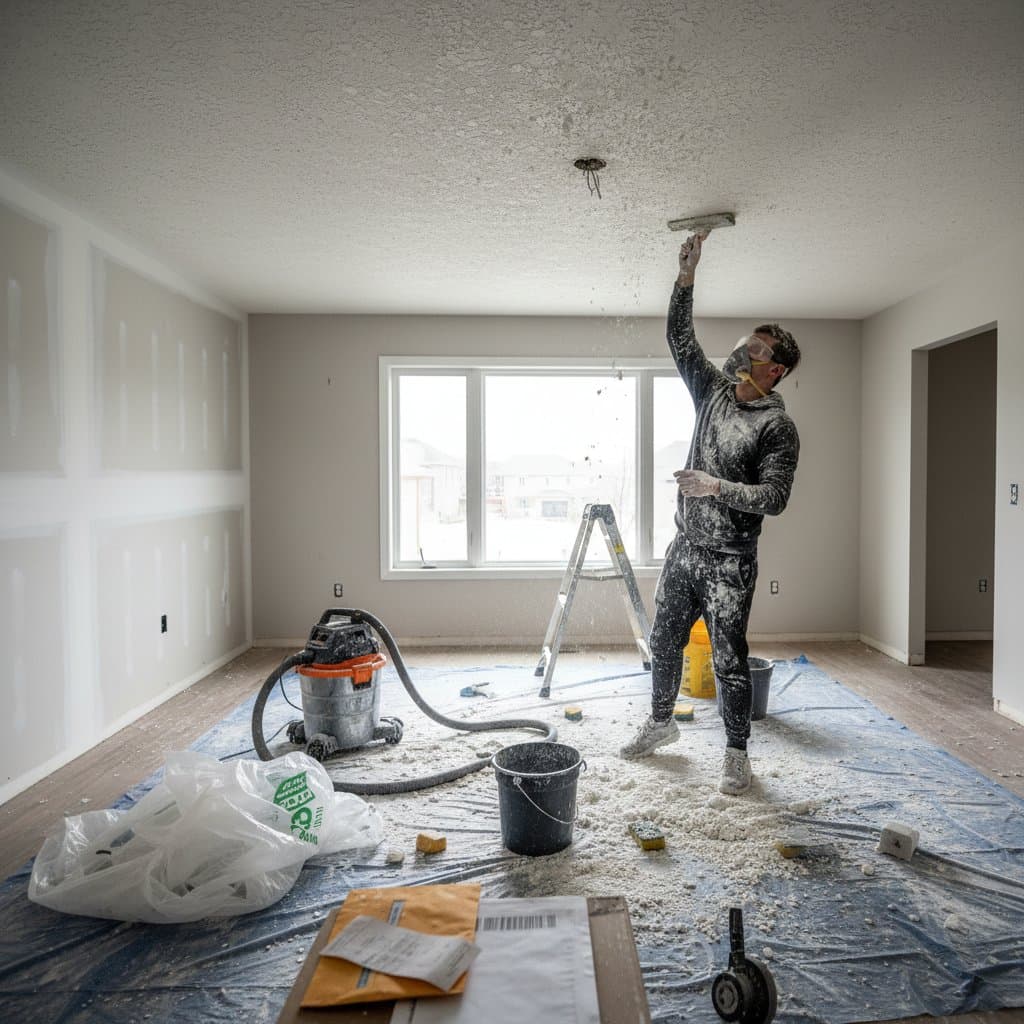
Rent equipment instead of buying, and source materials from discount suppliers. Pre-test for hazards with affordable kits to skip unnecessary services. Perform cleanup yourself using shop vacs and HEPA filters, but never bypass protections that could lead to health claims or rework.
Should I hire professionals or attempt this as a DIY project?
Opt for DIY in low-risk, compact spaces where you possess basic tools and patience. Engage pros for expansive areas, high ceilings, or pre-1980 homes prone to asbestos. Their warranties and insurance provide peace of mind, often offsetting the premium through avoided mistakes.
How do I budget for unexpected costs in popcorn ceiling removal?
Reserve 15 to 20 percent of your estimate for variables like structural flaws or supply price hikes. Document the project with photos to justify adjustments. This approach keeps momentum without derailing finances midway.
When is the best time to start popcorn ceiling removal for the lowest costs?
Target late winter or early spring when contractor demand dips, securing off-season rates. For DIY, select dry seasons with stable humidity to ease scraping and speed drying. Avoid peak summer heat, which intensifies dust and discomfort.