Understanding the Limewash Surge and Its Impact on Paint Costs
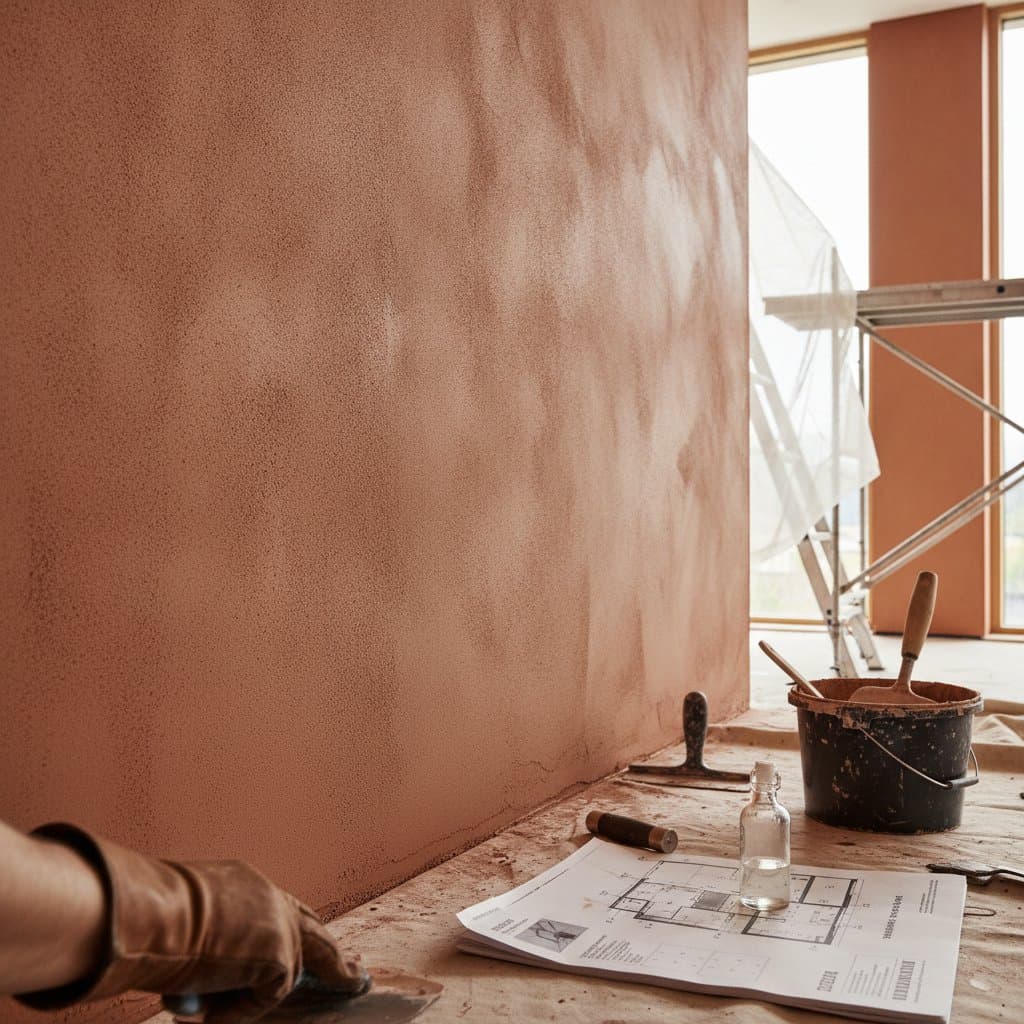
The design community is increasingly drawn to limewash for its textured, velvety finish. This material enhances homes, studios, and commercial spaces with a soft depth that translates well in both physical settings and photographic captures. As adoption grows among designers, homeowners, and builders, the paint sector experiences significant shifts. Supply constraints emerge for what was once a specialized product, leading to elevated prices.
Those considering limewash application may wonder about the abrupt cost increases. How can one attain the desirable chalky texture while managing expenses? This examination reveals the underlying causes, current market dynamics, and strategies for informed design decisions.
Factors Driving the Tripling of Costs
The rapid rise in limewash popularity has generated intense demand against constrained production and specialized requirements. Paint producers struggle to scale output, as limewash differs from conventional latex paints in its manufacturing process.
The primary cost drivers include the following elements.
1. Material Complexity
Limewash derives from natural lime putty, which requires extended aging and curing periods prior to formulation. This timeline necessitates meticulous storage conditions. In contrast to synthetic paints that allow rapid mixing, limewash production involves deliberate pacing. Consequently, manufacturers incur elevated inventory expenses, which transfer to consumer pricing.
2. Constrained Supply Chain
A limited number of facilities produce genuine limewash on a commercial scale. Surging orders strain these operations, resulting in raw material deficits and heightened transportation fees. International sourcing introduces additional complications, such as regulatory compliance for shipments and specialized packaging to preserve product integrity.
3. Specialized Labor and Application Demands
Limewash application requires precise techniques, including the use of thin, overlapping brush strokes to achieve dynamic patterns. Painters without prior experience often undergo targeted training sessions. Such preparation extends project durations and inflates labor estimates. Contractors frequently incorporate contingencies in proposals to account for possible adjustments during execution.
4. Influence of Marketing and Trends
Prominent designers and social media influencers position limewash as an essential aesthetic element. Features in publications and visual media amplify interest, prompting successive demand waves. As a finish gains status as a requisite for modern style, economic pressures naturally elevate its market value.
Broader Implications for the Paint Industry
Heightened focus on a single finish reverberates through related sectors. Producers reallocate resources, distributors modify inventories, and end users encounter price adjustments. The following outlines limewash's influence on the wider landscape.
Raw Material Pressures
Essential components like lime, marble dust, and mineral pigments face procurement challenges. This scarcity elevates expenses for comparable products, such as Venetian plaster and chalk paint formulations.
Evolving Color Preferences
Design palettes now emphasize subtle neutrals, stone-inspired whites, and restrained earth shades. Traditional paint ranges respond by launching matte variants inspired by limewash aesthetics. These options replicate the visual effect at reduced costs, though they lack the authentic mineral composition.
Expansion in Professional Development
Painters pursue specialized courses to refine limewash skills. This surge in training elevates hourly rates in the short term. Over time, increased proficiency among practitioners will contribute to market equilibrium.
Advances in Product Formulation
Manufacturers innovate with hybrid compositions that merge mineral textures with acrylic resilience. These variants offer quicker drying times, simplified application, and lower price points compared to traditional limewash. Such developments provide versatile choices for residential projects.
Translating Studio Techniques to Residential Spaces
Experience in illuminated studio environments highlights the importance of finishes that perform consistently across lighting conditions. Limewash succeeds here by diffusing light in organic patterns. In production settings, rapid transformations of large areas demanded finishes that conveyed immediate ambiance and dimension; limewash consistently met these needs.
Applying these principles to residential interiors yields similar benefits. The material imparts a sense of openness to compact rooms through gentle light reflection. It also conceals surface imperfections that brighter sheens might accentuate. Homeowners frequently describe limewashed surfaces as dynamic and engaging, fostering a profound connection to their surroundings.
Maintaining Limewash for Long-Term Appeal
After installation, limewash develops further as it cures, revealing nuanced tonal shifts that enhance its character over months. This evolving quality distinguishes it from uniform synthetic alternatives, which maintain a fixed appearance.
To preserve the finish:
- Remove dust using a soft, dry cloth to avoid moisture introduction.
- Steer clear of abrasive or chemical-based cleaners, which may erode the delicate layer.
Such care ensures the material retains its sophisticated patina, blending historical resonance with contemporary vitality.
Achieving Timeless Design Amid Rising Costs
Although limewash expenses climb due to market pressures, strategic approaches enable access to its allure. Explore hybrid paints or localized artisans for cost-effective implementations. Prioritize planning that balances authenticity with practicality. In this way, interiors can embody genuine inspiration tailored to individual visions, proving that thoughtful execution transcends budgetary limits.