2026's Emerging Kitchen Colors: Terracotta and Clay Pink
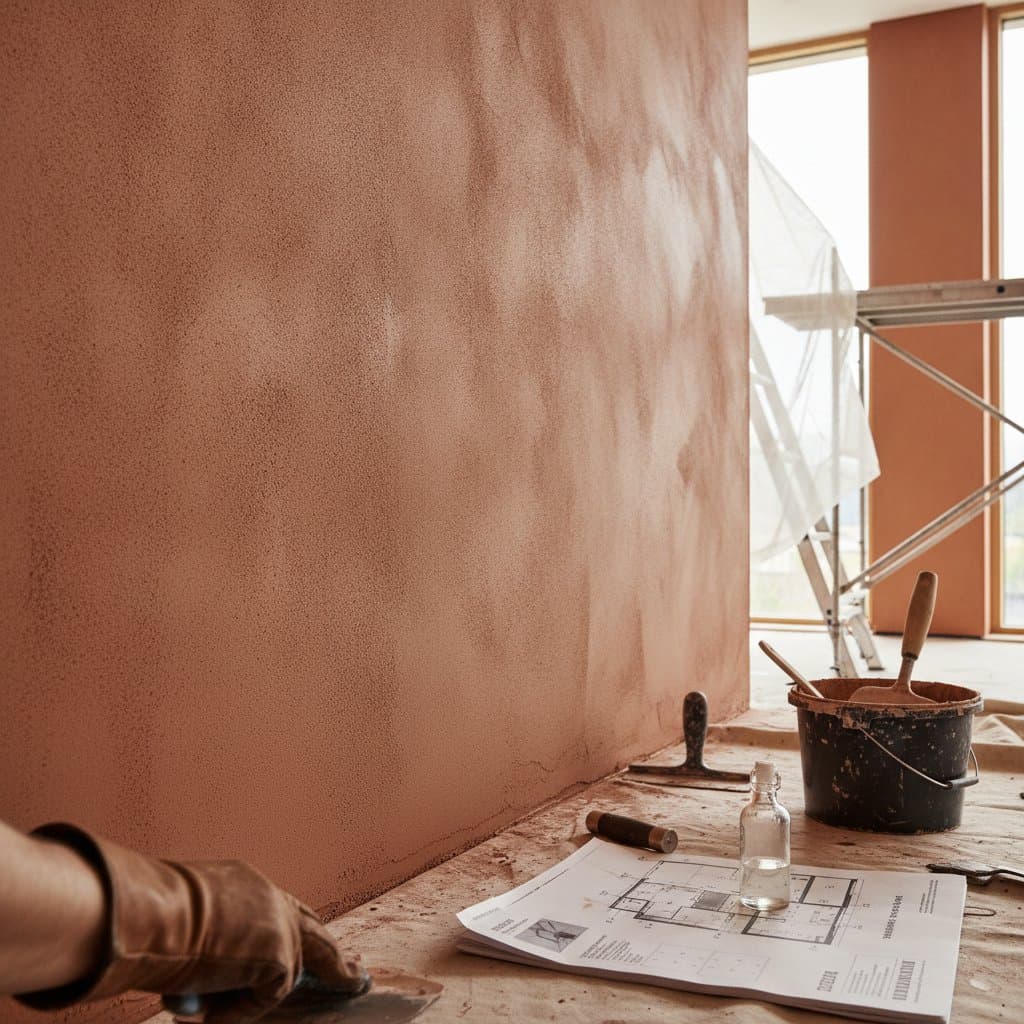
Kitchen color trends evolve between daring innovations and enduring favorites. For 2026, terracotta and clay pink rise as unexpected yet compelling choices. These shades infuse spaces with warmth, depth, and organic allure, turning kitchens into welcoming havens of subtle elegance.
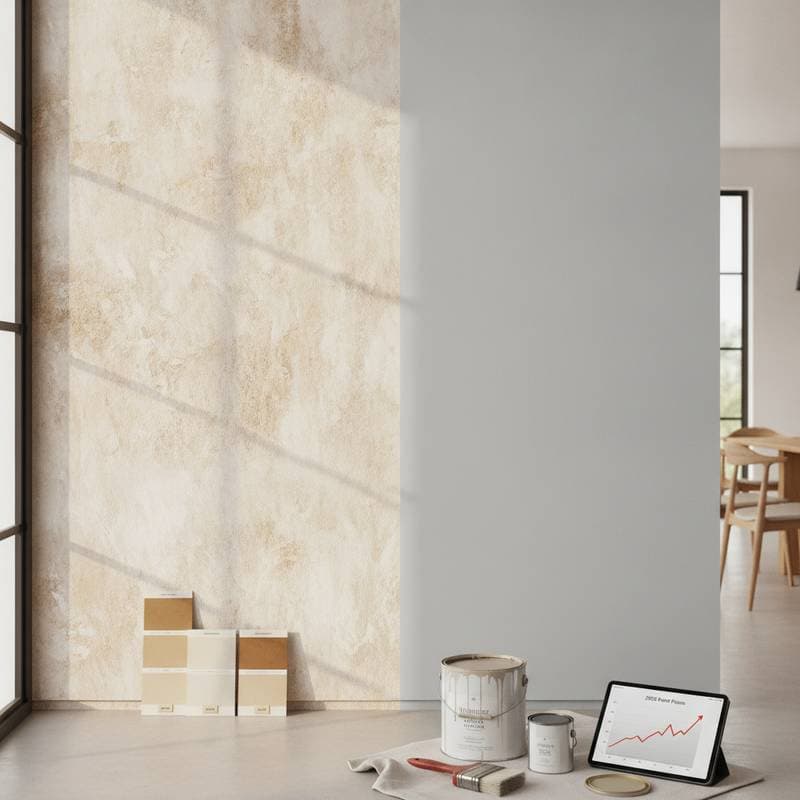
This resource examines the financial aspects, aesthetic advantages, and practical elements of incorporating terracotta and clay pink into kitchen painting initiatives. It covers budgeting influences, cost drivers, and techniques for securing a flawless, professional outcome that elevates property worth over time.
Key Factors Influencing Kitchen Painting Costs
Each kitchen presents distinct challenges that shape project expenses. Grasping these elements enables homeowners to establish accurate financial plans.
1. Paint Quality and Finish Options
Superior paints featuring robust pigments prove vital for nuanced earthy shades such as terracotta and clay pink. Budget options might demand extra layers for complete opacity. Brands offering integrated primers or scrub-resistant formulas command higher initial prices, ranging from $50 to $90 per gallon, yet provide superior vibrancy and defense against kitchen moisture.
2. Surface Preparation Requirements
Thorough groundwork remains essential in areas prone to cooking residues. Removing grease buildup, smoothing imperfect drywall, and addressing water damage occur prior to any application. Expert preparation services contribute $100 to $400, scaled to the existing surface state.
3. Design Intricacies
Elements like feature walls, cabinetry contrasts, or dual-color schemes extend labor duration. For instance, integrating a clay pink backsplash highlight against terracotta walls involves precise taping and fine detailing. Such arrangements typically raise costs by 10% to 20%.
4. Local Labor Variations
Workforce rates differ by geographic demand. Metropolitan regions with elevated painter scarcity impose $60 to $100 hourly, whereas rural locales align nearer to $40 to $70 per hour.
5. Application Methods
Spraying yields seamless results but necessitates extensive masking and safeguards. Brushing or rolling suits cabinet-adjacent zones more readily. Employing spray methods increments the budget by $200 to $400.
The Appeal of Terracotta and Clay Pink in Kitchen Settings
These colors gain traction through their fusion of contemporary flair and lasting versatility. They deliver inherent coziness that anchors the kitchen while introducing vitality.
Terracotta evokes the soothing quality of sun-warmed earth, echoing Mediterranean villas and artisanal ceramics. It harmonizes seamlessly with granite surfaces and golden hardware.
Clay pink introduces a gentle, grounded flush, blending subtle earthiness with wood grains or crisp cabinetry. Distinct from bolder pinks, it conveys refined neutrality over whimsy.
Combined, the duo fosters organic synergy, modernity, and approachability.
Strategies to Control Project Expenses
Homeowners achieve savings through deliberate planning without compromising standards.
-
Handle Initial Preparation Independently: Wipe down surfaces, eliminate oils, and mend minor imperfections ahead of professional arrival to trim $100 to $250 from fees.
-
Time Projects for Off-Season Periods: Painting requests dip in winter, allowing negotiations for discounted rates.
-
Procure Paint in Volume: Larger quantities or batch-matched gallons maintain uniformity while lowering unit pricing.
-
Focus Accents for Efficiency: Designate one wall in terracotta amid neutral surroundings to preserve drama with reduced resources.
-
Select Resilient Coatings: Initial investment in easy-clean varieties postpones subsequent repaints.
Weighing Professional Services Against DIY Efforts
Benefits of Professional Application
Experts guarantee uniform layers, accurate shade matching, and extended performance. They manage airflow, humidity mitigation, and crisp edges near appliances. Specialized primers fortify against steamy conditions.
Considerations for DIY Approaches
Self-directed painting slashes expenses by 30% to 50%, though it demands commitment, equipment, and skill. Individuals oversee decontamination, securing, and layered builds. Inadequate groundwork risks patchy terracotta or fading clay pink.
Expense and Outcome Overview
| Method | Estimated Total Cost | Completion Timeline | Expected Durability |
|---|---|---|---|
| Professional | $2,200 - $4,000 | 2-4 days | 8-10 years |
| DIY | $900 - $2,000 | 4-7 days | 4-6 years |
Opting for professionals secures depth and resilience, crucial for these layered tones.
Essential Design Pairings
Integrating terracotta and clay pink with supportive elements yields unified aesthetics. Consider these pairings:
-
Terracotta walls alongside pale oak storage for inherent glow.
-
Clay pink highlights with subdued dark fixtures for contemporary edge.
-
Terracotta tiling against pale stone slabs for sharp definition.
-
Clay pink base units beneath subdued overhead planes for equilibrium.
Launching Your Kitchen Refresh
Begin by assessing your space's dimensions, current state, and preferred style. Consult color samples under natural light to confirm terracotta and clay pink suitability. Develop a budget incorporating preparation, materials, and labor; allocate 10% for unforeseen adjustments.
Select a trusted painting team experienced in humid environments. Review portfolios for similar earthy applications. Schedule consultations to discuss timelines, warranties, and customization options. With careful execution, your kitchen gains timeless allure and enhanced market appeal.
Common Questions on Kitchen Color Updates
1. What budget range applies to painting a kitchen in terracotta or clay pink?
Projects typically range from $1,200 to $4,000, influenced by area size, repair needs, and material grades. Compact layouts stay affordable, while expansive or detailed setups approach the upper limit.
2. Which elements most affect painting expenses?
Material excellence, workforce pricing, groundwork extent, and layout sophistication dominate. High-pigment formulas for these shades elevate supplies yet streamline application layers.
3. In what ways can expenses be minimized?
Perform routine cleaning and fixes personally, align timing with low-demand seasons, and prioritize long-wear surfaces. Restricting color zones or omitting cabinet updates further conserves funds.
4. Is professional help preferable to self-painting?
Specialists produce refined, enduring outcomes, particularly for blended warms needing precision. Self-efforts economize but require meticulous steps. In moisture-heavy kitchens with fixtures, expertise justifies the outlay.
5. How should one prepare for surprise costs?
Reserve 10% of the planned sum for variables like concealed flaws, additional bases, or modifications. Such foresight maintains project momentum.
6. When does initiating a paint job yield savings?
Winter periods see reduced bookings, facilitating rate reductions. Mild temperatures aid drying without vapor interference.