Unlocking the Value of a Level 5 Drywall Finish for Home Buyers
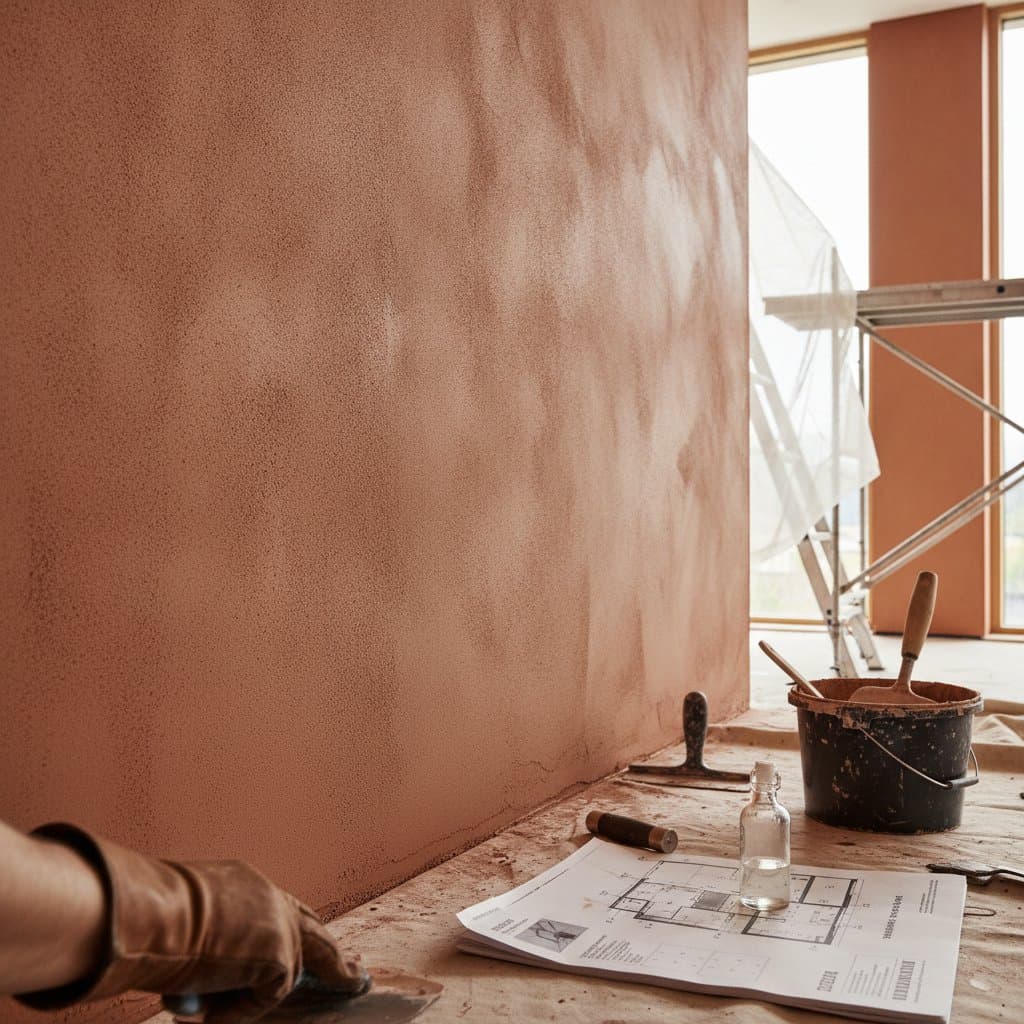
A Level 5 drywall finish stands as the pinnacle of smoothness in residential wall preparation. This technique involves applying multiple layers of joint compound across the entire surface, followed by meticulous sanding, to erase all seams, joints, and imperfections. Homeowners pursue this finish not merely for aesthetics but to signal superior craftsmanship that resonates with prospective buyers. Professionals typically charge around $800 for an average room, though expenses fluctuate based on several key variables.
Average Cost Ranges by Room Size
Room dimensions play a central role in determining overall expenses. Contractors assess square footage to estimate materials and labor needs accurately.
- Small room (up to 200 square feet): $600 to $900
- Medium room (200 to 400 square feet): $800 to $1,400
- Large room (400 to 600 square feet): $1,400 to $2,200
These figures encompass both materials and labor. Variations arise from project intricacies, existing wall states, and prevailing regional wages.
Cost Breakdown per Square Foot
Homeowners generally encounter rates of $2.00 to $4.50 per square foot for Level 5 work. This comprehensive pricing covers essential components that ensure a durable, flawless result.
- Materials: $0.50 to $1.25 per square foot, including joint compound, tape, and sandpaper.
- Labor: $1.00 to $2.50 per square foot, reflecting skilled application and finishing techniques.
- Preparation and sanding: $0.25 to $0.75 per square foot, accounting for surface cleaning and multiple sanding passes.
- Additional factors and detailing: $0.25 to $0.50 per square foot, for elements like corner treatments or repairs.
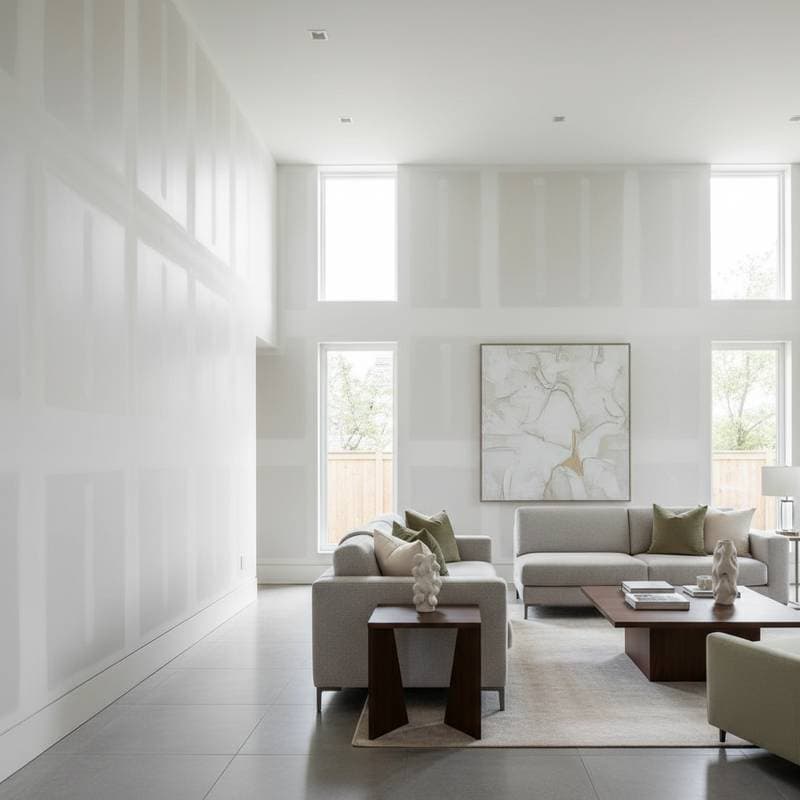
The outcome yields walls that appear impeccable regardless of illumination, suiting contemporary designs with expansive windows or focused lighting.
Detailed Cost Analysis by Finish Category
Understanding comparisons among finish levels aids in appreciating Level 5's premium positioning. The table below outlines pricing tiers and distinctions.
| Finish Level | Basic Range | Standard Range | Premium Range | Key Differences |
|---|---|---|---|---|
| Level 3 | $1.00 - $1.75 per sq. ft. | $1.75 - $2.25 per sq. ft. | $2.25 - $2.75 per sq. ft. | Sanded joints with visible texture; ideal for walls that will receive heavy paint or wallpaper. |
| Level 4 | $1.50 - $2.50 per sq. ft. | $2.50 - $3.25 per sq. ft. | $3.25 - $3.75 per sq. ft. | Smooth surface with slight variations; suitable for flat or eggshell paints in low-light areas. |
| Level 5 | $2.00 - $3.50 per sq. ft. | $3.50 - $4.25 per sq. ft. | $4.25 - $5.00 per sq. ft. | Full skim coat for absolute seamlessness; perfect for glossy paints and high-scrutiny environments. |
Level 5 demands extra steps, such as a thin skim coat over the whole wall, which justifies its higher cost through enhanced durability and visual perfection.
Why Home Buyers Value Level 5 Finishes
Prospective buyers perceive Level 5 finishes as indicators of meticulous construction and long-term maintenance. Even without technical knowledge, they notice the absence of flaws, associating it with upscale quality. This effect proves most pronounced in well-lit spaces, where imperfections on lesser finishes become evident.
In terms of market advantage, properties with Level 5 walls capture superior photographs for listings and create an inviting atmosphere during viewings. The initial outlay recoups value by supporting elevated listing prices or expediting sales. Real estate experts note that such refinements can differentiate a home in competitive markets, appealing to discerning purchasers seeking move-in-ready elegance.
Money-Saving Strategies for a Level 5 Finish
Premium services like Level 5 finishing require thoughtful planning to control expenses while preserving standards. Implement these approaches to optimize your investment.
- Focus on visible zones: Reserve Level 5 for prominent areas such as entryways, dining spaces, or master bedrooms where light exposure highlights details. Opt for Level 4 in less noticeable rooms to balance quality and budget.
- Handle preliminary preparations: Clear furniture, protect floors, and remove wall hangings yourself. This minimizes contractor time spent on setup, directly lowering labor charges.
- Bundle multiple tasks: Coordinate Level 5 finishing with painting or broader renovations across several rooms. Contractors often provide discounts for comprehensive projects, streamlining efficiency.
- Vet contractors thoroughly: Select firms with proven Level 5 expertise through portfolios and references. Their proficiency reduces errors, material waste, and the need for revisions.
- Time projects strategically: Avoid high-demand periods like spring or summer. Off-season scheduling, such as fall or winter, frequently yields reduced rates due to lighter workloads.
These tactics enable homeowners to attain professional-grade results without exceeding financial limits.
Professional vs. DIY Level 5 Finishing
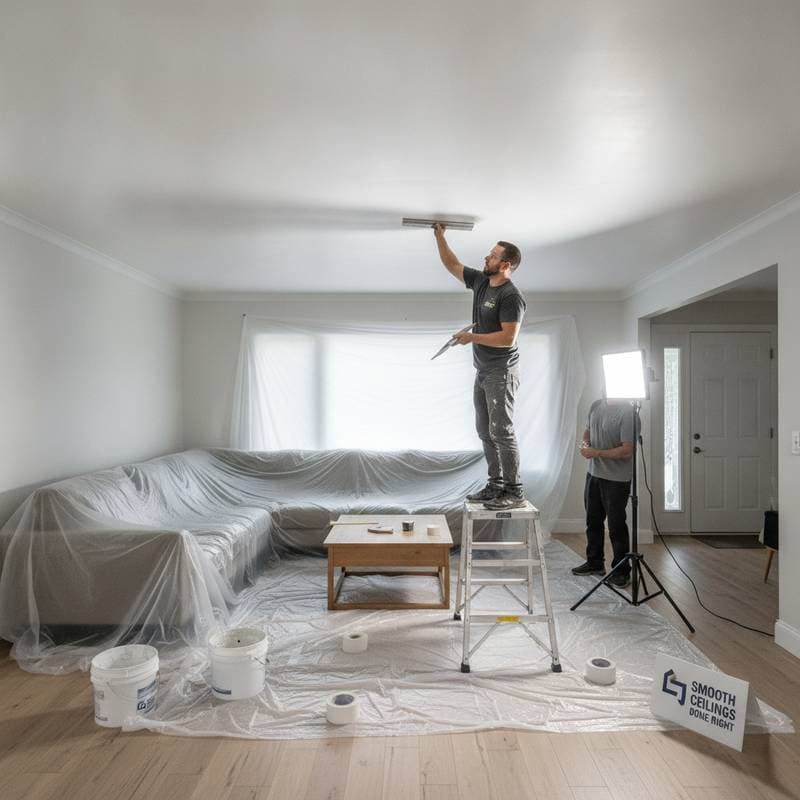
Achieving a true Level 5 finish demands precision that favors professional involvement over amateur efforts. Contractors bring specialized tools, such as wide trowels for even skim coating and industrial sanders for uniform texture. They also apply industry standards from the Gypsum Association, ensuring consistency across large surfaces.
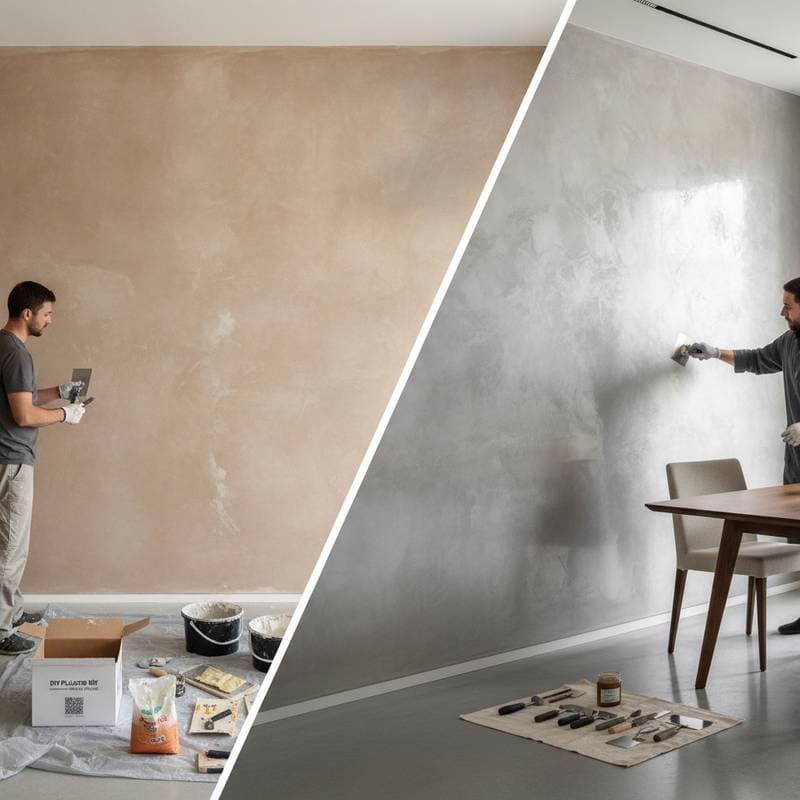
DIY attempts, while tempting for cost savings, often fall short due to the labor-intensive process: three to four compound applications, drying intervals, and progressive sanding grits from coarse to fine. Inexperienced users risk uneven layers that bubble under paint or create visible ridges. Moreover, errors compound during painting, leading to rework costs that surpass professional fees.
Professionals guarantee compliance with building codes and warranties against defects, providing peace of mind. For those considering DIY, start with smaller practice areas, but recognize that full-room Level 5 typically requires hiring experts to avoid subpar outcomes.
Steps to Get Started with Your Level 5 Project
Launching a Level 5 finishing initiative involves systematic planning to ensure smooth execution and value realization.
- Evaluate your space: Measure room square footage and inspect walls for damage like cracks or moisture. Determine which areas warrant Level 5 based on lighting and usage.
- Research local providers: Obtain quotes from at least three licensed contractors, reviewing their experience with premium finishes. Inquire about timelines, materials, and post-job cleanup.
- Set a realistic budget: Calculate base costs using per-square-foot rates, adding 10 to 15 percent for contingencies. Factor in complementary services like priming.
- Schedule inspections: Arrange for a pre-work assessment to identify hidden issues. Confirm permits if structural changes accompany the finishing.
- Monitor progress: Visit the site periodically to verify quality. Upon completion, test walls under various lights before final painting.
Following these steps positions your project for success, yielding walls that enhance your home's allure and marketability.
Frequently Asked Questions
What is the average cost for a Level 5 drywall finish?
Most projects range from $2.00 to $4.50 per square foot, translating to $800 to $1,300 for a typical 300-square-foot room. Expenses depend on surface preparation needs, regional labor costs, and specific finishing demands.
What factors have the biggest impact on Level 5 finishing costs?
Primary influences include existing wall conditions, room dimensions, ceiling elevations, and illumination setups. Intricate architectural features or prior coatings demand additional labor and supplies, elevating totals.
How can I save money on a Level 5 finish without sacrificing quality?
Target high-impact areas selectively, perform basic site preparations independently, and align projects with off-peak seasons. Partnering with seasoned contractors prevents expensive fixes from inexperience.
Should I hire professionals or attempt this as a DIY project?
Professionals receive strong endorsement for Level 5 work, given the need for layered applications, exact sanding, and texture uniformity. DIY efforts frequently produce inconsistencies that undermine the finish's purpose.
How do I budget for unexpected costs in a Level 5 project?
Allocate 10 to 15 percent of the overall estimate for surprises like concealed damage or extra sanding. This reserve maintains project momentum without quality trade-offs.
When is the best time to start a Level 5 finishing project for the lowest costs?
Off-peak intervals, such as late fall or winter, offer optimal opportunities. Contractors face reduced demand then, often extending favorable pricing and prompt scheduling for interior enhancements.
Realize Enduring Home Enhancement
Investing in a Level 5 drywall finish extends beyond immediate visual upgrades; it establishes a foundation for lasting property value. This superior surface not only withstands daily wear but also adapts to evolving decor trends. Homeowners who prioritize this detail discover amplified buyer interest and smoother transactions, affirming the wisdom of quality over compromise.