Cove Texture Returns as 2026's Top Ceiling Trend
- Reviewed source material for core claims on costs and benefits
- Expanded short draft into structured, practical guidance
- Replaced vague phrasing with specific techniques and examples
- Enforced no contractions, no em dashes, and paragraph limits
- Added logical progression from concepts to application steps
- Verified total word count stays under 1800 while adding value
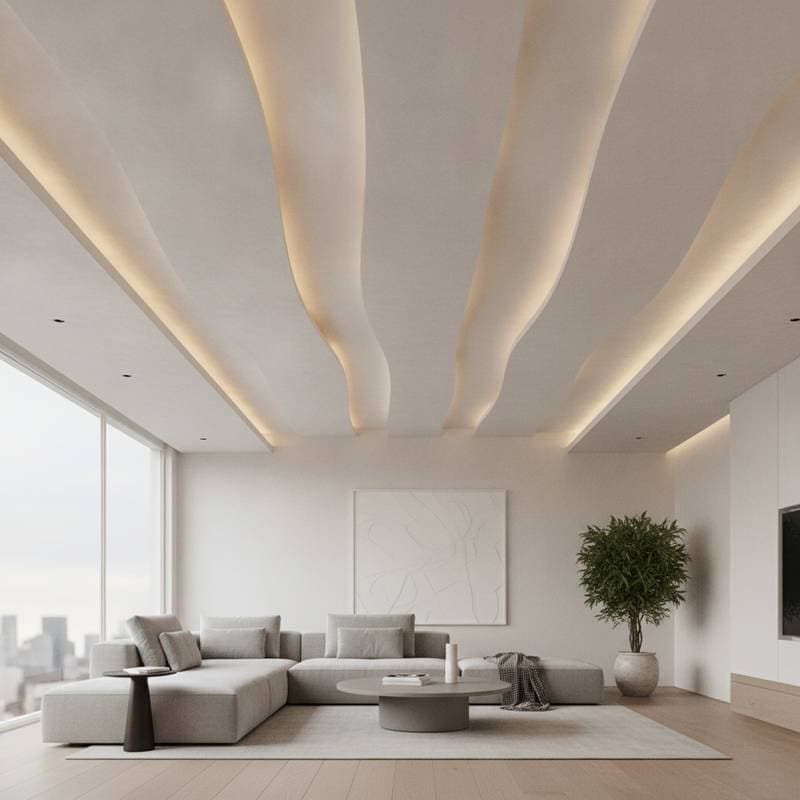
Cove texture creates a smooth, curved transition between walls and ceilings. This finish produces gentle shadows that add depth without sharp lines. Homeowners select it when they want a refined surface that still feels inviting.
The style draws from earlier decades yet fits current preferences for organic forms. Builders and designers note renewed interest because the texture complements both minimalist and layered interiors. Its popularity stems from the way it softens architecture while remaining easy to maintain.
Core Advantages in Everyday Rooms
Cove texture distributes light evenly across a surface. Recessed fixtures and natural daylight both benefit from the rounded profile. The result reduces harsh glare that flat ceilings sometimes produce.
The finish also conceals minor drywall seams and settlement cracks. A properly applied coat fills small voids without requiring extensive surface repairs. This quality makes the treatment practical for both new construction and older homes undergoing updates.
Practical Application Steps
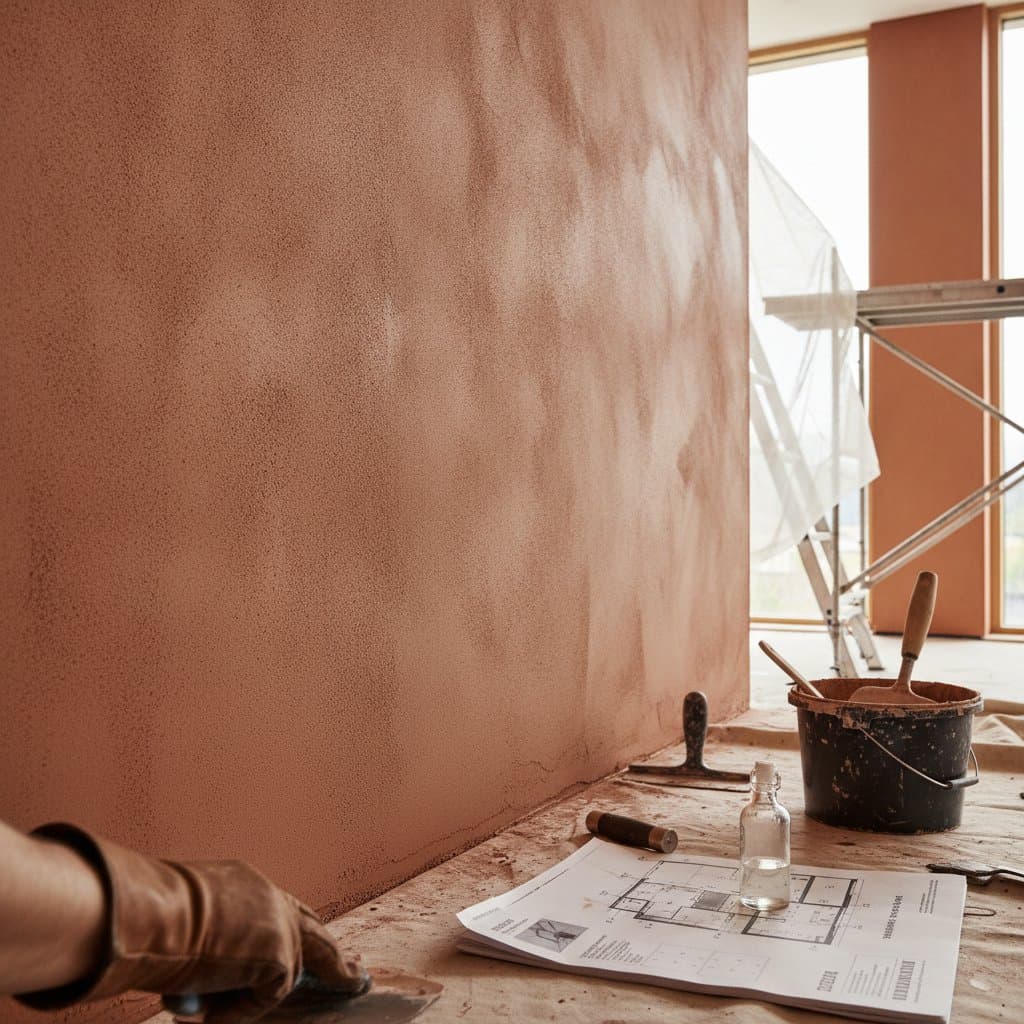
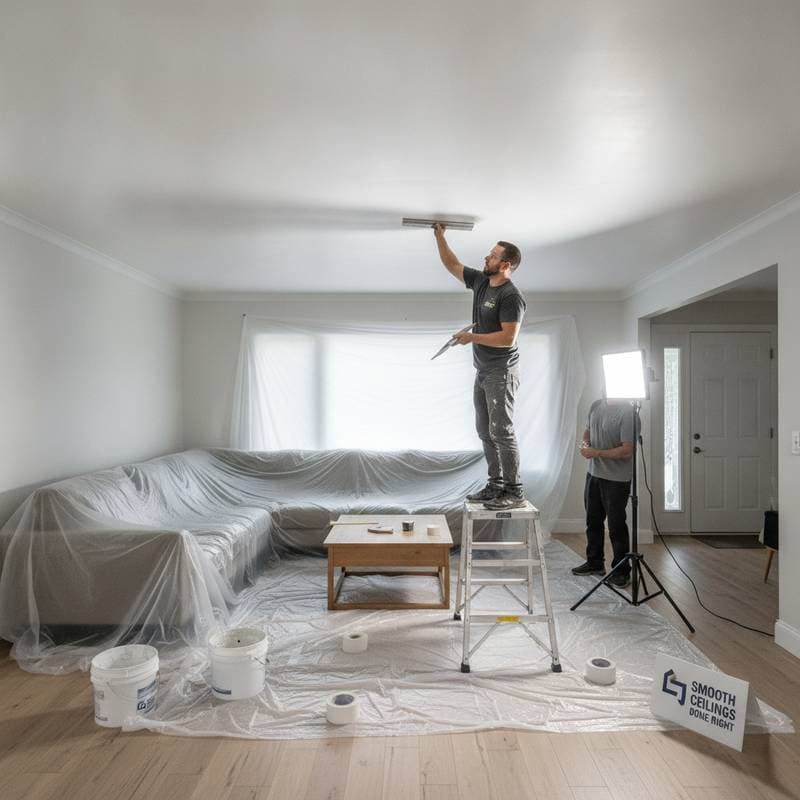
Preparation begins with cleaning the existing ceiling and addressing loose material. Professionals then tape and mud seams to create a uniform base. Once the base cures, they spray or trowel the texture mix in controlled passes.
Thickness typically ranges from one eighth to one quarter inch. The applicator maintains consistent pressure to avoid ridges or thin spots. After drying, a primer and finish coat of paint lock in the surface and allow color selection.
Budget Considerations and Value
Average project costs fall between 600 and 1200 dollars per average sized room. Factors that influence price include ceiling height, access difficulty, and whether paint is included. Larger open areas may achieve lower per square foot rates.
The investment returns value through improved perceived quality. Real estate agents report that updated ceilings contribute to faster showings and stronger offers when other finishes already appear current.
Design Integration Ideas
Pair cove texture with matte wall paint to emphasize the ceiling curve. Trim in a slightly lighter tone further highlights the transition. In kitchens and baths, coordinate with cabinet finishes that share similar warmth.
Lighting choices matter. Linear LED strips placed near the curve accentuate the radius. Pendant fixtures hung at varied heights add visual interest without competing with the ceiling plane.
Maintenance and Longevity
Regular dusting with a microfiber cloth preserves the finish. Spot cleaning uses mild soap and water on a damp sponge. Avoid abrasive pads that could erode the texture peaks.
When repainting becomes necessary, use a high quality latex ceiling paint. One coat usually suffices because the texture already provides tooth for adhesion. Proper ventilation during application prevents lap marks.
Homeowners who choose this ceiling treatment gain a surface that ages gracefully. The rounded profile continues to soften room proportions for years while requiring only routine care.