Chalk Paint Cabinet Makeover for Around 200 Dollars
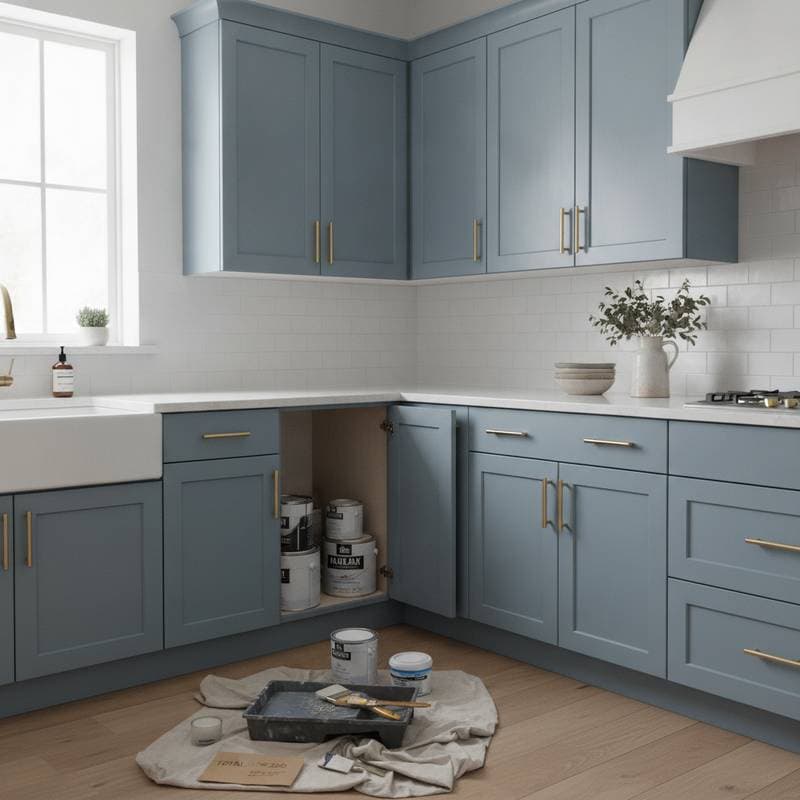
A cabinet makeover transforms the appearance of a kitchen or bathroom without requiring a complete renovation. Chalk paint provides an affordable option that delivers a modern matte finish. Homeowners often complete the project for approximately 200 dollars in materials. This approach suits those who seek visible changes on a limited budget.
Advantages of Chalk Paint for Cabinets
Chalk paint creates a soft matte surface that suits both rustic and contemporary styles. It bonds to most existing finishes with minimal surface preparation. This quality reduces the time and expense associated with traditional painting methods. Homeowners appreciate the quick drying period that permits multiple coats within one day.
Key benefits include the following:
- Minimal sanding required before application
- Low material costs that fit most household budgets
- Ability to achieve varied textures through different finishing techniques
- Suitability for weekend projects due to rapid drying
These features make chalk paint practical for updates in high-use areas such as kitchens and bathrooms.
Cost Breakdown for Materials and Labor
Typical Expense Ranges
- Small projects in bathrooms or kitchenettes range from 150 to 200 dollars.
- Average kitchen projects fall between 200 and 350 dollars.
- Larger or more detailed work reaches 400 to 600 dollars.
Materials Covered in the Base Budget
The 200 dollar estimate includes one or two quarts of chalk paint along with wax for sealing. It also covers brushes, rollers, cleaning supplies, and drop cloths. Additional expenses may arise for new hardware or professional assistance.
Elements That Increase Total Cost
Factors such as cabinet quantity, existing surface condition, and chosen finish affect the final price. Premium paint brands with stronger pigments last longer but raise initial outlay. Professional labor adds 300 to 800 dollars depending on project scope and location.
Step by Step Application Process
Successful results depend on following each stage in order. Rushing any step can reduce adhesion or durability.
Surface Cleaning
Remove all hardware and label each door for correct replacement later. Wash surfaces with a degreaser to eliminate grease and dirt that interfere with paint bonding.
Light Surface Preparation
Scuff high contact areas with fine grit sandpaper to create a smooth base. This step improves adhesion even though full sanding is often unnecessary.
Paint Application
Apply the first coat using a quality brush or small roller. Allow complete drying before adding a second coat for even coverage. Quick drying times support completion over a single weekend.
Protective Finish Application
Apply clear wax to preserve the original color or dark wax to add depth. This layer shields the surface from moisture and daily wear.
Final Reassembly
Reinstall hardware only after the finish cures fully. Clean surrounding areas to reveal the completed transformation.
Decision Factors for Professional Help
Homeowners with limited time or complex cabinet layouts benefit from hiring a professional. Painters charge 25 to 50 dollars per hour, resulting in labor costs of 400 to 800 dollars for a standard kitchen.
Professional work delivers consistent coverage and proper ventilation during sealing. Contracts often include warranties that protect against defects. In contrast, a do it yourself approach saves money when cabinets are in good condition and the layout remains straightforward.
Comparison of Approaches
| Aspect | DIY Project | Professional Service |
|---|---|---|
| Cost | 150 to 250 dollars | 400 to 800 dollars |
| Completion Time | 2 to 3 days | 1 to 2 days |
| Finish Quality | Good with care | Smooth and uniform |
| Durability | Moderate | High |
The choice depends on available time and the desired level of finish consistency.
Practical Planning Recommendations
Select light neutral colors to enlarge small spaces or bold tones for visual impact. Test samples on inconspicuous areas to observe how lighting changes the appearance. Gather all supplies before starting to avoid delays. Allow adequate curing time before resuming normal cabinet use. Protect floors and counters with drop cloths and tape throughout the process.
Errors That Compromise Results
Skipping cleaning allows residue to prevent proper adhesion. Low quality brushes leave streaks and loose bristles. Excessive wax application extends curing time and creates a sticky surface. Poor ventilation allows fumes to accumulate. Reassembly before full curing damages the new finish.
Answers to Common Questions
What total investment is typical for this type of project?
Most kitchen projects cost between 150 and 350 dollars when completed by the homeowner. Those who already own basic tools can stay near the 200 dollar mark. Professional services increase the total due to labor charges.
How much time does the full process require?
A homeowner project usually spans two to three days including drying periods. Professionals finish similar work in one to two days through efficient methods.
How does chalk paint compare with latex paint for cabinet surfaces?
Chalk paint produces a soft matte look with easier application and no priming step. Latex paint offers greater durability and a glossy surface suited to heavy daily use.
How can color dissatisfaction be addressed after completion?
Apply a new coat of chalk paint over the existing layer after light scuffing. This method avoids complete removal of the prior finish.