Ceiling Paint Costs Double Wall Paint by 2026
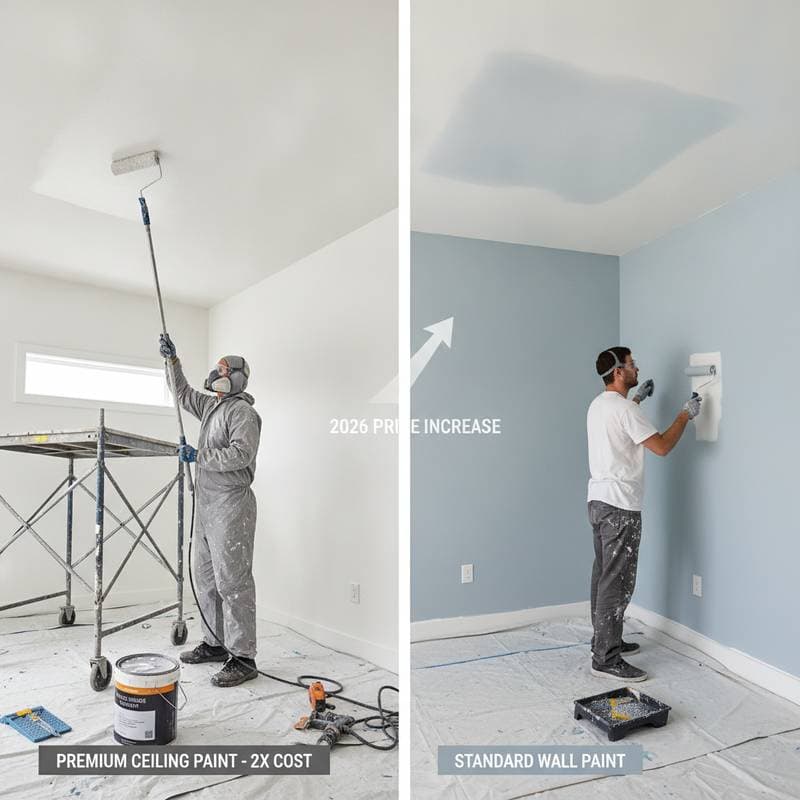
Rising material and labor costs make ceiling painting far more expensive than most homeowners expect. Ceiling paint can cost nearly twice as much as wall paint. This difference stems from paint type as well as extra labor, preparation, and safety considerations. Understanding these costs helps homeowners plan better and avoid unexpected expenses.
Why Ceiling Painting Costs More
Painting a ceiling requires more skill, time, and effort than painting walls. The physical challenges alone can double labor costs. Ceiling work involves constant overhead movement that strains the body and slows progress. Painters must also protect furniture, floors, and walls from drips, which means more extensive preparation and cleanup.
Ceiling surfaces often reveal imperfections that remain invisible on walls. Flaws such as cracks, stains, or uneven textures need repair before painting can begin. This adds materials and time to the project. Many ceilings also require special paints with higher viscosity to prevent dripping and streaking, and those products carry a premium price.
Project Cost Breakdown
Average Cost Ranges
- Basic ceiling repaint: 1.25 to 2.50 dollars per square foot
- Standard ceiling with minor repairs: 2.75 to 4.50 dollars per square foot
- Premium ceiling with texture, stain blocking, or specialty paint: 5.00 to 7.50 dollars per square foot
Wall painting typically runs 1.25 to 3.50 dollars per square foot depending on surface condition and paint quality. The difference often doubles the total cost of ceiling work.
What Is Included
- Standard surface cleaning and patching
- Application of primer when required
- Two coats of ceiling-grade paint
- Masking of walls, fixtures, and furniture
- Cleanup and debris removal
What Costs Extra
- Stain or water damage repair: 100 to 300 dollars per area
- Popcorn ceiling removal: 1.50 to 3.00 dollars per square foot
- Decorative finishes or color changes: 2.00 to 5.00 dollars per square foot
- High ceilings over nine feet: 20 to 40 percent labor increase
Factors That Affect Final Cost
| Factor | Cost Impact | Examples |
|---|---|---|
| Ceiling height | Moderate to high | Taller ceilings require ladders, scaffolding, and longer setup times |
| Paint quality | Moderate | Premium brands with higher coverage and stain resistance |
| Surface condition | High | Cracks, smoke stains, and uneven textures need extra prep |
| Access and layout | Moderate | Crowded rooms or complex angles slow down work |
| Regional pricing | Variable | Labor rates differ based on local demand and cost of living |
The Role of Paint Type and Finish
Ceiling paints differ from wall paints in formulation. They contain higher levels of solids to improve coverage and minimize drips, which makes them thicker and more expensive. Flat finishes are common for ceilings since they hide imperfections and reflect less light. Even these products have seen steep price increases due to supply chain shifts and higher pigment costs.
Some ceilings require specialty coatings such as moisture-resistant paints for bathrooms or kitchens, or acoustic paints for textured surfaces. These products can cost 25 to 50 percent more than standard latex wall paints.
Labor and Process Details
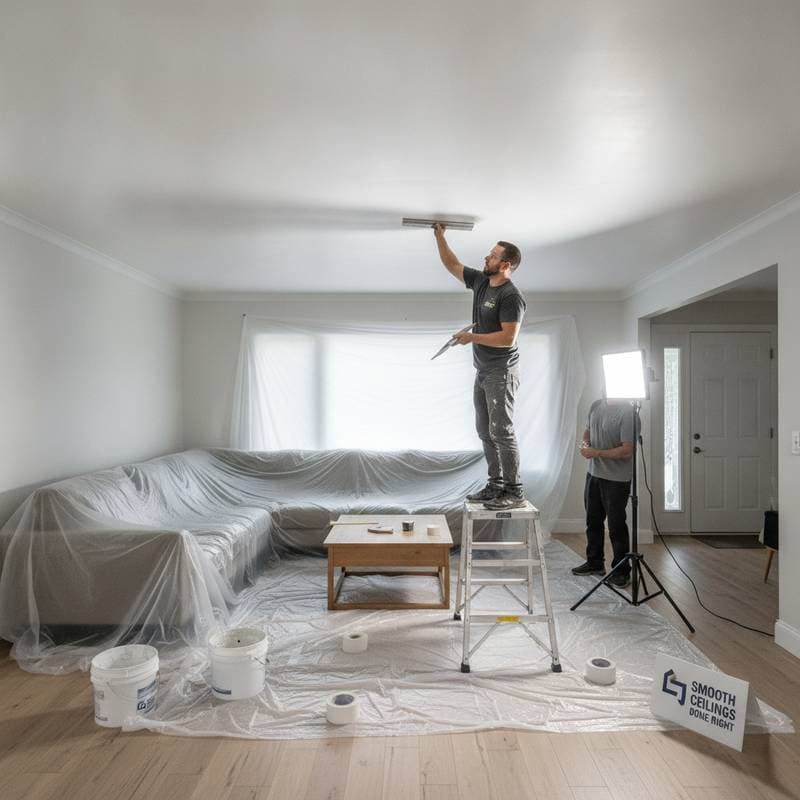
Painters must spend substantial time preparing for ceiling work. Furniture often must be moved or fully covered, and drop cloths must extend across the entire floor. Fixtures like lights and vents need masking or removal. Once painting begins, every stroke occurs overhead, which slows production and increases fatigue. Professional painters use specific rollers and sprayers designed to minimize dripping, but even with those tools ceiling projects progress more slowly than wall jobs.
Cleanup also takes longer. Paint splatter is harder to control when painting above head level, so more attention goes into protecting surfaces and verifying that edges and corners are crisp and uniform.
Timeline Expectations
Ceiling painting can take longer than homeowners anticipate. A single room ceiling might require a full day to complete, including setup, painting, drying, and cleanup. Larger homes with multiple rooms or textured surfaces can take several days. Drying times between coats add to the total schedule. If repairs or texture removal are needed, expect the project to extend by several more days.
By comparison, wall painting in the same space might take only half as long. The difference in time directly influences labor expenses.
Professional vs. DIY Guidance
When Hiring Makes Sense
- Ceiling height exceeds eight or nine feet
- There is water or smoke damage
- A textured surface must be removed or refinished
- Rooms contain built-in fixtures or ornate moldings
- Homeowners want a flawless, uniform finish
Professional painters have the scaffolding, sprayers, and safety gear needed for this work. They can complete ceilings faster and with fewer paint defects.
When DIY Can Work
- Flat ceilings under eight feet
- Minimal damage or repair needs
- Access to proper rollers, extension poles, and drop cloths
- Comfort working overhead and managing cleanup
DIY painting can save on labor costs, but homeowners should budget for tools and materials. A single gallon of quality ceiling paint may cover 350 to 400 square feet and cost 35 to 70 dollars. Add primer, brushes, rollers, and protective gear, and total DIY expenses can reach several hundred dollars even for a small project.
Contractor Selection and Quality Checks
Hiring the right painting contractor requires more than comparing prices. Homeowners should verify licensing, insurance, and references. Ask for detailed written estimates that separate labor, materials, and prep costs. Review warranty policies that cover both materials and workmanship.
Planning Your Project
Frequently Asked Questions
1. Why does ceiling paint cost more than wall paint?
Ceiling painting involves additional labor, specialized materials, and more preparation. The thicker paint formula resists dripping, but it costs more to manufacture. Painters also spend extra time covering and cleaning surfaces to prevent splatter, which raises total project cost.
2. How long does it take to paint a ceiling?
A single room ceiling may take a full day, including setup and drying between coats. Larger or more complex areas can take several days, especially if repairs or texture removal are needed. Ceiling work progresses slower than wall painting because of overhead application and drying time.
3. Should I paint the ceiling myself or hire a professional?
DIY painting can be practical for small, flat ceilings under eight feet high. For high ceilings, textured surfaces, or damaged areas, hiring a professional is safer and more efficient. Professionals have equipment such as scaffolding and sprayers that reduce risk and improve finish quality.
4. How can I find a reliable ceiling painting contractor?
Start by checking online reviews, verifying licenses, and confirming insurance coverage. Ask for references and inspect past work if possible. Get at least three written estimates that detail materials, labor, and preparation tasks. A clear, written contract protects both parties and prevents misunderstandings.
5. What can I do to prepare for ceiling painting?
Remove small furniture, cover large pieces with plastic, and clear surfaces near the work area. Turn off ceiling fans and remove light fixture covers. Make sure the room is well ventilated. Communicate any damage or stains with your painter in advance so repairs can be included in the plan.
6. What problems should homeowners watch for during ceiling painting?
Common issues include uneven coverage, paint drips, or visible roller marks. These usually occur when paint is applied too quickly or when surfaces are not properly primed. A professional painter should inspect between coats and correct imperfections before final drying to ensure a smooth, clean result.