Sanding Drywall Made Easy: $40 Tool Cuts Time by 70%
Many professionals and do-it-yourself enthusiasts view sanding drywall as a tedious task. However, a practical, affordable tool changes this perspective. For approximately $40, a drywall sanding system reduces sanding time by up to 70 percent and manages dust effectively. This approach streamlines surface preparation for various budgets and experience levels.
The following sections explain the tool, its operation, and reasons for its value.
Meet the $40 Vacuum-Assist Drywall Sander
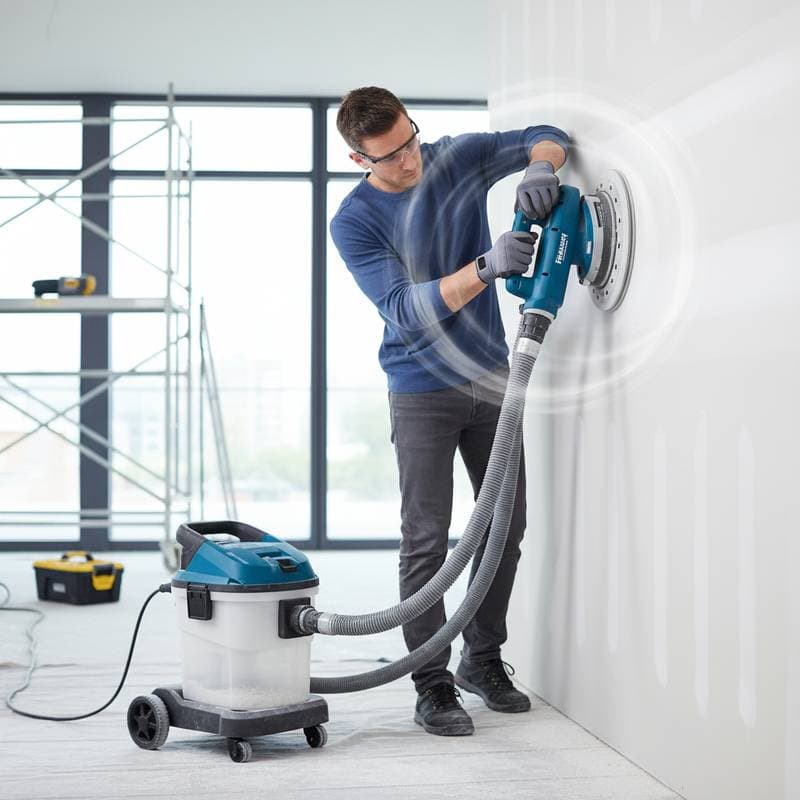
This device represents a significant advancement in sanding efficiency. Its core feature involves suction technology. The sander attaches to a shop vacuum or dust extractor, which draws fine particles directly from the surface through a connected hose. This method eliminates widespread dust clouds and the need for constant sweeping.
The sanding head features vented openings that capture dust during movement, providing a clear view of the work area. Models from brands such as Hyde, WEN, and Tacklife include a flexible hose, swivel head, and replaceable sanding screens. The complete assembly typically costs around $40, varying by retailer. Compatibility with standard vacuums ensures versatility without requiring specialized equipment, making it suitable for rentals, limited budgets, and professional use.
Setup Made Simple
Achieving professional results requires minimal expertise. Follow these steps to assemble the system quickly:
- Attach the hose to the sanding head adapter. Secure a loose fit with painter's tape if necessary.
- Install the sanding screen. Use hook-and-loop or clamp mechanisms; begin with 150-grit for joint compound and progress to 220-grit for a refined finish.
- Verify suction. Activate the vacuum and confirm a gentle pull on the surface while maintaining freedom of movement.
- Test on a discreet area. Sand a small section to assess pressure and technique.
- Proceed in sections. Apply horizontal strokes along seams with overlapping passes for even coverage.
This process yields noticeable improvements from the start.
Pro Tips from Set Life and Job Sites
Experience from television production and construction sites emphasizes speed and cleanliness. These strategies apply directly to residential projects.
Illuminate the Surface Properly. Position a work light at a low angle to the wall. This reveals high spots and imperfections immediately, allowing precise adjustments for an even finish.
Maintain Continuous Motion. Avoid dwelling in one area to prevent gouges. Guide the sander in fluid motions, similar to applying a polish rather than aggressive scrubbing.
Inspect Screens Regularly. Clear loaded mesh by tapping or vacuuming. A clean screen enhances cutting efficiency and conserves time.
Apply Primer Strategically. After sanding, clean walls with a damp microfiber cloth and coat with drywall primer. This step seals the surface and ensures uniform paint adhesion.
Safeguard Surrounding Areas. Despite dust collection, residual particles may disperse. Drape plastic over furniture and seal doorways with tape to contain debris.
Adopting these practices elevates finish quality and simplifies cleanup.
Material Insights and Maintenance
Sanding screens utilize aluminum oxide or silicon carbide abrasives. Aluminum oxide offers superior durability and resistance to clogging. For typical applications, sequence 150-grit for initial smoothing followed by 220-grit to achieve a paint-ready texture.
Post-use, rinse screens in warm water and air-dry them flat. This routine prolongs their usability and preserves abrasiveness. Maintain the vacuum filter by cleaning it regularly; a blocked filter diminishes suction and hampers performance. A simple rinse restores functionality swiftly.
Safety and Comfort Considerations
Safety remains essential, regardless of the tool's efficiency. Wear eye protection and a dust mask at all times, as minute particles may evade collection if filters clog or connections loosen. For overhead tasks, use a hat to prevent dust from falling into hair or clothing.
Ergonomics contribute to sustained productivity. Select a pole with adjustable height to maintain proper posture and consistent strokes. Opt for lightweight hoses to ease overhead operations and reduce physical strain.
When to Call in a Pro
Large-scale repairs or commercial projects benefit from professional intervention. Experts employ sophisticated vacuum sanders and laser levels for precise alignment and flawless results. Even when outsourcing, familiarity with the process enables informed quality assessments. Such knowledge enhances project oversight.
Achieving Lasting Wall Perfection
Smooth, painted walls enhance room aesthetics dramatically. Light reflects evenly, colors appear vibrant, and surfaces invite touch. Homeowners often appreciate the tactile softness of well-prepared walls.
Retain a sanding block and extra screens for maintenance. Address minor imperfections like dents or nail pops promptly. Apply compound, sand lightly, and restore the surface with ease.
Effective design relies on informed choices and efficient tools. This vacuum-assisted sander exemplifies efficiency and cleanliness. It accelerates completion, improves air quality, and heightens enjoyment of renovated spaces. Connect the hose, activate the vacuum, and produce impeccably smooth walls.