Replacing Popcorn Ceilings with Skim Coating: A $1,500 Investment in Modern Elegance
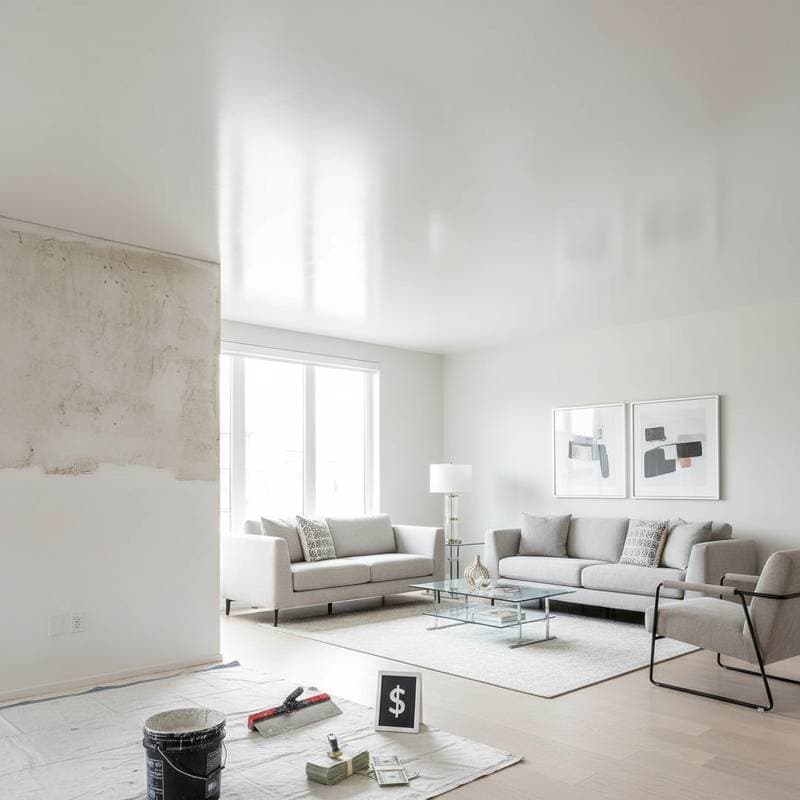
Popcorn ceilings defined mid-century homes, yet their textured appearance now feels outdated in contemporary spaces. Homeowners increasingly turn to skim coating as a reliable method to achieve smooth, refined ceilings. This approach typically costs around $1,500 per room and provides a polished finish that enhances light reflection and overall room aesthetics.
The process eliminates the uneven surface of popcorn textures, creating a blank canvas for paint or other finishes. Professionals handle the labor-intensive steps, ensuring durable results without the disruption of full demolition. For those considering updates, understanding skim coating reveals its value as a straightforward renovation choice.
Understanding Skim Coating: The Process Explained
Skim coating involves applying thin layers of joint compound over existing ceiling surfaces to level imperfections and create uniformity. Contractors begin by assessing the ceiling for asbestos or other hazards, especially in homes built before 1980. If safe, they proceed with preparation.
The detailed steps include:
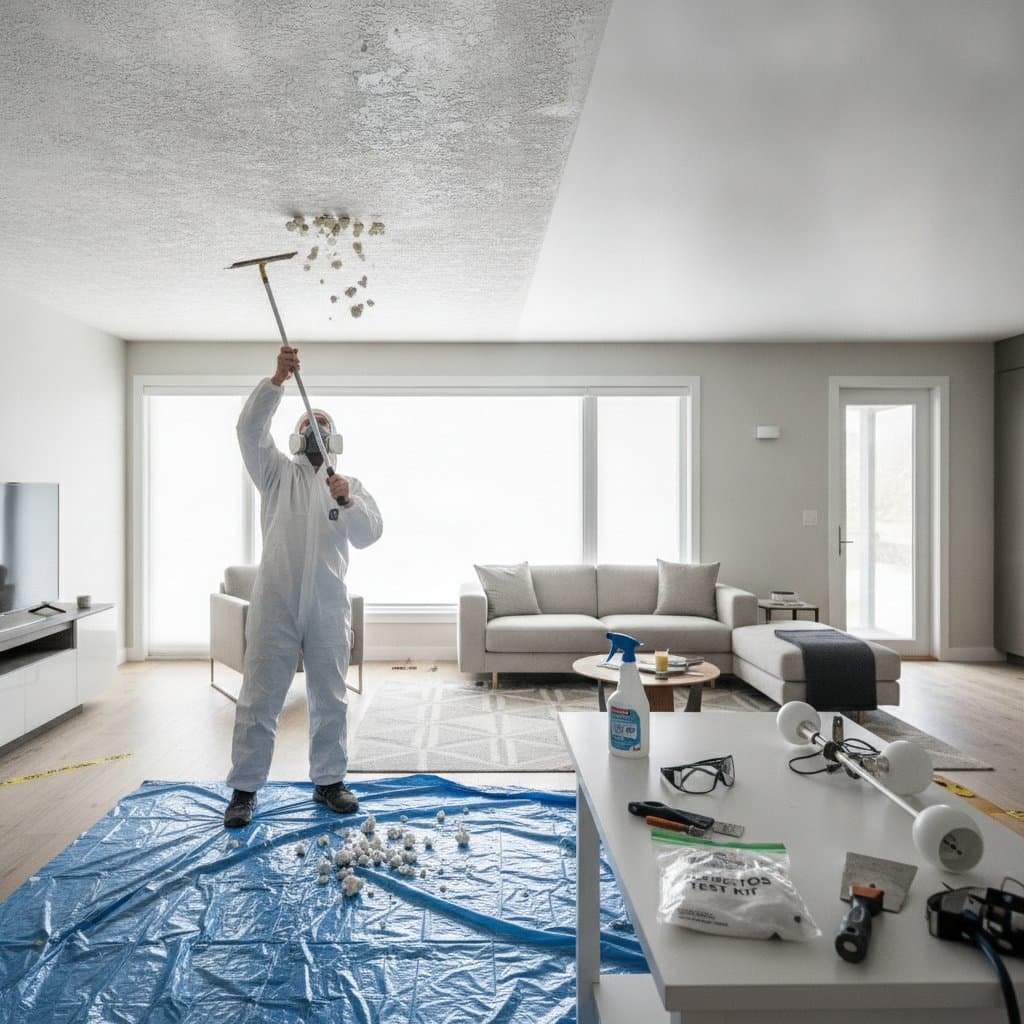
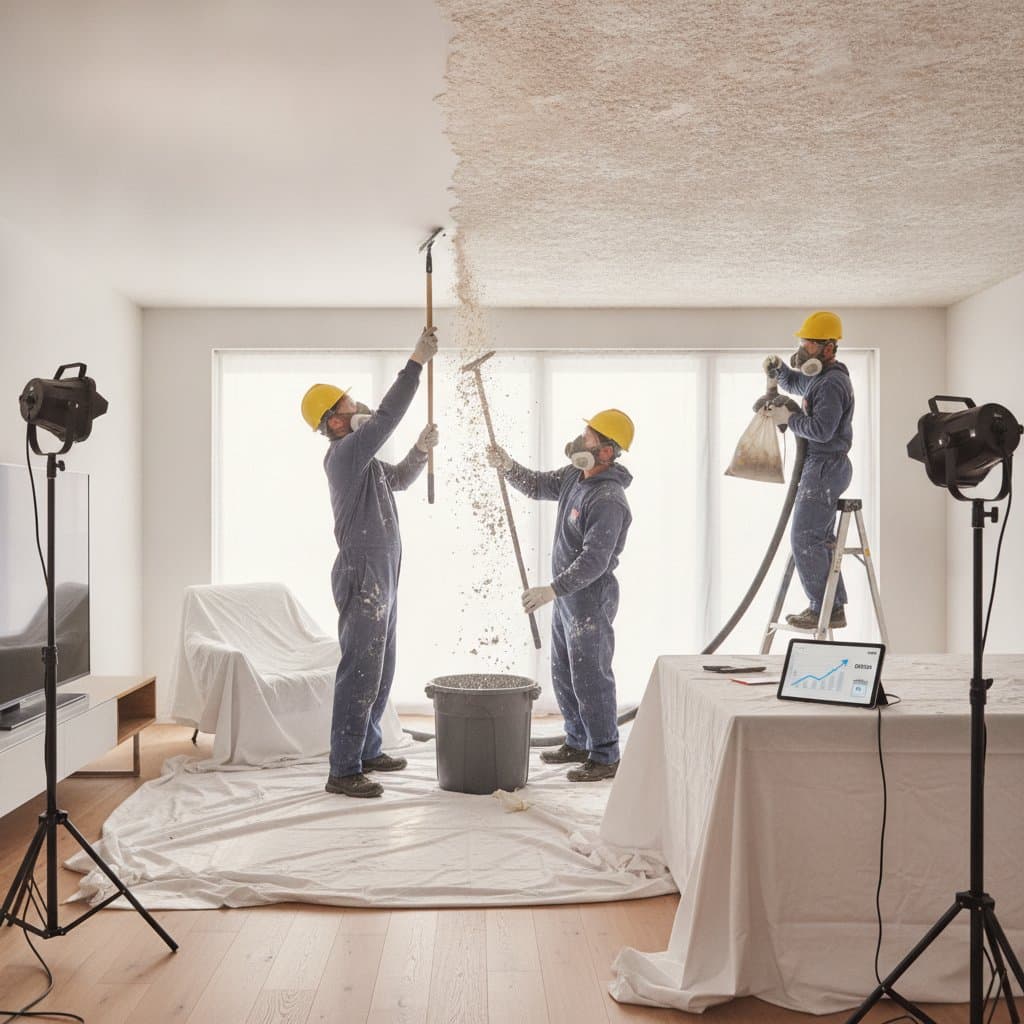
- Surface Preparation: Remove loose popcorn texture using scraping tools or chemical removers. Cover floors and furniture with drop cloths to manage dust, and seal vents to prevent spread.
- Application of Compound: Spread a thin coat of joint compound with a wide trowel or squeegee. Allow each layer to dry for several hours before adding the next, typically two to three coats for optimal smoothness.
- Sanding and Refinement: Use fine-grit sandpaper or a sanding pole to smooth ridges between coats. Wear a mask to avoid inhaling particles, and vacuum frequently for a clean workspace.
- Priming and Finishing: Apply a high-quality primer to seal the surface, followed by two coats of ceiling paint. Opt for low-VOC options to minimize odors and ensure quick drying.
This method suits various ceiling types, from standard drywall to plaster. Experienced teams, such as those at O'Connor Painting LLC, incorporate techniques like proper humidity control to prevent cracking. The end result appears seamless, elevating the room's visual appeal.
Benefits of Smooth Ceilings Beyond Aesthetics
Smooth ceilings offer practical advantages that extend their appeal. They reflect light more effectively, making rooms feel larger and brighter without additional fixtures. This feature proves especially useful in spaces with limited natural light, such as basements or interior rooms.
From a maintenance standpoint, flat surfaces collect less dust than textured ones. Cleaning requires only a soft brush or microfiber cloth, reducing allergy risks and preserving air quality. Additionally, smooth finishes pair well with modern lighting installations, like LED recessed lights, which cast even illumination without highlighting imperfections.
Home value increases with such updates. Real estate experts note that renovated ceilings contribute to a fresh, move-in-ready impression. Buyers appreciate the absence of dated elements, potentially speeding up sales and justifying higher offers.
Cost Breakdown and Budgeting Strategies
The average cost of $1,500 per room accounts for labor, materials, and preparation. Factors influencing price include room size, ceiling height, and location accessibility. For a standard 12x12-foot bedroom, expect $1,200 to $1,800, while larger living areas may reach $2,000.
Break down expenses as follows:
- Labor (60-70%): Skilled applicators charge $2 to $4 per square foot, covering scraping, coating, and finishing.
- Materials (20-30%): Joint compound, primers, and paints cost $200 to $400, depending on quality.
- Preparation and Cleanup (10-20%): Tools, protective gear, and waste disposal add $100 to $300.
To manage budgets, obtain multiple quotes from licensed contractors. Schedule during off-peak seasons for potential discounts. Homeowners with DIY skills might handle painting, saving 20% on costs, though full skim coating demands professional expertise to avoid uneven results.
Alternatives for Different Budget Levels
Full skim coating suits committed renovations, yet viable options exist for varying financial situations. Select based on desired outcomes and timeline.
Minimal Investment Options:
- Apply a thick coat of flat latex paint directly over popcorn texture. This conceals minor bumps and refreshes color for under $100.
- Install track lighting or cove lights to diffuse shadows, minimizing texture visibility without surface changes.
Moderate Investment Approaches:
- Focus skim coating on high-visibility zones, such as entryways or dining areas, costing $500 to $800.
- Repair cracks and patch damages before painting, blending textures for a semi-smooth effect at $300 to $600.
Premium Upgrades:
- Combine skim coating with architectural details like tray ceilings or medallions for $2,000 plus.
- Integrate smart lighting systems post-coating to enhance ambiance and energy savings.
Each alternative advances toward a modern aesthetic, allowing gradual improvements.
Professional Considerations and Long-Term Value
Hiring professionals ensures compliance with safety standards and building codes. Verify contractor credentials, including insurance and references, to protect against liabilities. Reputable firms prioritize eco-friendly materials, aligning with sustainable home practices.
Over time, skim-coated ceilings demonstrate longevity, resisting wear from humidity or settling. They facilitate future updates, such as wallpaper application or accent lighting, without texture complications. For investors, this upgrade signals quality craftsmanship, appealing to discerning markets.
Homeowners benefit from versatile design integration. Pair smooth ceilings with neutral walls for a minimalist vibe or bold colors for drama. The foundation supports evolving tastes, providing enduring flexibility.
Maintaining Your New Ceiling Finish
Post-installation care keeps the surface pristine with minimal effort. Dust weekly using an extendable duster, and spot-clean stains with a damp sponge and mild soap. Avoid abrasive cleaners to preserve the finish.
When repainting, select washable semi-gloss or eggshell paints for durability. Consider light reflectance values (LRV); higher numbers, like 85% for whites, amplify brightness. Test samples in the room to account for lighting conditions.
Regular inspections catch issues early, such as minor cracks from structural shifts. Address them promptly with touch-up compound to maintain integrity. This proactive approach ensures the ceiling remains a highlight of your home for years.
Steps to Start Your Ceiling Transformation
Begin by evaluating your space: measure square footage and note any repairs needed. Research local contractors through reviews and consultations. Set a timeline, ideally during mild weather to aid drying.
Budget allocation follows, prioritizing quality materials for lasting results. Once completed, enjoy the enhanced environment that smooth ceilings provide. This investment refreshes interiors efficiently, delivering both style and substance.