Why Venetian Plaster Is 2026's $8K Luxury Trend
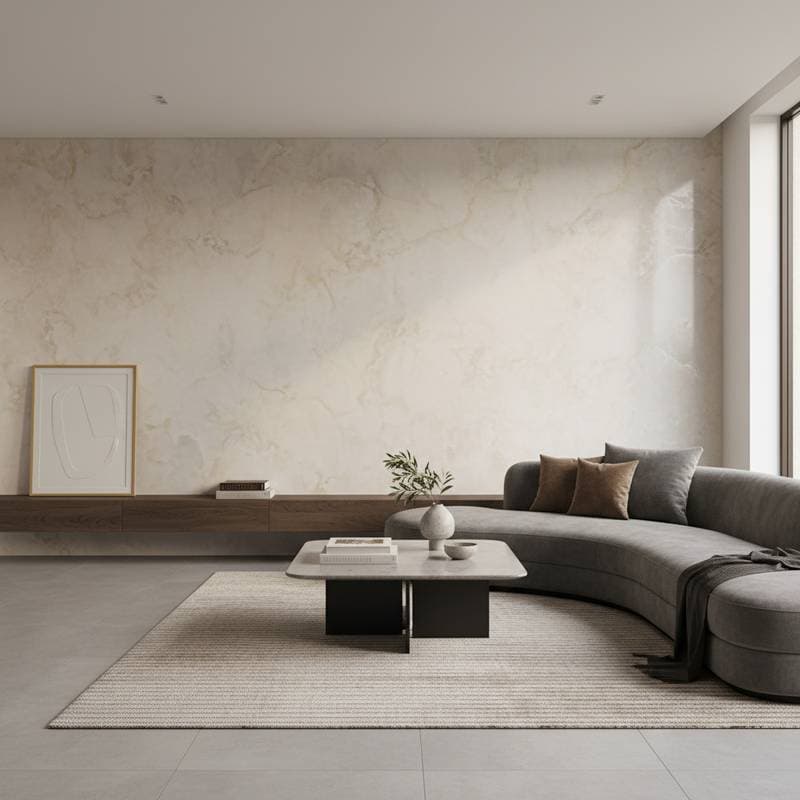
Venetian plaster emerges as a premier interior finish for discerning homeowners seeking elegance, skilled craftsmanship, and lasting durability. This wall treatment delivers a rich texture, subtle sheen, and enduring appeal that positions it at the heart of luxury home design. As individuals seek to enhance ordinary spaces, Venetian plaster transforms living rooms, kitchens, and master suites into sophisticated environments.
What Venetian Plaster Entails
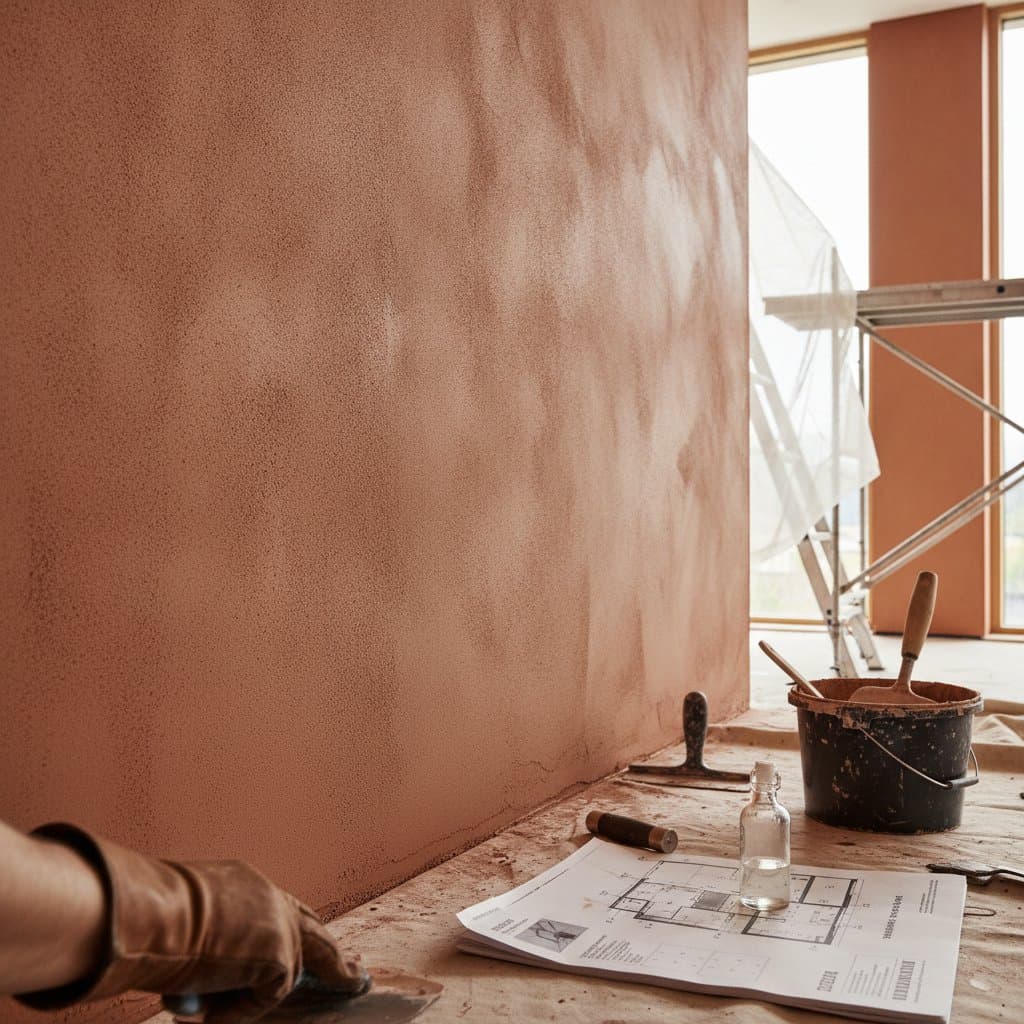
Venetian plaster consists of natural lime, marble dust, and pigments combined into a decorative finish. Artisans apply it in several thin layers, then polish it to produce depth and a gentle reflective surface beyond the capabilities of standard paint. The material permits walls to breathe, resists mildew growth, and acquires a patina that enhances over time. Professionals employ trowels and precise methods to achieve effects from glossy, marble-resembling surfaces to understated matte appearances.
Project Cost Breakdown
As a luxury wall treatment, Venetian plaster incurs expenses tied to both premium materials and expert labor.
Average Cost Ranges
- Basic project: $6,000 to $8,000 for a small room
- Standard project: $8,000 to $12,000 for medium-sized areas or accent walls
- Premium project: $12,000 to $20,000 or higher for extensive or customized installations
Standard Inclusions
- Expert labor covering surface preparation and layered plaster application
- Superior lime and marble-based components
- Tailored color mixing and polishing
- Site cleanup plus final buffing for a refined surface
Additional Expenses
- Specialized pigments or metallic effects increase costs by $2 to $5 per square foot
- Intricate elements like curved walls or vaulted ceilings demand extra labor
- Pre-application fixes to damaged drywall or plaster
- Protective coatings for areas exposed to moisture
Factors Influencing Total Cost
| Factor | Cost Impact | Examples |
|---|---|---|
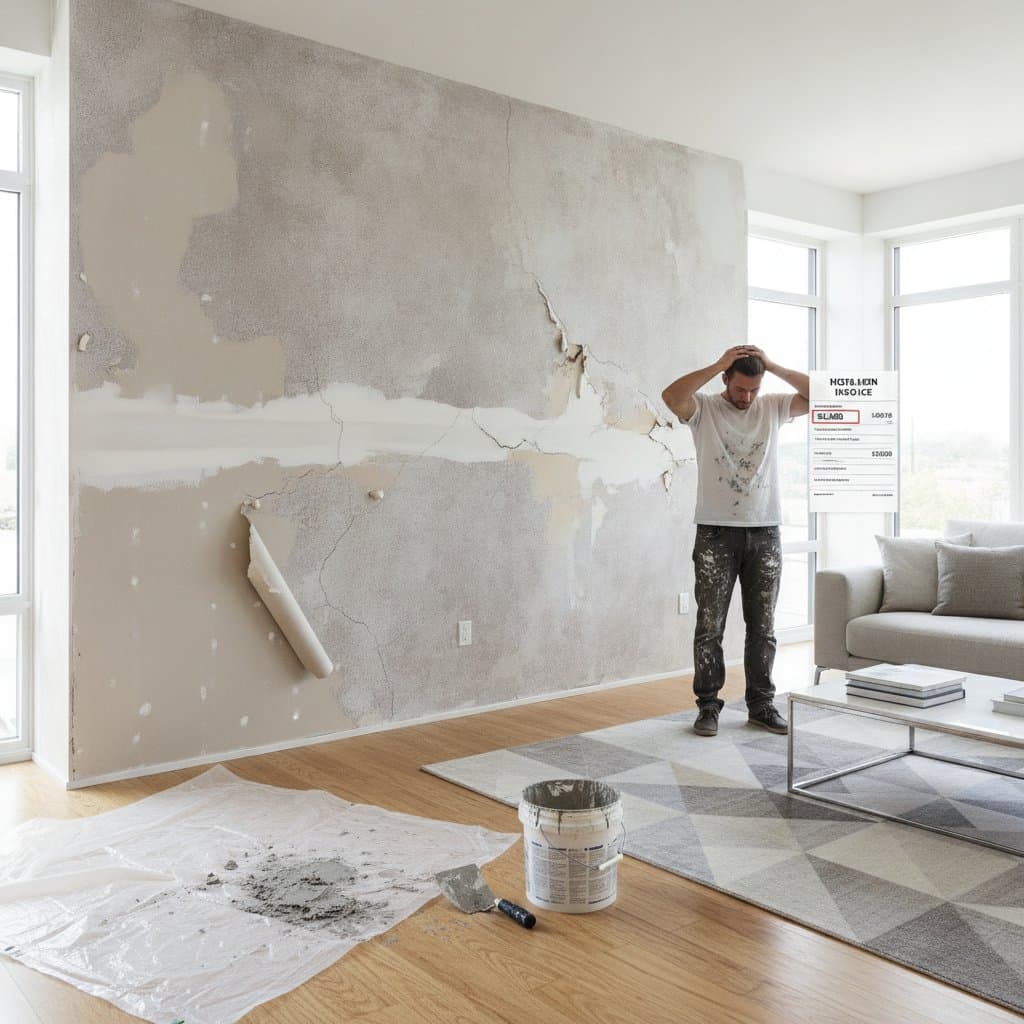
| Surface condition | +10% to +30% | Cracked or irregular walls necessitate extensive preparation |
| Design complexity | +20% to +50% | Layered colors or detailed motifs |
| Material selection | +15% | High-end Italian lime formulas or sourced pigments |
| Project size | -10% to -25% | Broader coverage lowers per-square-foot rates |
Reasons Homeowners Select Venetian Plaster
Individuals choose Venetian plaster for its distinctive visual and functional attributes. The treatment provides a sensory texture unmatched by paint or wallpaper, while softly diffusing light to foster a welcoming ambiance in rooms. Furthermore, its inherent antibacterial properties and eco-conscious composition make it ideal for contemporary and heritage properties alike.
This finish complements luxury elements like wood paneling, stone accents, and metal fixtures. It fosters cohesive aesthetics across styles, from sleek minimalism to ornate European motifs.
Professional Application Versus DIY Efforts
Although many homeowners tackle painting tasks independently, Venetian plaster demands specialized expertise. The procedure involves sequential layers applied with exact timing, where errors result in irregular surfaces or fissures. Trained specialists dedicate years to perfecting these methods, guaranteeing uniform hues, seamless blends, and resilient outcomes.
DIY approaches might reduce initial labor fees, yet they frequently incur greater expenses through necessary corrections. Engaging a qualified artisan preserves the finish's depth and luster for decades.
Collaborating With a Contractor or Artisan
Choosing an appropriate expert proves essential for a seamless Venetian plaster result. Homeowners ought to:
- Confirm the professional's background in decorative plaster work, distinct from routine painting.
- Examine physical samples to assess color options and textural differences.
- Solicit references from prior projects to evaluate skill and dependability.
- Scrutinize agreements for specifics on materials, preparatory steps, and payment terms.
- Address upkeep and repair protocols prior to commencement.
Project Timeline
Standard Venetian plaster installations span one to two weeks, varying by scale and intricacy. Stages encompass surface readying, successive plaster coatings, inter-layer drying periods, and concluding polish. Certain variants incorporate a safeguarding sealant, extending the schedule by one or two days for proper setting. Plan accordingly to accommodate drying needs and adequate airflow during execution.
Maintenance and Longevity
Venetian plaster requires little ongoing care to sustain its allure. Wipe surfaces gently with a soft, damp cloth to remove dust, avoiding harsh chemicals that could dull the finish. Apply a fresh wax layer every three to five years in high-traffic zones to bolster protection and revive sheen. With proper attention, this treatment endures for generations, resisting wear while aging gracefully.
Its breathable nature prevents moisture buildup, reducing risks of mold in varied climates. Homeowners appreciate how minimal intervention keeps spaces vibrant without frequent interventions.
Steps to Plan Your Venetian Plaster Project
Initiate planning by evaluating room dimensions and desired effects to estimate budgets accurately. Consult multiple artisans for quotes, prioritizing those with portfolios showcasing similar applications. Select hues and textures that harmonize with existing decor, testing samples under your home's lighting conditions.
Schedule during off-peak seasons to secure better rates and timelines. Prepare the space by clearing furniture and ensuring access, then monitor progress to align with your vision. This structured approach yields a transformative upgrade that enhances property value and daily enjoyment.
Frequently Asked Questions
What Accounts for the Elevated Cost of Venetian Plaster?
The expense stems from the artisan's proficiency, superior materials, and labor-intensive procedures. Hand-applied layers demand precise curing intervals, elevating total hours and investment.
How Long Does a Venetian Plaster Installation Typically Require?
Projects generally span one to two weeks, from initial preparation through final polishing. Duration hinges on surface area, design elements, and environmental drying factors.
Does Venetian Plaster Suit Bathrooms or Kitchens?
It performs effectively in such settings when sealed with wax or a moisture-resistant topcoat. This preparation shields against humidity while preserving aesthetic integrity.
Should One Engage a Painter or a Plaster Specialist?
Opt for a decorative plaster expert over a general painter. Their distinct tools and techniques ensure a uniform, high-quality result.
What Maintenance Does Venetian Plaster Demand?
Routine dusting with a soft cloth suffices for upkeep. Periodic wax applications every few years enhance longevity and appearance.
Can the Color of Venetian Plaster Be Altered Later?
Modification requires overlaying fresh plaster layers, as hues integrate deeply into the material. Repainting proves ineffective; consult contractors on adaptable choices upfront.