Embrace Terracotta: The Shift Away from Gray in 2026 Home Design
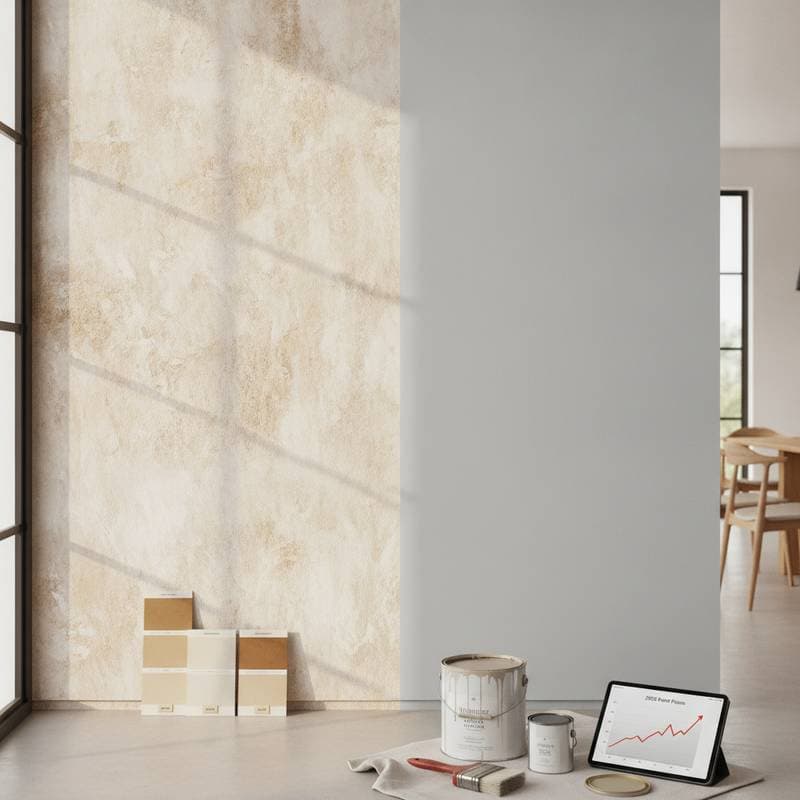
Neutral palettes have shaped interior trends for decades, with gray embodying sleek minimalism. However, preferences evolve toward hues that infuse spaces with genuine warmth and texture. Terracotta rises as the preferred alternative, delivering a rich, earthy foundation that harmonizes depth and subtlety. This color draws from natural elements like baked clay, promoting a sense of stability and vitality essential for modern living.
Homeowners increasingly seek designs that reflect personal stories and environmental harmony. Terracotta supports this by bridging traditional craftsmanship with contemporary lines, ensuring rooms feel both approachable and elevated. As design forecasts for 2026 highlight biophilic influences, terracotta aligns perfectly, enhancing connections to nature within urban settings.
Unpacking Terracotta's Enduring Appeal
Terracotta's reddish-brown spectrum introduces subtle warmth that elevates any room without dominating. It integrates seamlessly with neutrals such as crisp whites, soft creams, lush forest greens, and subdued blues. This flexibility suits diverse styles, from cozy rustic retreats to polished urban lofts.
The hue evokes sun-warmed earth and ancient pottery, fostering tranquility absent in cooler grays. Designers note its psychological benefits: warm tones reduce stress and encourage social interaction. In practice, terracotta softens harsh lighting and amplifies natural light, creating dynamic atmospheres that adapt to daily rhythms.
This preference mirrors wider cultural shifts toward mindful living. Post-pandemic, interiors prioritize emotional resonance over stark efficiency. Terracotta achieves this balance, offering sophistication that withstands fleeting trends while inviting personalization through layered textures and patterns.
Applying Terracotta Effectively in Your Home
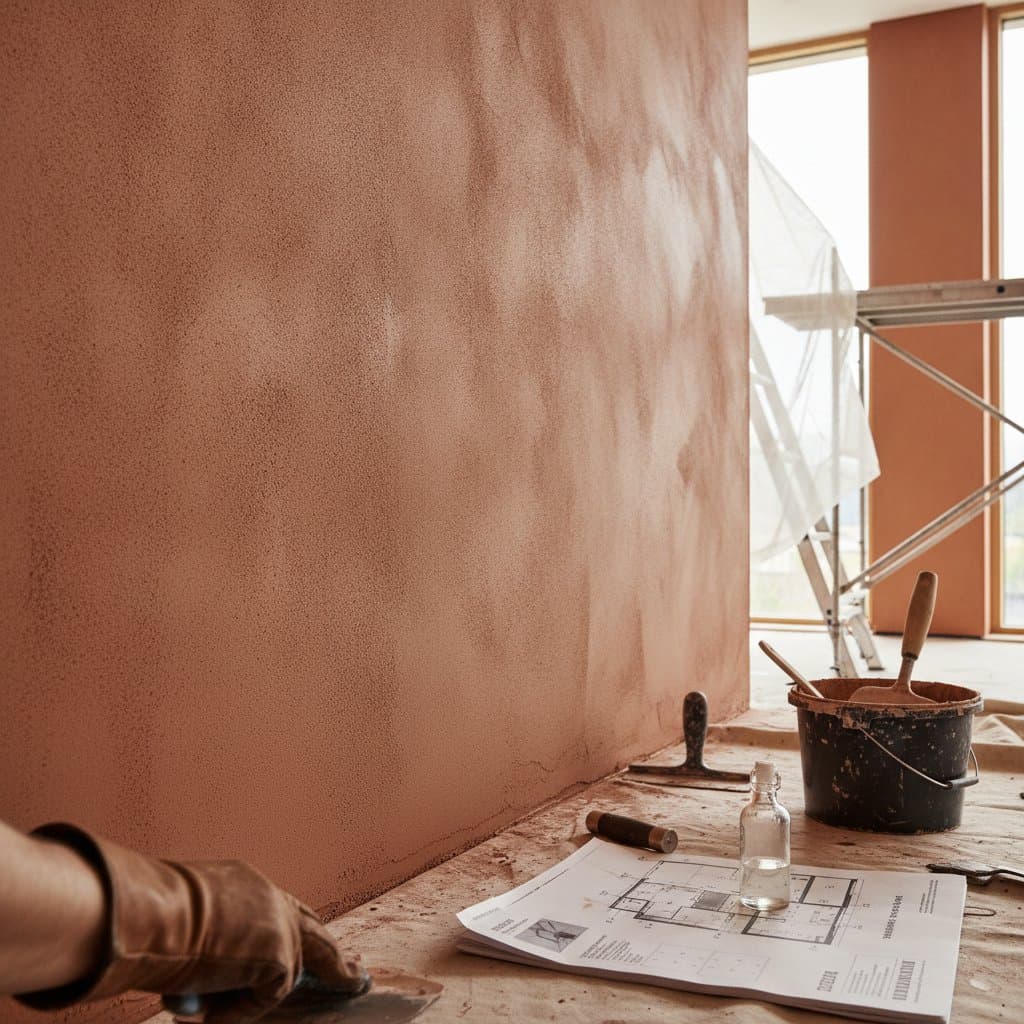
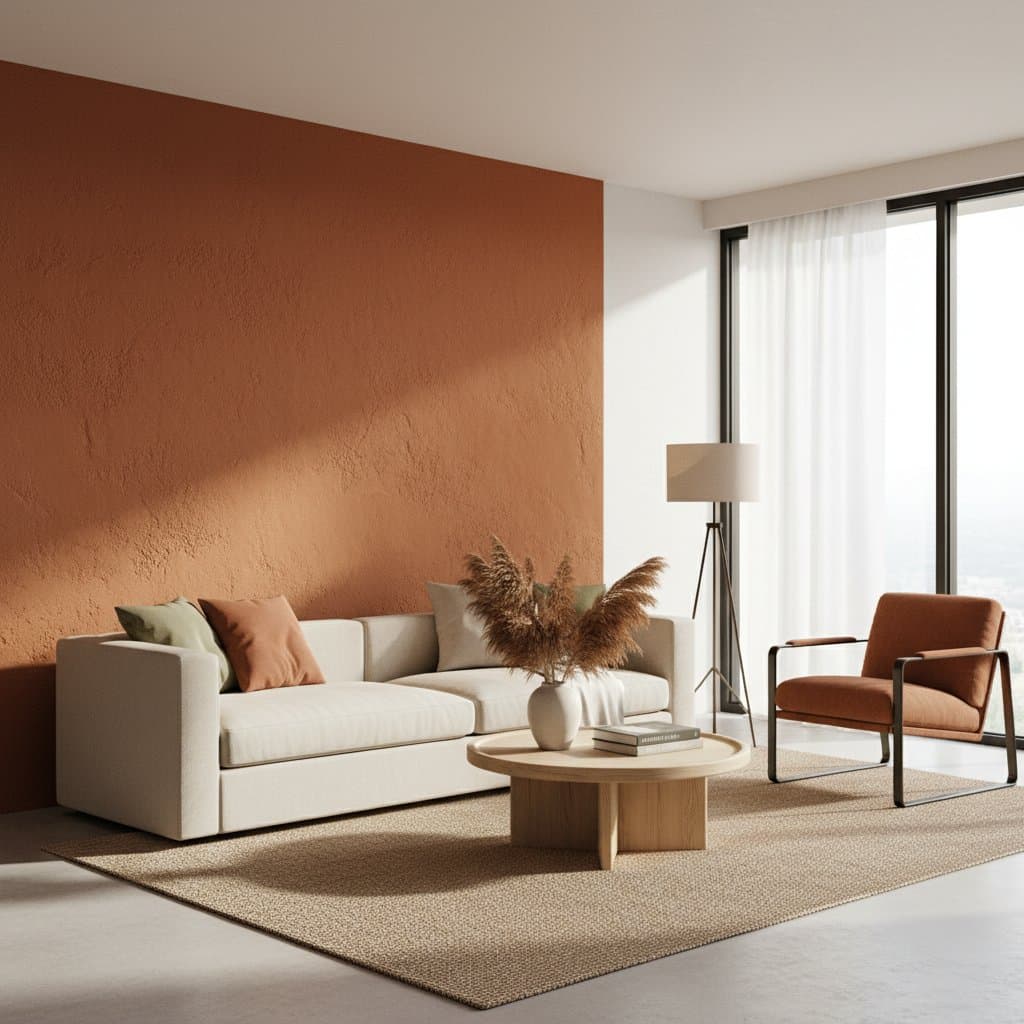
Terracotta shines across various applications, from full-room walls to targeted accents. As a primary wall color, it wraps spaces in enveloping warmth, ideal for living areas or bedrooms seeking intimacy. The tone's depth plays with light, revealing nuanced variations throughout the day.
For cabinetry or furniture, terracotta adds grounded elegance, particularly in kitchens where it contrasts with white countertops. Accent pieces like vases or rugs introduce the color gradually, allowing experimentation without major overhauls. In hallways or entryways, painting trim or doors in terracotta frames the home with welcoming energy.
Those new to bold colors might start small: a feature wall in a dining room can anchor the space, drawing eyes to artwork or architectural details. Pair it with matte finishes to minimize glare, ensuring the color enhances rather than overwhelms. Professional painters recommend testing samples in situ, as terracotta's undertones shift under different lighting conditions.
Harmonizing Terracotta with Complementary Elements
Terracotta's strength lies in its compatibility with diverse materials and palettes. It complements organic fabrics like linen curtains or jute rugs, evoking a tactile, nature-inspired vibe. Pair it with light oak flooring to brighten rooms, or use against white shiplap walls for clean contrast.
Darker elements, such as walnut cabinetry or emerald velvet upholstery, build dramatic depth. Metallic accents in brushed gold hardware or matte black fixtures introduce modernity, elevating the palette beyond rustic roots. For sustainability-focused homes, integrate terracotta with reclaimed wood beams or clay pottery displays.
Layering extends to patterns: subtle geometric tiles in terracotta tones ground bold prints, while woven baskets add texture. This approach creates cohesive narratives, where each element reinforces the color's warmth. Designers advise balancing intensity with neutrals to maintain versatility across seasons.
Understanding Gray's Decline in Favor of Warmer Tones
Gray gained popularity for its clean, versatile neutrality, often defining minimalist aesthetics. Yet, its cool undertones can render spaces distant or clinical, especially in low-light environments. As remote work and home-centric lifestyles persist, designs now emphasize coziness and individuality.
Warm earth tones like terracotta address these shortcomings by injecting vitality and approachability. Studies in color psychology underscore how such hues promote well-being, contrasting gray's potential for monotony. Homeowners report greater satisfaction in terracotta-infused rooms, citing enhanced mood and perceived spaciousness.
Sustainability trends further propel this change. Terracotta resonates with eco-conscious choices, pairing with low-VOC paints, natural fibers, and recycled metals. It embodies authenticity in an era wary of synthetic uniformity, aligning with global pushes for regenerative design practices.
Steps to Plan Your Terracotta Transformation
Transitioning to terracotta requires thoughtful preparation to maximize impact. Begin by assessing your space: evaluate lighting, existing furniture, and overall mood. Collect inspiration from design books or apps, focusing on how terracotta interacts with your home's architecture.
Select paints with quality pigments for longevity; brands offering fade-resistant formulas suit high-exposure areas. Calculate square footage accurately to estimate needs, factoring in multiple coats for even coverage. Consult color swatches in natural light to confirm harmony with adjacent rooms.
Budget for complementary updates, such as new hardware or textiles, to unify the look. Schedule during mild weather to aid ventilation and drying. Engage professionals for complex projects, ensuring warranties cover workmanship and materials.
Test small areas first, observing changes over days. Document progress with photos to refine choices. This methodical approach yields results that endure, transforming your home into a sanctuary of warmth and style.
Frequently Asked Questions
1. How much does it cost to repaint a room in terracotta tones?
Costs typically range from $3 to $6 per square foot, covering labor, materials, and basic prep work. Factors like textured applications, surface repairs, or high-end paint options can increase expenses to $8 or more per square foot.
2. How long does a full-room repaint usually take?
Most interior repaints require one to three days, influenced by room size, prep needs, drying intervals, and coat count. Larger or intricate spaces may extend to a week.
3. Should I try painting terracotta walls myself or hire professionals?
DIY suits minor projects or accents, providing cost savings and creative control. Professionals ensure flawless results, especially for even application and color matching in expansive areas.
4. What should I look for when hiring a painting contractor?
Prioritize licensed, insured providers with expertise in warm earth tones. Seek detailed quotes, review portfolios, and verify references to confirm reliability and quality.
5. How can I keep terracotta walls looking fresh?
Employ soft cloths with mild soap for cleaning, avoiding abrasives. Address scuffs quickly with matching touch-up paint, and consider refreshes every three to five years in active zones.
6. What common mistakes should homeowners avoid?
Overlook primer for poor adhesion, select mismatched undertones, or rush coats leading to streaks. Thorough prep and expert advice mitigate these pitfalls for optimal outcomes.
Integrate Terracotta for Lasting Home Comfort
Adopting terracotta signals a commitment to interiors that nurture and inspire. This hue not only revitalizes spaces but also aligns with enduring values of sustainability and personalization. Start with one room to experience its transformative power, building confidence for broader applications. Your home deserves this infusion of natural elegance, ready to welcome 2026's design evolution.