Venetian Plaster’s $8K Revival: Luxury Walls Resurge
Venetian plaster enjoys a strong resurgence in contemporary interior design. Previously confined to opulent villas and heritage properties, this refined wall treatment now attracts homeowners who desire enduring grace paired with current refinement. Its appeal extends beyond appearance to include resilience, sustainable elements, and the capacity to convert ordinary surfaces into artistic expressions. Knowledge of expenses, influencing variables, and enduring benefits equips homeowners to decide wisely on this unique enhancement.
Venetian Plaster Cost Overview
Expenses for Venetian plaster generally fall between $8,000 and $14,000 for a typical residential interior endeavor, with many owners allocating about $8,000 for a basic two-room setup. Rates vary based on groundwork, style of finish, and design intricacy. Professionals calculate costs by overall project or per square foot, accommodating diverse spaces and financial plans.
Average Cost Ranges by Project Size
- Small room (up to 150 sq. ft.): $1,200 - $2,500
- Medium room (250 - 400 sq. ft.): $3,500 - $6,000
- Large room (500 - 700 sq. ft.): $7,000 - $10,000
- Whole-home application (1,000 - 1,500 sq. ft.): $10,000 - $18,000
Cost Breakdown per Square Foot
Typically, Venetian plaster runs $8 to $25 per square foot, encompassing:
- Materials: $3 - $8 per sq. ft.
- Labor: $5 - $15 per sq. ft.
- Preparation and priming: $1 - $3 per sq. ft.
- Sealing and finishing: $1 - $2 per sq. ft.
This spectrum arises from distinctions between simple lime formulations and elaborate marble-enhanced variants executed by specialists.
Factors Affecting Venetian Plaster Costs
Grasping the elements that shape Venetian plaster expenses enables precise budgeting and assured choices. Key determinants shape the overall outlay.
1. Material Quality
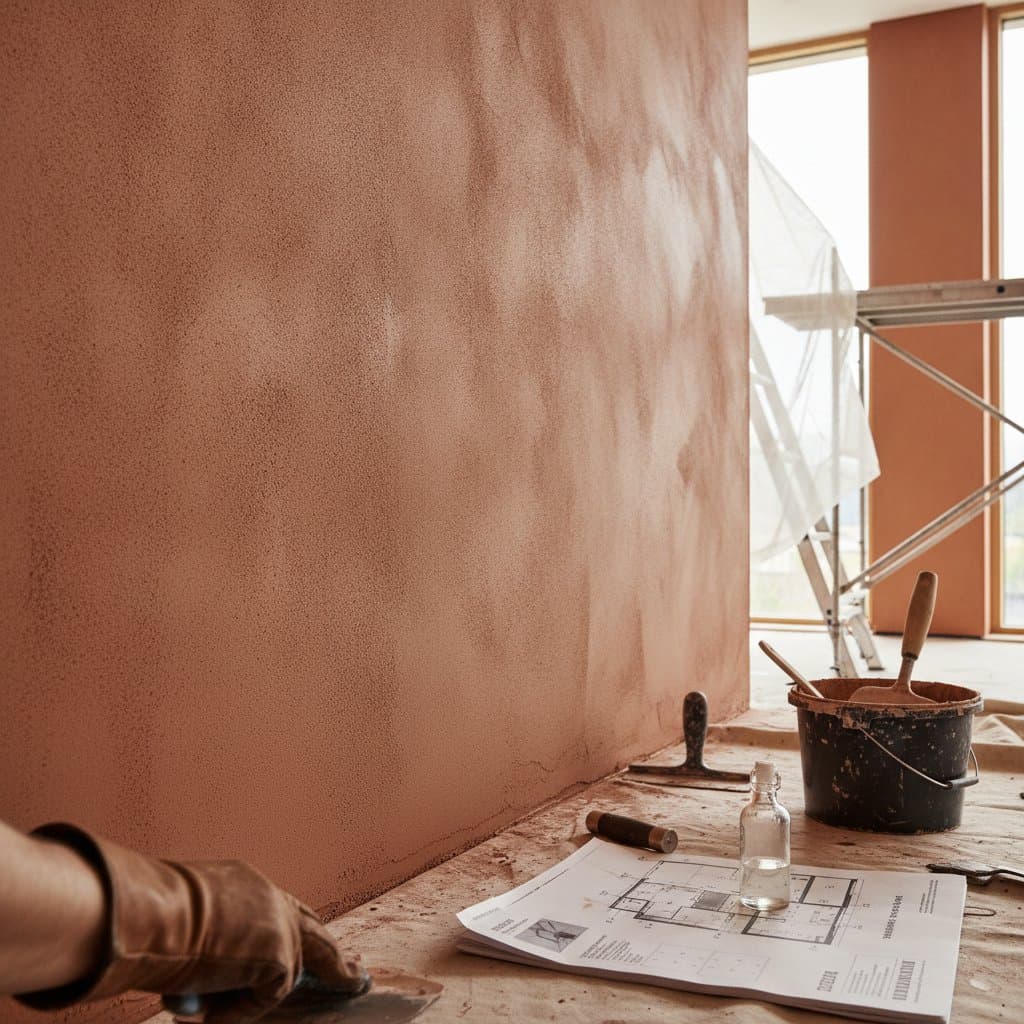
The makeup of Venetian plaster influences pricing significantly. Genuine lime formulations blended with marble powder and organic colorants command higher prices than manufactured substitutes. Superior components yield richer, luminous surfaces that bolster strength and impart the characteristic gentle luster of authentic Venetian plaster.
2. Surface Preparation
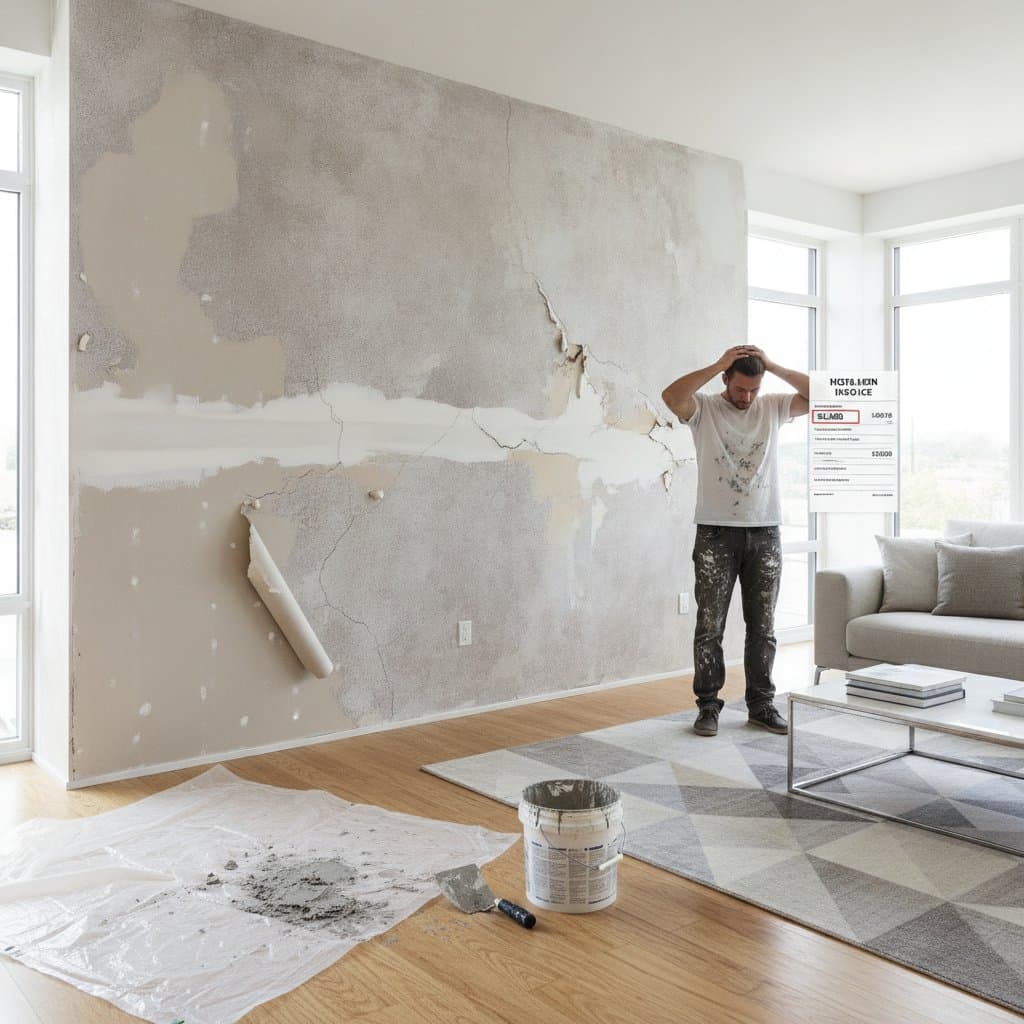
Surfaces require evenness and cleanliness prior to application. Addressing fissures, voids, or irregularities incurs an extra $1 to $3 per square foot. Neglecting this phase invites flaws to emerge in the completed layer, rendering preparation a vital expenditure.
3. Application Technique
Artisans apply Venetian plaster in successive slim coats, each methodically polished for dimension and pattern. Experts levy higher fees for elaborate stratification, hue integration, or lustrous infusions. Ventures demanding sophisticated patterns or intense shine extend working hours and elevate charges.
4. Room Size and Accessibility
Expansive areas demand greater resources and effort, though bulk applications sometimes lower unit costs. Confined or elevated zones, like staircases or arched ceilings, raise fees through prolonged labor and protective measures.
5. Finish Type
The intended aesthetic drives the ultimate expense. Subdued matte options prove more affordable, whereas buffed or shimmering variants necessitate advanced equipment and added work. Bespoke shades, patterning, or integrated motifs incur supplementary costs yet produce distinctive outcomes.
Detailed Cost Analysis by Finish Type
| Finish Type | Basic Range | Standard Range | Premium Range | Key Differences |
|---|---|---|---|---|
| Matte Lime Plaster | $8 - $10 | $10 - $14 | $14 - $18 | Smooth, subtle texture, minimal sheen |
| Polished Venetian Plaster | $10 - $14 | $14 - $20 | $20 - $25 | Glossy, marble-like surface with depth |
| Metallic Venetian Plaster | $12 - $16 | $16 - $22 | $22 - $28 | Reflective pigments, high visual impact |
| Marmorino Finish | $9 - $13 | $13 - $18 | $18 - $24 | Fine marble dust, soft glow, traditional elegance |
Cost Breakdown for a Medium Room Application
300 sq. ft. Room: Anticipate $3,500 to $6,000
- Basic lime plaster and labor: $2,400 - $3,000
- Surface preparation: $300 - $600
- Sealer and burnishing: $400 - $800
- Custom color or finish effects: $400 - $1,200
These projections cover supplies, workmanship, and concluding refinement. Spaces with pronounced patterns, variable illumination, or integrated features tend toward upper limits.
Value and ROI Considerations
Venetian plaster transcends mere ornamentation. It contributes tangible worth to residences via allure, endurance, and straightforward upkeep.
- Durability: Expert installation endures for years absent repainting or renewal. The lime foundation withstands fractures and discoloration superior to conventional coatings.
- Low Maintenance: Sealed properly, the coating deflects dampness and cleans readily with gentle detergent and liquid.
- Eco-Friendly Composition: Organic lime and marble elements minimize ecological footprint while moderating internal moisture.
- Resale Value: Premium treatments like Venetian plaster draw affluent purchasers and boost asset worth through superior interiors.
Although initial outlays exceed those for paint, subsequent reductions in care and heightened allure justify the commitment for those pursuing perpetual refinement.
Money-Saving Strategies
Owners can attain Venetian plaster’s grace affordably via targeted approaches.
- Prioritize Accent Walls: Limit application to select focal surfaces for pronounced effect at reduced expense compared to full coverage.
- Choose Simplified Finishes: Opt for matte or satin variants to capture Venetian essence minus the premium for intensive polishing.
- Prepare Surfaces in Advance: Manage initial cleansing or basic mending to shorten expert involvement.
- Schedule During Off-Peak Seasons: Lower demand periods frequently secure favorable terms from specialists.
- Compare Material Options: Engineered plasters replicate traditional lime aesthetics, trimming expenses by 20 to 30 percent.
Planning and Budgeting Guidance
Step 1: Define Your Project Scope
Specify application zones. Focal walls, lavatories, or comprehensive areas each imply distinct financial considerations. Accurately gauge area to estimate requirements.
Step 2: Request Detailed Estimates
Seek segmented proposals delineating supplies, effort, and groundwork. Such clarity reveals opportunities for efficiencies absent quality loss.
Step 3: Allocate a Contingency Fund
Reserve 10 to 15 percent for surprises like fixes, shade tweaks, or surplus layers. This buffer maintains fiscal equilibrium.
Step 4: Evaluate Finish Options
Consult specialists on how patterns or lusters impact charges and care. Certain variants demand periodic resealing or corrections.
Step 5: Plan for Longevity
Select resilient, moisture-resistant components, particularly in active or steamy locales. Marginal extra investment in excellence averts later costs.
Professional vs DIY Venetian Plaster
Venetian plaster embodies artistry and skill. Though kits for self-application exist, securing expert-level execution proves difficult. The layered method requires exactness, sequence, and proficiency.
- DIY Costs: $3 to $6 per square foot for components, plus implements and extras.
- Professional Costs: $8 to $25 per square foot, varying by style and elaboration.
Self-efforts suit minor focal areas or trials, yet broader expanses expose irregularities in pattern and luster without adept handling. Experts provide mastery in hue fusion, coating, and polishing for impeccable, robust results.
Long-Term Value Perspective
Venetian plaster delivers beyond visual charm. It elevates residential worth and livability via enduring advantages.
- Timeless Design: The treatment harmonizes with contemporary and classic schemes, sidestepping ephemeral fashions.
- Improved Air Quality: Lime foundations naturally curb mold and sequester carbon dioxide, fostering healthier indoors.
- Thermal Regulation: The substance stabilizes warmth and dampness, aiding efficiency.
- Sustainable Investment: Extended durability curtails repainting needs, conserving assets over periods.
Making Smart Decisions
Approach Venetian plaster projects with informed steps to maximize benefits. Assess needs against budgets, consult seasoned applicators, and focus on selections that align with lifestyle and space demands. This ensures a transformation that endures in style and function.
Frequently Asked Questions
1. What is the average cost for Venetian plaster in a typical home?
Most owners invest $8,000 to $14,000 for interior Venetian plaster. Per square foot, figures span $8 to $25, influenced by components, finish caliber, and design elaboration.
2. What factors have the biggest impact on Venetian plaster costs?
Primary influencers include component excellence, groundwork, area extent, and finish selection. True lime blends and lustrous applications prolong effort and raise totals, whereas engineered and subdued options diminish outlays.
3. How can I save money on Venetian plaster without sacrificing quality?
Target focal walls, select basic finishes, and ready surfaces beforehand. Obtain varied proposals for rate comparisons and time projects in quieter periods for rebates.
4. Should I hire professionals or attempt Venetian plaster as a DIY project?
Professionals ensure uniform pattern and luster. Self-projects economize on effort yet frequently yield inconsistencies. Specialists possess the aptitude and apparatus for the sleek, lavish outcome emblematic of Venetian plaster.
5. How do I budget for unexpected costs in Venetian plaster projects?
Incorporate 10 to 15 percent buffer into totals for modifications like restorations, added layers, or alterations. This provision affords adaptability sans monetary pressure.
6. When is the best time to start a Venetian plaster project for the lowest costs?
Periods of reduced specialist availability often provide superior pricing and prompt arrangements. Steer clear of excessive humidity or chill that hampers curing and caliber.