Why New 2026 VOC Rules Make Paint Jobs Last 3 Weeks
The upcoming changes to VOC regulations are reshaping how painting projects are scheduled, completed, and maintained. Homeowners and contractors alike are learning that what used to take a few days may now require several weeks. These new rules aim to reduce harmful emissions from paints and coatings, but they also alter drying times, curing durations, and material behaviors. Understanding how these rules affect your home improvement timeline and cost is essential for planning successful projects under the new standards.
What Are VOCs and Why They Matter
Volatile Organic Compounds, or VOCs, are chemicals that evaporate easily at room temperature. They are commonly found in traditional paints, varnishes, and solvents. When released into the air, VOCs contribute to indoor air pollution and can cause health and environmental concerns. The new regulations restrict the amount of VOCs allowed in paint formulations, pushing manufacturers to modify ingredients and create safer, eco-friendly alternatives.
While these new paints are better for air quality, they also behave differently during application and drying. Lower VOC content means less solvent to evaporate, which slows the curing process. This extended drying time directly affects how long a paint job takes to complete, especially in residential settings.
Cost Overview for Painting Under the New VOC Rules
The cost of interior painting under the new VOC regulations typically ranges from $3 to $8 per square foot, with most homeowners paying around $5 per square foot for a standard-quality finish. Exterior painting costs average $4 to $10 per square foot depending on surface condition, access, and local labor rates. The largest difference under the new rules is not the immediate material cost, but the extra time needed for each coat to cure properly.
Average Cost Ranges by Project Size
- Small room (up to 150 sq. ft.): $450 - $1,000
- Medium room (150 to 300 sq. ft.): $750 - $1,800
- Large room (over 300 sq. ft.): $1,500 - $3,000
- Entire house interior (2,000 sq. ft.): $6,000 - $14,000
Cost Breakdown per Square Foot
On average, painting costs include:
- Materials: $1 - $3 per sq. ft.
- Labor: $2 - $4 per sq. ft.
- Preparation and priming: $0.50 - $1.50 per sq. ft.
- Additional factors: $0.50 - $1 per sq. ft.
These estimates reflect the slower drying and additional scheduling adjustments that the new VOC regulations introduce.
Why Paint Jobs Now Take Three Weeks
Traditional paints relied on solvents that evaporated quickly, allowing crews to apply multiple coats in one day. Low-VOC paints use water and eco-safe additives instead, which dry more slowly. Under the new rules, curing time between coats can extend from a few hours to several days. For a full house, this extra time compounds, stretching a project that once took five days into a three-week process.
Key Reasons for Extended Timelines
-
Longer drying and curing times
The solvents that speed up drying are now limited, so low-VOC paints rely more on air circulation and ambient conditions. Each coat must fully cure before the next one can be applied, preventing tackiness and uneven finishes. -
Increased humidity sensitivity
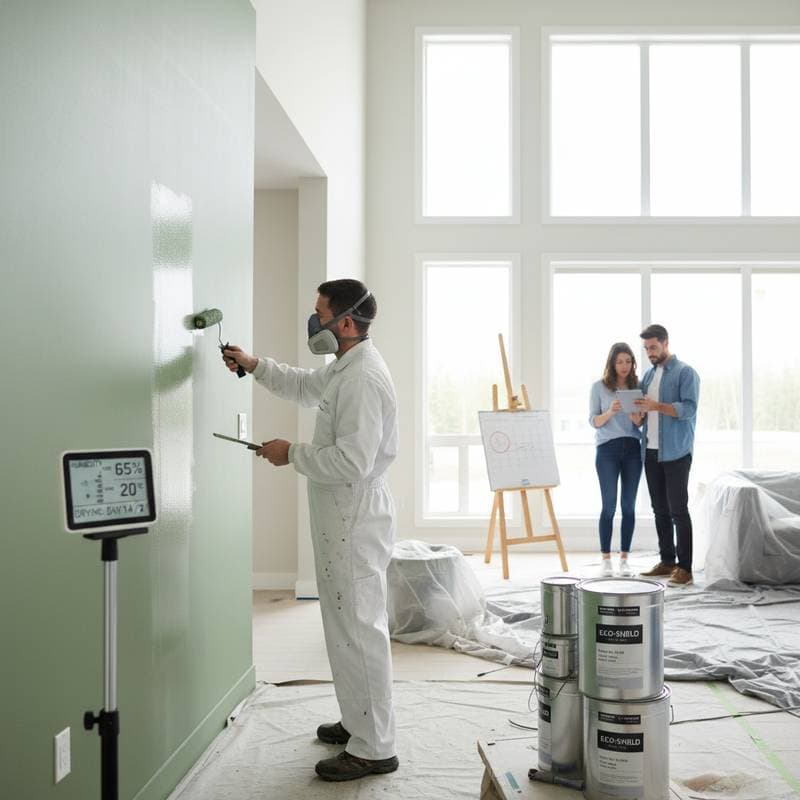
Low-VOC paints are more sensitive to temperature and humidity. High humidity can double drying time, requiring more careful scheduling and monitoring. -
Additional surface preparation
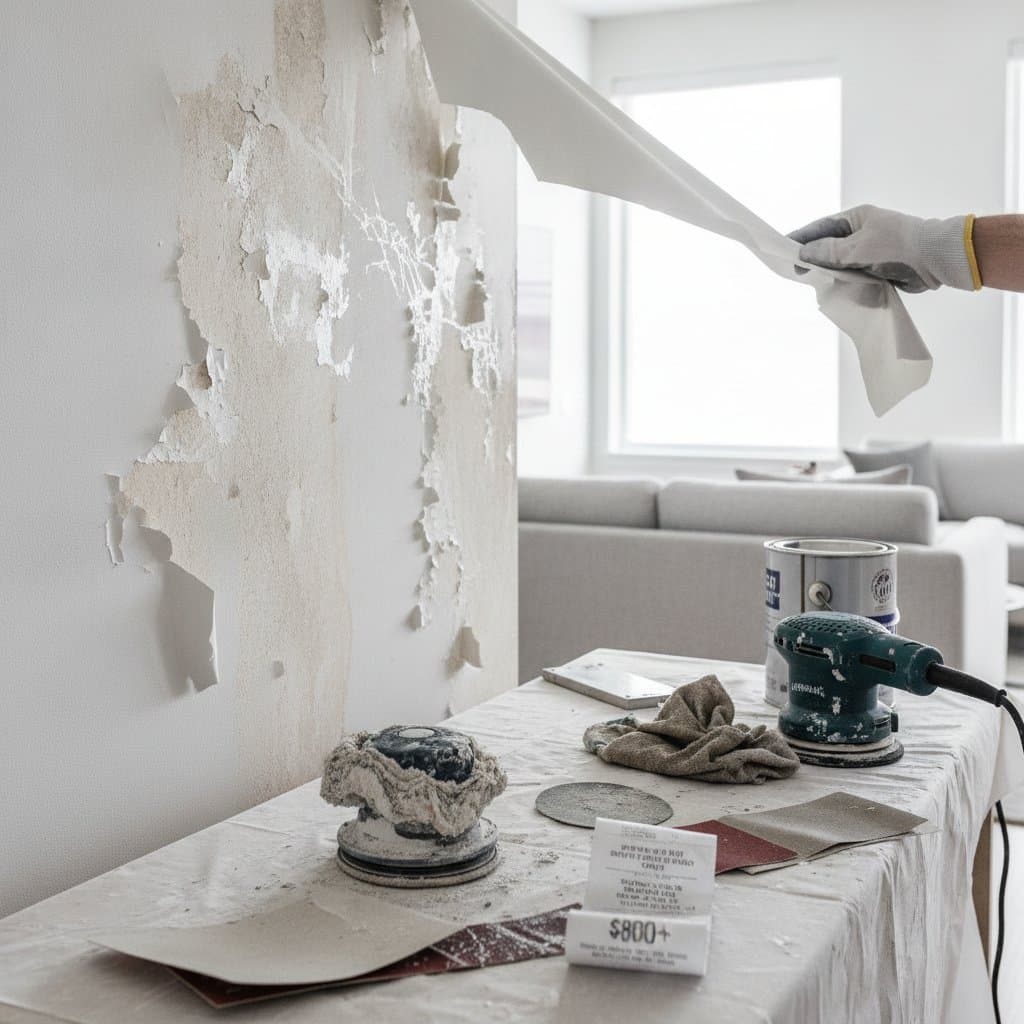
Eco-friendly paints adhere differently to surfaces, especially those previously painted with solvent-heavy products. Contractors may need extra preparation steps, such as deep cleaning, sanding, or priming with specialized sealers. -
More complex project sequencing
Since drying takes longer, multiple areas of a home cannot always be painted simultaneously. Crews must rotate between rooms or exterior sections, extending total project duration. -
Regulatory compliance checks
Professional painters may need to verify that all coatings and materials meet compliance standards, adding administrative steps to each project.
Detailed Cost Analysis by Paint Category
| Paint Type | Basic Range | Standard Range | Premium Range | Key Differences |
|---|---|---|---|---|
| Low-VOC Latex | $25 - $45 per gallon | $45 - $65 per gallon | $65 - $90 per gallon | Easy cleanup, moderate drying time, suitable for most interiors |
| Zero-VOC Acrylic | $30 - $50 per gallon | $50 - $75 per gallon | $75 - $100 per gallon | Eco-friendly, lower odor, slower curing, great for sensitive environments |
| Natural Mineral Paint | $40 - $70 per gallon | $70 - $95 per gallon | $95 - $120 per gallon | Made from natural ingredients, durable finish, longest drying time |
While material costs are slightly higher, the main expense increase comes from labor hours tied to extended drying and curing.
Factors Affecting Painting Costs and Duration
1. Project Size and Complexity
Larger homes or multi-room projects take longer due to surface area and sequential scheduling. Intricate trim, vaulted ceilings, or detailed surfaces add complexity and labor hours.
2. Surface Preparation
Surfaces painted with high-VOC products may require additional cleaning or priming before applying new low-VOC coatings. Failure to do so could lead to peeling or poor adhesion, increasing long-term maintenance costs.
3. Paint Quality and Type
Higher-quality low-VOC paints often deliver better coverage and durability but require longer curing times. These paints reduce long-term repainting needs and maintain color integrity over time.
4. Environmental Conditions
Temperature and humidity directly influence paint drying. Low-VOC paints perform best in moderate conditions with good airflow. During humid or cool weather, drying can slow by several days, extending total project duration.
5. Labor Availability and Scheduling
Painters working under new compliance standards may space out projects to maintain quality and meet VOC guidelines. This affects scheduling flexibility and overall project length.
6. Permits and Compliance
Some municipalities require documentation verifying the use of compliant materials. This can add small administrative costs but ensures full regulatory adherence.
Cost Comparison Example: Traditional vs. VOC-Compliant Painting
| Project Type | Traditional Paint | Low-VOC Paint | Zero-VOC Paint |
|---|---|---|---|
| Average Material Cost | $35 per gallon | $50 per gallon | $70 per gallon |
| Average Labor Time | 3-5 days | 10-14 days | 14-21 days |
| Estimated Total Cost (1,000 sq. ft.) | $2,500 | $3,200 | $3,800 |
| Durability | Moderate | High | Very High |
| Odor and Emissions | High | Low | Minimal |
The comparison shows that low- and zero-VOC paints increase total project cost by roughly 20 to 40 percent due to longer labor times and higher material prices. The tradeoff is a healthier indoor environment and longer-lasting finishes.
Value and Long-Term Benefits
Although the upfront cost and duration may seem higher, low-VOC paints offer lasting value. These products resist fading, maintain color vibrancy, and reduce the need for frequent repainting. Over a 10-year period, homeowners often spend less overall compared to using traditional solvent-based paints.
Long-Term Value Factors
- Healthier indoor air: Reduces exposure to harmful chemicals.
- Durable finishes: Lower maintenance and fewer touch-ups.
- Improved resale value: Eco-friendly upgrades appeal to future buyers.
- Environmental benefits: Reduced emissions help meet sustainability goals.
Money-Saving Strategies Under the New Regulations
Homeowners can manage costs effectively by planning carefully and coordinating with experienced professionals familiar with VOC-compliant materials.
Practical Cost Reduction Methods
- Select mid-range paints that meet compliance but balance price and quality.
- Prepare surfaces in advance by cleaning walls and removing old finishes yourself.
- Schedule projects during optimal weather for faster drying and lower labor costs.
- Bundle multiple rooms to reduce setup and cleanup costs between jobs.
- Compare contractor quotes to ensure fair pricing under new compliance standards.
- Request detailed drying schedules from painters to coordinate space usage during the extended timeline.
Planning Your Budget
To plan effectively under the new VOC rules, homeowners should adjust both financial and time expectations. Begin by estimating total square footage, then apply current unit cost ranges. Include a contingency of about 15 percent for unexpected delays or extra materials. Discuss the full timeline with your contractor, including drying intervals, ventilation requirements, and potential weather delays.
Budget Framework Example
| Budget Category | Estimated Range | Notes |
|---|---|---|
| Materials | $1,000 - $2,000 | Based on quality and VOC compliance |
| Labor | $2,000 - $4,000 | Longer drying time increases labor days |
| Preparation | $500 - $1,200 | Includes cleaning, sanding, priming |
| Contingency | $500 - $1,000 | Covers delays and additional supplies |
| Total Estimated Budget | $4,000 - $8,200 | Standard mid-size home interior |
Planning ahead helps avoid rushed applications that can compromise finish quality.
Making Smart Decisions
Choosing low-VOC or zero-VOC paint aligns with modern environmental standards and promotes healthier spaces. While the extended timeline may feel inconvenient, the benefits outweigh the delay. Homeowners gain longer-lasting finishes, improved indoor air quality, and peace of mind knowing their renovation supports sustainability goals.
When selecting a contractor, ask about their experience with low-VOC materials, drying management, and ventilation strategies. Skilled painters understand how to balance efficiency with compliance, ensuring the final finish meets both aesthetic and environmental expectations.
Frequently Asked Questions
1. What is the average cost for painting under the new VOC rules?
The average cost ranges from $3 to $8 per square foot for interior spaces and $4 to $10 per square foot for exteriors. Final pricing depends on paint type, surface condition, and project complexity. Labor costs may increase slightly due to longer drying and curing times.
2. What factors have the biggest impact on painting costs under VOC regulations?
The largest factors include paint quality, surface preparation, environmental conditions, and project size. Low-VOC paints dry more slowly, which extends labor hours. Humidity and temperature also play major roles in determining how long each coat takes to set.