Understanding the Dopamine Color Trend and Its Impact on Home Values
Color profoundly shapes perceptions of living spaces, yet the dopamine color trend elevates this influence through its focus on joy and vitality. These hues, inspired by psychological principles that promote happiness, include vibrant shades like coral and turquoise alongside softer options such as lilac and sky blue. Recent analyses from design experts and real estate professionals reveal that properties incorporating these palettes sell more quickly and command prices up to 12 percent higher than similar homes with traditional neutral schemes.
This value increase stems from more than aesthetics; it reflects a strategic alignment with buyer psychology. In a market where emotional resonance drives decisions, dopamine colors create environments that evoke positivity and memorability. Homeowners invest in paint, a cost-effective upgrade, to transform ordinary interiors into compelling assets that stand out in listings and open houses.
The trend gains traction as societal priorities shift toward well-being. Post-pandemic, individuals seek homes that support mental health, and vibrant yet balanced colors deliver that support. By 2026, experts predict widespread adoption, making early implementation a smart move for property enhancement.
The Psychological Appeal Driving Buyer Interest
Buyers form opinions rapidly, often within the first few minutes of entering a property. Light interacts with color to set the tone, influencing subconscious reactions. Dopamine colors excel here by stimulating feelings of energy and calm, helping visitors envision fulfilling lifestyles within the space.
Consider a living room painted in soft peach with accents of deep teal. Such a combination conveys warmth and sophistication, prompting buyers to linger and explore. Real estate data supports this: homes with uplifting palettes receive 20 percent more offers on average, as the positive atmosphere fosters stronger emotional bonds.
Agents emphasize that neutral tones, while safe, rarely inspire the same enthusiasm. In contrast, thoughtfully applied dopamine shades differentiate a property, turning viewings into memorable experiences. This emotional pull translates directly to competitive bidding and elevated sale prices.
Selecting Dopamine Shades for Maximum Effect
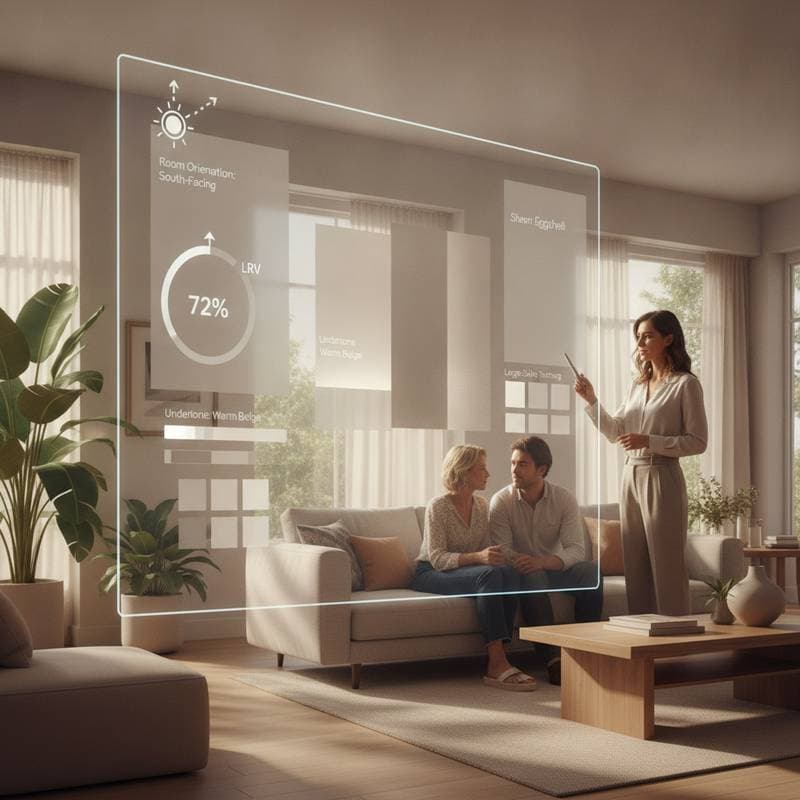
Selection begins with assessing the room's purpose and natural light. Energy-focused areas like kitchens benefit from bold choices such as citrus orange or bright turquoise, which invigorate daily routines. For relaxation zones, opt for calming variants like lavender or gentle blush to promote tranquility without overwhelming the senses.
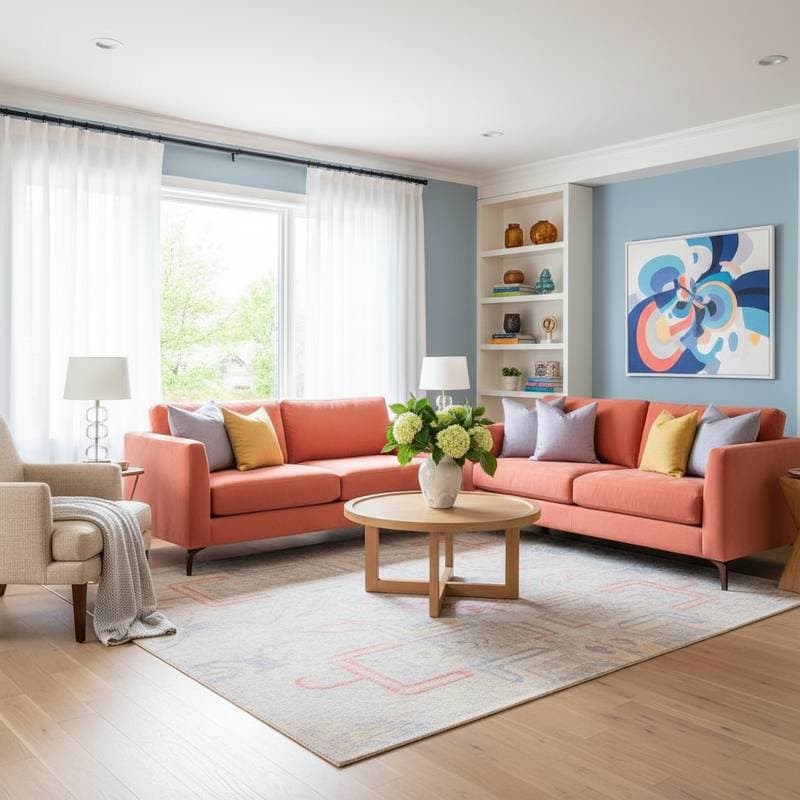
Balance remains key to avoiding visual fatigue. Pair vibrant dopamine hues with neutrals such as warm cream, soft gray, or beige sand to ground the palette. This approach ensures the space feels cohesive and timeless, appealing to a broad range of buyers.
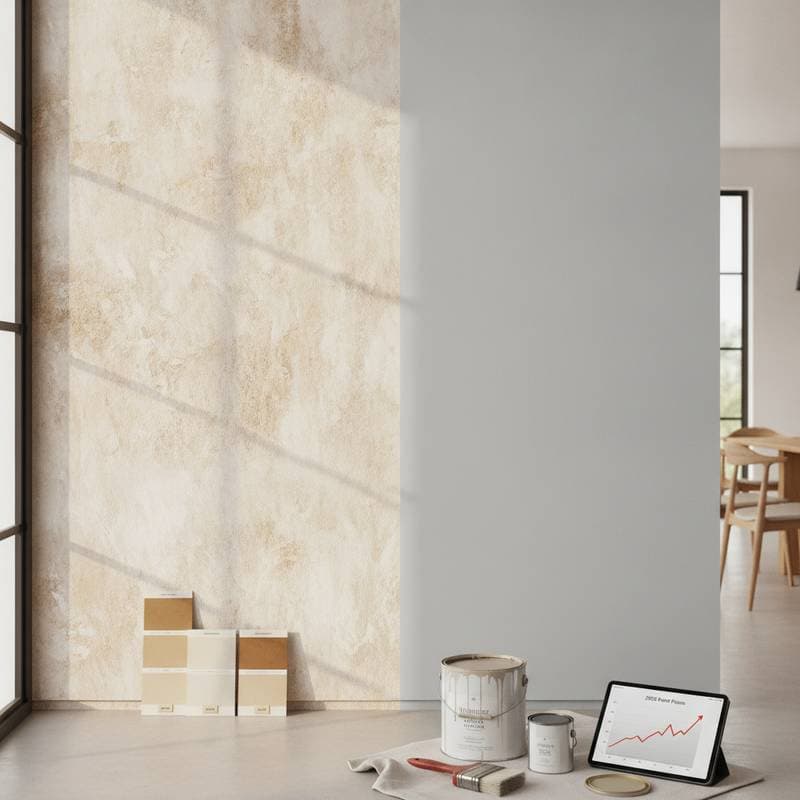
Incorporate depth through strategic accents. An emerald green feature wall in a dining area adds richness, while peacock blue on cabinetry introduces subtle luxury. Test samples extensively: apply them to poster-board sized swatches and observe under various lighting conditions, from morning sun to artificial evening glow. The ideal shade consistently evokes a sense of uplift.
Consider personal style alongside market trends. While coral doors signal welcoming energy at entryways, sky blue ceilings mimic open skies, enhancing perceived spaciousness. These details, when executed well, contribute to the projected 12 percent value boost by making the home feel uniquely inviting.
Professional Applications in Real Estate and Design
Industry leaders recognize the commercial potential of dopamine colors. Paint companies develop dedicated collections, featuring durable, low-VOC formulas in trending shades to meet rising demand. Home stagers integrate these palettes into preparation services, advising clients on combinations that highlight architectural strengths.
Developers experiment in showcase units to demonstrate appeal. A model home with a lilac-accented bedroom or turquoise-tiled bathroom showcases how color elevates standard builds. These elements create brand identity, attracting buyers who associate the property with modern, feel-good living.
Investors calculate returns carefully. A full interior refresh using dopamine tones costs far less than structural changes yet yields comparable or superior appreciation. For instance, updating a dated kitchen with orange cabinetry and neutral counters can increase perceived value by thousands, based on comparable sales data.
Consult local professionals for tailored advice. Painters experienced in trend application ensure even coverage and longevity, maximizing the investment. As adoption grows, properties without such updates risk appearing outdated in competitive markets.
Implementing Dopamine Colors Practically
Start with a color mood board to visualize harmony. Gather fabric swatches, digital images, and paint chips that reflect desired emotions. This tool guides decisions, preventing mismatched results that could detract from value.
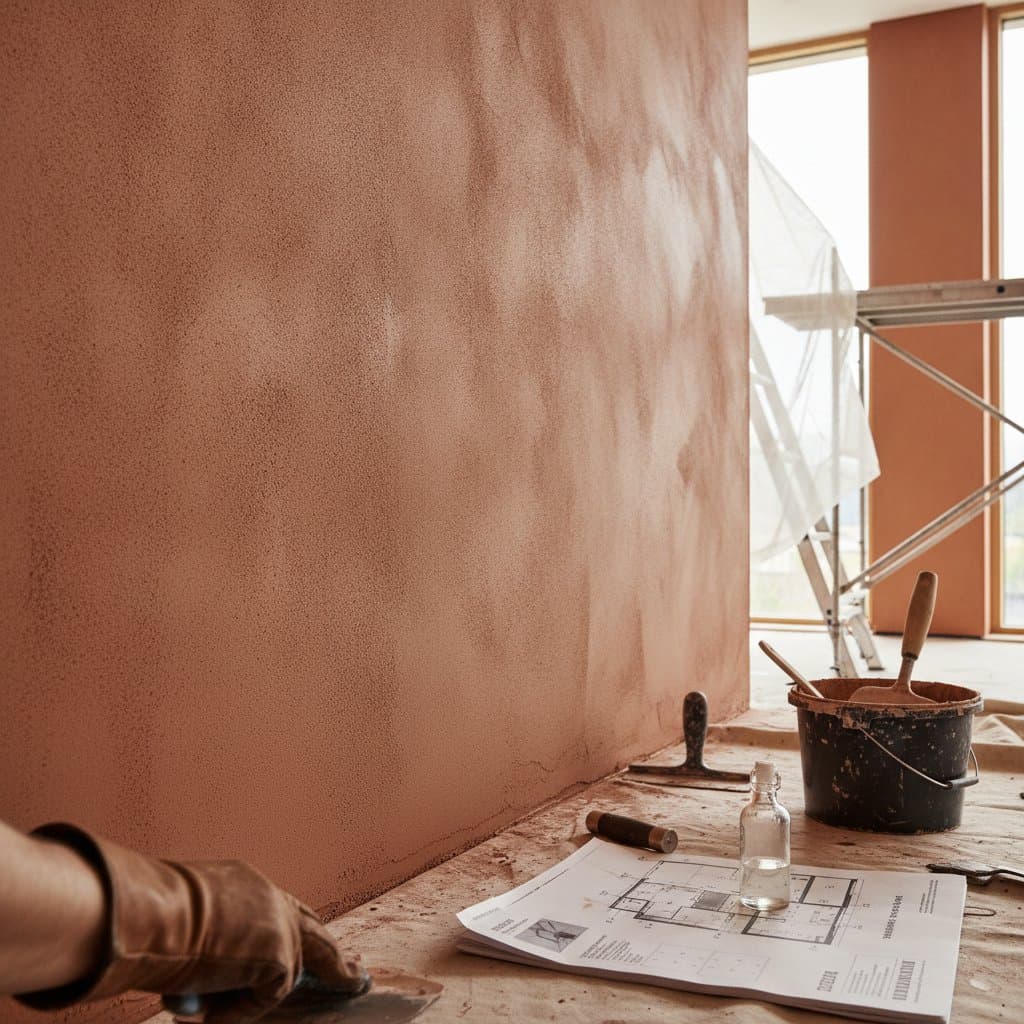
Prepare surfaces meticulously: clean walls, repair imperfections, and prime for adhesion. Apply two coats minimum for vibrancy, using high-quality brushes or rollers suited to the finish. Matte sheens soften bold hues, while semi-gloss adds durability in high-traffic areas.
Budget wisely by prioritizing high-impact zones. Refresh the front door in coral for curb appeal, or accent a hallway in turquoise to draw attention inward. These targeted updates deliver outsized returns, aligning with the 12 percent projection without extensive spending.
Monitor trends through design publications, but adapt to your home's architecture. A mid-century modern space thrives with geometric patterns in dopamine shades, while traditional homes suit softer integrations. This customization ensures the colors enhance rather than clash.
Maintaining and Evolving Your Color Choices
Embrace dopamine colors as enduring elements of well-being. They support daily mood through consistent exposure to joyful stimuli. Over time, this fosters a positive home environment that benefits occupants and future buyers alike.
Adapt as needs change without full repaints. Introduce neutrals via furniture or rugs to tone down intensity, or use peel-and-stick wallpapers for pattern overlays. These methods allow flexibility, preserving the core emotional value.
Regular maintenance preserves vibrancy: dust gently and touch up scuffs promptly. In humid areas, select mold-resistant paints to sustain appearance. A well-kept palette reinforces the home's appeal, solidifying its market position.
Ultimately, dopamine colors deliver dual rewards: enhanced living experiences and financial gains. By infusing spaces with thoughtful hues, homeowners create legacies of joy that resonate emotionally and economically, positioning properties for success in 2026 and beyond.