Why Terracotta and Olive Are Dominating 2026 Paint Trends
Warm, natural tones continue to influence interior design decisions, with terracotta and olive emerging as frontrunners for 2026. These colors deliver a profound sense of tranquility, warmth, and harmony with the natural world that resonates deeply with homeowners. Beyond their visual charm, terracotta and olive demonstrate remarkable adaptability, integrating seamlessly into diverse aesthetics from rustic farmhouses to sleek minimalist environments. This versatility positions them as enduring favorites in the evolving landscape of paint selections.
The Surge of Earth-Toned Palettes
Homeowners increasingly favor terracotta and olive over stark, cool palettes, signaling a shift toward sustainable and rooted living practices. This movement emphasizes organic elements and balanced spaces that evoke serenity. The subtle clay-inspired reds and subdued greens of these hues mirror serene landscapes, allowing individuals to infuse outdoor essence into indoor settings without visual clutter. Designers highlight how such colors promote emotional well-being by fostering environments that feel nurturing and alive.
Exploring Terracotta's Enduring Charm
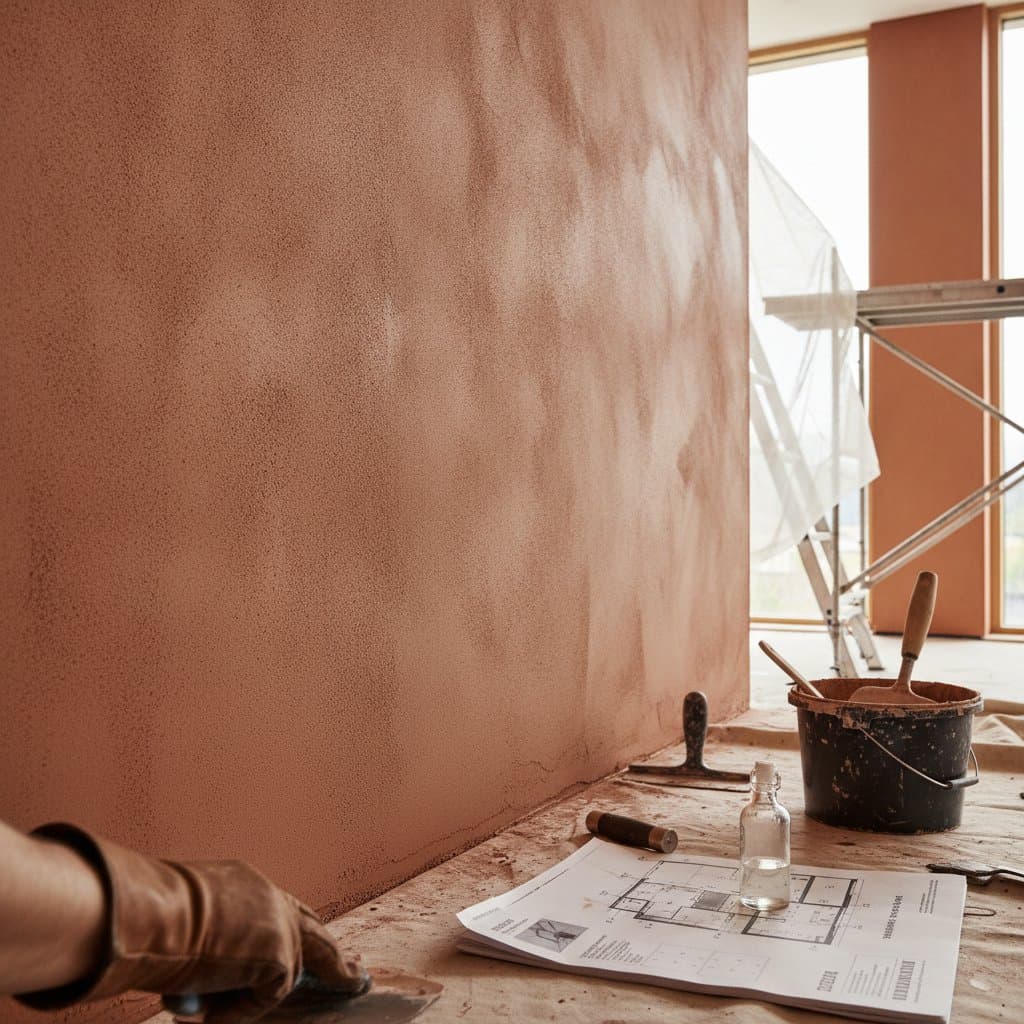
Terracotta evokes the textured warmth of sun-warmed earth and arid terrains, providing a layered depth that enhances both classic and forward-thinking interiors. In living areas, it serves as a hospitable foundation that harmonizes with understated upholstery and wooden accents. Kitchens and dining spaces benefit from its energizing yet comforting presence, which naturally draws people together for shared moments.
Professionals recommend applying terracotta in sunlit rooms to amplify its golden undertones, creating an atmosphere of subtle luxury. Opt for it on feature walls or intricate moldings to achieve a sophisticated, multidimensional effect. Pair it with off-white creams, sandy beiges, or pale grays to unlock endless styling possibilities that evolve with personal tastes.
The Grounded Elegance of Olive Green
Olive green earns its prominence through a calming, anchored essence that strikes a perfect balance between subtlety and vibrancy. This shade delivers refined depth without dominating the surroundings, making it a staple for thoughtful interior schemes. It integrates effortlessly with raw timber elements, stone surfaces, or sleek matte hardware, elevating everyday spaces to levels of quiet opulence.
Bedrooms find in olive a gentle ally for unwinding, as its muted tones soothe the senses and invite restorative sleep. In high-traffic zones like kitchens or home offices, it sustains focus amid a backdrop of invigorating freshness. Select olive for primary surfaces or cabinet fronts to cultivate an organic vibe that withstands passing fads.
Harmonizing Terracotta with Olive
Pairing terracotta and olive yields a cohesive scheme that blends rustic authenticity with contemporary poise. Terracotta infuses vitality and glow, while olive contributes stabilizing coolness and poise. This duo establishes subtle tension that anchors rooms, ensuring visual interest remains controlled and intentional.
Experts suggest designating terracotta for expansive walls and olive for edging or focal points, a tactic that unifies open layouts and promotes seamless transitions. Incorporate supportive items such as handwoven floor coverings, polished metal hardware, and breathable fabric drapes to amplify the palette's innate harmony. Such combinations not only beautify but also adapt to seasonal shifts in lighting and mood.
Budgeting for Your Terracotta or Olive Painting Project
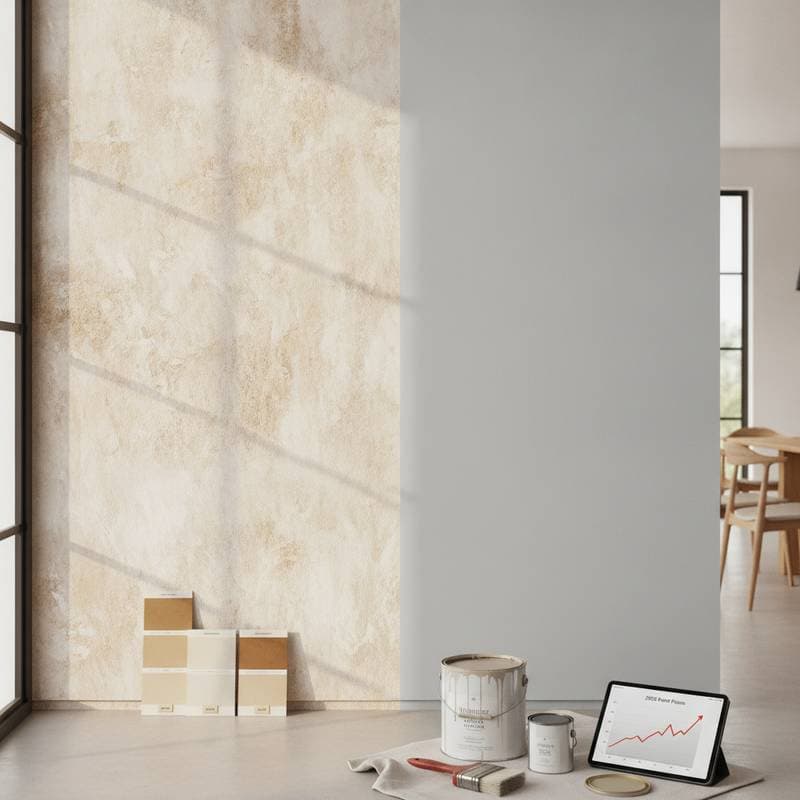
Embarking on a repaint with these popular shades requires thoughtful financial planning to align with project scope and quality expectations. Interior painting generally falls between $3 and $7 per square foot, influenced by wall preparation needs, selected paint grade, and workforce expertise. Opt for high-performance options featuring enhanced color saturation and eco-friendly compositions, which justify the investment through extended wear and minimal upkeep.
Standard cost allocation per square foot:
- Materials: $1 to $2, covering premium paint and essential tools
- Labor: $2 to $4, varying with ceiling elevations and surface complexities
- Prep work and fixes: $0.50 to $1, including filling cracks, smoothing textures, and applying base coats
Specialized applications, like faux terracotta textures or glossy olive variants, may increase expenses by $1 to $3 per square foot, rewarding the effort with distinctive results.
Key Influences on Painting Expenses
Multiple elements shape the overall outlay for incorporating terracotta or olive into your home.
Scale and configuration: Expansive areas demand greater quantities of materials and time, while intricate details like high arches or ornate borders escalate labor demands.
Wall readiness: Pristine, even surfaces expedite the process, whereas imperfections necessitate extensive priming and restoration efforts.
Paint specifications: Superior formulations provide denser hues, fewer coats, and prolonged resistance to wear, offsetting initial costs with reduced future touch-ups.
Expert assistance versus self-application: Engaging skilled painters guarantees precise results and efficiency, though independent efforts cut personnel fees at the expense of personal investment in time and technique.
Realizing Lasting Value from Earthy Tones
Investing in terracotta and olive extends beyond immediate aesthetics to yield substantial long-term advantages. These hues resist datedness, adapting fluidly to decor refreshes and lifestyle changes while preserving their inherent allure. Homeowners report heightened satisfaction from spaces that promote relaxation and connection, potentially boosting property appeal in future markets.
Moreover, durable paints minimize repainting frequency, conserving resources and funds over time. By selecting low-emission products, individuals contribute to healthier living environments, aligning personal style with broader wellness goals. This strategic choice transforms routine updates into meaningful enhancements that enrich daily experiences.
Frequently Asked Questions
What does it typically cost to refresh a room in terracotta or olive?
Homeowners generally allocate $3 to $7 per square foot, factoring in surface prep, paint caliber, and service fees.
Which shade suits compact rooms more effectively?
Olive visually retreats, expanding the perception of space in tighter confines, whereas terracotta instills cozy depth without constriction.
In what ways can one economize on a painting endeavor?
Select reliable mid-tier paints for optimal performance at moderate prices. Perform basic surface tasks independently and time the project for off-peak periods to secure favorable contractor rates.
Matte or satin: Which finish complements these shades?
Matte provides a velvety, understated elegance for lounging and sleeping quarters. Satin withstands splashes and simplifies maintenance, suiting culinary and bathing areas.
Do terracotta and olive qualify as enduring selections?
Indeed, their organic profiles transcend trends, harmonizing with varied furnishings and sustaining relevance across decades.
Optimal timing for arranging painting services?
Seasons with temperate climates facilitate uniform drying and shortened cure periods, ensuring flawless outcomes.