Why Skipping Sanding Costs DIYers $800 in Repairs
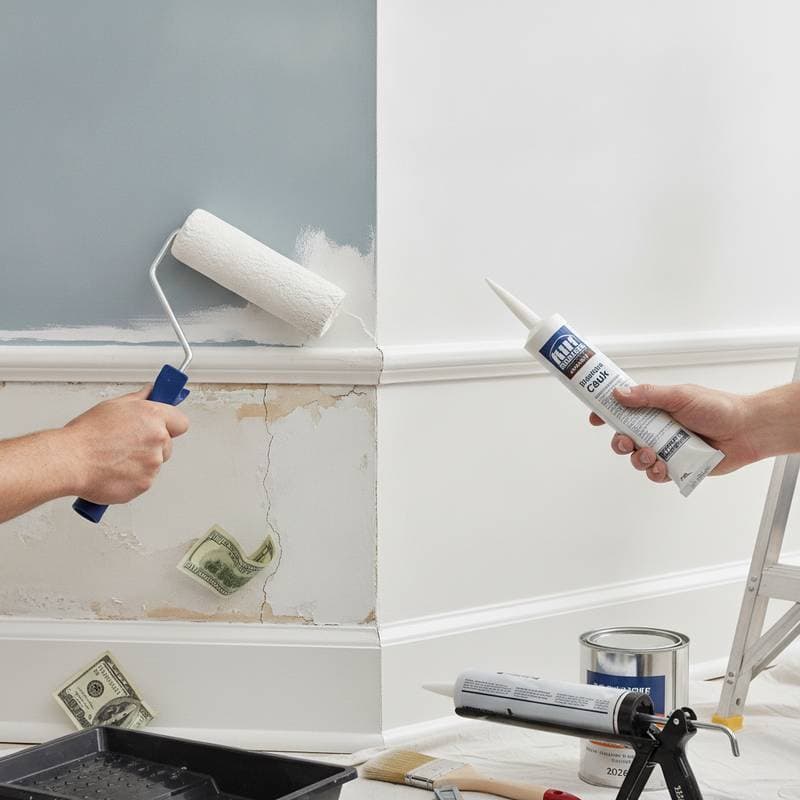
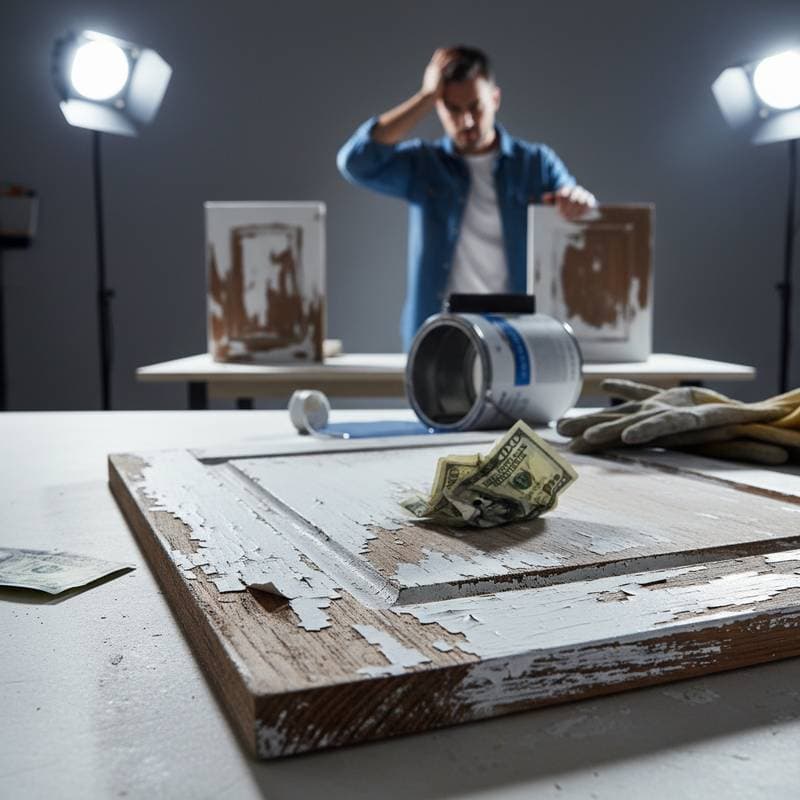
Homeowners often launch into painting projects with high energy, ready to transform their spaces. Yet, months down the line, peeling paint, bubbling walls, or stubborn rough spots emerge. The frequent cause of these issues lies in overlooking sanding, a vital preparation step that ensures strong adhesion and smooth results. Neglecting it results in uneven finishes and repair bills that climb into the hundreds.
Sanding establishes the base for paint to bond effectively, appear even, and endure over time. High-quality paints and primers falter without this foundation. Grasping the importance of sanding and mastering the technique saves effort, aggravation, and substantial expenses.
The Role of Sanding in Surface Preparation
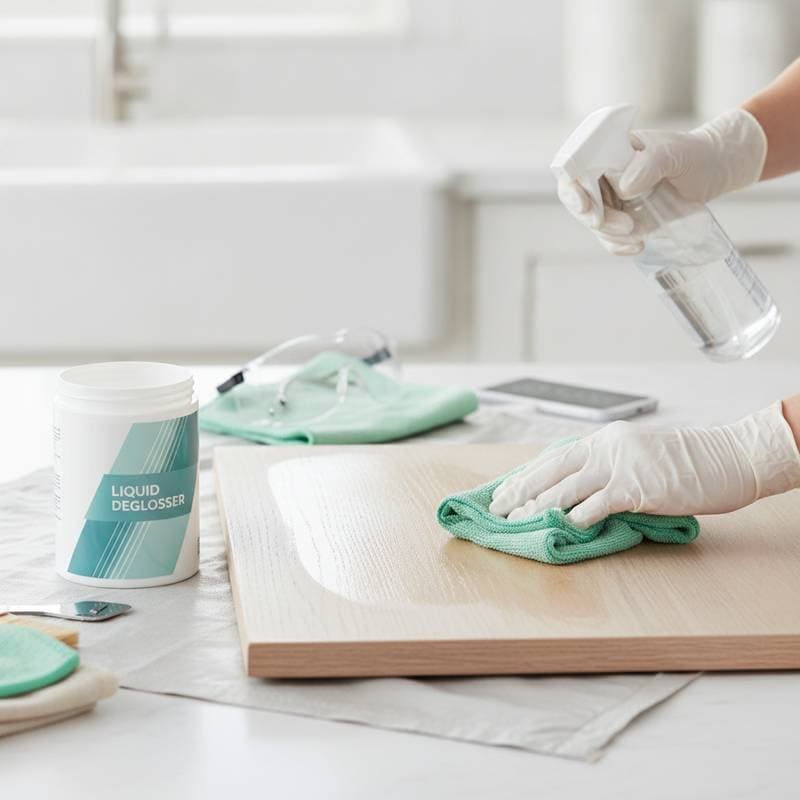
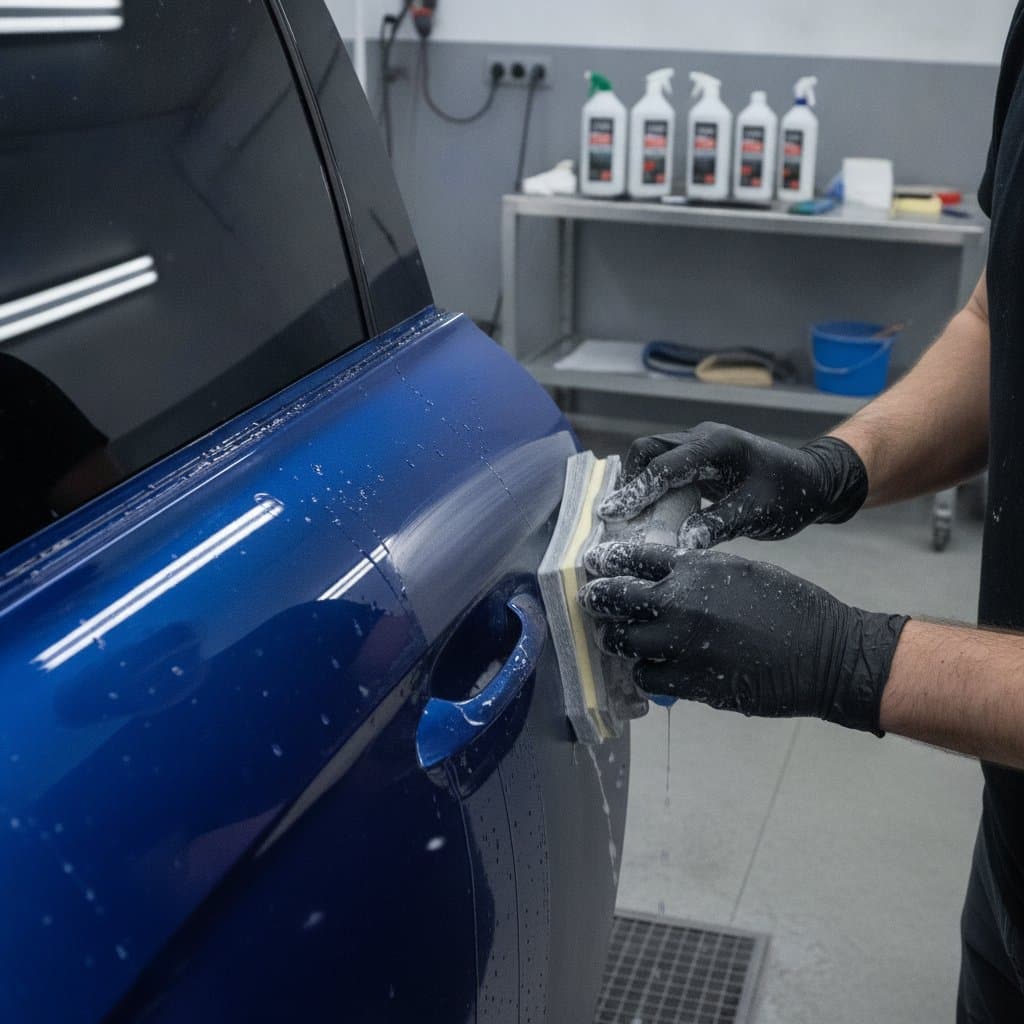
Sanding performs multiple essential functions. It levels rough spots, clears away old paint flakes, and exposes tiny surface pores for better coating grip. On existing painted areas, it dulls the gloss, allowing primers and paints to adhere rather than slip away.
New drywall or wood surfaces demand gentle sanding to remove raised fibers, dust particles, and minor flaws. Paint over an unprepared surface merely rests atop it, inviting cracks and peeling soon after application. Initial appearances may deceive, but defects surface quickly.
Different materials, from drywall to trim and exterior siding, all gain from sanding. The intensity varies by surface, yet omitting it entirely breeds issues beyond mere looks.
Project Cost Breakdown
Average Cost Ranges
- Basic repaint with proper sanding: $2,500 - $3,500
- Repainting after sanding errors or peeling: $3,200 - $4,300
- Full repair and repaint after adhesion failure: $3,800 - $5,000
What's Included
- Surface cleaning and light sanding for adhesion
- Priming plus two coats of paint
- Minor patching and caulking
- Cleanup and final inspection
What Costs Extra
- Paint removal and heavy sanding for failed coatings: $400 - $800
- Drywall repair from peeling or bubbling: $200 - $600
- Trim replacement due to moisture damage from poor sealing: $300 - $900
Factors That Affect Final Cost
| Factor | Cost Impact | Examples |
|---|---|---|
| Surface condition | Moderate to high | Peeling or shiny paint extends prep time |
| Paint quality | Moderate | Inferior paint demands additional coats |
| Labor rate | High | Regional differences and project scale |
| Surface type | Moderate | Rough wood or textured walls need extended sanding |
Bypassing sanding triggers at least one extra expense. A few hours saved upfront can translate to hundreds more in fixes within months.
Why Skipping Sanding Leads to Expensive Repairs
Inadequate adhesion causes paint to lift or bubble. Fixes demand stripping the surface, resanding, and full repainting, far exceeding simple touch-ups. Labor intensifies because it covers both removal and renewal.
Weak bonds also permit moisture entry. Gaps under lifting paint allow water to infiltrate wood or drywall, fostering rot, mold, or structural decay. Addressing these damages before repainting escalates expenses significantly.
Sanding forges the critical connection between surface and coating. Absent this, paint becomes a temporary veneer instead of a robust layer.
The Science Behind Paint Adhesion
Adhesion relies on mechanical and chemical processes. Mechanical bonding fills micro-scratches . Chemical bonding forms when paint or primer interacts with the surface for a firm hold.
Unsanded areas prove too slick or soiled for these mechanisms. Gloss, oils, and grime block even attachment. Sanding disrupts these barriers, securing anchors for subsequent layers.
A finely sanded surface yields a tactile smoothness post-painting. Omitting it leaves hidden ridges that show through dried paint.
Timeline Expectations for Proper Sanding
Allocate time for sanding in every project plan. A typical room requires two to four hours, scaled by condition and dimensions. Extensive exteriors might consume a full day just for prep.
Professionals integrate sanding seamlessly, often between primer and paint for optimal grip and uniform sheen. Rushed homeowner efforts seldom match this, risking premature failures and redo costs.
Professional vs. DIY Guidance
When DIY Makes Sense
Tackle small tasks like a single wall, door, or minor refresh with DIY sanding. Sanding sponges or 120-grit paper suffice for sound surfaces. Light abrasion plus meticulous cleaning often delivers solid outcomes.
When to Hire a Professional
Opt for experts on expansive jobs, textured walls, or severe damage. They deploy orbital sanders, vacuums, and barriers for uniform results and minimal mess. Balanced technique prevents surface harm.
Professionals sidestep common pitfalls like unevenness or marks. Initial investment averts later full-scale repaints.
Contractor Selection for Surface Preparation
Select painters by scrutinizing their prep approach, not just bids. Inquire about sanding methods and materials. Credible contractors detail their surface strategies.
Key Evaluation Points
- Experience and specialization: Seek firms highlighting prep in offerings.
- References and photos: Review work showing flawless, mark-free finishes.
- Written estimates: Ensure breakdowns of sanding, priming, and painting costs.
- Licensing and insurance: Verify protections against mishaps.
- Communication: Expect clear timelines and expectations.
Contracts specifying prep steps foster clarity and responsibility.
Process Preparation for Homeowners
Ease sanding by prepping ahead:
- Clear spaces: Relocate furniture, protect floors, and take down decor.
- Spot issues: Flag peels, cracks, or roughness for focus.
- Select grit: Use 120-150 for walls; 180 for trim and doors.
- Clean first: Eliminate dust, oils, and residues to avoid clogs.
Post-sanding, wipe with a damp or tack cloth to banish dust. Lingering particles sabotage paint bonds.
Common Sanding Mistakes That Lead to Damage
DIY efforts falter on these errors:
- Wrong grit progression: Coarse starts or fine ends create inconsistencies.
- Inconsistent pressure: Excess digs gouges; insufficient leaves residue.
- Poor post-cleaning: Dust undermines adhesion.
- Overlooking gloss: Shiny zones invite future peels.
- Haste: Uniform coverage demands steady pacing.
Such slips heighten failure odds, potentially costing $500 to $1,000 in fixes. Trained pros evade them via disciplined methods.
Quality Assurance and Inspection
Sanded surfaces should feel smooth yet grippy. Inspect under bright light for overlooked gloss or roughness. Post-paint, even sheen and hue signal thorough prep.
Scrutinize edges, corners, and trim closely; these spots often escape attention and peel first if unsanded.
Building Lasting Results Through Prep
View preparation as the project's core, not an add-on. Dedicate resources to sanding, priming, and checks before painting. This extends paint life for years, dodging early breakdowns.
In bids, probe prep details. Bargain rates might skimp on sanding, leading to inflated future outlays. Solid groundwork safeguards your home's look and structure.
Frequently Asked Questions
How much does it cost to repair peeling paint caused by poor sanding?
Interior wall fixes range from $400 to $800, higher for exteriors. Steps include scraping, sanding, priming, and repainting. Moisture complications may necessitate material replacements, raising totals.
How long should proper sanding take before painting?
Expect two to four hours for a medium room. Damaged or vast areas extend this. Patience here prevents flaws and weak bonds.
When is DIY sanding acceptable and when should a contractor handle it?
DIY suits minor, stable surfaces. Pros excel on big, complex, or failed jobs with superior tools and control.
What are the signs that a contractor skipped proper sanding?
Look for unevenness, strokes, or quick peeling. Pre-paint slickness flags insufficient work. Demand prep specifics upfront.
Can primer replace the need for sanding?
Primer seals but requires a textured base. Over smooth surfaces, it fails, causing flakes soon after.
How can homeowners prevent sanding mistakes that lead to costly repairs?
Match grit to surface, apply even pressure, and clean meticulously. Test small zones for adhesion. Engage pros for tricky sections like exteriors.