The Essential Step Professionals Never Skip in Painting
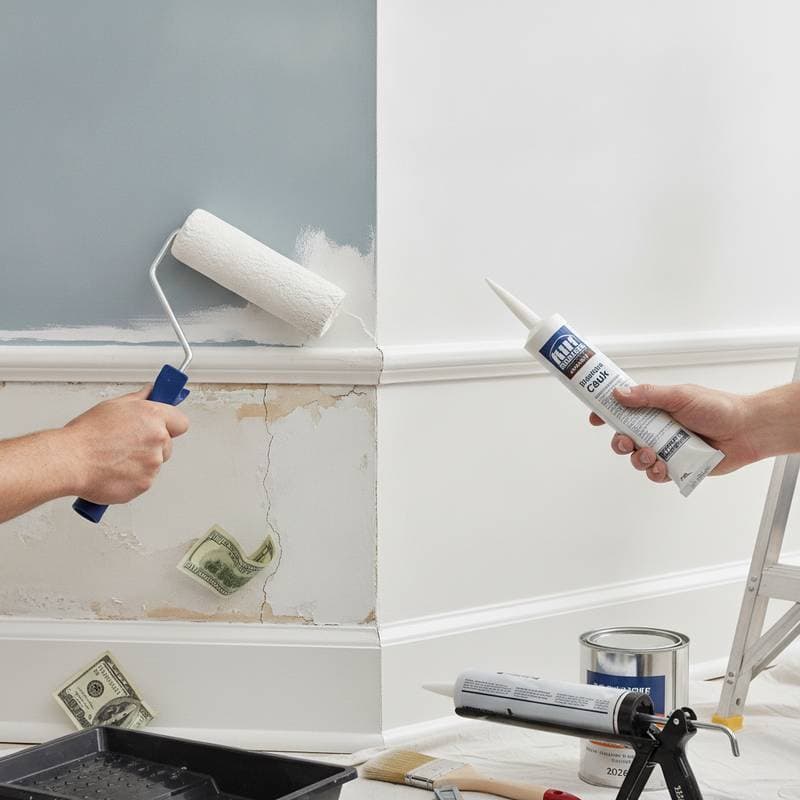
Homeowners invest significant amounts in paint supplies and tools, only to face subpar results. The issue seldom lies with the materials. Instead, it stems from omitting sanding between coats, a practice experts always follow. This oversight leads to poor adhesion, noticeable flaws, and uneven surfaces, potentially resulting in an $800 expense for materials, labor, and corrections.
Grasping the importance of sanding, mastering the technique, and recognizing the consequences of neglect empowers homeowners to enhance outcomes and conserve resources.
The Role of Sanding Between Paint Coats
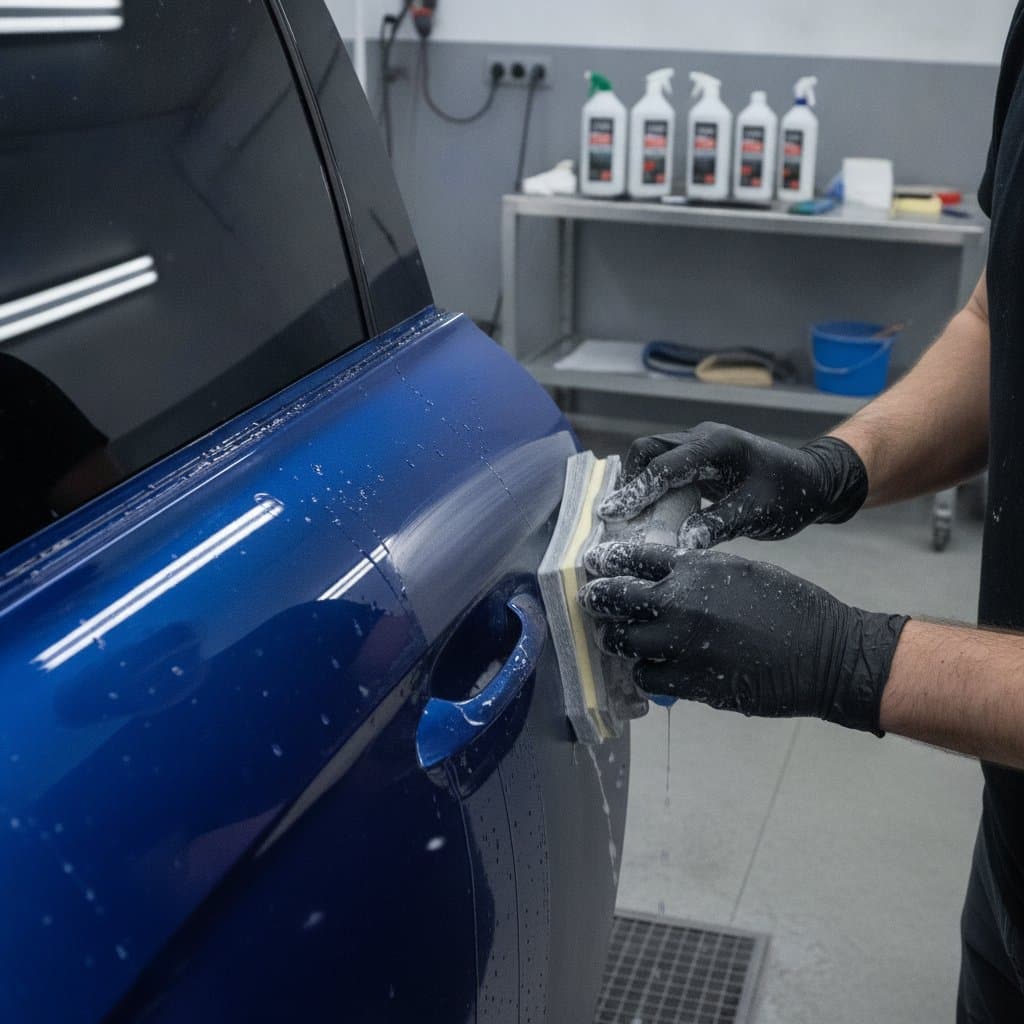
Sanding extends beyond initial surface preparation for aged walls. It proves vital between paint applications as well. Upon drying, the initial coat frequently develops tiny ridges, embedded dust, or stroke marks. Such flaws hinder seamless bonding of subsequent layers.
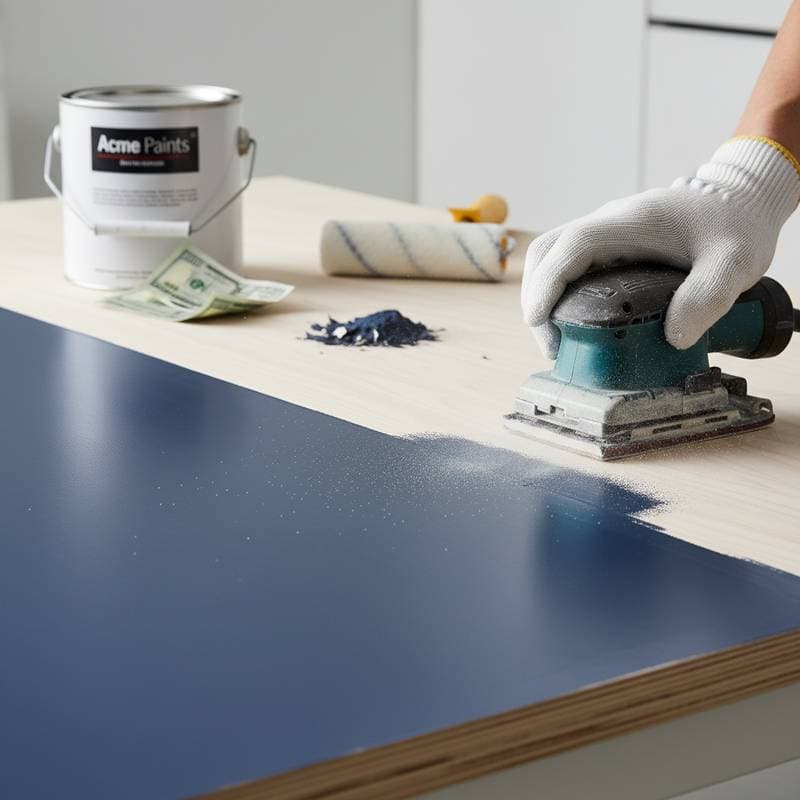
Light sanding establishes an even base, promoting superior grip and uniform spreading of the next coat. Although bypassing this process conserves immediate time, it invites substantial future expenses. Inadequate bonding fosters peeling or blistering, particularly in humid environments such as bathrooms and kitchens. Remediation then requires scraping, extensive sanding, and complete repainting.
Breaking Down Painting Project Expenses
Typical Cost Estimates
- Routine repainting effort: $1,500 to $2,500
- Repainting with comprehensive preparation: $2,500 to $4,000
- High-end repainting featuring multiple layers and inter-coat sanding: $4,000 to $6,000
Standard Inclusions
- Initial light sanding and thorough cleaning prior to application
- Application of two to three paint layers
- Attention to trim and intricate details
- Final cleanup along with minor adjustments
Additional Expenses
- Intensive preparation for walls with heavy texture or damage ($1 to $2 per square foot)
- Procedures for lead paint abatement or isolation
- Rework on areas previously affected by bubbling or delamination
- Application of specialized coatings, such as high-gloss or lacquer varieties
Influences on Total Expenditure
| Factor | Impact on Cost | Specific Instances |
|---|---|---|
| Wall Condition | Moderate to High | Fractured, soiled, or shiny surfaces demand extended preparation |
| Paint Variety | Moderate | Superior paints require fewer applications yet carry higher prices |
| Expertise of Labor | High | Skilled workers command premium rates for superior smoothness |
| Scope of Project | Variable | Expansive areas elevate overall expense while reducing per-unit costs |
Consequences of Omitting Sanding
Improper paint adhesion manifests subtly initially. Within weeks, uneven gloss or faded spots may emerge. Gradually, minor blisters or flaking occur, particularly along borders or frequently contacted zones.
Addressing these demands more than superficial patching. The compromised layer requires removal, sanding, and full recoating. When several rooms suffer, expenses for supplies and effort surpass $800 readily.
Experienced painters recognize that each layer must adhere flawlessly to the prior one. Sanding eliminates minor defects and provides a pristine foundation for the following application. This method yields the polished, even appearance distinguishing expert craftsmanship from novice attempts.
Professional Guide to Sanding Between Coats
-
Allow Complete Drying
The initial layer must dry fully prior to sanding. Applying over semi-dry paint encases moisture, resulting in bonding defects. -
Select Fine-Grit Materials
Experts opt for 220-grit sandpaper or equivalent sanding sponges. The objective involves gentle smoothing rather than paint removal. -
Sand Uniformly
Employ light, circular strokes. Excessive pressure risks gouging the underlying coat. -
Clear Away Residue
Post-sanding, wipe with a moistened cloth or tack cloth to eliminate particles. Residual dust invites protrusions and attachment issues. -
Proceed with Subsequent Layer
With the area cleansed and dried, apply the next coat in slender, consistent strokes to secure an impeccable result.
Evaluating DIY Against Professional Services
Scenarios for DIY Success
Self-directed painting suits modest undertakings, such as a solitary room or feature wall. With ample time and diligence, inter-coat sanding becomes feasible using fundamental implements. A fine sanding sponge, protective mask, and vacuum suffice for preparation tasks. Patience remains paramount to avoid haste.
Instances Warranting Expert Involvement
Extensive endeavors or walls bearing prior defects necessitate seasoned proficiency. Professionals possess tools for uniform sanding, steady application, and effective debris management. They account for paint responses to abrasion and curing periods. Engaging specialists proves advisable for glossy outcomes, trim detailing, or cabinet surfaces, where flaws prove prominent.
A homeowner forgoing sanding may economize $100 on immediate labor yet incur $800 in subsequent fixes for delaminating or coarse finishes. Experts view sanding as integral quality assurance, not discretionary.
Essential Preparations for Painting
Thorough groundwork dictates the longevity of any paint application. Prior to starting, inspect walls for fissures, contaminants, and dampness. Address flaws using patching compounds or fillers.
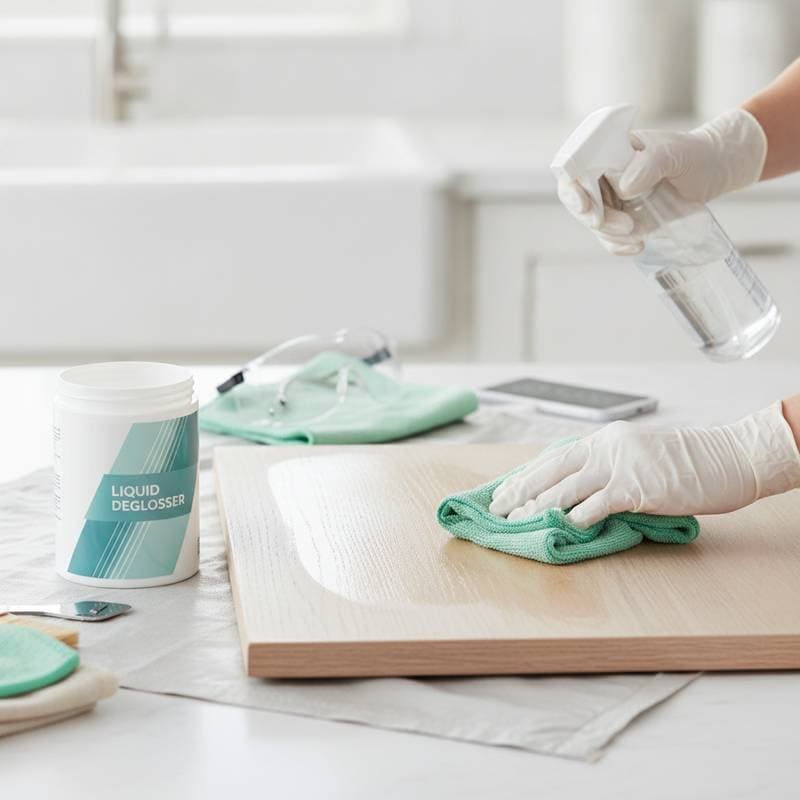
Clean thoroughly to eradicate oils or particles. Lightly abrade glossy areas before the primer coat to enhance bonding. Allocate sufficient duration for curing and inter-layer sanding.
Neglecting preparation invites inevitable complications. Professionals dedicate greater effort to setup than execution, recognizing it as the bedrock of enduring quality.
Selecting a Dependable Painting Contractor
Beyond initial bids, evaluate contractors holistically. The cheapest option may signal abbreviated prep or omitted procedures. Pose these targeted inquiries:
- Do you perform sanding between coats?
- Which sandpaper grit do you employ?
- How do you manage post-sanding cleanup?
- What primer and paint options do you suggest for these surfaces?
A committed professional articulates their methodology distinctly. They furnish detailed written proposals covering labor, supplies, and preparatory measures. Confirm credentials, coverage, and client feedback. Esteemed providers embrace such scrutiny, confident in their deliverables.
Monitoring Quality Throughout the Process
Observe these markers of excellence during execution:
- Uniform smoothness following each application
- Pristine borders absent visible particulates
- Harmonious hue and luster throughout the space
- Transparent updates on curing and sanding intervals
Should a contractor omit sanding or accelerate layers, voice concerns promptly. Early intervention averts escalation and preserves budgets.
Securing Lasting Results Through Proper Technique
Regardless of approach, sanding between coats ensures a refined, expert-grade appearance. It averts delamination, bolsters bonding, and produces a resilient, sleek surface. The practice demands minimal effort yet yields maximal durability.
Investing in meticulous preparation, whether personal or delegated, fortifies any painting initiative against future regrets.
Frequently Asked Questions
How Much Does Inter-Coat Sanding Increase Project Costs?
For average undertakings, this step contributes $0.50 to $1.00 per square foot in labor. In a standard room, the addition totals $100 to $200, a fraction relative to repair costs from peeling.
Is Sanding Essential for Ceilings or Textured Surfaces?
Textured walls benefit from light scuffing rather than full sanding to promote adhesion. Ceilings, particularly in moist areas, gain from mild abrasion, enhancing resistance to cracking or separation.