Understanding the $800 Impact of Skipping Sanding in DIY Painting
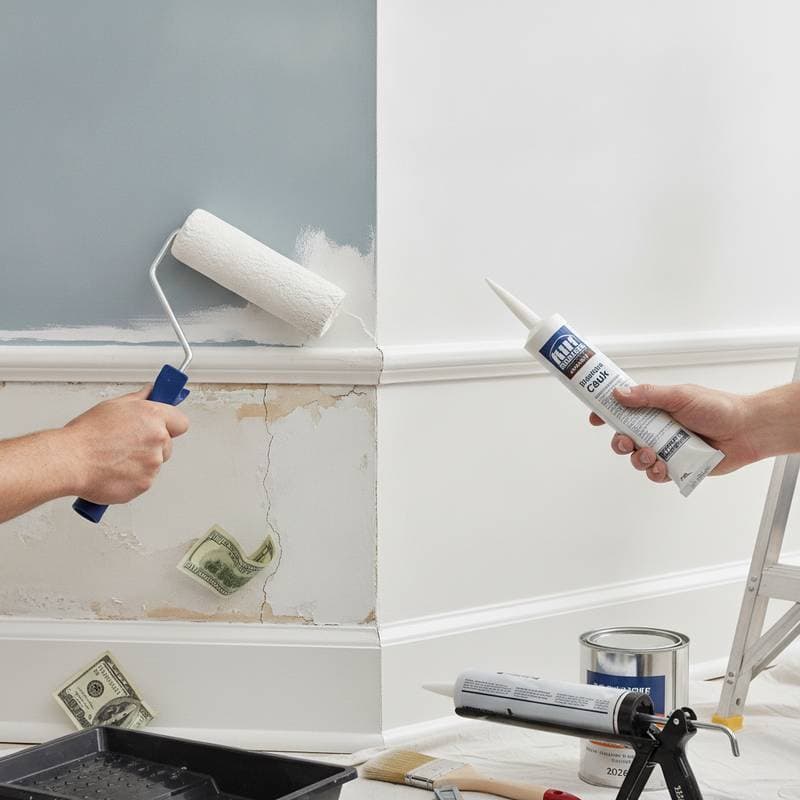
Many DIY painters wonder why their finished surfaces lack the smoothness of professional work. The primary reason often lies in neglecting sanding between coats of paint. This oversight results in wasted paint, additional labor hours, and potential professional repairs, totaling as much as $800 for a standard room project.
Without sanding, paint layers fail to integrate properly, leading to visible flaws that demand correction. Professionals emphasize this step because it prevents common issues and elevates the overall quality. By incorporating sanding, painters achieve durable, attractive results without unnecessary expenses.
Identifying the Consequences of the Sanding Oversight
Consider a scenario where a homeowner paints kitchen cabinets with high-quality latex paint. After applying multiple coats without sanding, the surface reveals bumps, lint particles, and uneven textures under natural light. Attempts to cover these with more paint only exacerbate the problem, consuming extra gallons and extending the project timeline.
The financial toll includes the cost of additional paint, which can exceed $100 per gallon, plus the value of lost time at an average of $50 per hour for DIY efforts. In severe cases, hiring a professional for remediation adds $500 or more. These elements combine to create the $800 blunder that could have been avoided with basic preparation.
The Science Behind Sanding for Optimal Paint Adhesion
Each layer of paint requires a prepared surface to bond effectively. Fresh paint applied over a previous coat without sanding sits atop the existing layer rather than merging with it. This lack of integration causes peeling, cracking, or a rough texture over time.
Sanding removes minute imperfections such as dust nibs, brush marks, and roller specks that form during drying. It creates a slight abrasion, or "tooth," that allows the subsequent coat to grip securely. For water-based paints like latex, this process also promotes even leveling, resulting in a glossy, uniform appearance that withstands daily wear.
The benefits extend to longevity as well. A properly sanded finish resists chipping and fading, reducing the need for frequent touch-ups. This approach aligns with industry standards used in commercial applications, ensuring DIY results match expert outcomes.
Step-by-Step Guide to Sanding Between Paint Coats
Sanding requires minimal equipment but demands attention to detail for success. Follow these steps to integrate it seamlessly into any painting routine.
- Allow sufficient drying time between coats, typically four to six hours for latex paints, until the surface feels firm and non-tacky.
- Select 220-grit sandpaper or a sanding sponge suitable for the paint type; for oil-based paints, opt for 320-grit to avoid excessive removal.
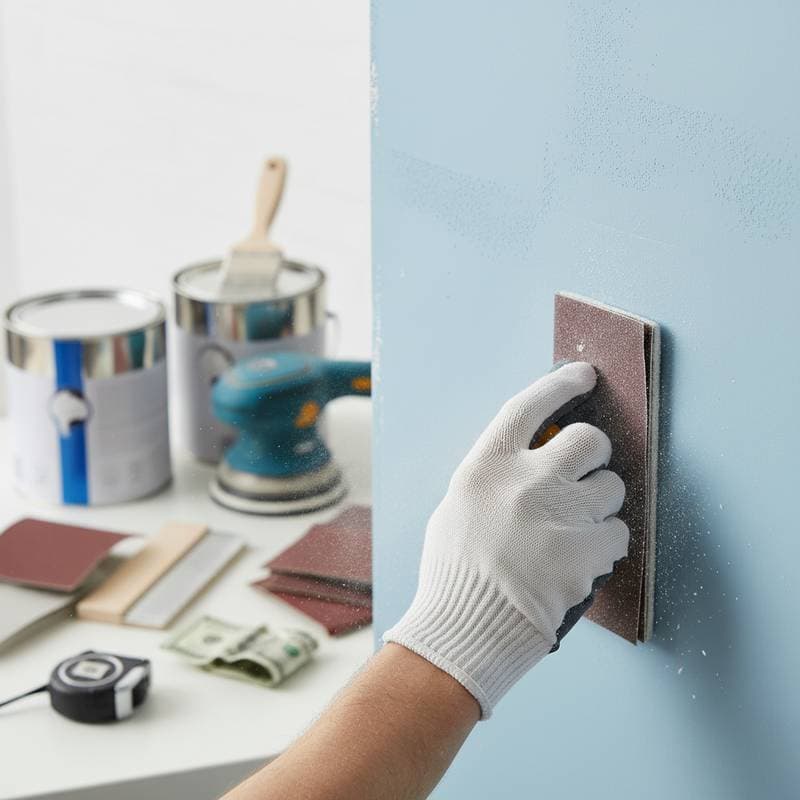
- Sand with light, even pressure in circular or linear motions, focusing on high spots without penetrating the underlying layer.
- Clean the surface thoroughly using a tack cloth or damp microfiber cloth to eliminate all dust particles.
- Examine the area under bright, angled lighting to identify and address any remaining irregularities before proceeding.
This method applies to various surfaces, from walls to wood trim. For curved areas like furniture edges, a flexible sanding sponge provides better control than rigid paper.
Selecting Affordable Tools for Effective Sanding
Choosing the right tools balances cost with performance, making sanding accessible for all budgets. Start with basic options and upgrade as needs evolve.
For minimal investment, purchase a pack of 220-grit sanding sponges for under $5. These conform to irregular shapes and rinse clean for reuse on small to medium projects.
At a moderate price point, around $15 to $20, a sanding block with interchangeable grits offers precision on flat surfaces like doors or tabletops. It distributes pressure evenly, reducing fatigue during extended sessions.
For frequent painters, a random orbital sander costing $40 to $60 with built-in dust collection minimizes mess and speeds up large areas. Pair it with vacuum attachment for cleaner operation, though always finish with hand sanding for fine details.
Regardless of selection, maintain tools by storing them dust-free and replacing worn grits promptly. This ensures consistent results without additional spending.
Insights from Professional Set Painting Applications
In high-stakes environments like television productions and event installations, sanding proves indispensable under scrutiny from bright lights and close-up cameras. Crews apply it rigorously to avoid visible flaws that could ruin a shoot.
Key lessons include inspecting surfaces from various angles to catch subtle defects early. Professionals also recommend keeping multiple grits on hand for adaptability, such as coarser 150-grit for initial priming and finer for topcoats.
Even under time constraints, dedicating five to ten minutes per coat to sanding yields superior outcomes. These practices translate directly to home projects, where similar attention elevates everyday spaces to professional standards.
Determining When Sanding Is Essential or Optional
Occasions to bypass sanding are limited, such as recoating within the paint's wet-edge window, usually one to two hours for latex formulas. In these instances, the layers remain compatible without abrasion.
However, for most scenarios involving trim, cabinets, or furniture, sanding remains critical, particularly between primer and base coats or multiple topcoats. Oil-based paints demand it more than water-based due to slower drying and harder surfaces.
The time investment, often 10 to 20 minutes per coat, pales against the hours lost to corrections. Adopting this habit prevents recurring issues and builds confidence in DIY capabilities.
Achieving and Maintaining a Lasting Professional Finish
After the final coat cures fully, typically 24 hours, the surface rewards with enhanced smoothness and resilience. Sanded finishes better repel stains and scratches, extending the interval between repaints.
Incorporate a dedicated sanding tool into your standard kit for ongoing maintenance, such as annual touch-ups on high-traffic areas. This proactive approach sustains the quality achieved during the initial project.
Ultimately, sanding bridges the gap between amateur efforts and expert results, delivering value through saved resources and superior aesthetics. Each careful layer contributes to a space that endures and impresses.