Avoid the $800 Sanding Trap That Professionals Always Sidestep
A flawless paint job starts well before applying the first coat. Homeowners often underestimate the value of thorough sanding, which leads to peeling paint, uneven textures, and wasted resources. Professionals recognize this pitfall and follow a meticulous process to ensure success. By grasping their methods, individuals can steer clear of the $800 sanding trap that arises from inadequate preparation.
The Critical Role of Sanding in Paint Success
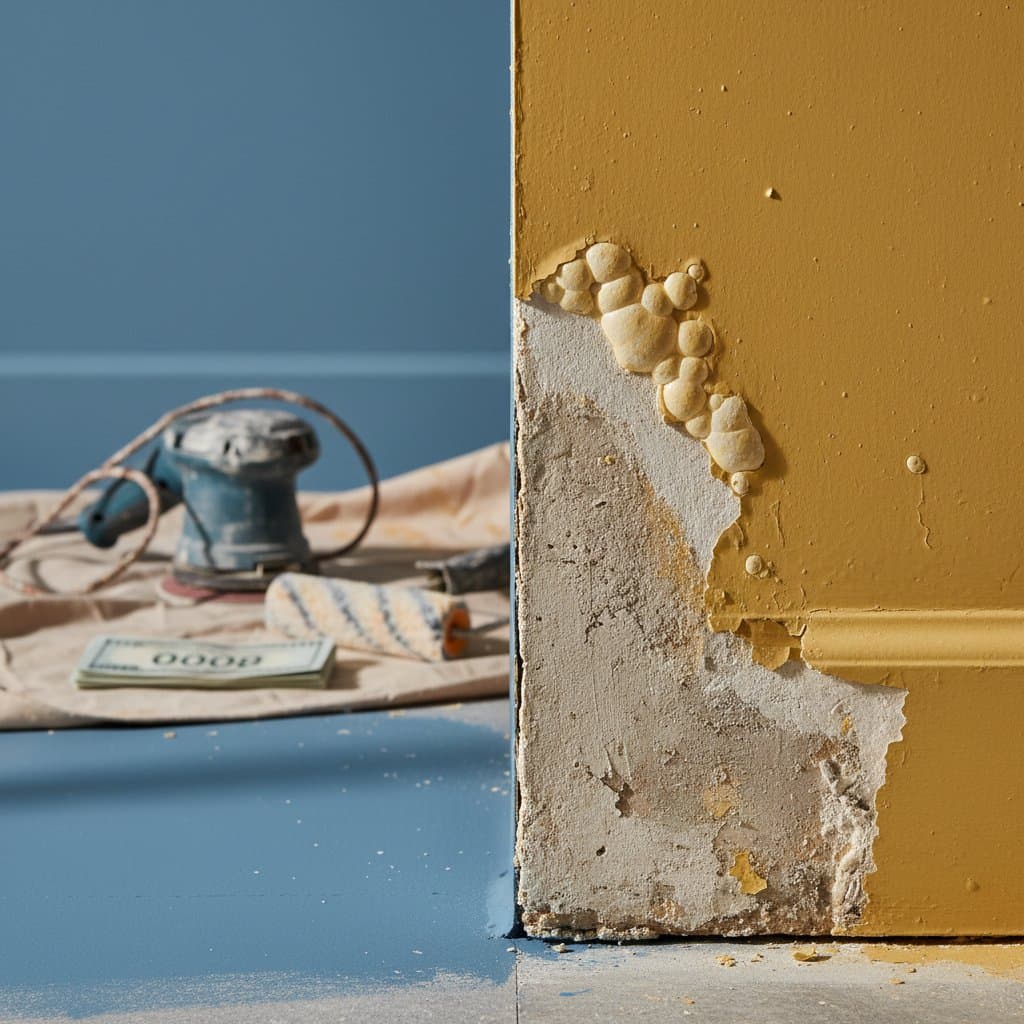
Sanding establishes a smooth, even surface that promotes strong paint adhesion. Without this step, superior paints and primers still fail to bond effectively. Numerous homeowners bypass or hasten sanding, under the assumption that primer alone resolves surface flaws. In truth, irregular surfaces provoke bubbling or flaking, which necessitates a complete repaint and incurs substantial expenses in labor and supplies.
Consider a scenario where a wall appears ready after a light wipe-down. Paint applied over such a surface clings unevenly, creating weak spots that crack under normal wear. Proper sanding eliminates these vulnerabilities by abrading the material just enough to create microscopic anchors for the new layers. This foundation not only enhances appearance but also extends the paint's durability for years.
Unseen Expenses from Inadequate Surface Prep
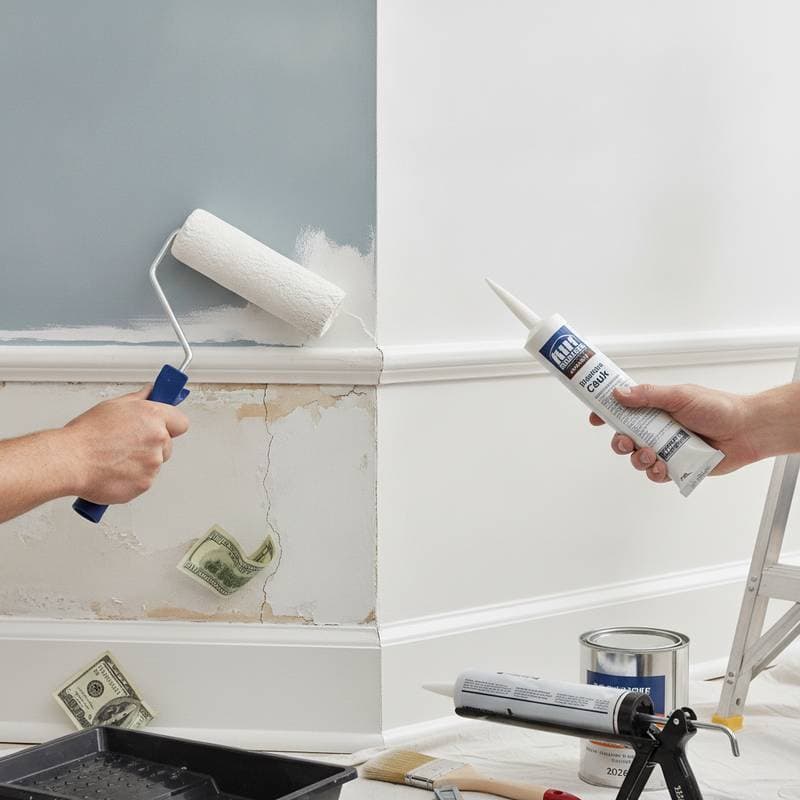
Picture completing a room's paint only to notice chipping within a few months. Remedying this issue demands full sanding, patching flaws, and repainting the entire area. Engaging a professional team for this correction frequently totals $800 or higher, factoring in labor rates, material purchases, and additional preparation time.
The sanding oversight commonly occurs when individuals opt for a superficial scuffing. Such minimal effort removes surface shine but leaves dents, prior brush strokes, and irregular spots intact. These defects bleed through subsequent coats, yielding an unprofessional look and shortening the paint's effective life. Beyond financial outlay, the disruption from rework—moving furniture again, enduring dust, and delaying use of the space—adds intangible burdens.
In one typical case, a homeowner sands lightly before painting a living room. Six months later, bubbling appears due to trapped moisture under uneven areas. The repair quote arrives at $850, covering two days of labor at $400 per day, $150 in materials, and $300 for specialized sanding equipment rental. This example illustrates how initial shortcuts amplify long-term costs.
Elements of Thorough Professional Sanding
Experts approach sanding as a systematic, multi-phase procedure rather than a one-off chore. They begin with coarse-grit sandpaper, such as 80 to 120 grit, to flatten major imperfections like ridges or old paint buildup. Progression to medium grits around 150 to 180 refines the surface, followed by fine grits of 220 or higher for ultimate smoothness.
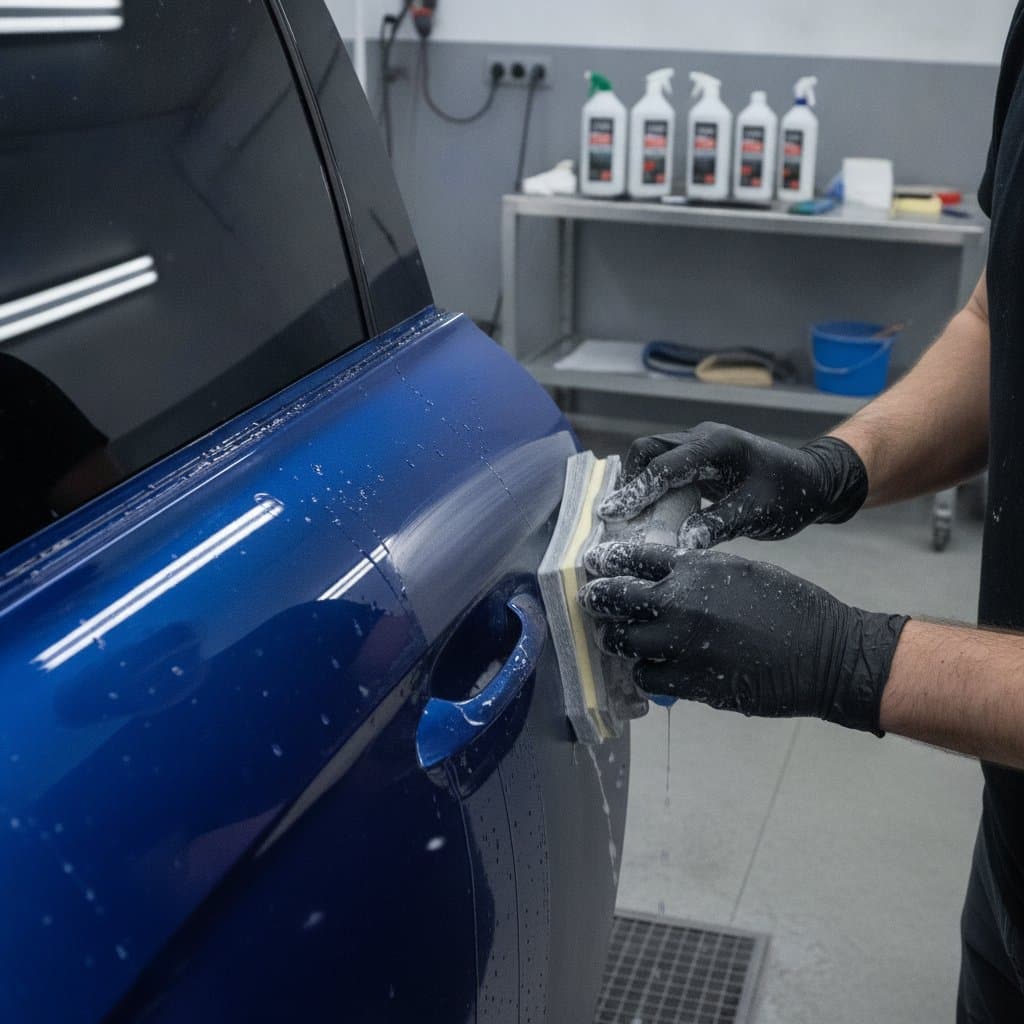
Dust management proves essential after each phase, as residues interfere with adhesion. Professionals employ tack cloths or vacuum systems to capture particles thoroughly. Specialized equipment, including pole sanders for ceilings and walls, orbital sanders for detailed work, and vacuum attachments, maintains control over debris and protects surrounding areas.
Consistency remains key; every square foot receives uniform treatment. Trim, corners, and edges demand particular care, often using hand sanding or detail tools to prevent gaps or overlaps. Neglecting these zones results in peeling edges or noticeable seams post-painting, compromising the overall aesthetic.
Steps to Prevent the $800 Sanding Error
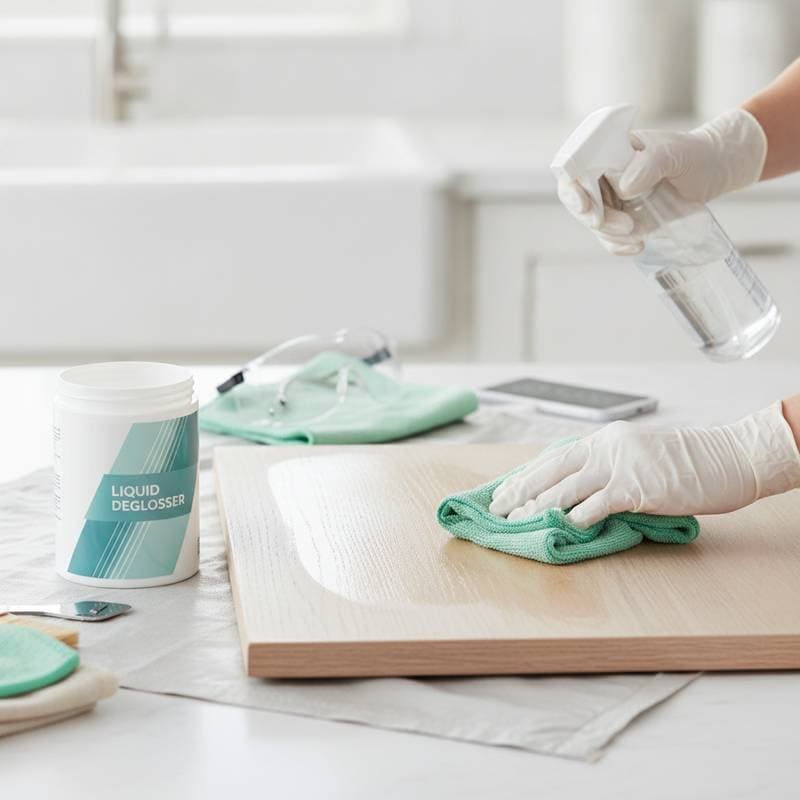
Individuals can avert sanding issues through deliberate pre-painting planning. Begin with a detailed inspection of the surface, identifying cracks, protrusions, or glossy finishes. Repair each concern—filling cracks with spackle and allowing full drying—prior to priming. For wood elements or layers of aged paint, seek a professional assessment to gauge if aggressive sanding or chemical stripping suits the job.
When selecting a contractor, inquire specifically about their preparation protocol. Reputable services detail sanding, cleaning, and priming within quotes, allocating time for each. A suspiciously low bid might signal omitted prep, leading to future failures. Request references or examples of past projects to verify their commitment to quality foundations.
For added assurance, document the process agreement in writing. This step ensures accountability and aligns expectations, reducing the risk of disputes over incomplete work.
Comparing DIY and Professional Sanding Approaches
DIY sanding suits minor tasks, such as refreshing a single wall or piece of furniture, where basic tools suffice. Start with medium-grit paper and work progressively finer, always wearing a mask to avoid inhaling dust. However, larger areas challenge amateurs due to the need for even pressure and extensive coverage.
Professionals wield industrial-grade sanders that strip finishes uniformly without gouging the substrate. Their expertise extends to safety protocols, particularly with lead-based paints in pre-1978 homes, where encapsulation or abatement prevents health hazards. Investing in pros for whole-room projects yields superior outcomes and avoids the pitfalls of inconsistent results.
Homeowners attempting DIY on vast surfaces often encounter fatigue-induced errors, like over-sanding in spots or missing others. These inconsistencies mirror the very problems sanding aims to solve, potentially doubling correction efforts.
Project Planning for Optimal Results
Effective planning transforms painting from a chore into a seamless endeavor. Allocate time for prep—typically 30 to 50 percent of the total project duration—to accommodate sanding phases and drying intervals. Gather supplies in advance: assorted grits, dust masks, drop cloths, and vacuums to streamline workflow.
Coordinate with household members to clear the space, minimizing interruptions. If weather affects exterior jobs, schedule sanding on dry days to prevent moisture complications. This foresight not only elevates quality but also curbs unexpected expenses from rushed or repeated work.
Frequently Asked Questions
Why Does Sanding Influence Paint Adhesion to Such a Degree?
Sanding eliminates gloss, rough areas, and contaminants that hinder bonding. It generates minute grooves enabling primer and paint to anchor firmly to the surface.
What Is the Typical Cost of Professional Sanding?
Interior wall sanding ranges from $1 to $3 per square foot, based on surface condition and access. Comprehensive prep for an average room falls between $200 and $600.
Is Primer a Viable Substitute for Sanding?
Primer enhances adhesion yet fails to correct uneven textures. Imperfections persist without sanding, inviting peeling or bubbling over time.
Which Tools Do Professionals Employ for Sanding?
Experts use pole sanders for broad areas, orbital sanders for precision, and integrated dust control systems. These ensure uniform finishes and reduced mess.
How Can One Detect If a Contractor Skimps on Preparation?
Request a detailed process outline. Absence of sanding and cleaning mentions, or an overly compressed timeline, suggests incomplete prep.
What Preparations Should Occur Before Sanding Starts?
Clear furniture, protect floors with sheets, and inspect for repairs like patching. A tidy, reachable environment facilitates efficient sanding and superior outcomes.
Secure Professional Finishes Through Smart Prep
Embracing proper sanding unlocks durable, visually striking results that withstand daily life. This investment in preparation spares the frustration and expense of premature failures. Whether tackling a DIY refresh or hiring experts, prioritize surface readiness to enjoy spaces that remain vibrant for seasons ahead.