Lead Paint Removal: The Risks of Sanding
Removing paint from walls, trim, or siding appears simple until lead-based layers enter the equation. Sanding these surfaces generates fine dust that lingers in the air and settles on household items, leading to widespread contamination. Homeowners who choose this method face health threats and potential fines exceeding $30,000 for regulatory violations. Exploring safer techniques preserves safety and avoids escalating expenses.
Professional Removal Costs
Certified lead abatement services charge between $8 and $17 per square foot, influenced by technique, site access, and material state. Complete home treatments often total $9,000 to $30,000, while targeted efforts cost less. Factors such as chemical application or surface replacement determine the final amount.
Costs by Project Scale
- Small areas under 200 square feet: $1,600 to $3,400
- Medium projects covering 500 to 1,000 square feet: $7,000 to $14,000
- Large-scale work on full exteriors or multiple rooms: $18,000 to $30,000 or more
Per-Square-Foot Cost Components
| Component | Cost Range per Sq. Ft. | Description |
|---|---|---|
| Materials | $2 to $5 | Includes strippers, sheeting, HEPA filters, bags |
| Labor | $5 to $9 | Covers experts, setup, and air quality checks |
| Preparation | $1 to $2 | Encompasses testing, sealing, and gear provision |
| Waste Disposal | $0.50 to $1 | Handles certified transport and elimination |
These estimates account for full protocols with containment and thorough cleaning. Budget options may skip essential steps, risking non-compliance and future penalties.
Dangers of Sanding Lead Paint
Dust Spread and Persistence
Sanding produces particles too small to see, which float and deposit on floors, upholstery, and ventilation. This contamination infiltrates distant rooms and persists without specialized cleanup. Children and pregnant individuals face heightened vulnerability, as even trace exposure harms development.
Health and Ecological Impacts
Lead disrupts neurological function, impairs kidneys, and stunts growth in young people. Adults experience fatigue and hypertension from prolonged contact. Outdoor sanding pollutes soil, endangering gardens and local wildlife for years.
Financial Fallout from Errors
Uncontained sanding demands extensive decontamination, adding $2,000 to $10,000 in fees for testing and restoration. Damaged elements like ducts or carpets require full replacement, amplifying bills beyond initial plans. Regulatory fines for improper handling further strain resources.
Effective Removal Alternatives
Chemical Stripping
Apply targeted solvents to loosen layers, then scrape carefully to minimize airborne particles.
- Cost: $8 to $15 per square foot
- Benefits: Low dust output, ideal for ornate details
- Notes: Ensure ventilation and secure waste to prevent runoff
Encapsulation
Coat intact surfaces with a binding layer that locks in lead and resists wear.
- Cost: $4 to $8 per square foot
- Benefits: Quick application, reduced disturbance
- Notes: Avoid on flaking areas or friction zones like doors
Surface Replacement
Demolish and install new materials free of hazards for lasting results.
- Cost: $12 to $20 per square foot
- Benefits: Total hazard removal, enhanced appearance
- Notes: Involves higher upfront investment in supplies
Wet Scraping
Moisten paint with solutions before removal to bind dust in place.
- Cost: $7 to $12 per square foot
- Benefits: Controls particles better than dry methods
- Notes: Demands patience and repeated applications
Influences on Removal Expenses
Area Size and Detail Level
Expansive or elaborate features extend work time and material needs, elevating charges.
Site Reachability
Elevated or confined spots complicate scaffolding and barriers, increasing safety protocols.
Existing Paint State
Loose or deteriorated coatings necessitate stabilization, adding $1 to $3 per square foot.
Safety Protocols
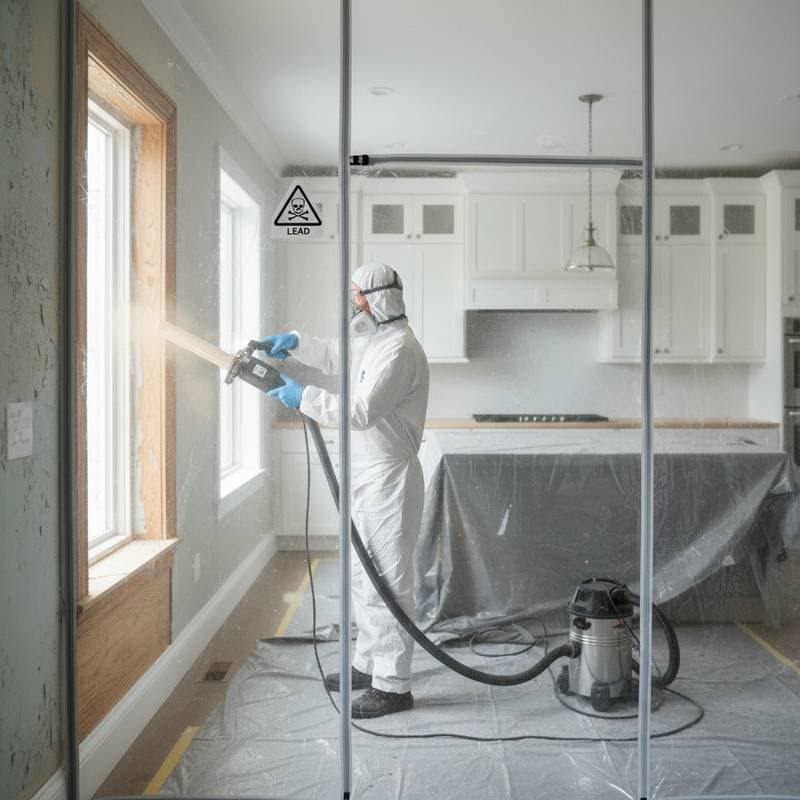
Enclosures with air machines and filters, plus waste handling, form core expenses.
Local Market Variations
Wages and certification demands differ by region, affecting hourly rates.
Method Cost Overview
| Method | Basic Range | Standard Range | Premium Range | Main Variations |
|---|---|---|---|---|
| Chemical Stripping | $8 to $10 | $11 to $14 | $15 to $17 | Best for indoor precision work |
| Encapsulation | $4 to $6 | $6 to $8 | $8 to $9 | Covers without extraction |
| Surface Replacement | $12 to $15 | $15 to $18 | $18 to $20 | Ensures no residue remains |
| Wet Scraping | $7 to $9 | $9 to $11 | $11 to $12 | Balances effort and safety |
Securing Lasting Benefits
Prioritizing Family Well-Being
Investing in proper abatement averts ongoing risks, fostering a secure living space.
Boosting Home Worth
Verified safe status reassures buyers, potentially raising market value by thousands.
Easing Future Upkeep
Treated surfaces endure longer, cutting repair frequency and associated outlays.
Practical Ways to Control Costs
- Obtain bids from licensed firms to compare regional offers.
- Integrate abatement with broader renovations for shared setup savings.
- Handle basic prep like clearing rooms to trim professional hours.
- Target interventions to priority zones such as entry points.
- Time work for quieter periods when rates dip.
Building a Solid Budget Plan
Initial Evaluation
Engage experts for $200 to $400 testing to verify lead levels accurately.
Cost Projection
Calculate square footage times method rate, plus 10 to 20 percent for surprises.
Expert Involvement
Professionals provide compliant tools and processes, outweighing DIY pitfalls.
Waste Management
Verify inclusion of certified handling to dodge extra fines.
Optimal Timing
Select dry, moderate conditions for exteriors; sealed interiors suit off-seasons.
Common Questions Addressed
What does lead paint removal typically cost?
Expect $8 to $17 per square foot, with whole-home efforts at $9,000 to $30,000.
Which elements drive up expenses most?
Scale, intricacy, access, and technique lead, alongside setup and verification.
How to cut costs safely?
Prioritize key areas, seek off-season deals, and consult certified providers.
Professionals or self-handling?
Opt for trained teams to ensure standards and avoid contamination spread.
Budgeting for surprises?
Reserve 10 to 20 percent for unforeseen repairs or extensions.
Ideal scheduling window?
Aim for temperate weather to support containment and efficiency.