Why Rust and Terracotta Define 2026 Interiors
Color trends often reflect cultural moods, design shifts, and the collective desire for comfort and authenticity. In interior design, rust and terracotta emerge as defining forces for upcoming spaces. These earthy, warm tones connect natural influences with contemporary sensibilities, creating rooms that feel grounded yet refined. Homeowners, designers, and painters turn to these shades to craft interiors that balance modern sophistication with timeless warmth.
The Emotional Appeal of Earthy Hues
Rust and terracotta evoke a sense of stability and calm. Their muted warmth makes them approachable, and they work well across different styles, from minimal to rustic. These colors invite connection, creating interiors that feel both lived-in and curated. Many homeowners choose them to counter sterile or overly cool palettes that dominated past interiors. The result is a return to comfort, texture, and tactility.
Unlike pure reds or oranges, rust and terracotta carry depth. They bring a sense of age and heritage, reminding people of clay, brick, and sunbaked landscapes. This emotional link to natural environments gives them a reassuring quality that complements both traditional and modern architecture.
Why Rust and Terracotta Are Taking Over Paint Trends
The growing popularity of these tones stems from their versatility and emotional depth. Rust and terracotta pair beautifully with neutral palettes, soft whites, and muted greens, creating balanced and layered interiors. They can serve as subtle backdrops or bold statements depending on saturation and placement.
Painters and color experts appreciate how these shades shift with lighting. In morning light, they appear soft and dusty, while evening shadows deepen their richness. This dynamic quality gives spaces a sense of movement and character. When applied professionally, these tones transform even the simplest room into an inviting and elegant environment.
Using Rust and Terracotta in Modern Interiors
Homeowners exploring these colors have several application options:
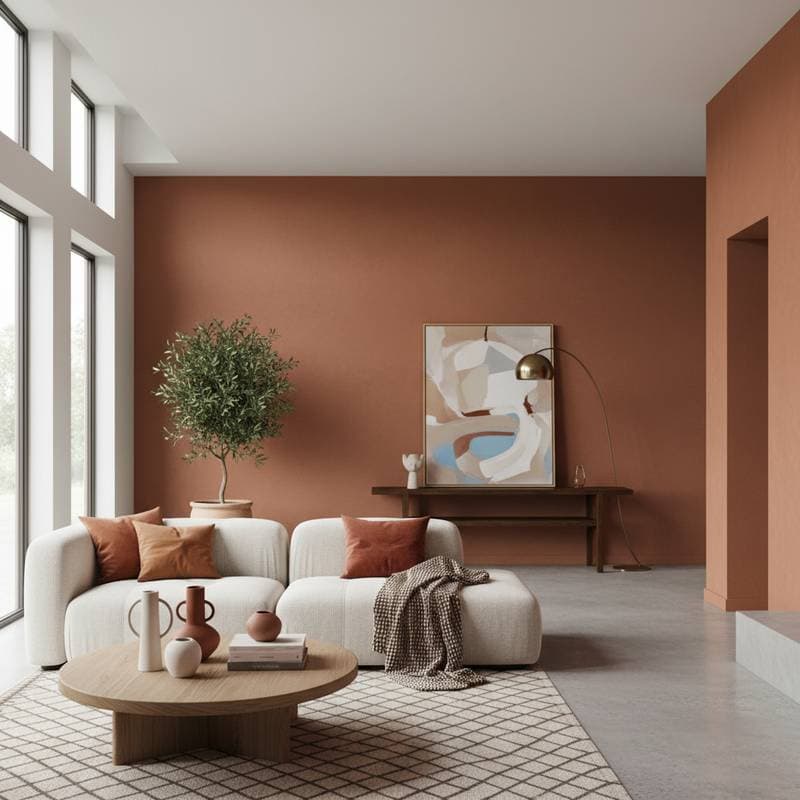
- Accent walls: A single rust-colored wall adds depth and focus to a neutral living room or dining area.
- Ceiling treatments: Painting ceilings in light terracotta tones softens the perception of height and creates warmth.
- Trim and door frames: Using deeper rust shades on trim provides subtle contrast without overwhelming the space.
- Furniture and decor integration: Pairing painted walls with terracotta ceramics, woven textiles, or rust-toned cushions ties the palette together.
The key is balance. Too much saturation can feel heavy, while strategic placement highlights architectural features. Professional painters help select the right tone intensity to achieve harmony between walls, lighting, and furnishings.
Cost and Process Considerations
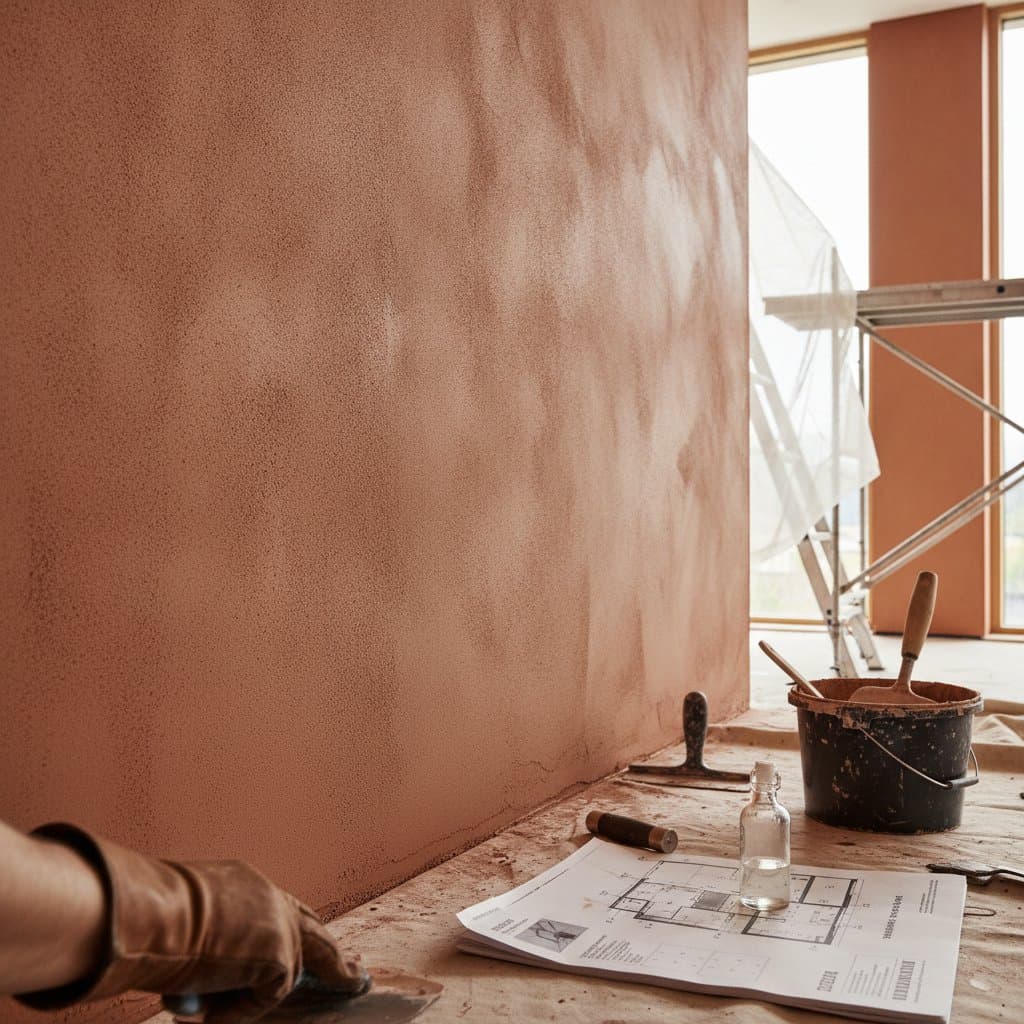
Quality paint and expert application are essential when using strong pigment colors like rust and terracotta. These shades often require professional priming and precise layering to avoid uneven coverage. Homeowners can expect the following when planning a project.
Average Cost Ranges
- Accent wall: $250 - $600
- Full room: $800 - $1,800
- Whole home repaint: $3,500 - $7,500
What is Included
- Surface preparation and repair
- Primer application for rich color retention
- Two coats of premium paint
- Cleanup and finish inspection
What Costs Extra
- Specialty finishes such as matte or suede textures
- Complex trim or high ceilings
- Color consultations or custom mixing
Factors That Affect Final Cost
| Factor | Cost Impact | Examples |
|---|---|---|
| Paint quality | Moderate | Premium low-VOC paints cost more but last longer |
| Surface condition | High | Cracks or uneven walls require prep work |
| Room size and layout | Moderate | Multiple corners or built-ins increase labor time |
| Lighting conditions | Low | Darker rooms may need additional coats |
When to Hire a Professional vs. DIY
Painting with rich pigments requires technique and precision. DIY may suit small projects like a single wall, but large spaces need skilled attention. Professional painters understand how to manage consistency, edge lines, and coverage depth. They also use specialized tools that prevent streaking and ensure even tone distribution.
DIY painting can appear cost-effective, yet mistakes in color blending or wall preparation often lead to rework. Hiring professionals ensures efficiency, quality, and long-lasting results. For homeowners unsure about tone combinations or finish types, professional color consultation provides clarity and confidence.
Creating Cohesion Across the Home
Rust and terracotta integrate seamlessly with a variety of styles. They work beautifully with natural wood, brushed brass, and stone surfaces. In kitchens, terracotta balances white cabinetry and stainless fixtures. In bedrooms, soft clay hues promote relaxation and warmth. Layering these tones with textures like linen, wool, or rattan enhances their organic character.
To maintain visual flow, designers recommend repeating accent colors in smaller decor elements across rooms. A rust wall in the living space might echo through terracotta pottery in the kitchen or throw pillows in a guest room. Consistency in undertones ensures the entire home feels unified rather than segmented.
Planning Your Project
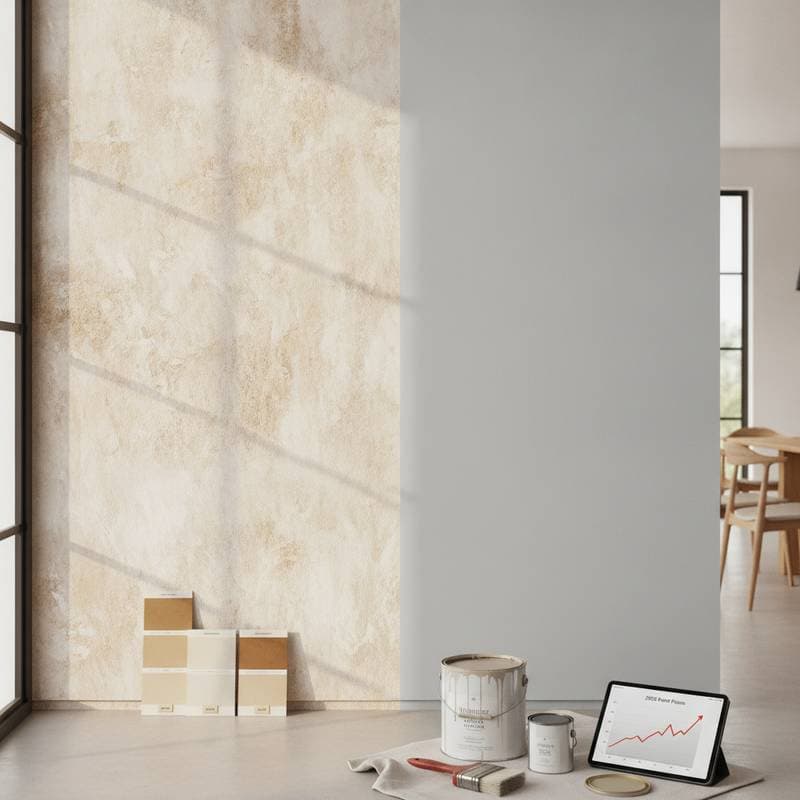
Before painting, assess lighting conditions, wall textures, and existing furniture tones. Warm lighting enhances terracotta's richness, while natural light highlights its subtler clay undertones. Gathering samples and testing on walls at different times of day helps confirm the right shade. A professional painting company guides homeowners through surface preparation, material selection, and final color matching.
Rust and terracotta are more than seasonal fads. Their enduring appeal lies in the comfort and connection they bring to interior spaces. With the right planning and professional support, these colors transform any home into a warm, modern retreat.
Frequently Asked Questions
1. How much does it cost to paint with rust or terracotta tones?
Accent walls typically range from $250 to $600, while full rooms may cost between $800 and $1,800. The final price depends on paint quality, surface condition, and project scope. Premium paints increase durability and color depth.
2. How long does a typical interior painting project take?
A single room often takes one to two days, including preparation and drying. Whole-home painting may require a week or more depending on size, wall repairs, and finish complexity.
3. Should I paint myself or hire a professional?
DIY can work for small rooms, but professional painters ensure smooth coverage and long-lasting results. Complex projects benefit from skilled application and proper surface preparation.
4. How can I choose the right rust or terracotta shade?
Consider lighting and room purpose. Warmer, lighter tones suit bedrooms and living spaces, while deeper rust works well in dining areas or accent walls. Test samples before committing.
5. What preparation is needed before painting?
Walls should be cleaned, repaired, and primed. Professionals often sand surfaces for even absorption and use sealants if moisture or stains are present.
6. How do I maintain painted walls in these colors?
Use mild soap and soft cloths for cleaning. Avoid harsh chemicals to preserve pigment vibrancy. Repainting every few years keeps finishes fresh and consistent.