Why Biophilic Greens and Clay Neutrals Define 2026 Home Design
Color trends in interior design evolve over time, but the surge toward nature-inspired palettes signals a lasting shift. Homeowners now seek tones that ground them, evoke organic vitality, and restore balance. Biophilic greens and clay neutrals stand out as key influences for contemporary spaces, fostering connections to the natural world while delivering versatile warmth and enduring style. These colors suit diverse areas, such as serene bedrooms or functional kitchens, and enhance overall living quality.
Understanding Biophilic Design Principles
Biophilic design strengthens human ties to nature via thoughtful architecture, textures, and hues. It promotes earthy shades that echo landscapes, from forests to soil. Soft greens, mossy accents, subtle sages, and clay-based neutrals gain traction for their ability to soothe emotions. Such palettes instill peace and refinement, transforming homes into restorative retreats.
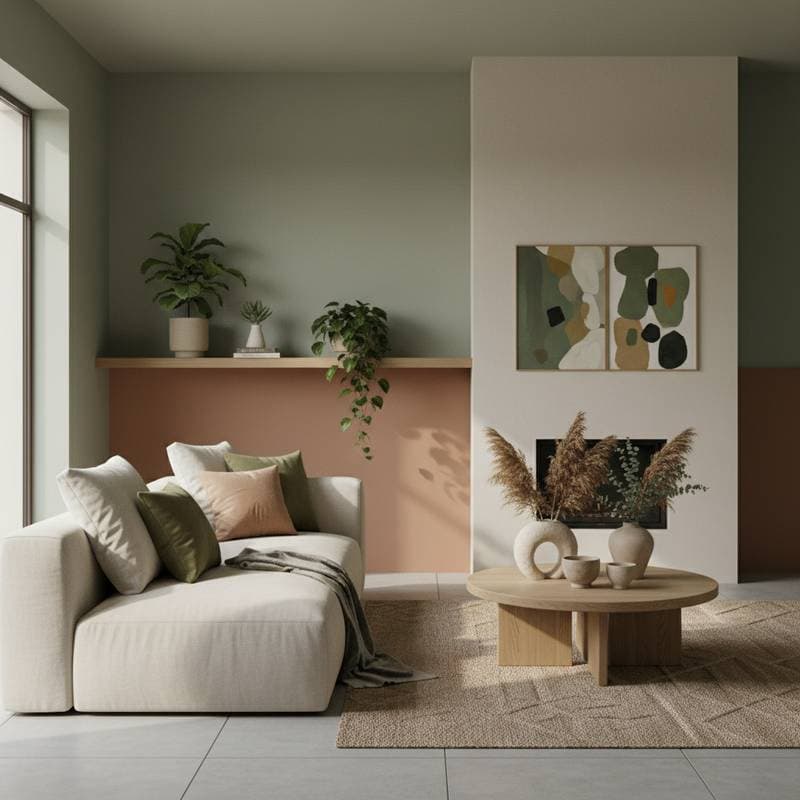
People recognize how environments shape daily moods, focus, and rest. A gentle olive wall in a living area anchors the space, while clay neutrals add subtle coziness to sleek kitchens. These tones pair naturally with wood, stone, linen, or rattan, amplifying their authentic essence.
Psychological Benefits of Biophilic Greens
Green symbolizes renewal and vitality in cultural contexts. Within interiors, it harmonizes vitality with tranquility, easing visual strain. Biophilic greens mimic foliage, moss, and foliage variants, bridging indoor and outdoor realms. Muted versions with gray or brown undertones avoid vibrancy, opting for layered subtlety instead.
These shades excel in restful zones. Apply soft greens in bedrooms, study nooks, or offices to quiet the mind. In shared rooms, combine deeper olive or forest tones with warm neutrals for added dimension and poise. Their adaptability spans minimalist modern setups to classic furnishings.
Appeal of Clay Neutrals for Stability
Clay neutrals embody steadiness, inspired by earth's raw pigments like beige, terracotta, sand, and taupe. They differ from harsh whites or cool grays by infusing gentle heat that tempers sharp edges in contemporary designs.
These colors respond gracefully to light sources, both natural and artificial. They evolve softly across daylight hours, generating varied atmospheres without dominating. On walls, ceilings, or cabinets, clay neutrals form understated foundations that highlight fabrics and fixtures. This trait appeals to those desiring authentic, inviting rooms over polished displays.
Reasons These Hues Lead Contemporary Trends
Biophilic greens and clay neutrals prevail due to their resonance with demands for ease and genuineness. They tolerate minor errors, match broad material ranges, and embody sustainable, streamlined aesthetics.
Paint brands now offer extensive organic collections. Matte or low-luster sheens enhance the tactile, non-reflective quality, making surfaces feel approachable. For enduring appeal, these shades mature well, evading dated associations.
Breaking Down Project Expenses
Updating interiors with these colors involves professional help or self-directed efforts. Grasping typical expenses aids informed budgeting.
Typical Expense Categories
- Basic refresh: $2,000 to $3,500 for compact homes or units
- Mid-range update: $3,500 to $7,500 for average dwellings
- Luxury overhaul: $7,500 to $12,000 for expansive or refined applications
Standard Inclusions
- Preparation of surfaces plus light fixes
- Primer for uniform adhesion
- Two layers of superior paint in chosen shades
- Detailing on edges and accents
- Post-work tidying and review
Additional Charges
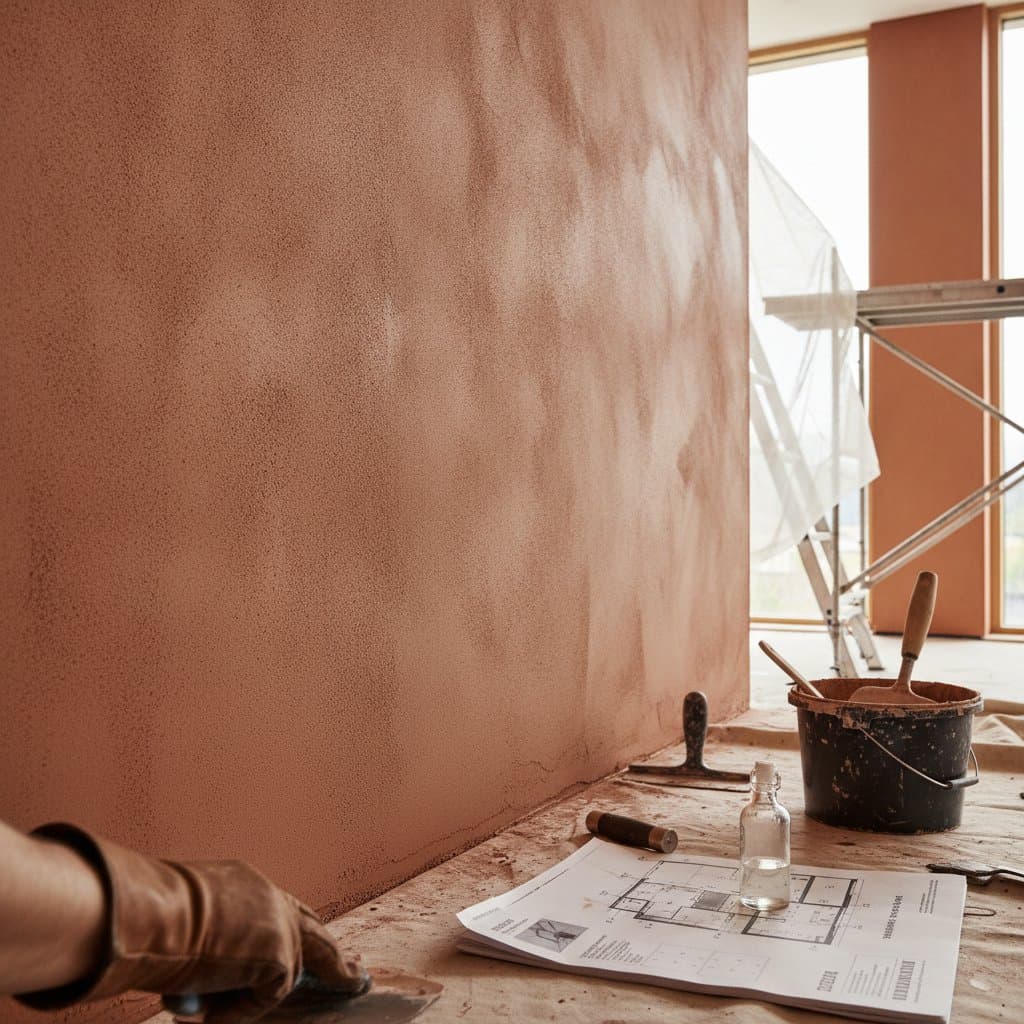
- Unique effects like limewash or stippled surfaces ($5 to $10 per square foot)
- Feature walls with color shifts
- Overhead work above normal reach
- Major wall fixes or legacy coating removal
Influences on Total Expenses
| Factor | Expense Adjustment | Specifics |
|---|---|---|
| Paint grade | 10-30% uplift | Eco-friendly low-VOC options or bespoke blends |
| Wall state | 5-15% uplift | Fissures or irregularities demanding filler |
| Area details | 10-25% uplift | Elevated spans or ornate moldings |
| Workforce pricing | 15-40% location-based | City premiums versus countryside rates |
Multiple bids reveal variations; experts assess readiness, suggest sheens, and advise on light-compatible selections.
Project Duration Insights
Interior updates span three to seven days based on scale and prep demands. Isolated rooms finish in one or two days. Extensive groundwork or layered specialties extend timelines. Advance scheduling limits interruptions, especially in active zones like lounges or cooking areas.
Cure periods extend beyond initial drying. Walls may seem set after hours, yet complete hardening demands more time. Skilled applicators sequence steps to uphold finish integrity, avoiding blotches or inconsistencies.
Weighing Professional Services Against Self-Application
Self-painting appeals to some for smaller tasks, but experts deliver speed and precision. They master prep, uniform spreading, and methods for durable outcomes. Access to specialized equipment ensures clean lines on broad planes, heights, and outlines.
Reserve DIY for modest areas or simple updates with basic sheens. Account for supplies like applicators, covers, sheets, and platforms, totaling hundreds. Allocate extra hours for thorough prep and layering. Contracting out streamlines efforts and yields flawless subtlety, vital for tones revealing flaws.
Selecting Reliable Contractors
Research and dialogue guide contractor choices. Gather three detailed proposals covering wages, products, applications, and schedules. Past client feedback verifies dependability and skill.
Confirm credentials and protections. Licensed operators adhere to codes and protocols. Coverage safeguards against mishaps for all involved. Agreements detail shades, prep protocols, and approval criteria to clarify terms.
Steps to Launch Your Color Refresh
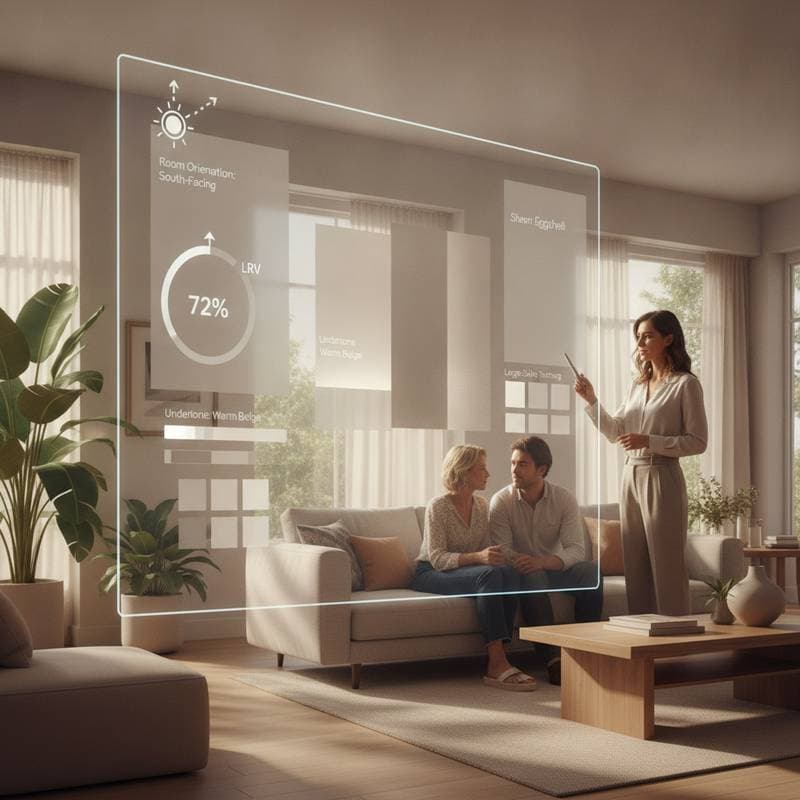
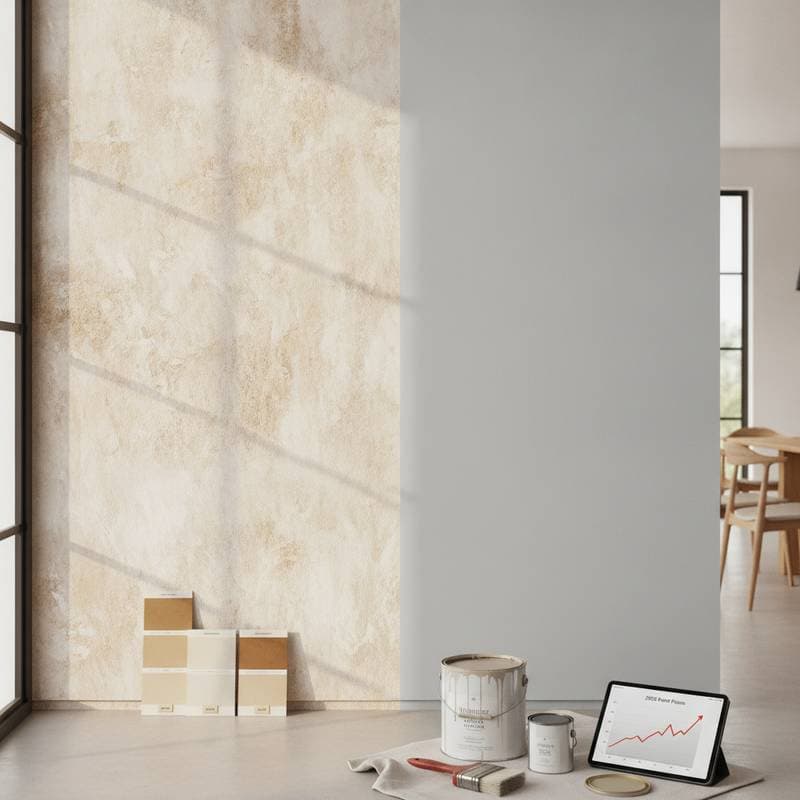
Start by sampling hues on various surfaces, viewing them in morning, afternoon, and evening light. Greens thrive in daylight glows; clay shades warm under lamps. This testing confirms harmony with existing setups.
Consult experts early for surface evaluations and material pairings. Set a budget incorporating prep and extras. Schedule during low-use periods to ease transitions. With these steps, achieve serene, nature-aligned interiors that endure.
Common Questions on Nature-Inspired Painting
1. What are the costs for applying biophilic greens or clay neutrals?
Expenses vary by scale, grade, and prep. Entry-level efforts run $2,000 to $3,500; expansive or elite ones hit $12,000. Elaborate sheens or challenging bases raise figures.
2. How long do painting efforts typically last?
Rooms complete in one to two days; full residences need three to seven. Prep, cures, and extras prolong processes. Coordinate with applicators for seamless pacing and low impact.
3. Is self-painting preferable to professional help?
Opt for DIY on minor spots or features if equipped and practiced. Larger zones, intricate sheens, or top finishes benefit from pros who manage prep, spread, and aftercare adeptly.
4. How to pick a suitable contractor?
Secure several formal bids, review endorsements, and check certifications plus safeguards. Scrutinize plans for supplies, tasks, and durations. Solid pacts outline duties and benchmarks.
5. What occurs during the application phase?
Involves cleansing, mending, basing, and dual layering. Teams shield items and floors, handle debris, and perform closure checks. Ongoing updates foster alignment and delight.
6. How to verify colors suit my space?
Apply trials across walls, assessing in diverse illuminations. Daytime boosts greens; ambient warmth elevates clays. Multi-condition reviews secure ideal matches prior to full commitment.