Why Homeowners Strip Paint Instead of Layering in 2026
A smooth, even finish transforms any room. Yet painting over existing layers often leads to bubbling, peeling, and uneven color. Homeowners now favor complete paint removal to achieve durable results, improved safety, and superior appearance. This approach supports long-term value rather than repeated short-term fixes.
Safety Considerations
Older surfaces may contain lead. Testing with affordable kits identifies risks before sanding or scraping begins. Positive results require engagement of certified professionals for proper containment and disposal.
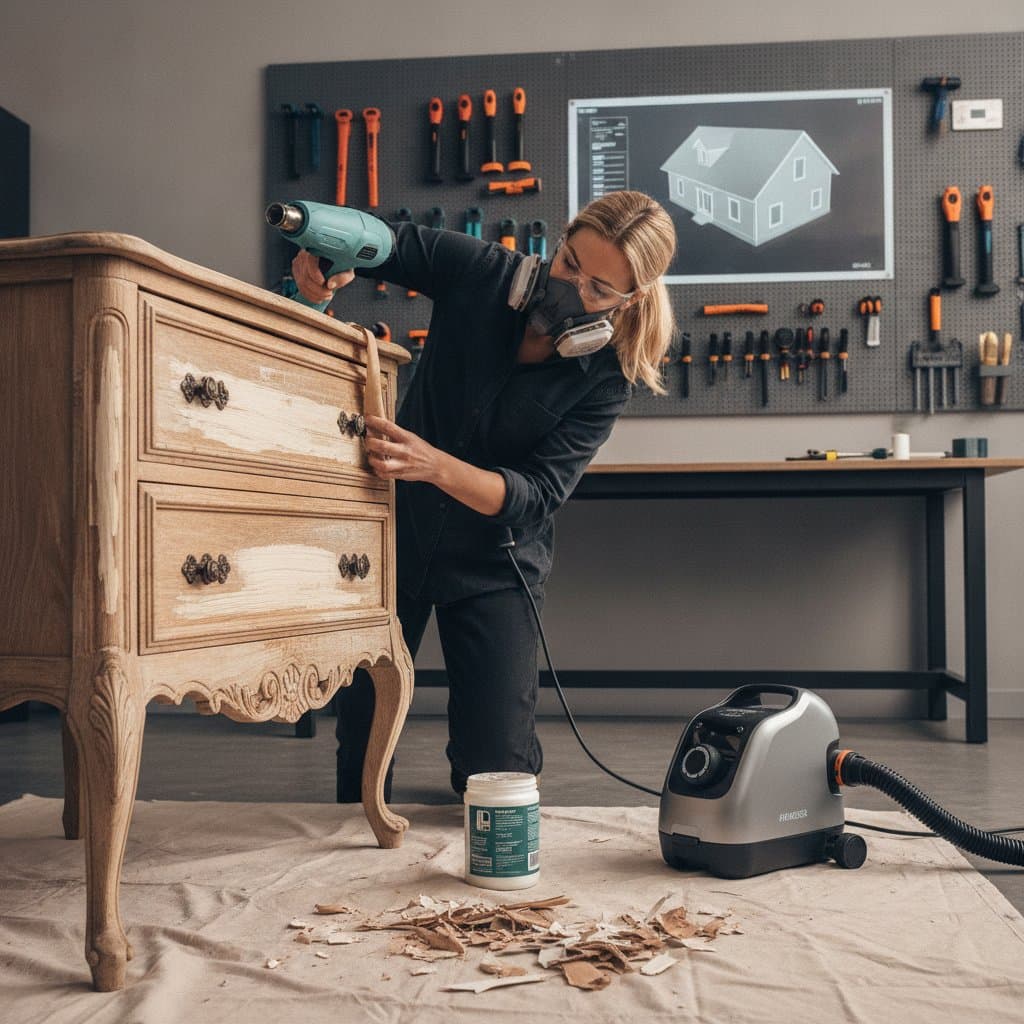
Modern removers emphasize safety and reduced environmental impact. Bio-based and low-odor formulas replace older harsh chemicals. These products require longer dwell times yet reduce physical effort during scraping. Soy-based or citrus-based options lift multiple layers effectively while producing minimal odor. Users must wear gloves, goggles, and masks while ensuring adequate ventilation. Heat guns serve small projects when kept in constant motion to prevent surface damage.
Removal Methods by Project Scale
Selection depends on surface size, available time, and budget.
Budget-Friendly Approaches
Small furniture or limited areas respond well to manual methods. Plastic scrapers prevent gouging, followed by medium-grit sanding and dust removal with a damp cloth. A baking-soda paste applied thickly under plastic wrap lifts paint from wood after several hours without chemicals.
Mid-Range Chemical Solutions
Doors, cabinets, and trim benefit from eco-safe gel strippers. These products adhere to vertical surfaces and release paint in sheets. Application with a brush, followed by the recommended dwell time and scraping, prepares the surface. Neutralization with water or an approved cleaner follows each use.
Professional Services
Large exteriors or valuable antiques justify professional involvement. Infrared systems and dust-controlled sanders protect substrates while producing consistent results. Off-site dipping handles intricate trim and metalwork efficiently.
Each option creates a clean foundation that supports longer paint life and accurate color.
Advances in Paint Removal
Bio-based solvents now separate layers without substrate harm. Some formulas incorporate neutralizers that allow immediate priming. Variable-temperature heat guns, ergonomic scrapers, and low-vibration sanders speed the process while reducing strain. Surface sensors that measure temperature and humidity help determine safe timing for subsequent priming and painting.
Health and Environmental Benefits
Removal eliminates trapped allergens and older coating residues. Cleaner walls support better indoor air quality. Biodegradable strippers simplify disposal and reduce effects on soil and water. Exterior projects allow inspection of wood condition, enabling targeted repairs that decrease future maintenance needs.
Situations Requiring Professional Assistance
Large areas, mixed paint types, or historic details warrant contractor support. Containment systems protect living spaces, and coordinated stripping, patching, priming, and painting reduce redo risks. Suspected structural issues beneath paint receive early identification and correction.
Surface Appearance After Stripping
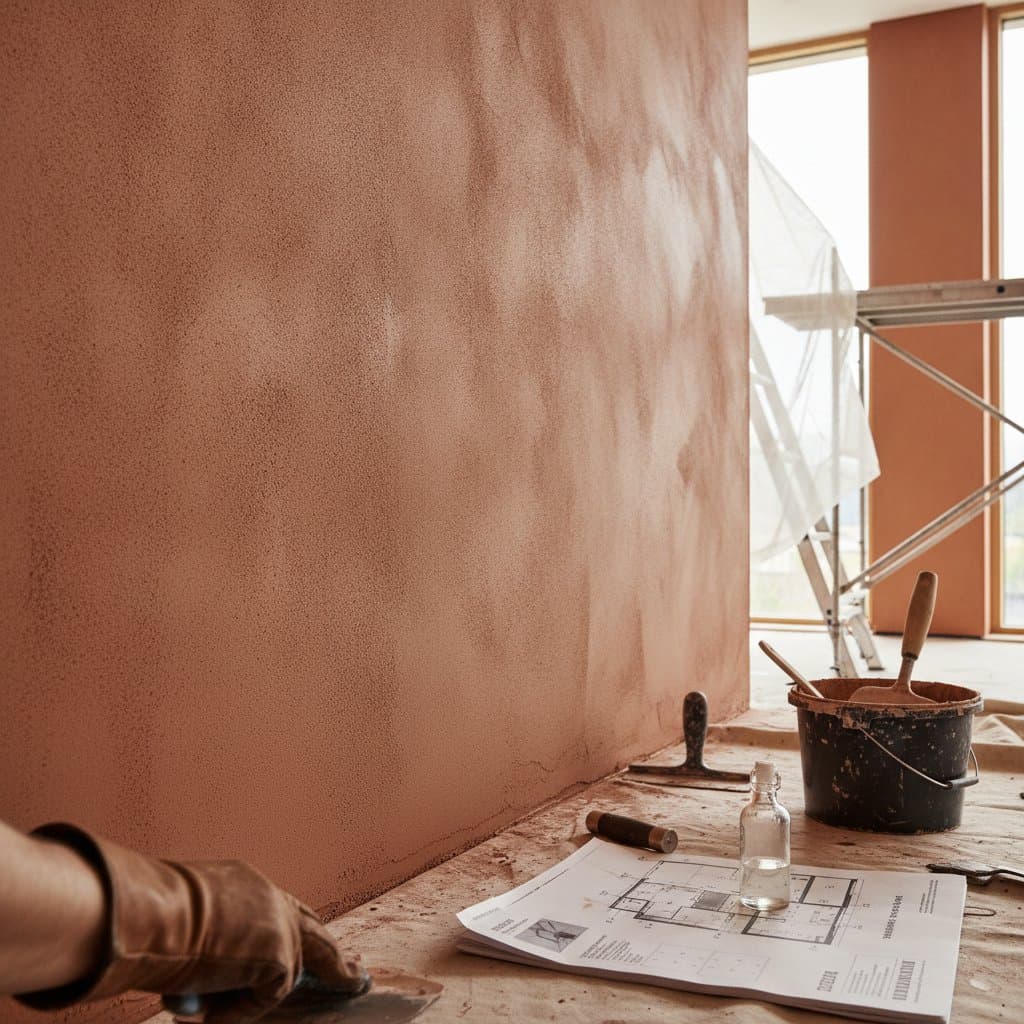
Original materials often reveal unexpected character. Wood grain or hand-troweled plaster textures emerge and can remain natural, receive stain, or accept new paint. This discovery process frequently influences final design choices.
Preparation Value for Property Outcomes
Proper stripping reduces callbacks for contractors and extends finish life for homeowners. Quality preparation increases property value through fewer maintenance cycles. Touch-up work with gentle cleaning preserves results over time.