Titanium Dioxide Shortage: Why Paint Prices Are Doubling in 2026
Paint prices have increased significantly in recent months, affecting homeowners and contractors alike. A key factor behind these rises is the global shortage of titanium dioxide, a vital pigment in paint production. This article explores the role of titanium dioxide, the reasons for the supply constraints, and their impact on pricing, while providing practical guidance for budgeting painting projects.
Understanding Titanium Dioxide and Its Importance
Titanium dioxide, known chemically as TiO₂, serves as a white pigment that imparts brightness, opacity, and color stability to paint. This compound reflects light effectively, resulting in clean and vibrant finishes on walls and other surfaces. Virtually all white and light-colored paints depend on titanium dioxide as the primary pigment, with additional applications in plastics, paper, and various coatings.
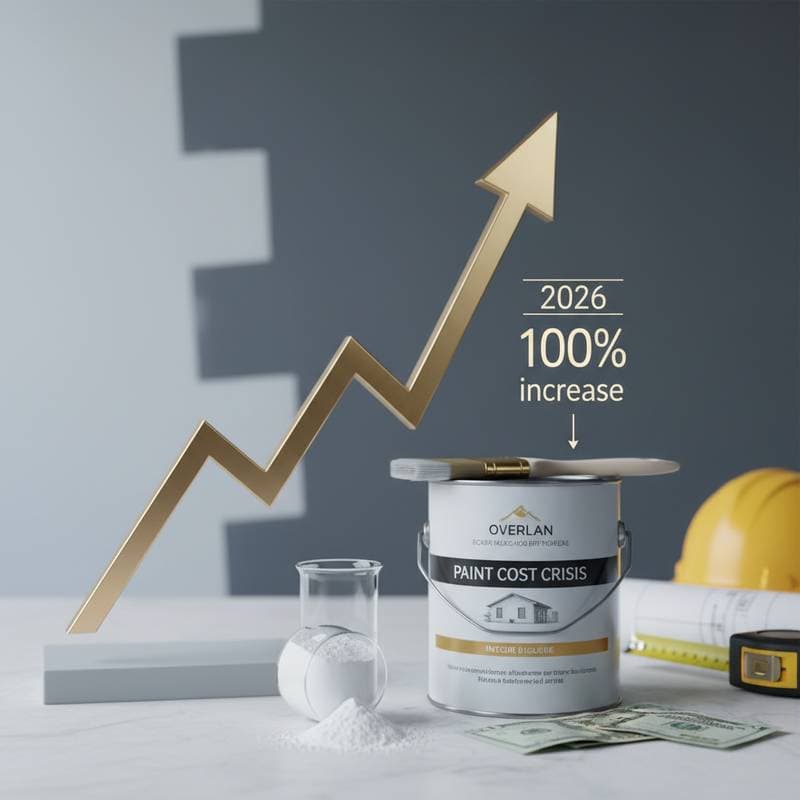
Limited supply forces paint manufacturers to compete for available titanium dioxide, elevating raw material expenses that translate into higher retail costs. The ongoing shortage represents one of the most severe pricing challenges in the paint industry over the past several decades.
Current Painting Cost Breakdown per Square Foot
Standard residential interior painting now costs between $2.50 and $6.00 per square foot on average. The following breakdown highlights the components of these expenses:
- Materials: $1.00 to $2.50 per square foot
- Labor: $1.50 to $3.00 per square foot
- Preparation and cleanup: $0.25 to $0.50 per square foot
- Additional factors: $0.25 to $0.75 per square foot
Scarcity of titanium dioxide has nearly doubled material costs, whereas labor expenses have increased at a more moderate pace due to heightened demand and longer project durations.
Key Factors Driving Paint Price Increases
Several interconnected elements beyond the titanium dioxide shortage influence overall paint costs. Homeowners who grasp these dynamics can make more informed choices for their projects.
1. Fluctuations in Raw Material Prices
Titanium dioxide derives from minerals like ilmenite and rutile through extraction processes. Disruptions in mining operations, escalating energy expenses, and stricter environmental regulations have curtailed worldwide production. The refinement of this pigment demands substantial energy, so rising fuel and electricity rates amplify manufacturing expenses.
2. Challenges in Manufacturing Processes
Paint producers depend on specialized chemical facilities for refined titanium dioxide. Delays in production, whether from maintenance or operational halts, constrict supply chains. Logistical hurdles at these plants further reduce output capacity.
3. Rising Transportation and Distribution Expenses
Bulk shipments of titanium dioxide incur higher costs amid global logistics strains. This pigment frequently moves over long distances from mining sites to manufacturing hubs. Issues such as container shortages, elevated fuel prices, and port congestion add to the overall expense.
4. Surging Market Demand
Renovation and construction booms have boosted paint needs in both residential and commercial markets. Global supply struggles to match this growth, sustaining upward pressure on prices.
5. Variations in Product Quality
Premium paints incorporate greater amounts of titanium dioxide for superior coverage and longevity. As pigment prices climb, the price differential between economy and high-end options expands. Those opting for advanced formulations encounter the most pronounced increases.
Cost Analysis Across Paint Categories
Paint prices vary by type and quality level. The table below outlines typical ranges and highlights essential distinctions:
| Paint Type | Basic Range | Standard Range | Premium Range | Key Differences |
|---|---|---|---|---|
| Interior latex | $25 - $45 per gallon | $50 - $70 per gallon | $80 - $120 per gallon | Coverage efficiency, washability, pigment density |
| Exterior acrylic | $40 - $60 per gallon | $70 - $90 per gallon | $100 - $130 per gallon | Resistance to weather, UV protection, durability |
| Specialty coatings | $60 - $100 per gallon | $110 - $150 per gallon | $160 - $200 per gallon | Protection against moisture, rust, chemicals |
Elevated pigment levels enhance opacity, allowing fewer coats for complete coverage. Despite these benefits, price escalations across categories have outpaced expectations for many.
Assessing Value and Long-Term Returns
Higher paint costs may seem burdensome, yet superior formulations offer enduring benefits. Coatings rich in titanium dioxide withstand fading, repel moisture effectively, and preserve their appearance over extended periods. These qualities often offset upfront expenses through decreased need for repaints and maintenance.
For those preparing to sell their home, a freshly painted interior enhances curb appeal and market value. Painting continues to rank among the most efficient upgrades for achieving visual improvements and attracting buyers, even amid rising material prices.
Practical Strategies to Manage Expenses
Homeowners can mitigate cost increases through targeted approaches that maintain quality standards.
-
Opt for Mid-Tier Formulations: Standard paints provide reliable coverage with balanced pigment content. These options perform well on interior surfaces while keeping per-gallon prices accessible.
-
Emphasize Thorough Preparation: Effective surface cleaning, sanding, and priming promotes better adhesion and minimizes coat requirements. Such steps conserve paint volume and counterbalance higher unit costs.
-
Time Projects for Off-Peak Seasons: Painters frequently offer reduced rates during periods of lower demand. Scheduling in quieter months can secure discounts and improved availability.
-
Purchase in Larger Volumes: Bulk buying lowers the cost per gallon, particularly for extensive projects involving consistent colors across rooms.
-
Blend DIY Efforts with Professional Services: Tackle simple areas like small rooms independently, reserving intricate tasks such as exteriors or tall ceilings for experts.
Building a Resilient Project Budget
Effective budgeting amid supply shortages demands adaptability and advance planning. Secure quotes from several trusted contractors, insisting on detailed breakdowns that distinguish labor from materials. Inquire about the effects of recent price shifts on estimates and explore options for pre-purchasing materials at fixed rates.
Allocate a contingency fund of 10 to 20 percent to address potential overruns from fluctuating costs or extra preparation. For larger undertakings, phase the work by prioritizing high-use zones first and deferring secondary areas until market conditions improve.
In DIY scenarios, compute precise coverage requirements to avoid excess purchases or rushed supplemental buys at premium rates.
Weighing Professional Services Against DIY Options
The shortage alters the financial balance between hiring professionals and self-directed painting. DIY efforts eliminate labor fees, potentially saving $2 to $3 per square foot. However, contractors benefit from volume discounts and supplier agreements that trim material outlays.
Professionals also ensure consistent results, particularly on demanding surfaces, which may justify the added expense for optimal outcomes.
Anticipating Future Trends and Maximizing Benefits
Industry experts predict that titanium dioxide constraints may persist into 2026, with prices stabilizing only as production ramps up and demand moderates. Homeowners should monitor market updates and consider stockpiling essentials for upcoming projects when feasible.
By selecting durable paints and implementing cost-control measures, individuals can protect their investments while achieving lasting aesthetic and functional improvements. This forward-thinking approach turns current challenges into opportunities for enhanced home value.
Frequently Asked Questions
What Causes Paint Prices to Double?
The main culprit is the worldwide titanium dioxide shortage. Factors including mining interruptions, elevated energy expenses, and robust demand from diverse sectors have constrained availability. Consequently, manufacturers incur greater costs that consumers ultimately bear.
Which Elements Most Influence Painting Project Expenses?
Pigment pricing, selected paint quality, labor charges, and preparation demands exert the strongest effects. Local economic conditions and seasonal variations further shape the total outlay.
How Can Homeowners Reduce Costs While Preserving Quality?
Prioritize standard-grade paints, invest in meticulous preparation, and align projects with low-demand seasons. Bulk acquisitions and selective DIY contributions also aid in expense management.
Is It Better to Hire Professionals or Paint DIY During Shortages?
Self-painting cuts labor costs, but experts leverage preferential material pricing and expertise for flawless execution. For substantial or specialized work, professional involvement yields superior durability and efficiency.
How Should One Prepare for Potential Cost Surges?
Incorporate a 10 to 20 percent buffer into budgets. Obtain documented estimates from contractors and verify their ability to lock in material rates prior to commencement.
When Is the Optimal Time to Book a Painting Project for Savings?
Demand dips during cooler or off-season months, often leading to more favorable pricing. Early reservations enhance access to competitive bids and scheduling flexibility.