How Nature-Inspired Colors Accelerate Home Sales
Homebuyers seek interiors that promote calm and connection to the outdoors. Biophilic color palettes, drawn from natural settings, reshape interior design practices for homeowners and real estate experts. These hues extend beyond visual refreshment; they shape emotions, foster balance, and elevate property desirability. Grasping their role in driving quicker, higher-value sales empowers informed decisions that align beauty with financial gains.
The Rise of Nature-Inspired Design
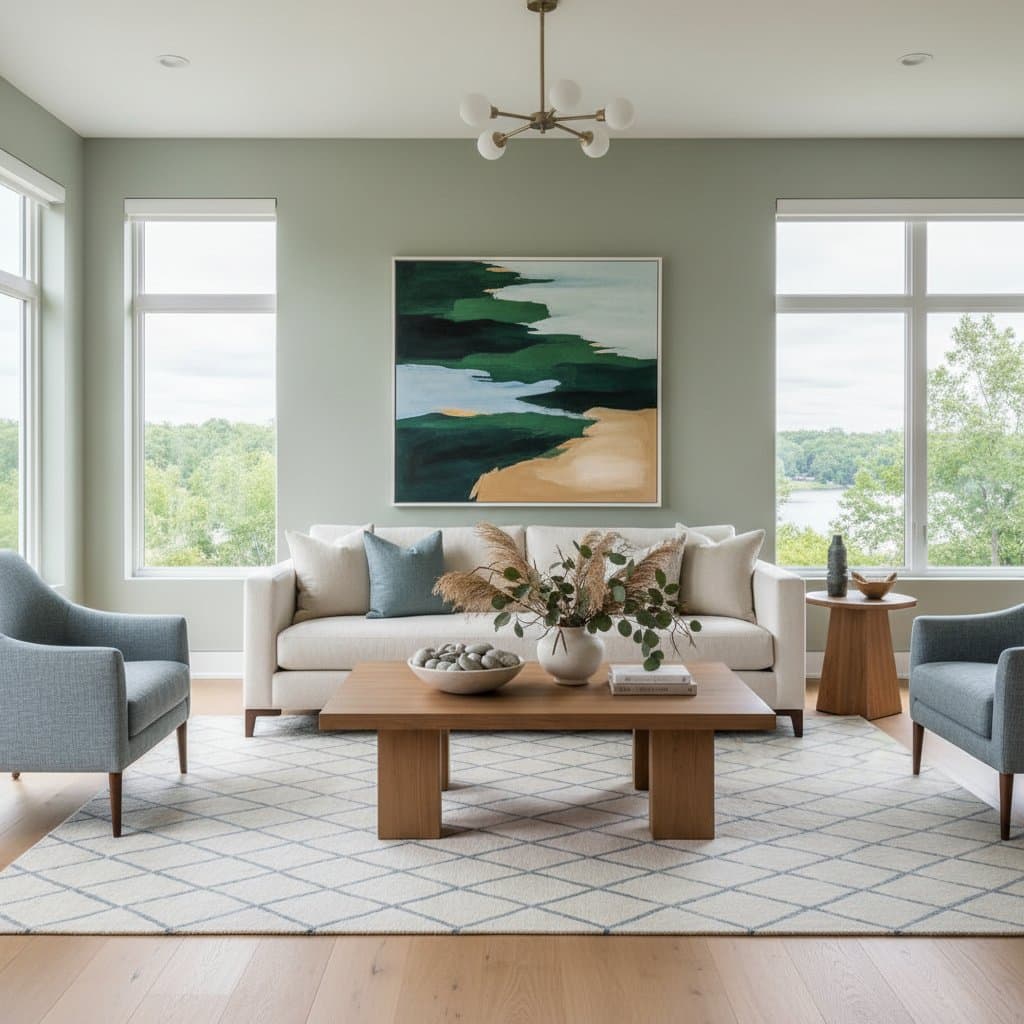
Biophilic design addresses the innate human affinity for nature. This approach incorporates more than greenery or organic forms; it emphasizes natural illumination, fluid contours, and color schemes echoing landscapes. Gentle greens, subdued blues, warm neutrals, and grounded browns instill tranquility and equilibrium. Such shades evoke woodlands, seas, and vast horizons, yielding spaces that rejuvenate the spirit.
Prospective buyers stepping into a biophilic-painted home encounter understated emotional signals that enhance livability. These tones project well-being, reliability, and ease, qualities that sway purchasing choices. In property markets, feelings often dictate value assessments. Biophilic colors precisely cultivate that favorable sentiment.
Understanding Biophilic Color Costs
Implementing biophilic colors for a complete interior typically costs between $3,000 and $7,500, with many three-bedroom homes averaging $5,000. Variations arise from hue choices, supplies, and prep work.
Costs by Home Size
- Small homes under 1,000 square feet: $2,000 to $3,500
- Medium homes from 1,000 to 2,000 square feet: $3,500 to $6,000
- Large homes from 2,000 to 3,500 square feet: $6,000 to $9,000
Breakdown per Square Foot
Interior painting with these colors averages $2.50 to $5.00 per square foot, covering:
- Paint supplies: $0.80 to $1.50 per square foot
- Labor: $1.50 to $3.00 per square foot
- Prep work: $0.20 to $0.50 per square foot
- Extras like trim or accents: $0.50 to $1.00 per square foot
These figures reflect professional work with durable, mid-to-high-end paints.
Influences on Project Expenses
-
Paint Type
High-end, eco-friendly options cost more yet provide better coverage, minimal fumes, and extended durability. Low-VOC formulas with natural pigments suit health-focused buyers, though they raise initial outlays. -
Color Variety
Monochromatic schemes prove economical compared to varied room tones. Introducing multiple greens, blues, or neutrals extends labor and material needs. -
Wall State
Surfaces needing repairs, smoothing, or priming inflate prep fees. Pristine conditions streamline efforts and curb spending. -
Finish Choices
Matte surfaces yield a gentle, organic vibe but demand earlier refreshes. Satin or eggshell variants withstand wear and clean easily in busy zones. -
Location Variations
Wages and supply prices differ by area. Metropolitan zones or high-demand spots often incur elevated charges.
Cost Details by Component
| Category | Basic Range | Standard Range | Premium Range | Key Differences |
|---|---|---|---|---|
| Paint Materials | $25 - $35/gallon | $40 - $60/gallon | $65 - $100/gallon | Premium uses sustainable formulas, vivid tones |
| Labor | $1.50 - $2.00/sq.ft. | $2.00 - $3.00/sq.ft. | $3.00 - $4.50/sq.ft. | Experts ensure even, flawless results |
| Preparation | $0.15 - $0.30/sq.ft. | $0.30 - $0.50/sq.ft. | $0.50 - $0.75/sq.ft. | Encompasses smoothing, sealing, fixing |
| Accent Walls | $100 - $250/wall | $250 - $400/wall | $400 - $600/wall | Builds contrast for added dimension |
Enhancing Home Value Through Biophilic Colors
Industry experts note that initial views shape buyer judgments. Color choices affect views of scale, brightness, and coziness. Natural palettes amplify these by expanding perceived room size, enhancing light, and inviting warmth. Properties featuring unified biophilic schemes linger less on listings and draw competitive bids.
Buyer Emotions and Mindset
These colors summon serenity and assurance. Pale greens ease tension; soft blues promote focus and expanse. Such responses build confidence, positioning the home as a vital, nurturing space.
Quality Perception and Upkeep
Biophilic selections mask flaws more effectively than harsh whites or vivid shades. This advantage renders areas fresher and more preserved, alleviating worries over post-sale updates.
Timeless Appeal and Stability
Biophilic tones transcend fleeting trends. Their organic foundations guarantee wide acceptance, sustaining worth and sparing recurrent paint jobs.
Cost-Effective Approaches to Biophilic Painting
To adopt these palettes affordably, consider these methods:
-
Target Priority Spaces
Concentrate on influential rooms like living areas, kitchens, and main sleeping quarters. These zones most affect buyer impressions. -
Mix Self-Prep with Expert Application
Manage simple tasks such as wall cleaning or fixture removal prior to crew arrival. This trims professional hours. -
Opt for Balanced Paint Options
Choose reliable brands with strong color retention and resilience at accessible prices. Sustainable varieties often match premium performance. -
Restrain Accent Features
Select a handful of strategic accent walls to add flair minus excess supplies or time. -
Time Projects for Savings
Book during quieter seasons when crews discount rates. Early reservations secure top talent at reduced fees.
Realizing Returns on Biophilic Investments
Repainting ranks among the simplest pre-sale enhancements. Natural colors deliver visual and economic benefits that surpass short-term flips.
- Typical return: Recover up to 100 percent of expenses via elevated offers.
- Listing enhancement: Such homes capture superior images for online displays.
- Care signal: Fresh coats signal thorough property maintenance to viewers.
These selections also minimize ongoing repaint needs, cutting upkeep and upholding allure over years.
Budgeting for Success
Effective biophilic projects start with solid fiscal outlines. Obtain quotes from at least three trusted professionals, verifying inclusions for supplies, prep, and timelines. Allocate 10 to 15 percent extra for surprises like extra layers or fixes. Early accounting for edges, overheads, and entries prevents overruns and stabilizes totals.
Frequently Asked Questions
What Does Repainting a Home in Biophilic Colors Cost on Average?
Full interiors generally run $3,000 to $7,500 with these hues. Figures vary by size, room count, and grade. Targeted updates stay cheaper; upscale details elevate totals.
Which Elements Most Drive Biophilic Painting Expenses?
Primary influencers encompass paint variety, hue count, and prep extent. Eco-paints and accents hike bills; ready surfaces hold them down.
How to Cut Biophilic Project Costs While Preserving Standards?
Prep independently, pick solid mid-tier paints, and emphasize visible spots. Off-season bookings lower wages. Unified schemes with few accents maintain polish economically.
Professionals or DIY for Biophilic Painting?
Experts produce seamless blends and uniform tones. DIY cuts labor yet demands tools and effort. For optimal resale, hired work yields superior payoffs.
Budgeting for Surprises in Biophilic Projects?
Reserve 10 to 15 percent as cushion. This handles added layers, mends, or edges. It averts shocks and streamlines progress.
Optimal Timing for Biophilic Painting?
Aim for temperate seasons for ideal curing and availability. Lower humidity aids even drying. Non-peak slots often bring rate reductions.