Why Limewash Paint Requires Triple Preparation in 2025
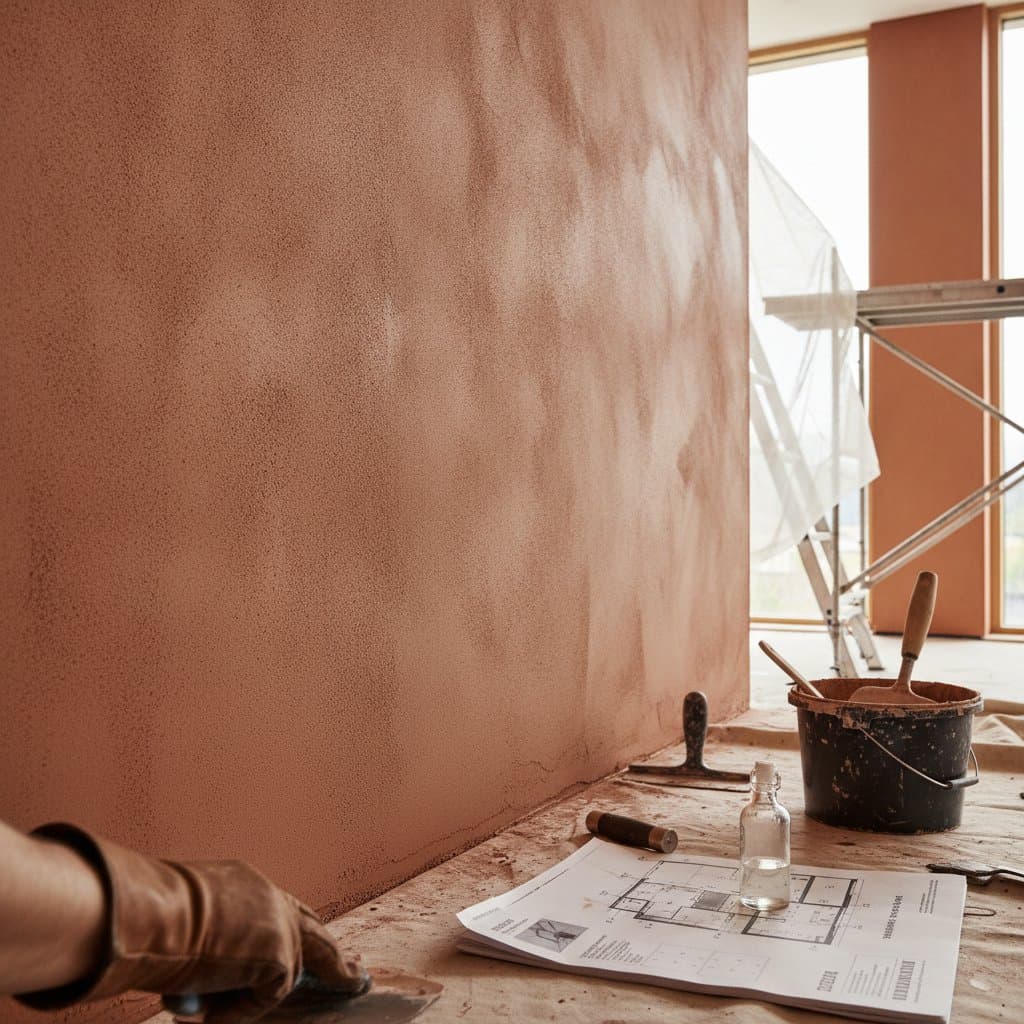
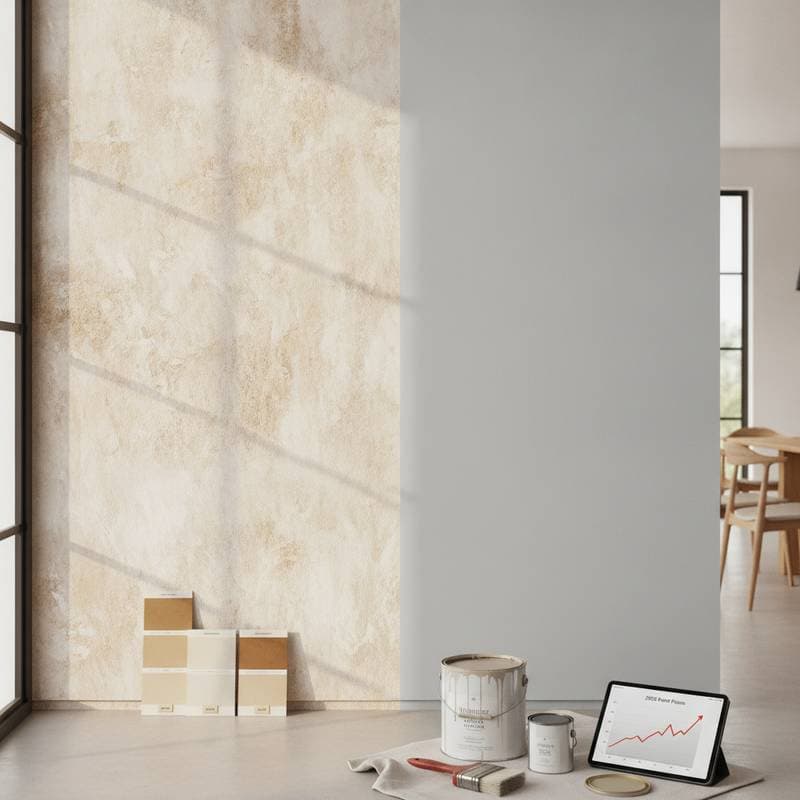
Limewash paint enjoys renewed popularity for interior and exterior surfaces. Its soft, matte appearance and subtle color shifts provide a classic appeal that homeowners appreciate. However, this finish demands significantly more preparation than latex or acrylic alternatives. In fact, professionals allocate three times the effort to prep work, ensuring adhesion and longevity. Homeowners benefit from grasping these requirements to set realistic budgets, schedules, and outcomes.
Limewash Paint Cost Overview
Professional limewash applications typically cost between $4 and $8 per square foot, covering labor and materials. Materials alone range from $1.50 to $3 per square foot, varying with quality and pigmentation intensity. Labor forms the bulk of expenses, at $2.50 to $5 per square foot, due to thorough preparation and layered applications.
Average Cost Ranges by Project Size
- Small surface (up to 200 sq. ft.): $800 to $1,600
- Medium surface (200 to 500 sq. ft.): $1,600 to $3,500
- Large surface (over 500 sq. ft.): $3,500 to $7,000
These estimates encompass preparation, application, and final touches. Projects on deteriorated surfaces or those with prior coatings tend toward the upper limits.
Cost Breakdown per Square Foot
| Category | Cost Range | Description |
|---|---|---|
| Materials | $1.50 - $3.00 | Limewash paint, primers, and additives |
| Labor | $2.50 - $5.00 | Surface cleaning, preparation, and multiple coats |
| Preparation | $1.00 - $2.00 | Removal of old paint, patching, and washing |
| Additional factors | $0.50 - $1.00 | Scaffolding, irregular surfaces, weather delays |
Why Limewash Needs Triple the Preparation
Limewash functions unlike synthetic paints by chemically integrating with the substrate rather than merely covering it. This integration yields a permeable layer that accommodates substrate movement and avoids moisture accumulation. Proper preparation guarantees this bond, demanding a pristine, absorbent surface devoid of prior sealants.
1. Surface Compatibility
Limewash bonds optimally to untreated masonry, brick, or plaster. Application over sealed or painted areas risks flaking or detachment within months. Stripping existing layers proves time-consuming and elevates expenses. In historic structures, this process often uncovers fractures or degraded mortar, necessitating repairs prior to proceeding. These measures extend the timeline yet secure enduring performance.
2. Moisture and pH Balance
Limewash cures via carbonation, reacting with atmospheric carbon dioxide to form a durable, textured surface. Excess moisture or imbalanced pH disrupts this process, leading to inconsistent hardening. Experts employ moisture meters and pH indicators to verify conditions. Correcting issues may involve drying intervals, thorough cleansing, or gentle acid treatments to stabilize the substrate.
3. Multiple Application Stages
Limewash demands several diluted layers, each applied to a subtly moistened surface for optimal integration. This cycle of wetting, coating, and drying requires precise scheduling. Inadequate preparation invites irregularities such as streaks, peeling, or uneven hues in the completed work.
4. Environmental Conditions
Ambient temperature, humidity, and ventilation influence limewash efficacy. Professionals manage these elements throughout preparation and application. Exterior endeavors frequently encounter weather interruptions, whereas interiors need controlled airflow and climate settings. Such oversight prolongs labor and demands careful material management.
Detailed Cost Analysis by Finish Level
| Finish Level | Basic Range | Standard Range | Premium Range | Key Differences |
|---|---|---|---|---|
| Matte White Limewash | $3.50 - $5.00 | $5.00 - $6.50 | $6.50 - $8.00 | Basic mineral mix versus custom tints and sealers |
| Textured Limewash | $4.00 - $6.00 | $6.00 - $7.50 | $7.50 - $9.00 | Incorporated texture and creative depth |
| Exterior Brick Limewash | $4.50 - $6.50 | $6.50 - $8.00 | $8.00 - $9.50 | Enhanced masonry prep, protective additives, scaffolding |
Higher tiers incorporate bespoke colors and protective sealants, contrasting with simpler formulations of lime and water.
Value and Longevity Considerations
Limewash provides substantial value through aesthetic and practical advantages. Its vapor-permeable quality mitigates moisture retention and mold growth. With expert application, the finish endures up to ten years with minimal upkeep. The inherent depth and tonal nuances impart a unique charm absent in standard paints.
Initial investments exceed those for conventional options due to preparation demands. Over time, maintenance proves economical, as repairs integrate smoothly without full repaints. Homeowners prioritizing genuineness and resilience find limewash particularly rewarding.
Money-Saving Strategies
- Prepare surfaces early: Handle initial cleaning and stripping independently to lower professional labor fees.
- Choose natural surfaces: Select bare brick or plaster to bypass removal costs entirely.
- Work in phases: Divide extensive areas into manageable segments, distributing expenses across periods.
- Select standard shades: Opt for inherent hues over custom colors to avoid tinting surcharges.
- Schedule during off-peak seasons: Engage contractors in slower months for potential rate reductions.
Planning Your Budget
Establish a comprehensive budget by calculating square footage and multiplying by per-square-foot rates, factoring in surface condition. Allocate 10 to 15 percent for contingencies like repairs or delays. Consult multiple contractors for quotes, emphasizing their limewash expertise to prevent overruns. Track expenses with a simple spreadsheet, noting material purchases and labor milestones. This approach ensures financial control while delivering a high-quality outcome.
Frequently Asked Questions
1. What is the average cost of limewash painting?
Homeowners generally invest $4 to $8 per square foot, influenced by substrate state, finish complexity, and regional labor. Surfaces requiring extensive remediation incur higher charges from added preparation.
2. What factors increase limewash painting costs the most?
Primary escalators include prior coating removal, structural fixes, and climate management. Elaborate substrates or elevated installations demand extra manpower and tools.
3. How can I reduce limewash project costs without sacrificing quality?
Address cleaning and minor repairs beforehand, favor conventional finishes, and book during low-demand seasons. Partner with limewash-savvy professionals to sidestep errors that inflate bills.
4. Can I apply limewash myself?
Small-scale efforts on untreated areas suit DIY, but flawless execution hinges on testing, hydration oversight, and layered techniques. Novices risk defects like uneven coverage or adhesion failure.
5. How should I plan for unexpected costs?
Incorporate a 10 percent reserve for surprises such as concealed damage or atmospheric interruptions. This margin safeguards against budget disruptions.
6. When is the best time for limewash painting?
Moderate, arid weather supports ideal curing. Steer clear of peak heat or moisture, which hinder adhesion. Specialists assess conditions to optimize results.