Why Charcoal Accent Walls Rule 2026 Interiors
Charcoal accent walls emerge as a dominant trend in 2026 interior design, delivering striking visual impact across diverse settings. This deep, versatile hue infuses spaces with quiet sophistication, bridging industrial edges and suburban warmth. Designers select charcoal for its capacity to add depth without overwhelming light, transforming ordinary rooms into balanced, contemporary havens. As paint technology advances, charcoal establishes itself as a reliable option, demonstrating that bold tones enhance rather than diminish environments when applied strategically.
The Appeal of Charcoal in Modern Spaces
Positioned between stark black and softer gray, charcoal introduces refined elegance to interiors while remaining accessible. It reflects nuanced undertones of blue, green, or brown based on ambient light and paint finish, enabling seamless integration with warm or cool schemes. This flexibility enhances neutral backdrops and accentuates features like crown molding, mantels, or recessed shelves, creating layered visual interest.
Professionals recommend charcoal to ground expansive areas effectively. Surrounding elements such as crisp white cabinetry, reclaimed oak flooring, or polished nickel hardware stand out sharply against its richness. Homeowners appreciate how this contrast fosters equilibrium, positioning charcoal as an essential neutral for enduring style.
What Makes Charcoal Paint Perform Exceptionally
Charcoal excels through its broad compatibility with organic textures like teak paneling or limestone accents, suiting both sleek modernism and classic motifs. In multifunctional layouts, a single charcoal wall delineates areas such as dining nooks from lounges, promoting flow without physical barriers. This approach maintains unity while imparting subtle definition to daily living zones.
Ambient illumination significantly influences charcoal's presentation. Under natural daylight, it softens to an inviting slate tone; in dimmer settings, it intensifies for a cocooning ambiance. Select matte variants for a diffused, contemporary matte that minimizes glare, or opt for satin sheens to capture light and introduce gentle shimmer, enhancing spatial dynamics.
Strategic Color Pairings for Enhanced Design
Effective combinations amplify charcoal's potential, tailoring it to specific room functions and moods.
- Pair charcoal with pristine white for sharp delineation in kitchens or offices, fostering a clean, airy atmosphere.
- Combine with warm walnut tones for grounded serenity in family rooms, evoking natural harmony.
- Integrate brass hardware or sconces to infuse subtle opulence in entryways, balancing depth with gleam.
- Blend with muted sage or lavender for serene retreats in bedrooms, softening edges for restful escapes.
These pairings demonstrate charcoal's adaptability, allowing customization to individual preferences and architectural contexts.
Project Cost Breakdown
Charcoal accent walls offer substantial transformation at a fraction of full-room overhauls, with expenses varying by scope and specifications.
Average Cost Ranges
- Basic accent wall project: $300 - $600
- Standard project: $700 - $1,200
- Premium project with texture or design detailing: $1,300 - $2,000
What's Included
- Thorough wall preparation, including patching holes and sanding rough spots
- Optional professional color matching and sampling
- Application of two coats of durable, low-VOC charcoal paint
- Post-project cleanup and protective edging for adjacent surfaces
What Costs Extra
- Custom finishes such as velvet matte or subtle metallic infusions: $150 - $400
- Installation of wainscoting or crown molding enhancements: $200 - $500
- Intensive repairs like filling deep cracks or applying moisture-barrier primers: $100 - $300
Factors That Affect Final Cost
| Factor | Cost Impact | Examples |
|---|---|---|
| Wall size and ceiling height | Elevates material and labor needs | Expansive great rooms or sloped ceilings |
| Paint quality | Boosts expense for superior coverage and fade resistance | Brands featuring antimicrobial or scrub-resistant formulas |
| Surface condition | Extends prep time and materials | Peeling wallpaper or textured plaster |
| Design complexity | Incorporates specialized techniques | Stenciled patterns or ombre gradients |
Overall, these projects deliver high returns on investment, revitalizing spaces economically compared to structural alterations like millwork or tile replacements.
Professional Versus DIY Painting
While accent walls appear simple, achieving flawless execution demands precision that distinguishes expert results from amateur efforts. Professionals ensure uniform application, precise taping, and optimal primer selection to harmonize with room lighting.
DIY Approach
Pros
- Reduced expenses when utilizing existing drop cloths, brushes, and leftover paint
- Sense of accomplishment from direct involvement in the creative process
Cons
- Likelihood of roller lap marks or patchy pigmentation from inconsistent technique
- Extended hours dedicated to setup, multiple drying cycles, and restoration
- Challenges in color consistency across sessions or supplier variations
Professional Approach
Pros
- Meticulous prep work yielding seamless integration with existing decor
- Utilization of professional-grade tools and eco-friendly paints for superior adhesion
- Efficient scheduling that minimizes household interruption
Cons
- Elevated service fees, offset by extended warranty and refined aesthetics
For optimal outcomes, especially on textured or high-visibility walls, engaging certified painters guarantees enduring quality that justifies the premium.
Preparing for Your Accent Wall Project
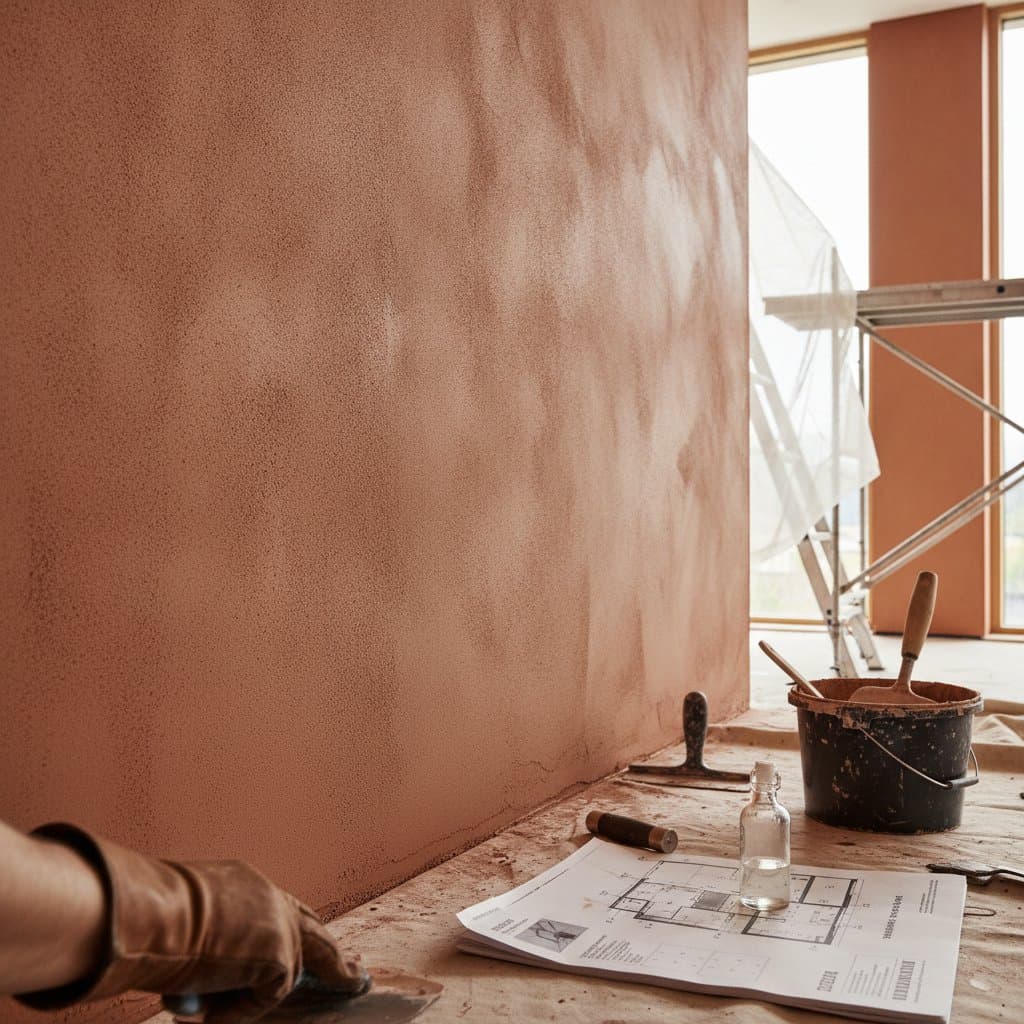
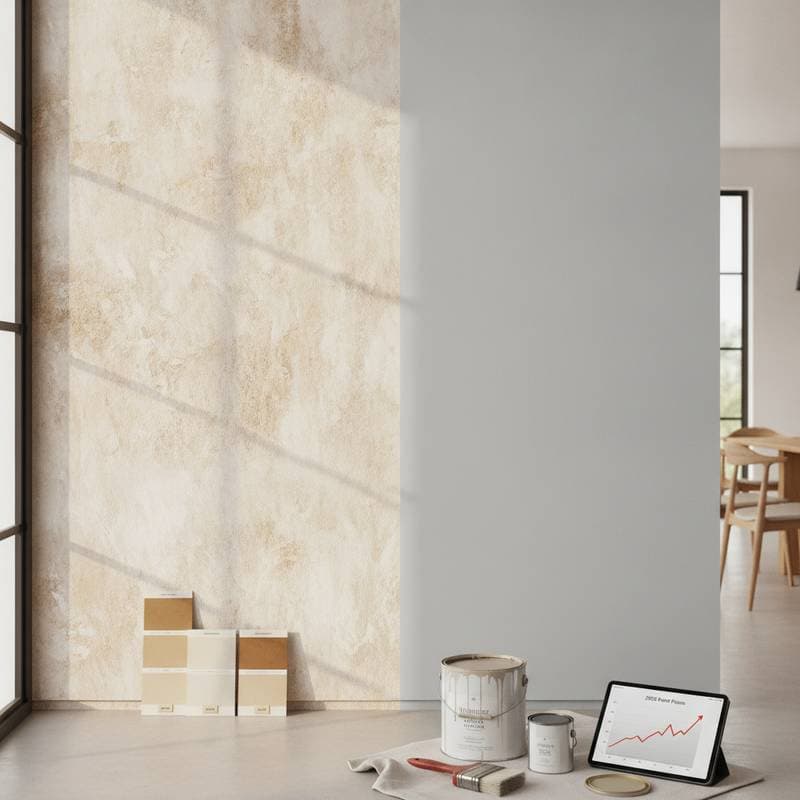
Initiate by decluttering the space: relocate furnishings to the center, cover floors with durable sheeting, and detach switch plates or fixtures. Inspect the surface for flaws; apply spackle to dents, feather edges with fine-grit sandpaper, and wipe away dust for adhesion. Consult swatches under varied times of day to select a charcoal variant that aligns with adjacent hues—consider undertones like smoky taupe for warmth or cool slate for crispness. Finalize by taping borders with painter's tape and rolling on a bonding primer, which prevents bleed-through and promotes even absorption.
Selecting and Implementing Your Ideal Charcoal Accent
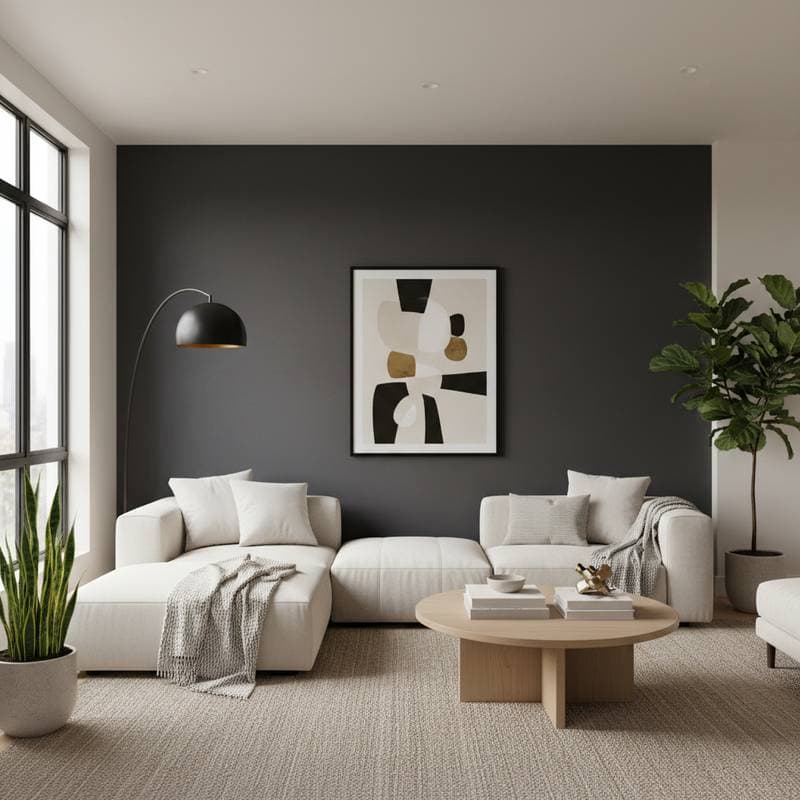
Determine the wall's role in your layout: choose a focal point like the one behind a sofa or bedhead to maximize drama. Evaluate room orientation—north-facing spaces benefit from warmer charcoals to counter cool light, while south exposures handle cooler shades effortlessly. Integrate textures such as subtle grasscloth underlay or LED strips for added intrigue. Post-application, accessorize sparingly with abstract art or shelving to let the wall breathe, ensuring the design evolves with your lifestyle.
This strategic selection not only elevates aesthetics but also boosts perceived space value, offering timeless versatility for future adaptations.
Frequently Asked Questions
1. How much does it cost to paint a charcoal accent wall?
Costs generally span $300 to $1,200, influenced by dimensions, formulation quality, and prep requirements. Advanced elements like textured overlays or luxury sheens can extend budgets to $2,000. Estimates encompass all phases from assessment to final touches.
2. How long does a professional accent wall project take?
Standard single-wall applications span one to two days, accommodating inspection, base coats, pigmentation layers, and cure times. Expansive or intricate setups, including elevated installations or layered effects, may require three days or more.
3. Should I paint a charcoal wall myself or hire a professional?
Self-application suits flat, primed surfaces in low-stakes areas, but experts excel in delivering flawless uniformity on irregular or prominent features. For precision amid complex trim or variable illumination, professional intervention secures professional-grade polish.
4. How can I choose the right shade of charcoal?
Apply multiple test patches and monitor their evolution from morning sun to evening lamps. Opt for blue-leaning charcoals in sleek environments or earthier versions alongside timber elements. Position samples beside key pieces like rugs or upholstery for holistic harmony.
5. What kind of paint finish works best for dark accent colors?
Matte options yield a sophisticated, light-diffusing velvet that suits galleries or studies. Satin or eggshell variants provide washability and faint luster, ideal for kitchens or hallways prone to smudges. Prioritize low-sheen formulas to avoid glare in compact areas.
6. What common mistakes should homeowners avoid?
Neglecting primer leads to splotchy adherence; inferior applicators cause stippling; single-layer painting invites fading. Dedicate time to thorough sanding, premium product selection, and interval drying to attain seamless, vibrant results.