Understanding Limewash Paint for Sustainable Homes
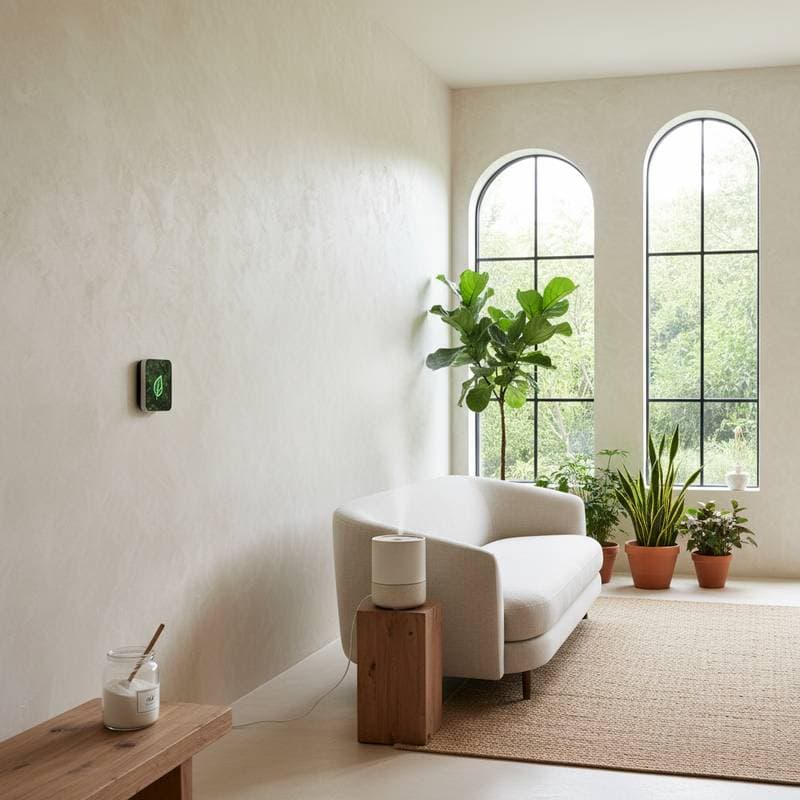
Limewash paint emerges as a preferred option for homeowners who prioritize sustainability, breathability, and enduring style. Derived from crushed limestone and water, this time-honored material produces a soft, matte finish that conveys warmth and authenticity. Homeowners appreciate limewash not just for its visual appeal but also for the environmental and health advantages it provides. In eco-focused residences, limewash excels by combining aesthetic excellence with superior performance.
Key Distinctions from Modern Paints
Contemporary paints often depend on synthetic resins and chemical components. Limewash differs fundamentally as a pure mineral product. The lime component interacts with atmospheric carbon dioxide during curing, which creates a resilient surface that inherently repels bacteria and mold. This permeability enables moisture to evaporate freely, preventing issues such as peeling or mildew buildup within walls.
Limewash imparts a nuanced tonal variation that infuses walls with dimension and vitality. Individual brush applications introduce subtle color transitions impossible to achieve with mass-produced paints. As years pass, the surface matures elegantly, gaining patina instead of losing vibrancy.
Environmental and Health Advantages
Limewash contributes to improved indoor air quality by excluding volatile organic compounds entirely. Its manufacturing process demands far less energy than that of synthetic alternatives, and tints derive from natural pigments. When used on plaster, brick, or stone, limewash establishes a chemical connection that reinforces the substrate while preserving vapor permeability.
The curing process involves absorbing carbon dioxide, which actively diminishes the overall carbon footprint of the painted area. Such qualities position limewash as a rare finish that merges aesthetic value with tangible ecological gains.
Evaluating Costs and Application Methods
Limewash typically costs between $40 and $80 per gallon, varying by pigment variety and manufacturer. A single gallon covers approximately 150 to 250 square feet, although highly absorbent surfaces might absorb more product. Although the initial investment exceeds that of standard latex paints, the material's longevity and reduced maintenance needs offset this over extended periods.
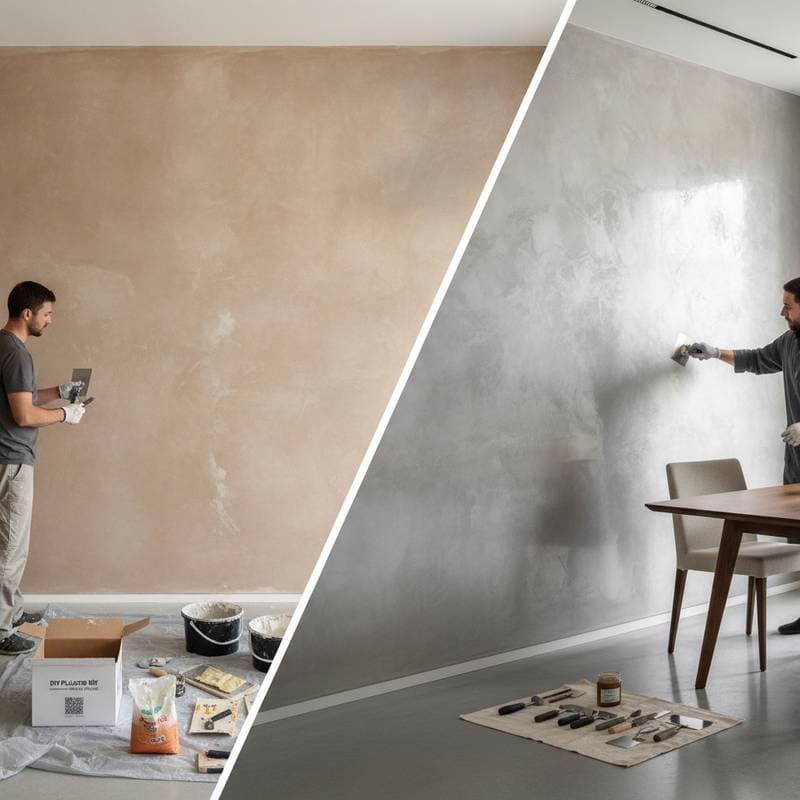
Effective application demands careful preparation and skill. Begin by ensuring the surface remains clean and lightly moistened to facilitate optimal bonding. Apply multiple thin layers with a brush, allowing each to dry to a powdery consistency. The translucent nature of limewash means successive coats build deeper hues. Experienced applicators of mineral-based products handle preparation meticulously to deliver uniform outcomes.
Benefits of Professional Installation
Ambitious DIY projects suit smaller areas, yet extensive interiors or exteriors demand expert intervention. Professionals manage critical factors like drying intervals, environmental influences, and shade consistency. They also apply protective measures or upkeep techniques that safeguard the breathable properties without compromise.
Essential practices include maintaining adequate airflow, wearing suitable protective equipment, and diluting the mixture precisely. Engaging qualified specialists avoids irregularities such as uneven application or early deterioration.
Steps to Integrate Limewash into Your Space
Assess your walls for compatibility, focusing on porous materials like bare plaster or brick. Select pigments that harmonize with your interior palette, considering how layers will influence the final tone. Prepare by removing old finishes and testing a small section to gauge absorption.
Schedule application during moderate weather for exteriors, and plan for multiple sessions to build depth. After curing, enjoy walls that enhance air quality and add organic character. This approach yields spaces that support wellness and sustainability long-term.
Frequently Asked Questions
1. What is the typical cost of limewash painting services?
Professional services for limewash application generally fall between $2 and $6 per square foot. Factors such as surface preparation needs and pigment choices influence the final amount. Custom textures or premium colors may elevate expenses further.
2. How durable is limewash paint?
Properly installed limewash endures 10 to 15 years in interior settings and 5 to 10 years on exteriors. Refreshing with targeted touch-ups preserves the evolving patina, postponing complete recoating.
3. Is limewash suitable for DIY application?
Small-scale interior tasks, like accent walls, lend themselves to DIY efforts. Employ a natural bristle brush, dilute according to guidelines, and layer lightly for best results. Larger areas or outdoor projects benefit from professional expertise to secure evenness and strength.
4. Does limewash pose risks in homes with children or pets?
Limewash omits toxic elements and artificial binders, rendering it harmless post-curing. Families and pets can occupy treated spaces safely after full drying. Observe recommended ventilation during application.
5. Which surfaces pair best with limewash?
Optimal substrates include unpainted plaster, brick, and stone due to their natural porosity. For drywall or previously painted areas, apply a compatible primer to promote adhesion.
6. How should limewashed surfaces be maintained?
Steer clear of abrasive cleaning agents to protect the finish. Remove dust softly and repair minor wear with matching diluted limewash. Embrace the material's inherent ability to age with grace.