Limewash Walls: The Leading Texture Trend for 2026 Interiors
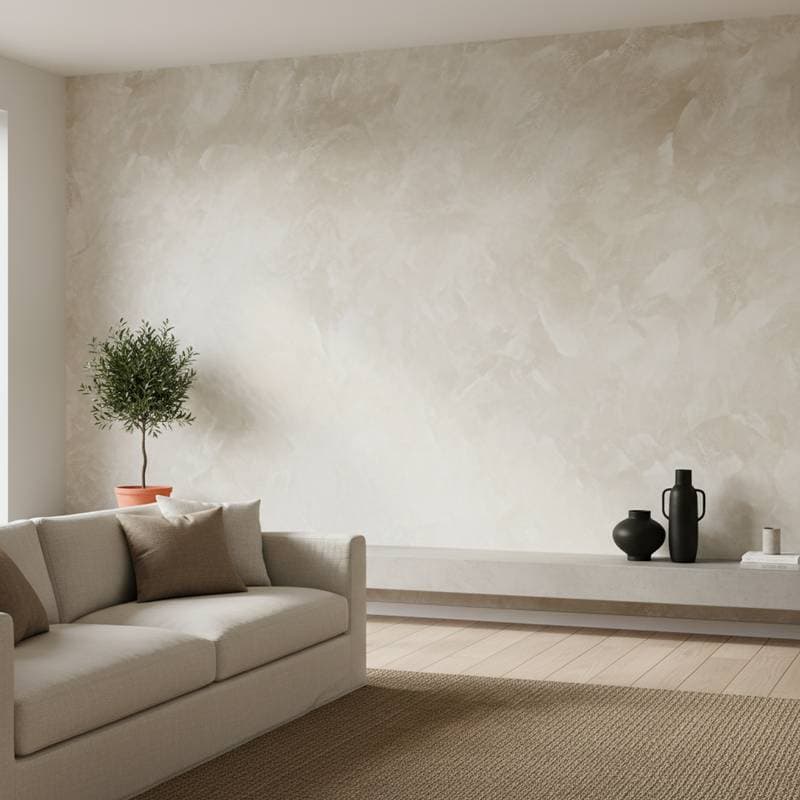
Limewash walls serve as the focal point in contemporary interior designs, where their gentle texture and natural finish dominate social media platforms. This age-old method experiences renewed popularity by combining vintage allure with present-day aesthetics. The subdued, velvety appearance imparts dimension and fluidity to surfaces that standard paint cannot replicate. Homeowners seeking to update their spaces find in limewash both visual attraction and sustained resilience. Knowledge of expenses, supplies, and pricing influences enables effective project planning prior to embracing this popular style.
Overview of Limewash Wall Expenses
Expenses for applying limewash to interior walls generally fall between $3 and $8 per square foot, with typical projects costing $4.50 to $6 per square foot when handled by experts. In a standard room, this amounts to $900 to $1,800, influenced by surface state, shade options, and texture preferences. Self-application lowers expenses, yet expert services yield even integration and reliable outcomes.
Expense Ranges by Project Scale
- Small room (up to 150 square feet): $450 to $1,000
- Medium room (200 to 300 square feet): $900 to $1,800
- Large room (400 or more square feet): $1,600 to $3,200
Expense Breakdown per Square Foot
| Category | Low Range | High Range | Description |
|---|---|---|---|
| Materials | $1.00 | $2.00 | Lime putty, pigments, and primer |
| Labor | $2.00 | $5.00 | Skilled application, layering, and blending |
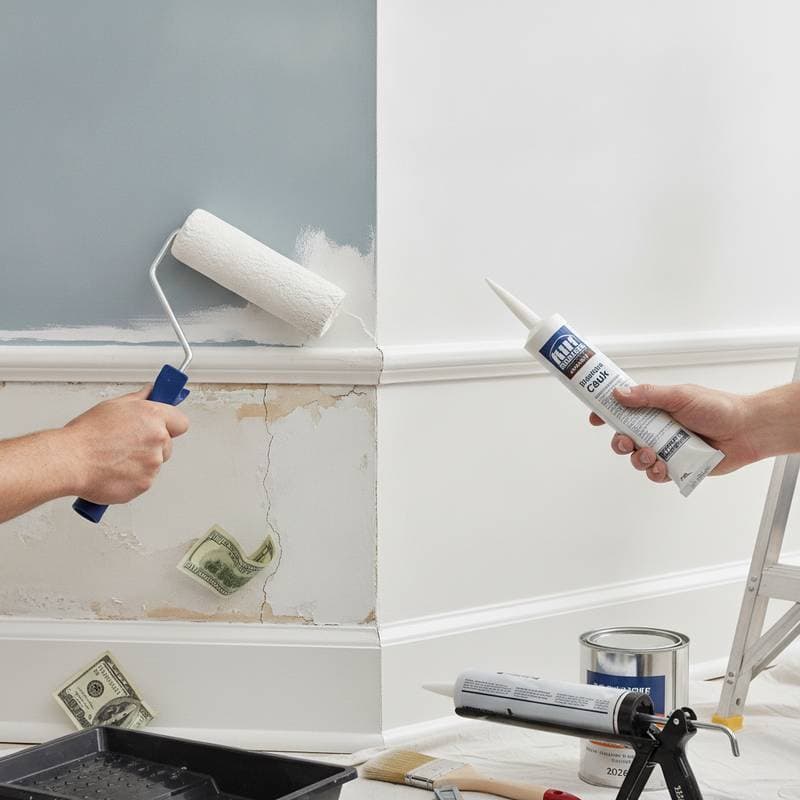
| Preparation | $0.50 | $1.00 | Cleaning, patching, sealing porous surfaces |
| Finishing | $0.50 | $1.00 | Protective topcoat or wax if desired |
Influences on Limewash Wall Expenses
Pricing for limewash varies based on multiple essential elements. Awareness of these aspects assists homeowners in developing precise financial plans and preventing unforeseen charges.
Surface condition plays a significant role: even, prepared walls demand minimal effort, whereas uneven or flawed ones require mending and protection. Such fixes may increase costs by $100 to $300 per room.
Wall dimensions and elevation affect totals: expansive or high walls demand greater supplies and time. Spaces with elevated ceilings or intricate trim necessitate heightened accuracy and work.
Shade choices impact fees: inherent limewash shades prove economical. Tailored colors or intense pigments raise expenses through extra mixing and applications.
Method of application matters: one layer yields a faint, diffused look, whereas several layers build complexity and flow. Additional layers elevate costs due to extended drying and reworking intervals.
Expert versus self-application: specialists guarantee uniform texture and integration. Self-efforts economize funds but demand increased supplies and duration for balanced coverage.
Expense Examination by Finish Type
| Finish Type | Basic Range | Standard Range | Premium Range | Key Differences |
|---|---|---|---|---|
| Matte Limewash | $3 to $5 | $4 to $6 | $6 to $8 | Natural finish, earthy tones, reactive texture |
| Mineral Wash | $4 to $6 | $6 to $8 | $8 to $10 | Deeper pigmentation, modern hues, fine texture |
| Lime Plaster Hybrid | $5 to $7 | $7 to $9 | $9 to $12 | Thicker application, stone-like finish, high durability |
Basic options embody the raw quality of limewash with basic integration. Standard versions provide greater shade diversity and profundity. Premium selections merge limewash with plaster for a refined, sensory exterior resembling weathered rock.
Key Elements Driving Expenses
Material Standards
Superior limewash derives from aged lime putty and natural pigments. Inferior options might incorporate artificial additives that undermine feel and endurance. Genuine components generate the distinctive hazy motion and faint luster.
Surface Readiness
Absorbent bases take in lime irregularly, causing blotchy effects without adequate shielding. Experts frequently use a mineral base coat for uniform uptake. This process adds $0.50 to $1 per square foot, yet it averts later flaking or powdery residue.
Labor Expertise
Limewash demands a precise stroking method called cross-hatching. Trained applicators produce natural patterns that interact with illumination effectively. The creative aspect supports elevated labor fees, particularly for those desiring elevated design results.
Surrounding Factors
Moisture levels, warmth, and airflow affect curing duration. Prolonged drying extends work periods. Selecting temperate conditions for projects promotes productivity and steady texture.
Location and Market Effects
Limewash fees differ by region. Metropolitan zones with premium labor charges approach maximum rates, whereas countryside areas provide budget-friendly options. Seaside environments might need vapor-permeable coatings to handle dampness, modestly raising supply costs. Timing by season influences as well. Spring and autumn furnish optimal settings for indoor work, while summer dampness delays curing.
Benefits and Investment Return
Limewash delivers visual and economic advantages. Its permeability permits vapor release from stucco or masonry, minimizing mold hazards and deterioration. The substance inherently repels microbes and enhances air purity indoors, surpassing artificial coatings. For property sales, limewash appeals to purchasers favoring handmade and green elements. Investment recovery arises from striking presence and infrequent reapplication needs. Limewash matures elegantly, gaining a sheen that boosts appeal over years rather than dulling.
Expense Comparison: Limewash Against Conventional Paint
| Feature | Limewash | Acrylic Paint |
|---|---|---|
| Cost per sq. ft. | $3 to $8 | $2 to $4 |
| Durability | Long-term, patinas with age | Moderate, may peel or chip |
| Finish | Matte, textured | Smooth, uniform |
| Maintenance | Minimal, natural aging | Requires repainting every few years |
| Eco Impact | Natural minerals, low VOCs | Chemical-based, higher VOCs |
Although limewash demands a higher initial outlay, its persistence and organic quality position it as a worthwhile selection for style-aware residents. Regular paint often requires repeated maintenance, resulting in greater overall expenditures.
Approaches to Reduce Expenses
- Prepare walls independently: Thoroughly clean areas, repair minor defects, and smooth irregularities before engaging experts. This shortens labor duration.
- Select pale shades: Such options necessitate fewer layers, conserving supplies and effort.
- Combine multiple tasks: Addressing several rooms simultaneously may secure bulk reductions.
- Steer clear of busy periods: Arrange work in quieter months when specialist availability peaks and rates dip.
- Omit protective layers: In low-use zones, sealing proves unnecessary.
Budgeting for Your Limewash Initiative
Commence planning by assessing wall expanse and applying the $3 to $8 per square foot spectrum. Incorporate 10 to 15 percent for unforeseen elements like surplus layers, fixes, or shade tweaks. For sizable areas, obtain detailed estimates from three or more specialists. Request breakdowns covering base coats, debris removal, and supplies. Such clarity facilitates fair evaluations.
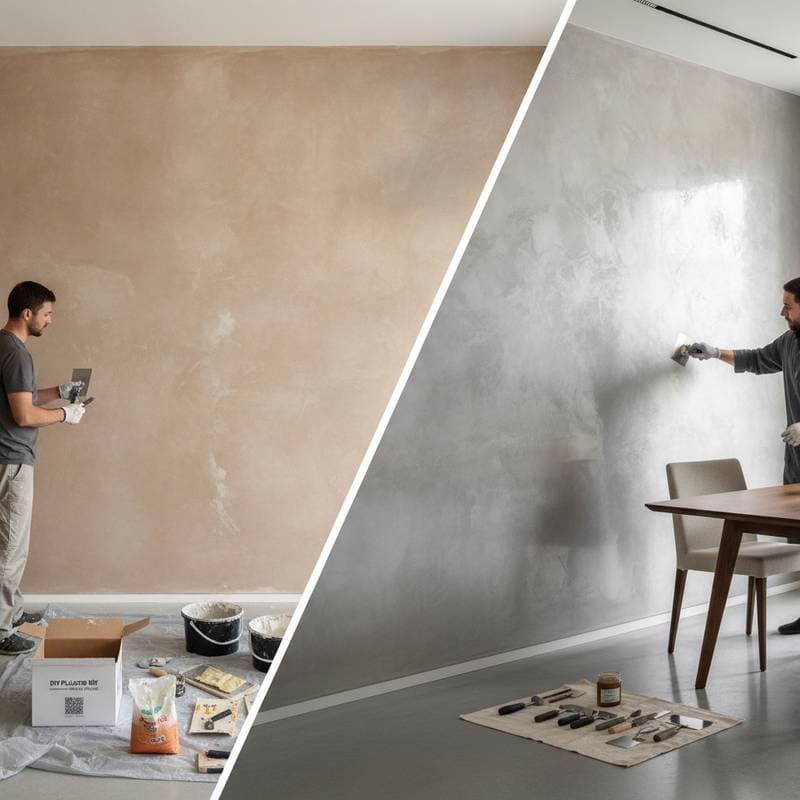
Those opting for self-work must account for extras like applicators, blending equipment, and safeguards. Allocate $50 to $100 for implements and $100 to $300 for supplies in a typical room. Self-application cuts labor fees, though uniform texture requires trial and repetition.
Expert Application Versus Self-Limewash
Expert Services
- Best for broad or intricate areas
- Ensures steady shade merging and feel
- Encompasses readiness and tidying
- Elevated fees yield top-tier outcomes
Self-Method
- Appropriate for minor highlight sections
- Economical with meticulous execution
- Demands tolerance and sample trials
- Outcomes vary by proficiency
A self-limewash endeavor offers fulfillment, but specialists possess the knowledge to form fluid, vaporous patterns ideal for digital captures.
Upkeep for Limewash Walls
Limewash surfaces need little care. Remove dust using a gentle fabric or vacuum accessory. Refrain from abrasive solutions that erode the mineral layer. For irregularities or stains, a light overlay revives appearance. As limewash fuses at a molecular level with the base, it resists shedding unlike typical paints. Gradually, it acquires a inherent sheen that amplifies rather than lessens allure.
Enduring Advantages
Limewash extends beyond aesthetics by diffusing light mildly, fostering serene atmospheres. Its organic makeup ensures breathability, blocking enclosed dampness that harms substrates. Residents value its sustainability and harmlessness. With proper care, limewash endures for generations absent complete renewal, providing robust value over manufactured alternatives.
Initiating Your Limewash Project
Assess objectives first. For a weathered vibe, pursue robust stroking. For contemporary elegance, favor subtle, even layers. Engage a specialist versed in mineral finishes. Request demonstrations or trial spots to observe texture under various lights. After settling on shade and style, allow several days for setting before adding decor or fixtures.
Frequently Asked Questions
What constitutes the typical expense for limewash walls?
Homeowners generally invest $3 to $8 per square foot, varying by scale, state, and style. A common room ranges from $900 to $1,800 under expert care, inclusive of readiness and supplies.
Which elements most affect limewash expenses?
Primary influencers encompass surface readiness, layer count, pigment intensity, and worker ability. Uneven or flawed bases demand extra groundwork, while bespoke shades and layered styles prolong time and resources.
How might one economize on limewash while preserving standards?
Manage initial readiness personally, employ pale tones for reduced layers, and time projects for off-seasons. Selecting a nearby expert in lime materials cuts transport and added fees.
Is expert hiring preferable to self-attempt for limewash?
Self-application suits compact zones or highlights. For full rooms or flawless results, experts provide superior shade uniformity and texture. They manage groundwork and curing as well.
How does one account for unforeseen limewash expenses?
Build in 10 to 15 percent buffer for surplus layers, mends, or modifications. Seek detailed bids to define inclusions. This averts shocks during execution.
When proves optimal for launching a limewash project at minimal cost?
Target temperate, arid periods for uniform curing indoors. Less active seasons yield reduced fees and greater specialist access. Forward planning locks in desired schedules and rates.