The $800 Mistake: Skipping Sanding Between Coats
Many individuals who paint walls, cabinets, or furniture consider skipping the sanding step between coats to save time. This choice often leads to significant issues later. Homeowners frequently face the expense of hundreds of dollars to correct surfaces that initially appear smooth but eventually develop bubbles, peeling, or grit. In painting projects, omitting sanding between coats ranks among the most costly shortcuts. This article examines the importance of sanding, proper techniques, and strategies to achieve a flawless finish while managing costs effectively.
Why Sanding Between Coats Matters
Sanding between coats serves a critical purpose beyond adding extra effort. It provides an optimal surface for paint adhesion. Each application creates minute ridges, dust remnants, and micro-bubbles, even with the most precise tools. Light sanding smooths these imperfections, allowing the subsequent layer to bond securely. Without this step, surfaces become prone to peeling, cracking, or uneven dullness that becomes evident under various lighting conditions.
Paint layers respond to environmental factors such as temperature fluctuations, humidity, and aging by expanding and contracting. Poor bonding between layers can result in separation over time. The $800 mistake arises from the need to repaint entire rooms, cabinet sets, or shelving units to address adhesion failures. Such repairs typically cost far more than the initial investment in proper sanding.
The Science Behind a Smooth Finish
Understanding the principles of sanding requires no advanced chemistry knowledge. Paint adheres most effectively to surfaces with microscopic texture, often called "tooth." As paint cures between coats, it loses its tacky quality. Without sanding, the new layer fails to integrate properly and remains vulnerable to flaking.
A gentle scuff with fine-grit sandpaper produces tiny grooves that promote a strong mechanical bond. This process enhances the durability and longevity of the finish. The glossy, professional appearance resembling glass results from this methodical preparation rather than mere application skill.
Common Surfaces Requiring Sanding
Different projects demand tailored approaches, yet certain materials consistently benefit from sanding between coats:
- Cabinets and Trim: These glossy, hard surfaces challenge adhesion, even after priming. Sanding maintains smoothness and strength in the final coat.
- Furniture: Multiple layers require precise preparation to prevent texture accumulation and inconsistent sheen.
- Doors: Vertical planes highlight imperfections through light reflection. Brief sanding ensures a flawless, polished look.
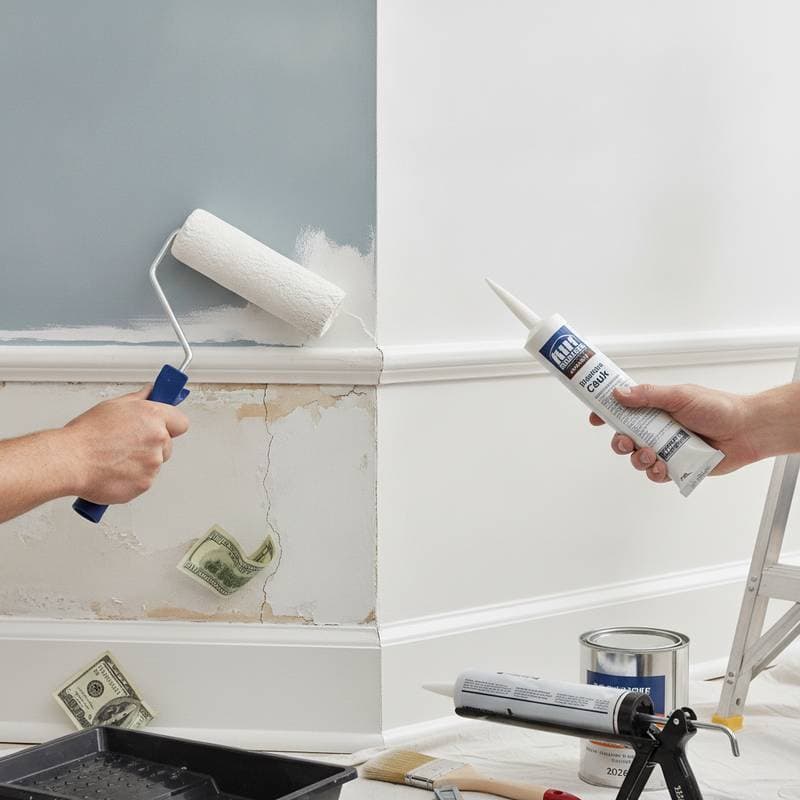
- Walls with Repairs: Materials like joint compound introduce subtle elevations. Sanding levels these areas before painting secures the surface.
Ceilings or exterior fences allow some flexibility, but for elements subject to frequent contact, cleaning, or close inspection, sanding remains essential.
How to Sand Between Coats Effectively
Sanding need not involve excessive dust or discomfort when approached methodically. Follow these steps for efficient results:
- Allow complete drying. The surface must feel non-tacky. Rapid clogging of sandpaper indicates insufficient drying time.
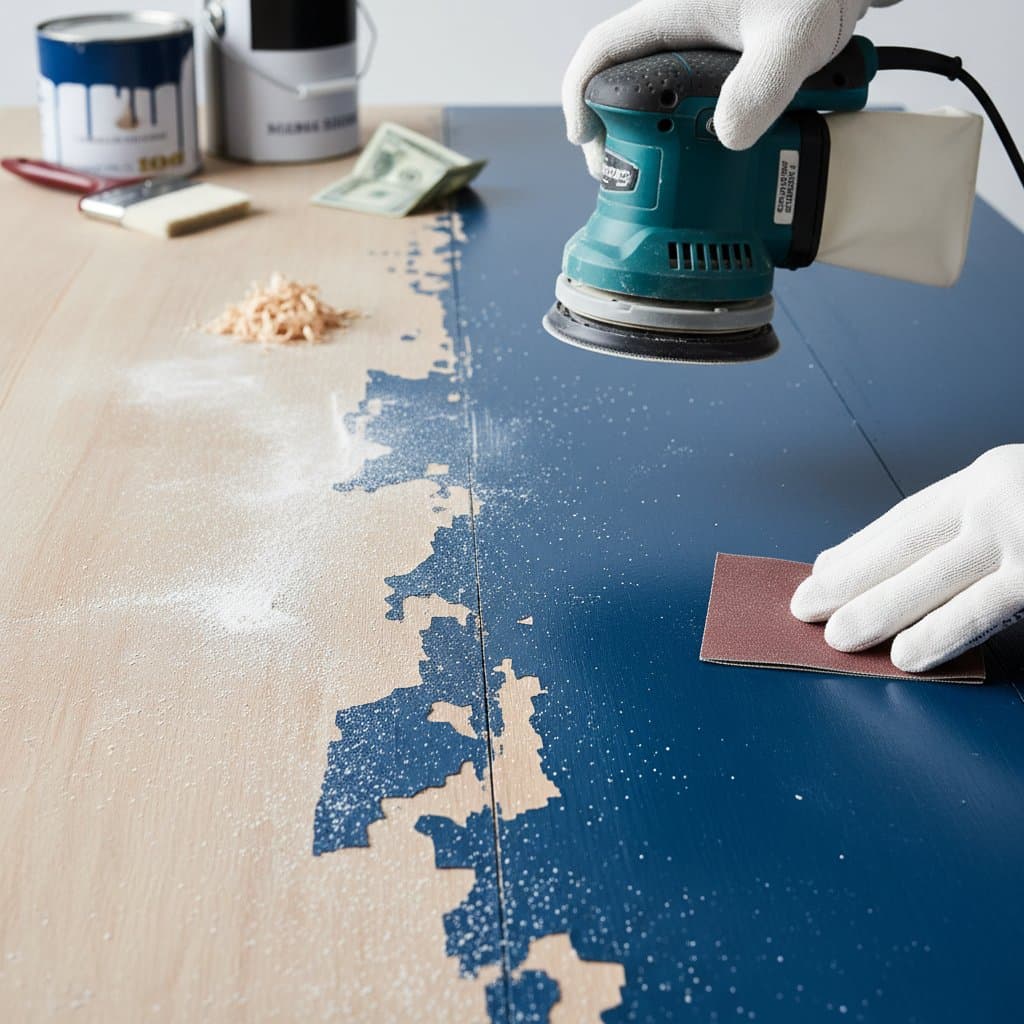
- Select fine-grit materials. Opt for 220-grit sandpaper for standard projects; 320-grit suits ultra-smooth outcomes.
- Apply light pressure. The objective is smoothing, not material removal. Several gentle passes suffice.
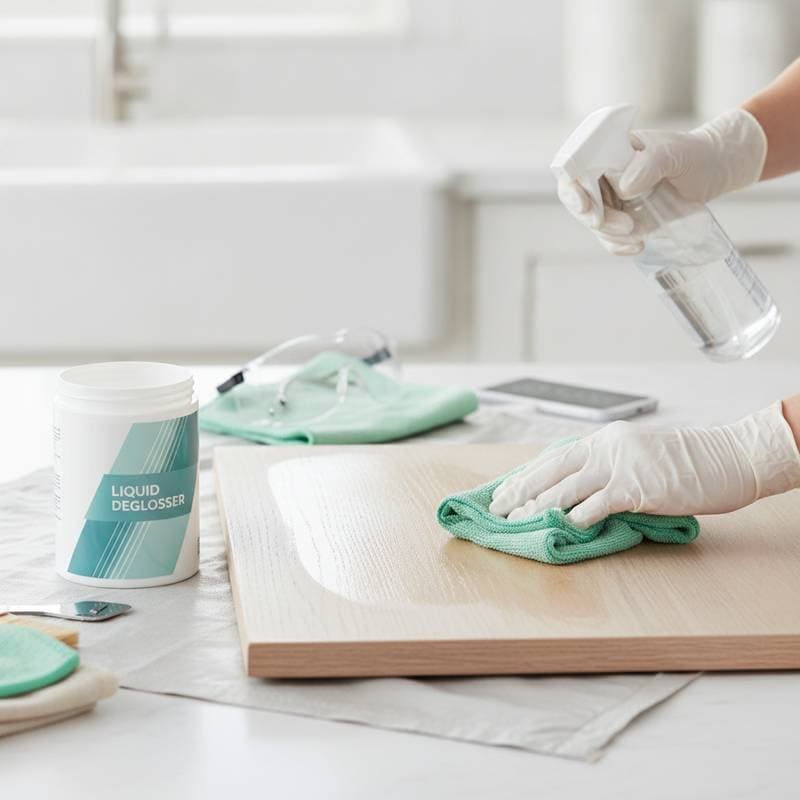
- Clean thoroughly. Employ a tack cloth or slightly damp microfiber towel to eliminate dust. Neglecting this embeds particles in the next layer.
- Check with illumination. Direct a light source across the surface. A uniform, subtle sheen signals readiness for recoating.
For enhanced control on contoured areas, sanding sponges or finishing pads prove invaluable. On expansive flat sections, a pole sander distributes even pressure and reduces physical strain.
Consequences of Skipping Sanding
The practical implications become clear through real costs. Consider repainting kitchen cabinets without inter-coat sanding. The surface may appear satisfactory initially but soon exhibits bumps, irregular gloss, or easy scratching. Correction demands full sanding, cleaning, and repainting, doubling material and time investments.
Professional intervention for such errors incurs labor and supply fees totaling several hundred dollars. Clients have reported expenditures up to $800 for rework that fifteen minutes of sanding could have prevented. Most paint failures stem from inadequate preparation, akin to constructing without secure fastenings; initial stability gives way under prolonged exposure.
Budget-Friendly Sanding Options
Effective sanding requires no lavish equipment. Consider these tiers based on investment:
Minimal Investment:
Repurpose existing sandpaper sheets over a foam block for grip. Tap off dust to extend usability. A damp cloth substitutes for a tack cloth, delivering reliable results without added expense.
Moderate Investment:
Acquire sanding sponges in varied grits and a manual sander for planes. Include tack cloths for swift debris removal. This setup yields professional-grade outcomes at accessible prices.
Greater Investment:
Frequent painters or design professionals benefit from a random orbital sander featuring dust collection. Mesh discs endure longer and remain cleaner. Finishes achieve broadcast-quality smoothness.
Consistency across budgets ensures robust, tactilely pleasing results. Dedicate a few minutes per coat to safeguard the project's integrity.
Insights from a Recent Project
During a time-sensitive set construction, display panels received rushed painting. Initial panels performed adequately, yet studio lighting exposed ripples. The team halted, applied fine-grit sanding before additional coats, and observed immediate improvements. Light reflection evened out, colors intensified, and textures attained a satin quality. This brief intervention averted extensive revisions.
Addressing Common Challenges
Encountering issues during sanding warrants straightforward solutions:
- Sandpaper clogging from paint: Extend drying time before proceeding.
- Irregular dull areas: Reduce pressure in future passes; recoat as needed.
- Debris trapped under new paint: Prioritize cleaning prior to each application.
- Visible scratches in finish: Switch to finer grit and lighten touch.
View sanding as refinement rather than erasure. This step elevates work from novice to expert caliber.
Essential Techniques for Optimal Results
- Reserve distinct sandpaper for primer versus paint phases to avoid contamination.
- Exercise caution on edges where paint layers thin easily.
- Follow wood grain direction during sanding.
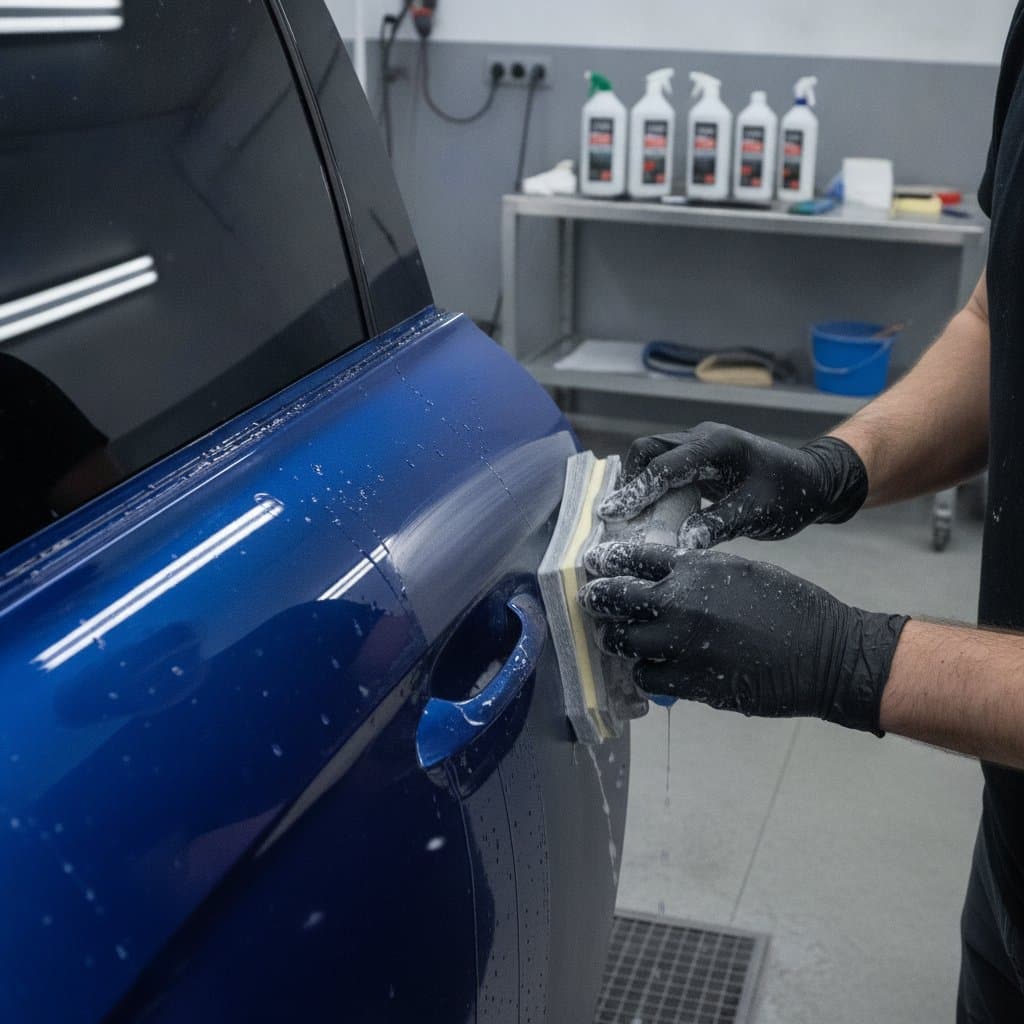
- For glossy effects, wet sand with waterproof fine-grit paper to mirror-like perfection.
- Store sandpaper flat to maintain shape.
These practices transform sanding into an efficient process.
Achieving Lasting Quality in Your Projects
A completed paint job reveals the value of meticulous sanding through its tactile smoothness, resilience, and ease of maintenance. Details define superior design. This foundational technique distinguishes hasty efforts from enduring, professional achievements.
Incorporate sanding routinely to prevent costly oversights. The result is a surface that endures, impresses, and enhances daily use.