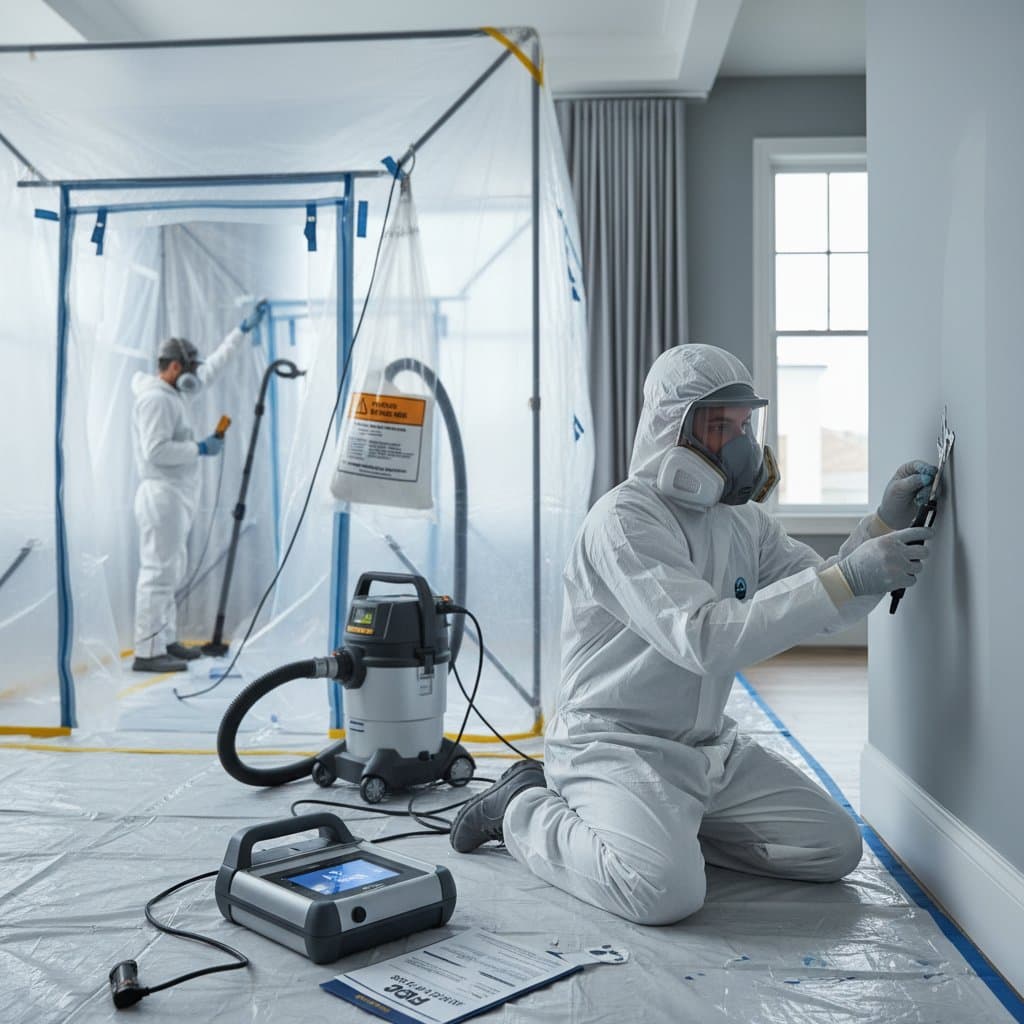
When the Environmental Protection Agency updates its lead safety regulations, homeowners often focus on compliance deadlines and certification requirements. The most immediate impact arises from the financial and logistical changes these rules introduce to home improvement projects. The updated EPA lead rules expand the number of homes and surfaces covered, increase testing expectations, and tighten containment standards. Each of these changes carries hidden costs that affect painting, renovation, and repair work.
Homeowners benefit from understanding how these new regulations influence budgets, contractor selection processes, and project timelines. Individuals planning to repaint a vintage living room or remodel a kitchen in an older property gain an advantage by knowing how the lead rules apply. This knowledge enables effective expense management and avoidance of compliance issues.
Project Overview
The EPA lead-safe regulations aim to minimize exposure to lead dust during renovation, repair, and painting activities. Homes built before the mid-1970s frequently contain lead-based paint beneath newer layers. Disturbing that paint generates hazardous particles that persist in dust and air. The upcoming changes extend oversight to additional surface types, mandate more detailed documentation, and strengthen enforcement for noncompliance.
Homeowners encounter contractors who must implement extra precautions when sanding, scraping, or cutting painted surfaces. Even small tasks, such as painting window trim or replacing doors, adhere to the same standards as full-scale renovations. Each phase, from testing to cleanup, follows specific containment and verification protocols.
Project Cost Breakdown
Average Cost Ranges
- Basic compliance project: $1,200 - $2,500
- Standard interior repainting with lead-safe prep: $3,000 - $6,000
- Extensive renovation with full containment and testing: $7,000 - $15,000
What's Included
- Lead test kits or certified inspections
- Surface containment setup with plastic sheeting and tape
- Specialized vacuum systems with HEPA filters
- Worker protective gear and training
- Detailed cleanup and clearance verification
What Costs Extra
- Certified third-party testing or lab analysis ($100 - $400 per sample)
- Replacement of contaminated materials like trim or flooring
- Disposal fees for hazardous waste removal
- Project delays caused by additional testing requirements
Factors That Affect Final Cost
| Factor | Cost Impact | Examples |
|---|---|---|
| Home age and paint condition | Higher when older paint layers exist | Multi-layer paint on wood windows |
| Project size and complexity | Larger areas cost more to contain | Full exterior repaint |
| Access and layout | Tight spaces require more preparation | Stairwells or small bathrooms |
| Testing method | Lab testing increases expense | Confirming results beyond test kits |
| Regional labor rates | Market conditions affect pricing | Urban vs. rural service areas |
Understanding the Hidden Expenses
Homeowners often presume that lead compliance adds only the expense of testing. In reality, the financial effects frequently stem from time, materials, and labor. Establishing containment zones requires hours before painting commences. Workers don protective clothing and employ specialized vacuums to prevent dust escape. These measures reduce production rates, thereby increasing labor hours even for minor jobs.
Cleanup standards demand greater rigor. Contractors clean surfaces multiple times and may need to repeat testing until clearance succeeds. Each retest incurs fees and prolongs the project timeline. When furniture or flooring resists full sealing, temporary relocation or additional protection materials become necessary, escalating costs.
Project planning introduces another hidden expense. Contractors update certifications or renew training for their teams. The added administrative burden, insurance coverage, and documentation requirements contribute to project pricing. Although compliance promotes safety, homeowners receive quotes that account for these operational demands.
Professional vs. DIY Guidance
DIY projects disturbing painted surfaces in older homes pose risks under the new rules. Certified lead-safe practices necessitate containment materials, HEPA-equipped vacuums, and proper disposal methods, which most homeowners do not possess. Even minor sanding releases dust that disperses beyond the work area.
Engaging a certified contractor or painter guarantees compliance and safety. Professionals access equipment and training that facilitate efficient completion while safeguarding occupants. DIY remains viable for modern homes confirmed lead-free, but uncertainty about paint composition warrants professional testing as the initial step.
Contractor Selection and Compliance Verification
Selecting the appropriate professional extends beyond price comparisons. Homeowners verify that contractors possess current lead-safe certification recognized by the EPA. Request documentation and confirm it via the agency public database.
Key Steps for Selecting a Qualified Contractor
- Request proof of certification before signing any contract.
- Inquire about containment methods, including sealing work areas and managing airflow.
- Review cleanup procedures to confirm inclusion of testing and verification.
- Compare multiple quotes to assess handling of labor, materials, and testing costs.
- Discuss schedules and clarify how potential retests influence timing.
A comprehensive written contract delineates every phase, encompassing testing, containment, cleanup, and waste disposal. Steer clear of contractors who minimize compliance importance or propose skipping testing. Noncompliance invites penalties and health risks that surpass short-term savings.
Preparing for the Process
Preparation Checklist
- Clear all rooms of furniture or cover items before work commences.
- Ensure children and pets vacate the work area during renovation.
- Schedule testing early to detect lead presence prior to hiring painters.
- Discuss potential add-on costs, such as replacing damaged trim or extending cleanup.
- Retain copies of all documentation, including test results and clearance reports.
Typical Timeline
- Testing and planning: 1 to 3 days
- Containment setup: 1 day for smaller areas, up to 3 for full homes
- Active work phase: Depends on scale, often 3 to 10 days
- Cleanup and clearance testing: 1 to 2 days
Frequently Asked Questions
1. How much does lead testing typically cost?
Basic test kits range from $30 to $100, while certified laboratory analysis costs $100 to $400 per sample. Larger projects with multiple samples may total $1,000 or more. The selected method aligns with local regulations and the confirmation level required by contractors or inspectors.
2. How long does a lead-safe painting or renovation project take?
A small interior room requires about one week, including setup, painting, and cleanup. Larger projects spanning multiple rooms or full exteriors extend to several weeks. Containment setup and clearance verification primarily account for added time, which must satisfy inspection before completion.
3. Can homeowners handle small lead paint jobs themselves?
DIY proves safe only with paint tested and confirmed lead-free. Uncertainty precludes scraping, sanding, or heating surfaces. Certified professionals possess equipment and training to control dust and satisfy EPA rules.
4. How do I verify a contractor’s certification?
The EPA public database lists certified firms. Request the contractor certification number and validate it online prior to hiring. Seek references from recent jobs involving lead-safe procedures.
5. What should I expect during the cleanup and clearance phase?
Post-completion, contractors employ HEPA vacuums and wet-wiping for surface cleaning. Visual inspection or dust testing verifies safety standards. Homeowners obtain documentation confirming passage before reoccupying the space.
6. What happens if a contractor ignores lead-safe rules?
Noncompliance triggers fines, project shutdowns, and homeowner liability. Improper lead paint handling contaminates areas, necessitating costly remediation. Confirm adherence to lead-safe requirements throughout.
Safeguarding Your Home and Budget
Navigating the 2026 EPA lead rules equips homeowners to protect health and finances during renovations. Proactive steps, from early testing to certified contractor selection, minimize surprises and ensure smooth project execution. By prioritizing compliance, individuals complete safe, efficient improvements that enhance living spaces without undue expense.