Why Lavender and Butter Yellow Will Dominate 2026 Home Interiors
Color shapes the emotional essence of a home. A well-chosen hue can shift a space from stark to soothing or from lackluster to lively. For 2026, lavender and butter yellow stand out as premier interior colors, embodying aspirations for tranquility, equilibrium, and positivity. These selections transcend fleeting fashion; they signal an evolving preference among homeowners for environments that foster peace, harmony, and illumination.
The Allure of Lavender and Butter Yellow
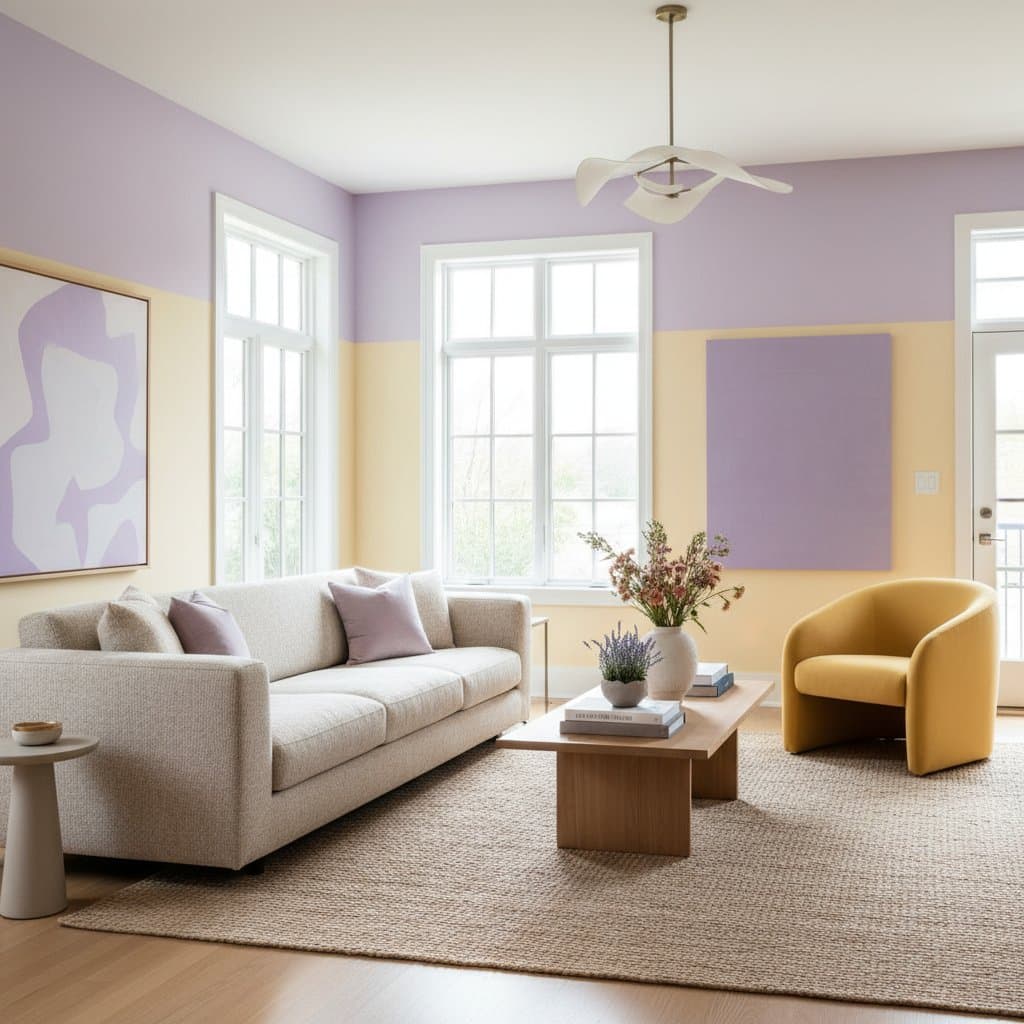
Lavender delivers a refined softness that bridges modern edge with classic poise. It instills relaxation without clinical detachment, suiting bedrooms, living rooms, and bathrooms seamlessly. Butter yellow introduces subtle radiance reminiscent of dawn light and gentle joy. Paired together, these tones forge a synergy of cool and warm elements, yielding a poised aesthetic that integrates effortlessly into contemporary or classic settings.
Professionals and residents gravitate toward these hues for their versatility across styles. Lavender elevates sparse designs with understated grace, whereas butter yellow infuses vitality into kitchens and foyers. Both render strikingly in photographs, appealing to those who document their homes digitally or celebrate updates publicly.
Project Cost Breakdown
Average Cost Ranges
- Basic repaint with standard finishes: $2,000 - $3,500
- Mid-range project with premium paints and detail work: $3,500 - $6,000
- High-end design with accent walls or custom finishes: $6,000 - $9,000
What the Project Includes
- Thorough wall preparation, including patching and sanding
- Application of two coats of superior interior paint
- Refinements to trim and ceilings
- Comprehensive cleanup and inspection
Additional Expenses
- Specialized finishes such as matte or low-sheen luxury options
- Bespoke color formulation and design consultations
- Relocation of furnishings or extensive surface mending
- Treatments for accent walls or textured effects
Factors Influencing Total Cost
| Factor | Cost Impact | Examples |
|---|---|---|
| Paint quality | Superior grades elevate expenses | Designer brands or scrub-resistant formulas |
| Surface condition | Remediation extends labor hours | Fractures, perforations, irregular surfaces |
| Room dimensions | Expansive areas demand greater material | Expansive open-plan zones |
| Color intensity | Deeper shades necessitate extra layers | Intense lavender or vibrant butter yellow |
| Trim complexity | Intricate elements prolong effort | Ornate molding, integrated cabinetry |
How These Colors Enhance Everyday Spaces
Lavender and butter yellow extend beyond aesthetics; they shape ambiance and room dynamics. Lavender promotes composure, positioning it as a top choice for restful bedrooms or contemplative nooks. Butter yellow bounces light effectively, expanding the perceived scale and brightness of compact or shaded areas. Combined, they form a cohesive scheme that radiates approachability and poise.
These colors respond adeptly to diverse illumination. Daylight accentuates lavender's subtle chill, while overhead lighting amplifies butter yellow's velvety glow. Such adaptability suits residences with fluctuating natural exposure across daily cycles.
Timeline for Completion
A standard interior refresh with these colors follows this sequence:
- Planning and shade selection: 1 to 3 days
- Surface readying: 1 to 2 days
- Application and curing: 2 to 4 days
- Final adjustments and tidying: 1 day
Projects generally span one week, varying by room count and substrate state. Properties featuring elaborate trim or tailored details might extend by a day or two.
Professional Painting Versus DIY Approaches
Though painting appears straightforward, securing flawless results with nuanced shades like lavender and butter yellow demands accuracy. These colors expose flaws vividly if groundwork falters or haste prevails.
Key DIY Elements
- Required expertise: Foundational skills aid, yet uniform application and sharp lines prove demanding.
- Time commitment: Allocate multiple days for setup, execution, and setting.
- Necessary tools: Invest in premium brushes, rollers, protective sheets, and masking tape.
- Safety measures: Ensure adequate airflow during paint handling.
Advantages of Hiring Experts
- Uniformity: Specialists employ specialized equipment and methods for seamless hue distribution.
- Efficiency: Trained teams finish interiors in roughly half the DIY duration.
- Reliability: Experts assess humidity, substrate integrity, and base coat suitability upfront.
- Post-work care: Professionals manage debris removal, eliminating residue entirely.
Those seeking durable outcomes frequently discover that engaging certified painters yields greater long-term economy than solo endeavors on sizable scopes.
Selecting a Qualified Painter
The ideal contractor ensures optimal execution while respecting financial limits.
Process for Identification and Engagement
- Investigate regional firms boasting solid credentials and valid certifications.
- Solicit a minimum of three estimates to evaluate rates and inclusions.
- Inquire about preferred paint manufacturers and availability of sustainable, minimal-odor variants.
- Examine completed works or galleries to gauge hue precision and polish.
- Verify endorsements from prior customers regarding dependability and courtesy.
- Clarify guarantee terms to cover potential defects like flaking or discoloration.
A comprehensive agreement must detail expenses, tasks, supplies, and projected duration.
Project Preparation Essentials
Meticulous readiness underpins superior outcomes. Homeowners can facilitate efficiency with these pre-arrival actions.
- Relocate furnishings from perimeters or consolidate centrally.
- Detach wall fixtures, cover plates, and receptacles.
- Wipe surfaces lightly to eliminate particulates and residues impeding bonding.
- Finalize choices for ceiling or trim hues to harmonize or differentiate from walls.
Throughout execution, maintain open dialogue with the team on advancements and modifications. Upon finishing, evaluate the work under varied lighting to confirm approval prior to settlement.
Integrating These Colors into Your Home
Lavender and butter yellow surpass transient styles; they champion selections that nurture ease, innovation, and uplift. In orchestrating a refresh, evaluate their interplay with existing decor, surfaces, and daylight. This thoughtful alignment maximizes their potential to refresh and personalize living areas enduringly.
Frequently Asked Questions
How Much Does Painting a Home in Lavender and Butter Yellow Cost?
Expenses generally fall between $2,000 and $9,000, influenced by residence scale, material caliber, and preparatory needs. Opting for upscale paints or incorporating feature walls elevates figures, whereas modest undertakings with routine applications remain economical.
How Long Does an Interior Painting Project Last?
Standard efforts conclude in approximately one week, encompassing readiness and hardening phases. Expansive properties or ornate detailing could add several days.
Is DIY Painting Preferable to Professional Services?
Self-directed painting suits minor areas with pristine walls, but experts provide steadier finishes. They oversee groundwork, shade accuracy, and precise borders challenging for novices.
How Can One Identify the Best Contractor?
Seek certified, covered practitioners with favorable feedback and transparent bids. Request client validations and verify material sources. Scrutinize agreements thoroughly pre-commencement.
What Preparations Are Needed Before Painters Arrive?
Shift items from walls, strip adornments, cleanse substrates, and settle on hue assignments. A prepped environment accelerates work and minimizes interruptions.
What If Doubts Arise About the Color After Application?
Experts apply trial patches prior to full coverage. Observing shades under multiple lights aids confidence. Necessary tweaks to tint or sheen can occur before project wrap-up.