Why Drywall Dust Undermines Paint Jobs and Drives Up Costs to $800
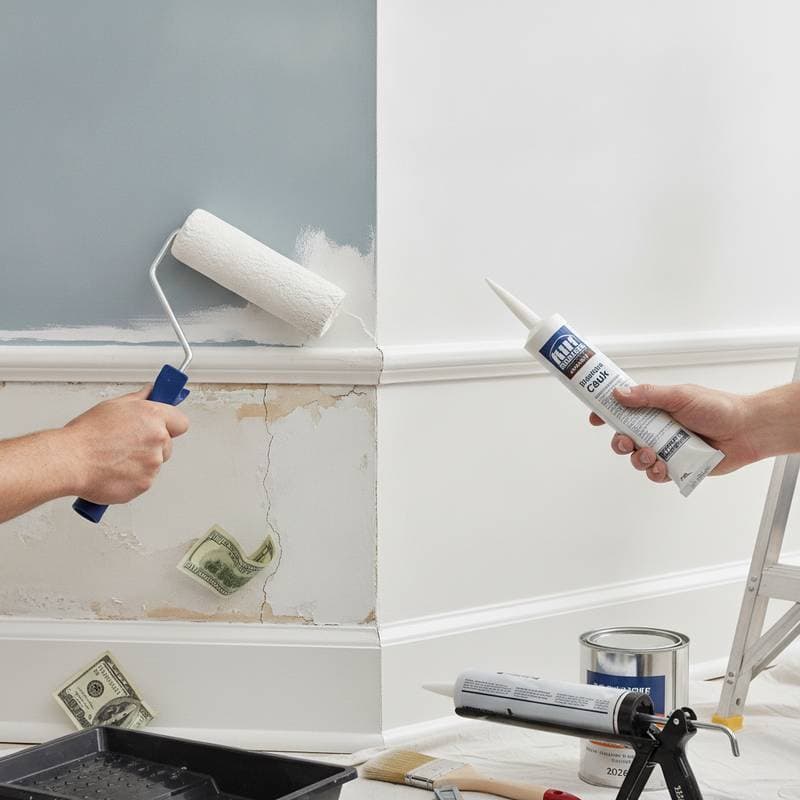
Drywall dust often escapes notice, yet it undermines paint adhesion and escalates repair expenses. Microscopic particles that settle on surfaces create an unstable base, hindering proper bonding. Consequently, issues such as peeling, bubbling, or rough textures emerge, necessitating complete repaints. Homeowners frequently realize the oversight only after investing time and materials, amplifying the financial burden.
Grasping the impact of drywall dust, associated repair costs, and prevention methods empowers better project management. This article delineates the reasons for these failures, professional approaches to avoidance, and essential preparation protocols for reliable outcomes.
Effects of Residual Drywall Dust on Paint
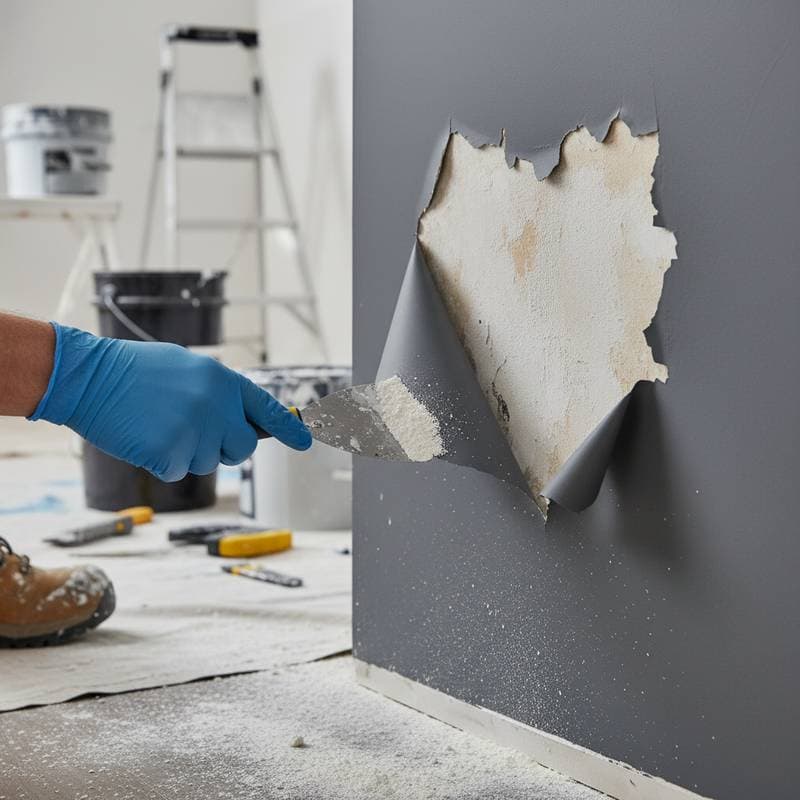
Drywall dust arises from sanding joint compound during wall completion. This fine powder adheres to walls, ceilings, trim, and fixtures. A mere layer disrupts paint adhesion, as the coating adheres to particles rather than the underlying surface. During drying, these vulnerabilities compromise the finish.
Typical defects encompass:
- Peeling, where paint detaches in layers.
- Bubbling or blistering from enclosed air and dust.
- Gritty or chalky textures visible under illumination.
- Inconsistent coloration due to uneven absorption.
Such flaws typically surface post-curing, demanding full remediation. Initial shortcuts thus translate to substantial material and labor losses.
Repair Cost Analysis
Typical Price Ranges
- Basic repaint: $400 to $600.
- Repaint with thorough cleaning: $600 to $800.
- Comprehensive repaint including re-preparation: $800 to $1,200.
Standard Inclusions
- Dust extraction and surface decontamination.
- Application of adhesion-promoting primer.
- Two layers of premium interior paint.
- Labor, supplies, and site restoration.
Additional Expenses
- Patching or re-sanding compromised sections.
- Ceiling recoating if contamination extends.
- Trim and baseboard refinishing.
- Protective measures for furnishings and dust barriers.
Influencing Variables
| Factor | Impact Level | Illustrations |
|---|---|---|
| Dust Coverage Extent | Moderate-High | Full-room dusting demands extended prep |
| Paint Quality | Moderate | Superior adhesion formulas raise costs but enhance longevity |
| Surface Dimensions | High | Expansive or textured areas increase material and effort |
| Professional Expertise | Moderate | Experienced teams command premiums for superior durability |
Repairs from dust-induced failures average $800, encompassing decontamination, sealing, and recoating. This figure excludes the intangible toll of wasted resources and delays.
Mechanisms of Dust-Induced Adhesion Breakdown
Optimal paint adhesion requires pristine, solid substrates. Dust disrupts this through several channels:
- Forms a barrier akin to a lubricant, impeding direct contact.
- Absorbs moisture from paint, fostering irregular curing and fragility.
- Integrates into the paint layer, diminishing resilience and evenness.
- Introduces chemical incompatibilities from compound additives absent proper sealing.
Each lingering particle heightens failure risk. Dry wiping proves insufficient; damp methods or filtered vacuuming become essential for residue elimination.
Essential Preparation Protocol
Professionals adhere to a methodical sequence to eradicate dust and stabilize surfaces. Omitting any phase jeopardizes the outcome.
Step 1: Area Isolation
Seal workspaces with plastic barriers and tape to curb dust dissemination. Regulate ventilation to confine particles.
Step 2: Initial Vacuuming
Employ brush-equipped vacuums on walls, ceilings, and trim to dislodge bulk dust without surface abrasion.
Step 3: Moist Wiping
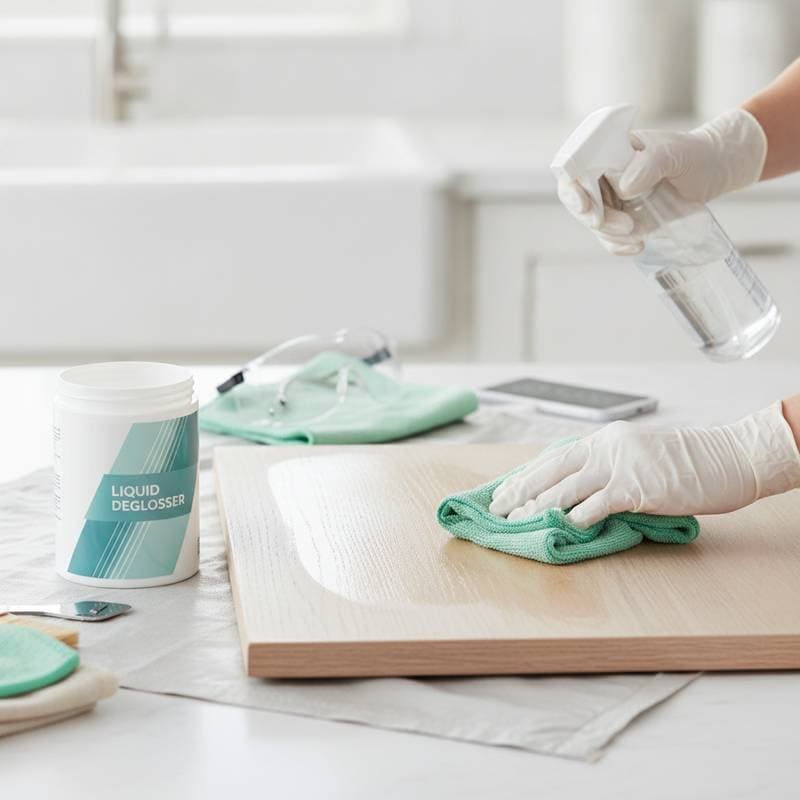
Apply damp microfiber cloths or sponges across all areas to capture ultrafine remnants overlooked by vacuums.
Step 4: Thorough Examination
Illuminate surfaces to detect streaks or residues. Re-clean any imperfections.
Step 5: Primer Application
Coat with drywall-specific primer to encapsulate the surface and bolster bonding.
Step 6: Final Coating
After primer sets, administer two uniform paint coats using texture-appropriate tools for seamless application.
These measures safeguard against rework and ensure enduring performance.
Comparing Professional and DIY Approaches
Choosing between expert services and self-managed prep hinges on skill level, tools, and scale.
Handling It Yourself
In modest spaces or spot fixes, vacuums and damp cloths suffice with diligent effort. Thoroughness remains paramount to avert latent defects. While cost-saving upfront, incomplete execution risks future interventions.
Engaging Experts
Professionals deploy HEPA vacuums, air filtration units, and dust dynamics knowledge. They also spot subtleties like compound variances or dampness that influence quality.
For extensive undertakings, professional involvement yields superior value through reliability and minimized callbacks, justifying the investment.
Beyond Financial Losses: Broader Implications
Dust-compromised paint extends repercussions past repainting fees. Delays prolong timelines, while discarded supplies represent pure waste. Household dust infiltration may incur cleaning outlays, and aesthetic flaws subtly erode home appeal.
Such setbacks erode confidence in service providers or self-efforts. Prioritizing surface integrity averts these ripple effects.
Contractor Strategies for Dust Mitigation
Seasoned painters integrate proactive tactics to preempt dust issues.
Phased Scheduling
Separate sanding from painting phases for complete interim cleanup. Distinct teams per stage minimize cross-contamination.
Specialized Tools
Utilize source-capturing sanders, HEPA vacuums, and purifiers to suppress airborne spread.
Validation Protocols
Conduct hand-rub and visual assessments pre-coating. Repeat decontamination until no residue transfers.
Client Engagement
Outline procedures and schedules to align expectations on duration and expenses.
Optimal Timing Post-Drywall Completion
Initiate painting solely after sanding concludes and decontamination finishes. Haste traps contaminants, yielding imperfections. Permit brief settling before ultimate wipe-downs for optimal clarity.
Test via flashlight sweep: Glimmering specks signal further attention. This deliberation preserves paint and effort investments.
Strategies to Sidestep the $800 Pitfall
Preparation focus averts redo expenses. Adopt these practices:
- Scrutinize under intense lighting prior to priming.
- Follow vacuums with moist cloths for residue capture.
- Select robust primers tailored for drywall sealing.
- Isolate areas to halt dust travel.
- Consult certified experts beyond personal limits.
This awareness curbs expenditures for individuals and upholds standards for tradespeople.
Project Coordination Essentials
Seamless renovations stem from aligned prep, scheduling, and dialogue. Prior to committing:
- Inquire about decontamination techniques in bids.
- Secure itemized estimates covering dust management and sealing.
- Define post-sanding cleanup responsibilities.
- Verify dust absence pre-painting.
- Establish timelines accounting for curing periods.
Such diligence produces expert-grade, durable results.
Frequently Asked Questions
Why Does Drywall Dust Lead to Peeling or Bubbling Paint?
Dust obstructs direct wall bonding, causing paint to adhere to particles. Enclosed air and moisture then generate bubbles or delamination, progressing to flaking as the coating hardens.
What Is the Cost to Remedy Dust-Ruined Paint?
Fixes range from $600 to $1,000 for standard remediation, including decontamination, priming, and recoating. Extensive re-prep or patching can push totals beyond $1,200.
What Indicates Inadequate Dust Removal Before Painting?
Observe matte spots, irregular gloss, or protrusions shortly after curing. Chalky tactile feedback upon rubbing confirms poor cleaning. Intervene promptly to forestall peeling.