Skim Coat vs Level 5: Buyers' $800 Perfection Secret
When homeowners dream of perfectly smooth walls, they often hear two terms that sound similar but mean very different things: skim coat and Level 5 finish. Both create sleek, paint-ready surfaces, but the cost, labor, and results vary widely. Understanding these differences helps homeowners make smart choices and avoid paying for more than they need.
A flawless finish can transform how light reflects across a wall, how paint appears, and how refined a room feels. Yet, not every project requires the same level of perfection. Some homeowners want a clean, consistent surface for a standard repaint. Others expect gallery-quality smoothness that hides even the smallest imperfections. The right decision depends on budget, lighting, and the purpose of the space.
What the Project Involves
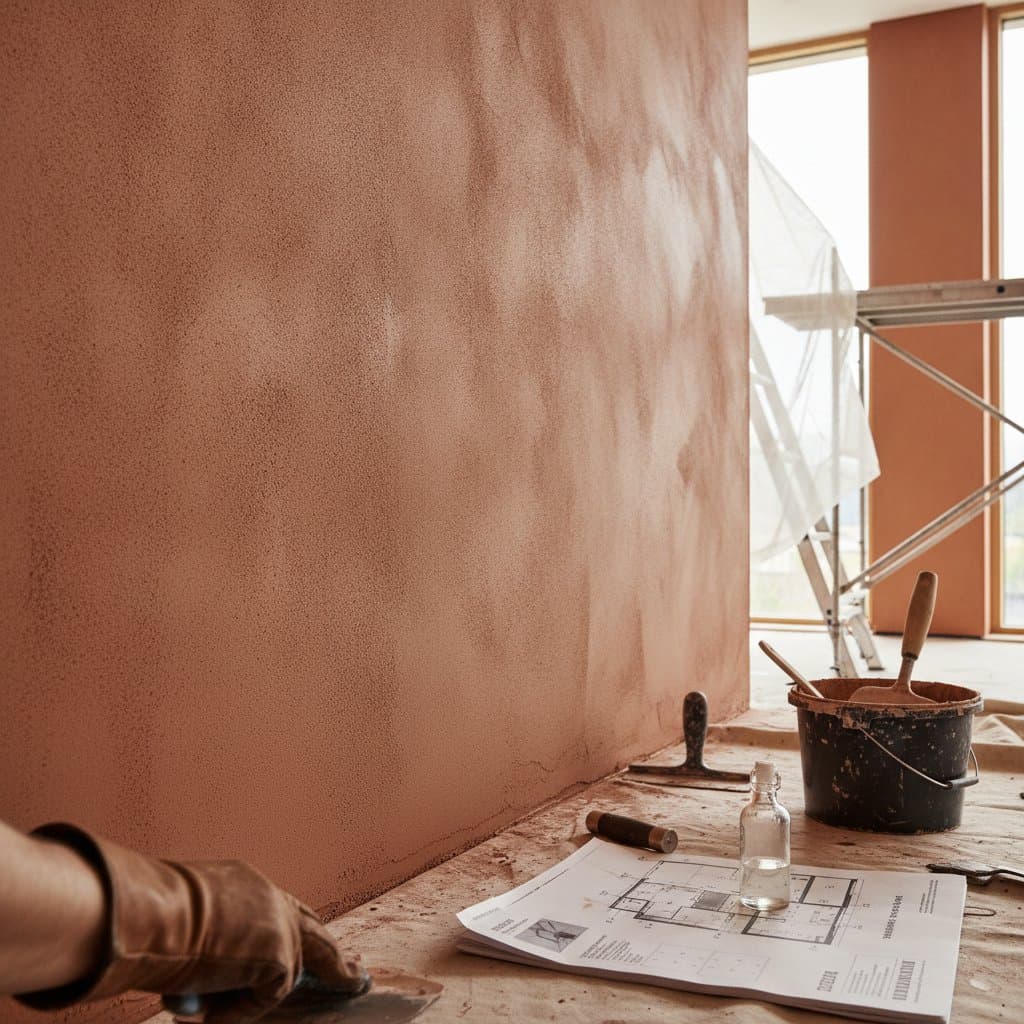
Skim coating is a process where a thin layer of joint compound is applied over existing drywall or plaster to smooth out minor irregularities. It can refresh old walls, cover repairs, or prepare surfaces for new paint. This is often used in remodels or when repainting textured walls.
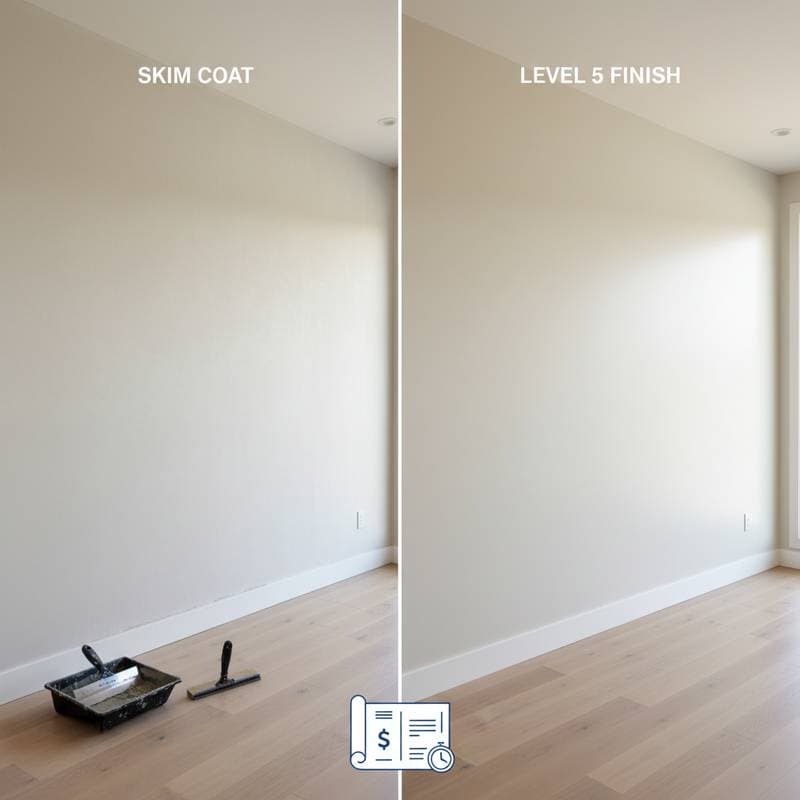
A Level 5 finish is the top-rated drywall finishing standard. It involves all the same steps as a Level 4 finish—taping, mudding, and sanding—but adds a full, uniform skim coat over the entire surface. This creates an ultra-smooth appearance ideal for high-end paint finishes or spaces with critical lighting that exposes every flaw.
Both methods require skill, patience, and precision. The difference lies in the detail level and the visual expectations of the final result.
Project Cost Breakdown
Average Cost Ranges
- Basic skim coat: $1.00 - $1.50 per square foot
- Standard skim coat with minor repairs: $1.50 - $2.50 per square foot
- Level 5 finish: $2.00 - $3.50 per square foot
For an average room of 400 square feet of wall surface, a skim coat might range from $400 to $1,000, while a Level 5 finish could reach $800 to $1,400. That difference often surprises homeowners, yet it reflects the extra labor, skill, and materials required.
What's Included
- Surface preparation: Cleaning, patching holes, and sanding
- Joint compound application: One or more thin layers for smoothing
- Sanding and inspection: Ensuring even texture and consistent finish
- Primer coat: Sealing the surface for paint readiness
- Cleanup: Dust removal and site protection
What Costs Extra
- Extensive wall damage or previous heavy texture removal
- Multi-room projects requiring containment or dust control
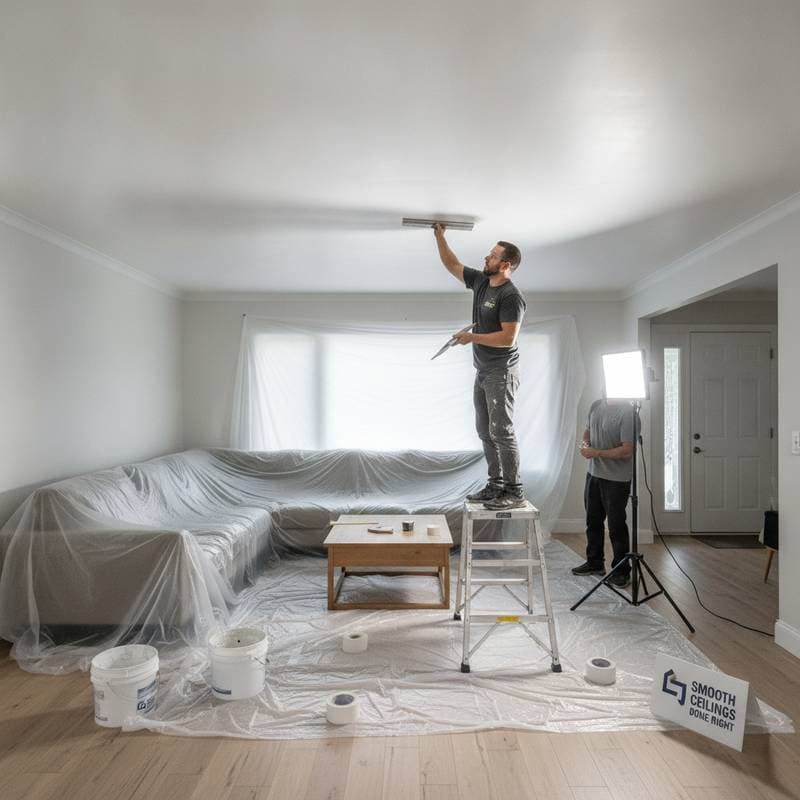
- Ceiling application, which increases labor effort
- Premium finishing compounds designed for ultra-smooth results
Factors That Affect Final Cost
| Factor | Cost Impact | Examples |
|---|---|---|
| Wall condition | Moderate | Cracks, dents, or patchwork require extra prep time |
| Surface area | High | Larger rooms or ceilings increase total labor hours |
| Lighting conditions | Moderate | Walls facing natural light often need Level 5 perfection |
| Paint type | Low | Gloss or semi-gloss paints highlight imperfections |
| Labor market rates | Moderate | Skilled finishers charge higher rates in high-demand areas |
What Drives the Cost Difference
A Level 5 finish demands more than just extra time. It requires a trained eye and steady hand to ensure every inch of wall feels consistent under light. Professional finishers often apply multiple coats, using wide trowels and precise sanding techniques. The added expense comes from this meticulous process, not from materials alone.
By comparison, a skim coat is more forgiving. It improves the surface without aiming for absolute perfection, making it ideal for rentals, offices, or rooms without strong natural light. Homeowners choosing between the two should consider how visible their walls will be once painted and furnished.
Timeline Expectations
- Preparation and protection: 1 day for furniture removal, covering floors, and cleaning surfaces
- Application of skim coat or Level 5 process: 1 to 3 days, depending on size and drying times
- Sanding and cleanup: 1 day
- Priming and inspection: 1 day
Smaller rooms may finish faster, while complex layouts or ceilings can extend timelines. Moisture, temperature, and ventilation also affect drying speed. Rushing the process often leads to visible streaks, bubbles, or uneven patches.
Professional vs DIY Guidance
When DIY Makes Sense
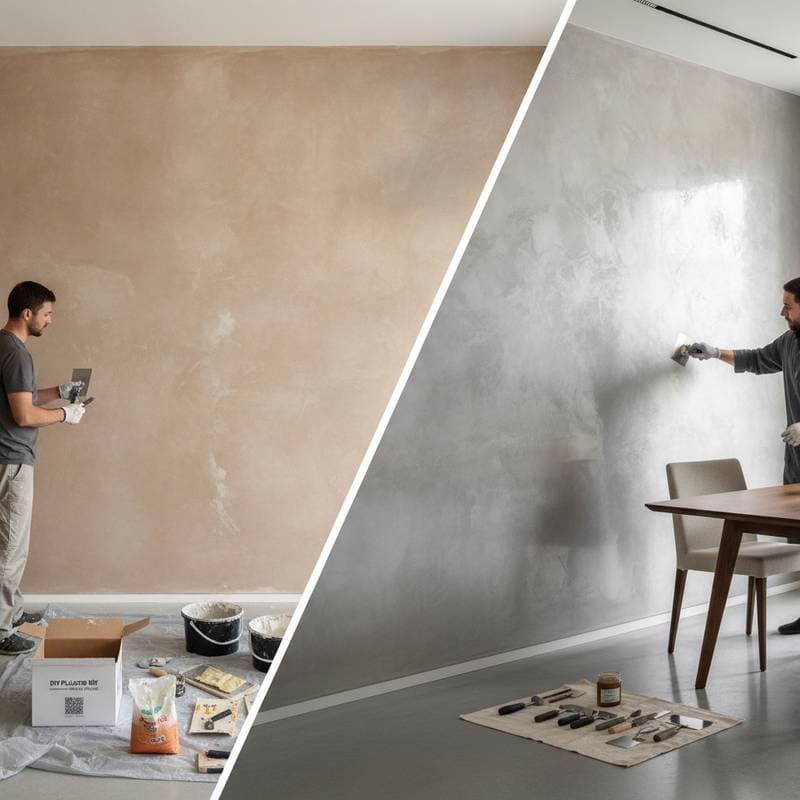
A basic skim coat can be a rewarding project for a homeowner with patience and some drywall experience. Small rooms or isolated wall sections are manageable with the right tools: a wide drywall knife, joint compound, sanding blocks, and primer. Expect a learning curve and plenty of cleanup.
When to Hire a Professional
Level 5 finishes should always be handled by experienced drywall contractors or finishers. This level of precision demands professional tools, steady pressure control, and advanced sanding techniques. Mistakes at this stage can become permanent once paint is applied, often costing more to fix later.
Safety and Quality Considerations
Drywall finishing creates fine dust that requires protective masks and ventilation. Professionals use vacuum sanders or dust extraction systems to maintain air quality. They also ensure joint compound layers cure properly before sealing, preventing cracking or peeling after painting.
Choosing the Right Contractor
Hiring the right professional can save both frustration and money. Look for contractors who specialize in drywall finishing, not general handymen. Ask for references, view past work, and confirm credentials.
Key Steps for Selection
- Research: Identify local drywall or painting companies with consistent reviews.
- Verify qualifications: Confirm insurance, licensing, and experience with Level 5 finishes.
- Compare quotes: Request written estimates detailing labor, material, and preparation costs.
- Inspect samples: Ask to see finished panels or photos of completed projects.
- Review contract terms: Ensure it specifies payment schedules, cleanup responsibilities, and warranty details.
Professional drywall finishers often price by square footage and adjust for complexity. Transparent communication helps prevent disagreements later.
Preparing for the Process
Planning Your Project
Frequently Asked Questions
1. Why does a Level 5 finish cost more than a skim coat?
A Level 5 finish involves every step of a standard drywall process plus a full skim coat over the entire surface. This adds extra labor hours, precise sanding, and specialized tools. The result is an ultra-smooth wall that hides seams and imperfections under any lighting.
2. How long does a skim coat or Level 5 project take?
Most single-room projects take three to five days including drying and cleanup. Larger homes or ceiling applications may take longer. Proper drying time between coats is essential to prevent cracking or uneven texture.
3. Can I apply a skim coat myself?
Yes, a homeowner with time and patience can apply a skim coat on small areas. It requires joint compound, wide drywall knives, and fine sanding. For whole rooms or ceilings, professional help ensures consistent texture and fewer visible lines.
4. How do I know if I need a Level 5 finish?
Rooms with strong natural or directional lighting benefit most from Level 5 finishes. Gloss or semi-gloss paints also highlight imperfections. If your walls show visible seams or patches after priming, a Level 5 finish may be the best solution.
5. What should I ask before hiring a contractor?
Ask about experience with Level 5 finishes, surface preparation methods, and dust control. Confirm insurance coverage, project timeline, and warranty terms. Request a written estimate outlining labor, materials, and cleanup responsibilities.
6. What are common problems after finishing, and how can they be avoided?
Typical issues include visible lines, uneven texture, or cracking. These often result from rushed drying or poor sanding. Choosing a qualified professional, allowing full curing time, and inspecting surfaces before painting prevent most of these problems.