Why Level 5 Drywall Costs $8 per Square Foot and Delivers Lasting Value
Level 5 drywall represents the pinnacle of wall finishing techniques. This method involves multiple layers of joint compound applied with precision, followed by thorough sanding to achieve a near-flawless surface. Homeowners often encounter this option during renovations, where the promise of seamless walls meets the reality of added expense.
The investment in Level 5 finishing stems from its superior quality. Builders and contractors recognize it as essential for high-end projects. Understanding its process and benefits helps determine if this choice aligns with specific needs.
Understanding Level 5 Drywall Finishing
Drywall finishing levels range from 0 to 5, each defined by the Gypsum Association standards. Level 0 involves bare drywall with no treatment, suitable only for temporary structures. Level 5, however, demands the highest standards, including three full coats of compound over joints, angles, and fasteners, plus a skim coat over the entire surface.
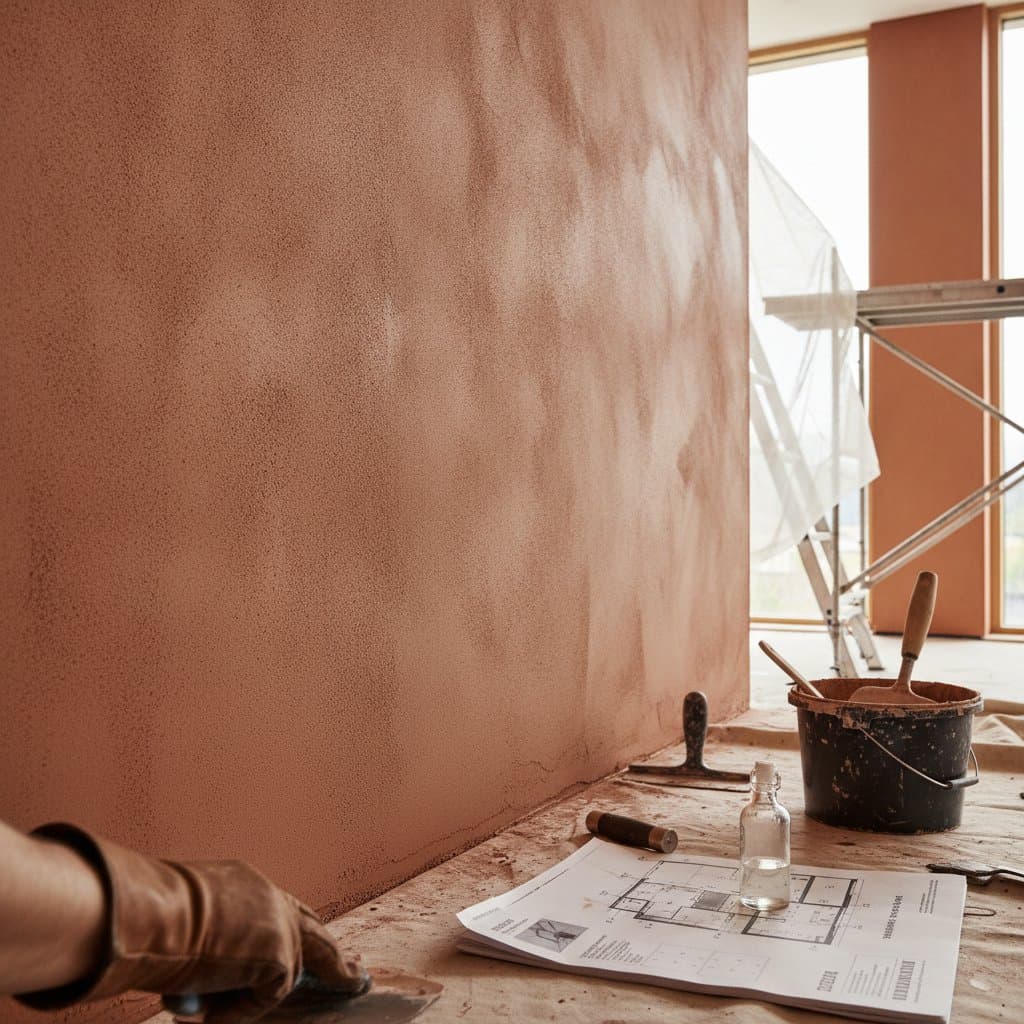
This multi-step application requires skilled labor. Each coat must dry completely before the next sanding and application occur. The result is a wall that reflects light evenly, eliminating shadows or imperfections under scrutiny.
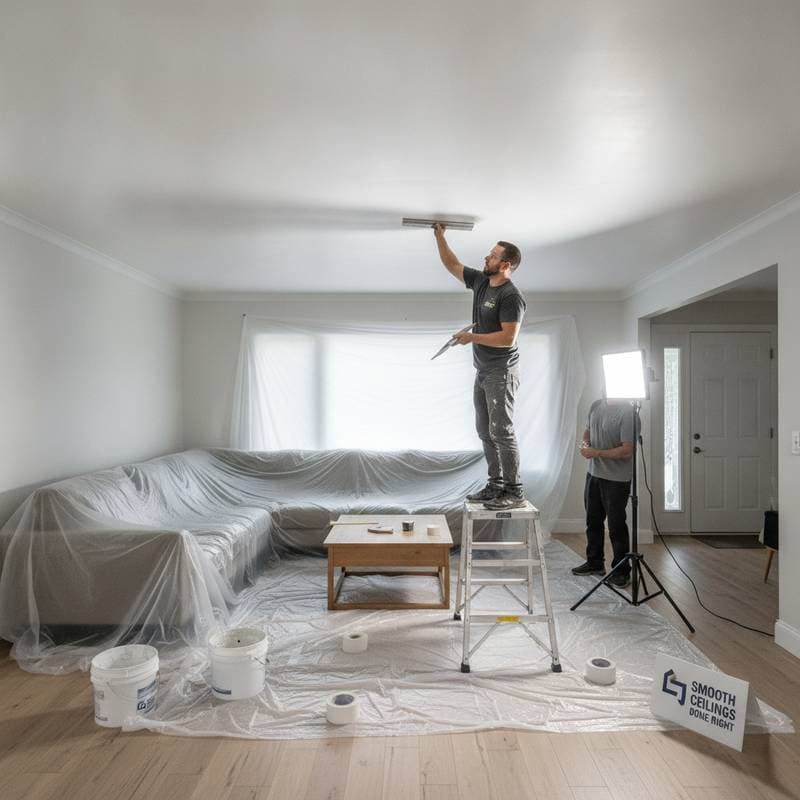
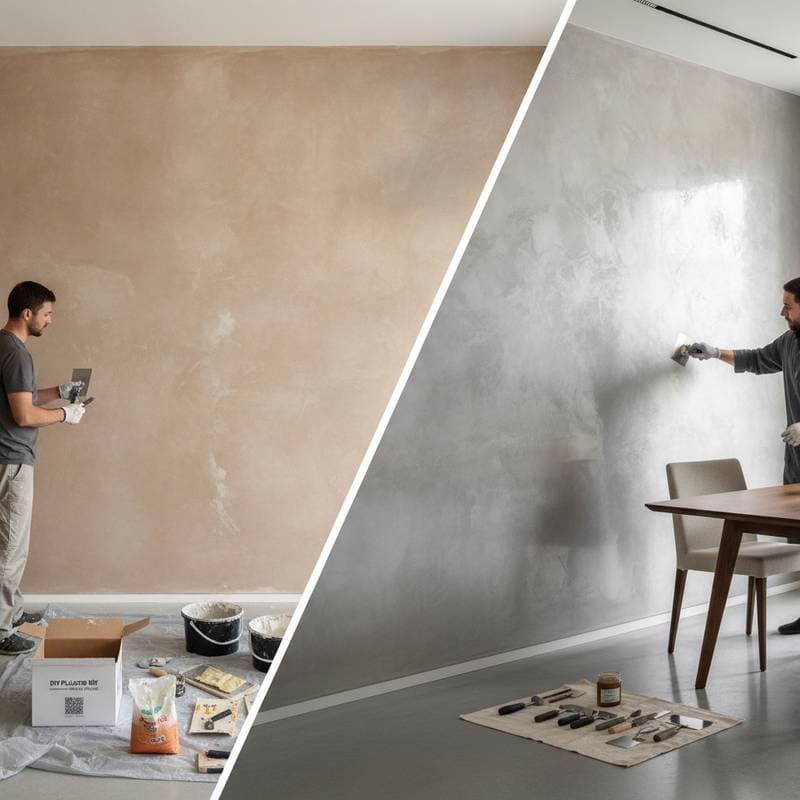
Professionals use specialized tools like wide trowels and high-grit sanders to ensure uniformity. The process typically adds several days to a project's timeline compared to lower levels. Such attention to detail justifies its position as the premium choice.
Factors Driving the $8 per Square Foot Cost
The price of $8 per square foot for Level 5 drywall arises from labor intensity. Installers apply joint tape and compound in layers, embedding fasteners securely. Sanding between coats removes excess material, creating a smooth base.
Material costs contribute modestly, with premium compounds and tapes adding pennies per square foot. However, skilled tradespeople command higher rates due to the expertise required. In urban areas, this labor premium can push totals higher, reflecting local wage standards.
Additional factors include project scale and access challenges. Larger surfaces demand consistent quality control, while tight spaces complicate tool use. Contractors often factor in these elements when quoting, ensuring transparency from the outset.
Key Benefits of Investing in Level 5 Drywall
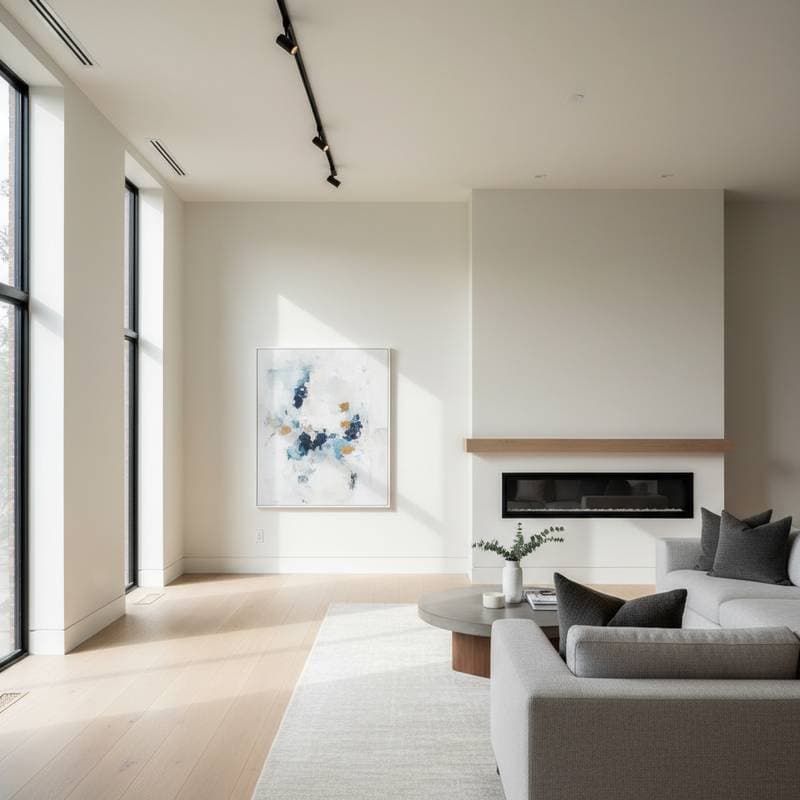
One primary advantage lies in the flawless appearance. Walls finished to Level 5 accept flat and low-sheen paints without telegraphing imperfections. This quality proves vital in spaces with bright lighting or large windows.
Durability stands out as another strength. The thick compound layers resist cracking over time, even in humid environments. Homeowners enjoy walls that maintain their look through seasons of wear.
This finish excels in modern interiors designed for photography or video. Studios and social media-savvy spaces benefit from surfaces that appear camera-ready. The even texture minimizes post-production edits, saving time and effort.
Comparing Level 5 to Lower Finishing Levels
Level 4 finishing, common in standard residential projects, uses two coats and basic sanding. It suffices for most painted walls but may show joint lines under direct light. At roughly $4 to $6 per square foot, it offers a cost-effective alternative for budget-conscious builds.
Level 3 applies to textured walls or heavy paint sheens, where imperfections hide easily. This level costs around $3 per square foot but limits future design flexibility. Transitioning to smoother finishes later proves challenging and expensive.
Level 5 provides unmatched versatility. It supports diverse paint types and wall coverings without compromise. For long-term value, this level outperforms others in resale appeal and maintenance ease.
When Level 5 Drywall Makes Sense for Your Project
Consider Level 5 for open-concept living areas where light floods the space. Kitchens and home offices, with their task lighting, reveal flaws in lesser finishes. Here, the smooth surface enhances functionality and aesthetics.
Luxury renovations or new constructions targeting high-end markets favor this option. Buyers expect perfection in custom homes, and Level 5 delivers that standard. It aligns with trends toward minimalist designs that highlight clean lines.
Budget constraints may steer toward lower levels in secondary rooms like basements. Yet, even there, upgrading select walls can elevate overall perceived quality. Weigh visibility and usage to prioritize spending effectively.
Practical Steps to Incorporate Level 5 Drywall
Start by consulting a certified contractor experienced in premium finishes. Request samples of past work to gauge quality. Discuss project specifics, including room sizes and lighting conditions, to tailor the approach.
Obtain multiple quotes to compare value, not just price. Look for inclusions like primer application, which enhances the finish. Ensure the contract specifies Level 5 standards to avoid disputes.
Plan for timeline extensions, allocating extra days for drying and sanding. Coordinate with other trades, such as painters, to maintain momentum. This sequencing prevents delays and ensures optimal results.
Budgeting Strategies for Level 5 Installation
Break costs into components: base installation, finishing, and materials. Allocate 60 percent to labor, recognizing its dominant role. Seek volume discounts for whole-home projects to reduce per-square-foot rates.
Explore financing options through home improvement loans if needed. These spread payments, making premium choices accessible. Track expenses with detailed invoices for tax deductions on qualifying renovations.
Phased approaches work well for ongoing updates. Finish high-traffic areas first, then expand as funds allow. This method builds equity incrementally without overwhelming the budget.
Long-Term Value and Maintenance Insights
Level 5 drywall holds up against daily life, requiring minimal touch-ups. Clean walls with mild solutions to preserve the finish. Avoid abrasive tools that could scratch the surface.
Resale benefits emerge in competitive markets. Appraisers note superior craftsmanship, potentially increasing home value by thousands. Buyers appreciate the ready-to-enjoy quality, reducing their renovation needs.
Sustainability factors in too, as durable walls mean less frequent repainting. This choice supports eco-friendly practices by extending material lifespan. Overall, the initial outlay yields returns in satisfaction and efficiency.