Why DIY Chalk Paint Ends Up Costing Three Times More Than Expected
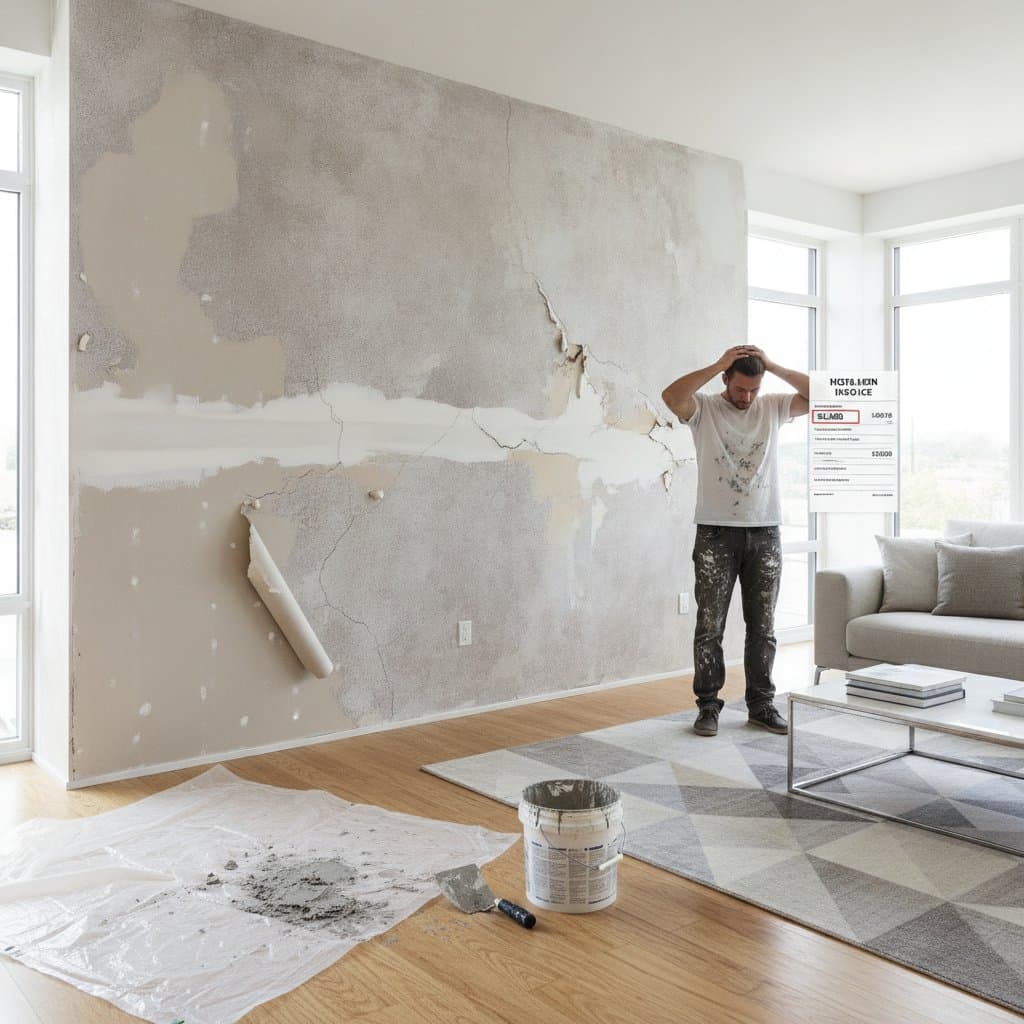
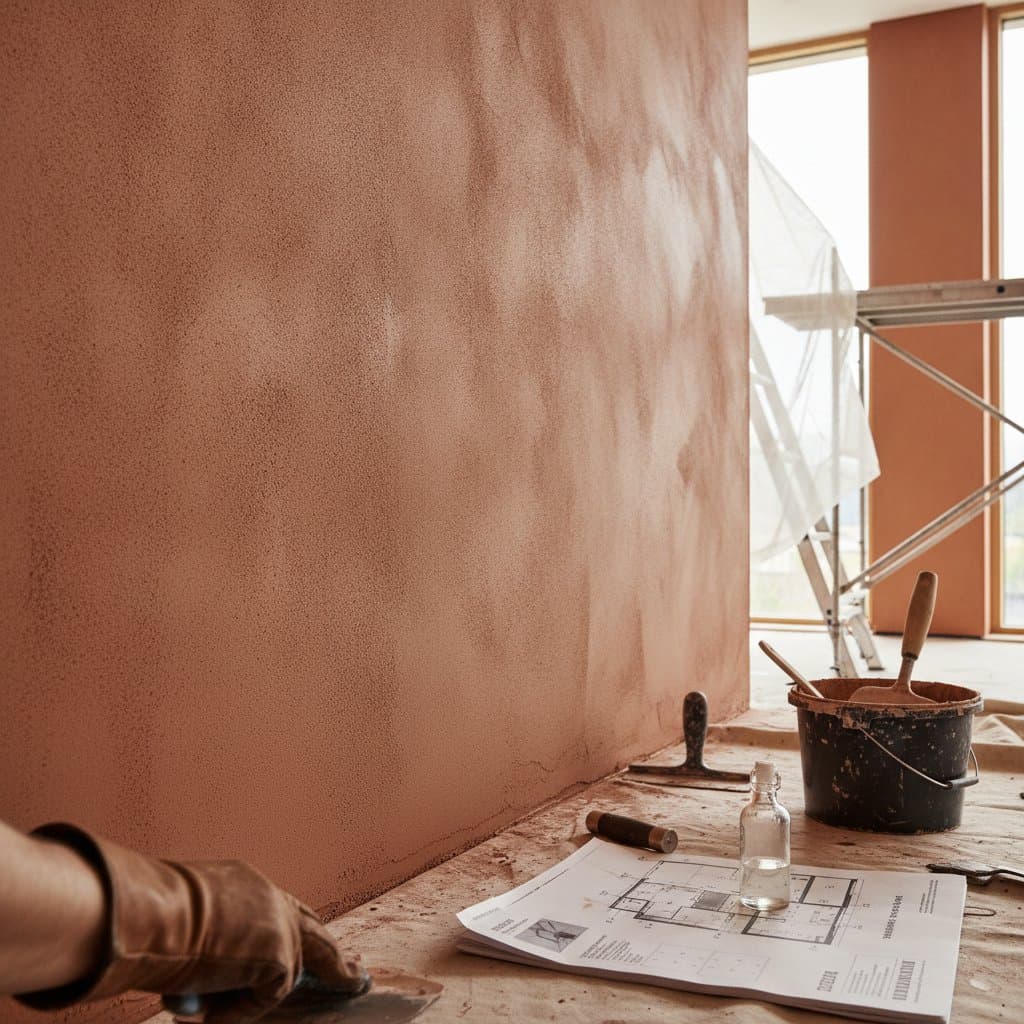
Chalk paint transforms ordinary furniture and walls into elegant, matte-finished pieces with limited initial preparation. Homeowners often believe that creating a homemade version will reduce expenses significantly. However, when accounting for materials, time commitments, waste, and the quality of the final result, the total expenditure typically reaches three times the initial projection. This analysis reveals the key expense drivers, enabling informed choices between self-directed efforts and engaging skilled professionals for reliable, efficient transformations.
Project Cost Breakdown
Average Cost Ranges
- DIY chalk paint project: $90 to $150 per gallon equivalent
- Professional chalk paint service: $70 to $120 per gallon equivalent, encompassing labor
- Premium studio finish: $130 to $200 per gallon equivalent
What's Included
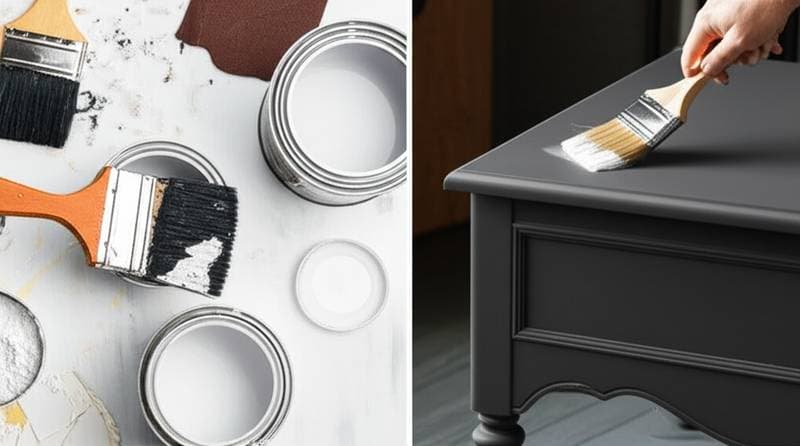
- DIY materials: Latex base paint, calcium carbonate or plaster of Paris, measuring tools, mixing containers, and wax or sealant
- Professional service: Surface preparation, premium chalk paint, application, distressing or decorative elements, and topcoat protection
- Cleanup and completion: Sanding dust management, brush cleaning, and protective sealing
What Costs Extra
- Surface repair: $50 to $200, based on the extent of cracks or dents
- Multiple color layers: $25 to $75 for enhanced depth or texture
- Protective wax or poly topcoat: $20 to $60 per quart
Factors That Affect Final Cost
| Factor | Cost Impact | Examples |
|---|---|---|
| Material quality | +$20 to +$60 | Higher-grade chalk powder or boutique paint lines |
| Mixing accuracy | +$10 to +$40 | Excess water or powder leads to waste and additional preparation time |
| Surface preparation | +$30 to +$150 | Furniture sanding, cleaning, and priming |
| Application tools | +$25 to +$75 | Specialty brushes and wax applicators |
| Time investment | Equivalent to +3x labor cost | DIY efforts frequently extend beyond anticipated durations |
Why DIY Chalk Paint Gets Expensive
1. Hidden Supply Costs
Tutorials commonly recommend combining latex paint with chalk powder, though ratios differ across sources. Achieving uniform results demands exact measurements and superior powders. A minor error produces lumpy or patchy paint, necessitating the discard of a full batch. Procurement of replacement supplies, along with brushes, containers, and sealants, elevates costs to levels comparable with commercial products.
2. Inconsistent Coverage
Artisanal chalk paint often achieves opacity in one or two coats due to integrated stabilizers. Homemade variants require three or more layers for comparable results. Each additional application demands drying intervals, increased effort, and surplus paint consumption. Valuing time alongside material losses eliminates any perceived financial advantages.
3. Surface Preparation and Repairs
While chalk paint bonds effectively to many substrates, glossy or varnished surfaces demand prior sanding or priming. Neglecting these measures results in peeling or irregular adhesion. Expenses for repair materials, sandpaper, and primers accumulate rapidly. Professionals incorporate thorough preparation using appropriate products to ensure enduring bonds.
4. Finishing Products
Protection through wax or topcoat remains essential to prevent scuffing and staining. Application involves both materials and skilled technique for optimal results. Underestimating wax quantities leads to purchasing extras for completing even modest projects like a dresser. Professionals select and apply finishes that enhance longevity without excess outlay.
5. Rework and Quality Control
Imperfections such as uneven pigmentation, streaks, or residue often necessitate revisions in DIY attempts. Correcting these issues consumes additional paint, tools, and hours. Experienced painters execute projects accurately on the initial try, circumventing such unforeseen expenditures.
Timeline Expectations
DIY chalk paint endeavors span extended periods due to sequential drying and curing phases. A modest item, such as a chair, requires two to four days, incorporating mixing, application, and sealing. Larger undertakings, like cabinetry sets, extend to one or two weeks, factoring in preparation and potential corrections. Professionals streamline these processes with specialized tools and expertise, often concluding equivalent tasks in two to five days. This efficiency minimizes disruption and preserves productivity.
Professional vs. DIY Guidance
When DIY Makes Sense
- Small decorative objects or accent furnishings
- Initiatives where subtle flaws contribute to aesthetic appeal
- Situations involving existing painting equipment
When to Hire a Professional
- Extensive cabinetry, built-in features, or substantial furniture collections
- High-use areas including dining surfaces or flooring
- Assignments requiring exact color coordination or multifaceted finishes
Choosing the Right Professional
Research and Verification
Verify the painter holds a valid license and maintains insurance coverage. Examine images of completed chalk paint or specialty finish assignments. Inquire regarding preferred product brands and anticipated finish durability.
Comparing Quotes
Solicit comprehensive estimates detailing surface preparation, paint varieties, and sealing procedures. Inadequate bids may omit critical elements like priming or waxing, compromising endurance. A forthright proposal delineates material expenses, labor charges, and cleanup provisions.
Communication and Expectations
Articulate preferences for finishes, ranging from matte to distressed or aged effects. Request sample panels to validate color and texture prior to commencing the work. Precise dialogue prevents discrepancies and promotes uniform outcomes.
Planning Your Project
Assess the scope by measuring surfaces and selecting colors through physical swatches. Compile a budget that incorporates materials, tools, and potential contingencies like repairs. Schedule drying times in advance to align with household routines. For professional involvement, initiate consultations early to secure availability and refine specifications. Document progress with photographs to track improvements and inform future efforts.
Frequently Asked Questions
1. Why does DIY chalk paint cost more than expected?
Homemade formulations necessitate diverse ingredients, implements, and protective agents that accumulate swiftly. Adjustments for irregular consistency or inadequate coverage amplify material demands and duration. Aggregating supplies, discarded paint, and effort yields expenditures two to three times above projections.
2. How long does a chalk paint project usually take?
A compact piece occupies three to five days, accounting for drying and sealing intervals. Substantial furniture or cabinet initiatives span multiple weeks in manual execution. Professionals accomplish parallel scopes in mere days through efficient methodologies and apparatus.
3. Is professional chalk painting worth the price?
Affirmative, particularly for expansive or intricate substrates. Specialists provide uniform application and resilient completions with select materials. They manage preparation, sealing, and remediation adeptly, curtailing subsequent upkeep expenses.
4. Can I use regular paint instead of chalk paint?
Standard latex paint functions but forfeits the signature matte quality and bonding prowess of chalk paint. Incorporating additives yields variable outcomes. Opting for commercial chalk paint or expert application guarantees superior adherence and refined surfaces.
5. What should I ask before hiring a chalk paint contractor?
Probe expertise in specialty finishes, utilized product lines, warranty provisions, and preparatory techniques. Demand itemized estimates encompassing sealing and remediation. Confirm insurance and references to affirm dependability.
6. How can I maintain chalk-painted furniture?
Employ a moist cloth for gentle cleansing, eschewing abrasive agents. Renew wax or sealant biennially to sustain the coating. Shield from moisture and intense solar exposure to uphold coloration and patina.