Why Clay Paint Will Dominate Wall Finishes in 2026
Clay paint captures attention in contemporary interior design. Its soft, earthy tones and matte surface position it as the leading wall finish trend. This material imparts rich, natural hues with a velvety depth that surpasses standard flat paints in texture and air quality benefits. Professionals apply it in serene bedrooms, inviting cafes, and modern studios to achieve a balanced, enduring aesthetic.
Key Attributes of Clay Paint
Clay paint draws from traditional formulations, yet its current popularity stems from innovative applications. Manufacturers derive it from natural clays, minerals, and pigments, eliminating volatile organic compounds that affect indoor air. This composition appeals to health-focused homeowners and designers who prioritize aesthetics alongside environmental health.
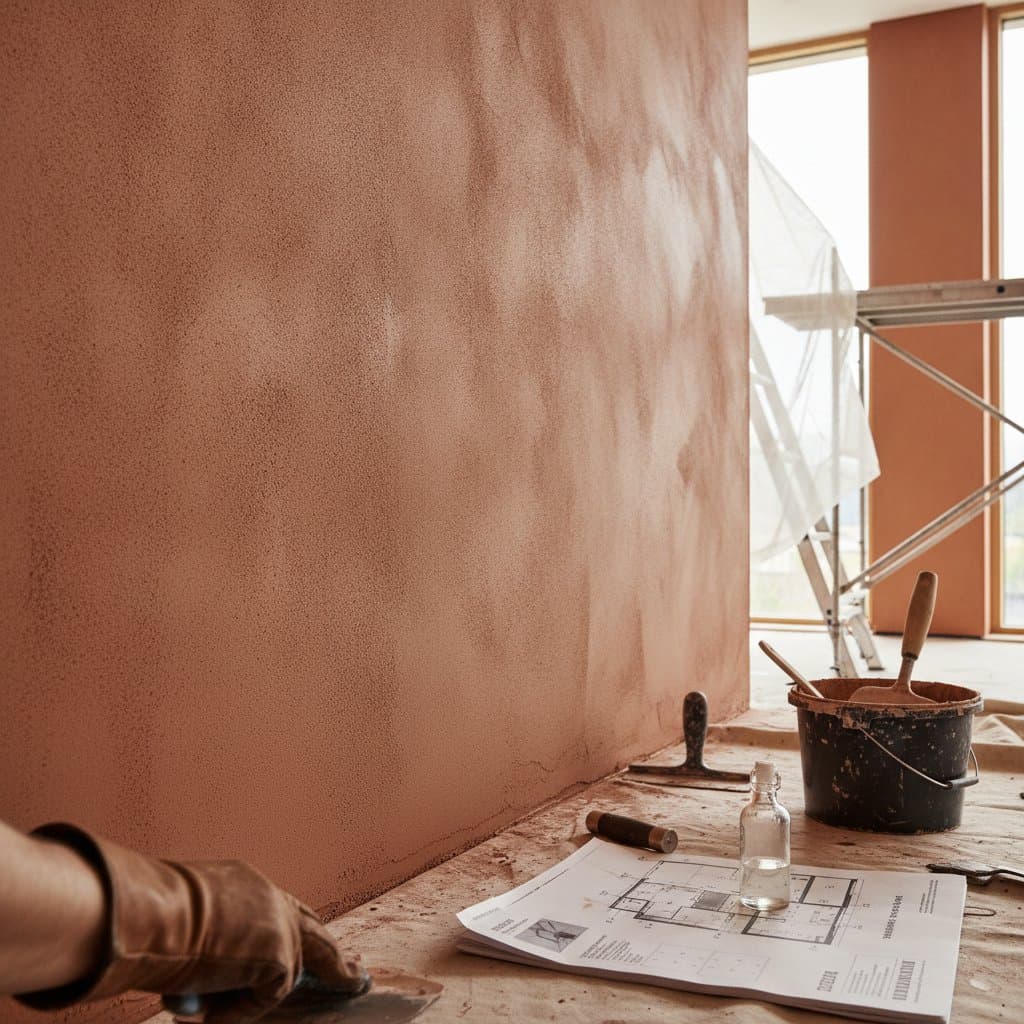
The matte finish avoids gloss while introducing subtle visual dynamics that respond to changing light. In professional settings, such as film sets, it mimics handcrafted plaster walls efficiently, requiring minimal preparation and delivering consistent photographic results.
Advantages of Its Natural Texture
Clay paint introduces a layered depth uncommon in synthetic alternatives. Visible brushstrokes create organic variations that animate wall surfaces. Comparable to a natural fabric in a living space, it allows moisture exchange, absorbs excess humidity, and maintains stable indoor conditions, reducing issues like condensation.
Individuals seeking texture can apply layered colors for a gradual tonal effect or use a single coat for a rustic appearance. Both techniques yield impressive outcomes. For added dimension, combine a warm neutral base with a subtle clay gray accent in one room, ensuring harmony without excessive contrast.
Accessible Options Across Budgets
Effective design accommodates various financial levels, and clay paint aligns with this principle. Consider these strategies to integrate it affordably:
- Entry-Level Approach: Prepare a custom mixture using powdered clay pigments, water, and a natural binder such as wheat paste. This method suits do-it-yourself projects; apply test samples to verify color consistency.
- Moderate Investment: Select pre-mixed products from environmentally focused brands. These options ensure reliable pigmentation and simple application at a balanced cost.
- Premium Selection: Opt for artisan-formulated or custom-tinted varieties. Such choices feature enhanced texture and pigment intensity, ideal for prominent walls or visible areas.
Regardless of approach, clay paint demonstrates longevity and a subtle sheen that conceals surface flaws effectively.
Techniques for Flawless Application
Clay paint requires distinct handling compared to conventional latex products. Stir thoroughly before and periodically during use to redistribute settling pigments. Use a broad brush or roller with irregular strokes to capture the material's inherent character; refrain from excessive reworking as it dries to preserve texture integrity.
Prepare glossy or sealed surfaces by light sanding or priming to promote adhesion. For intense shades, apply two thin layers rather than a single thick one. This method sustains breathability and achieves uniform coverage.
Appeal to Designers and Homeowners
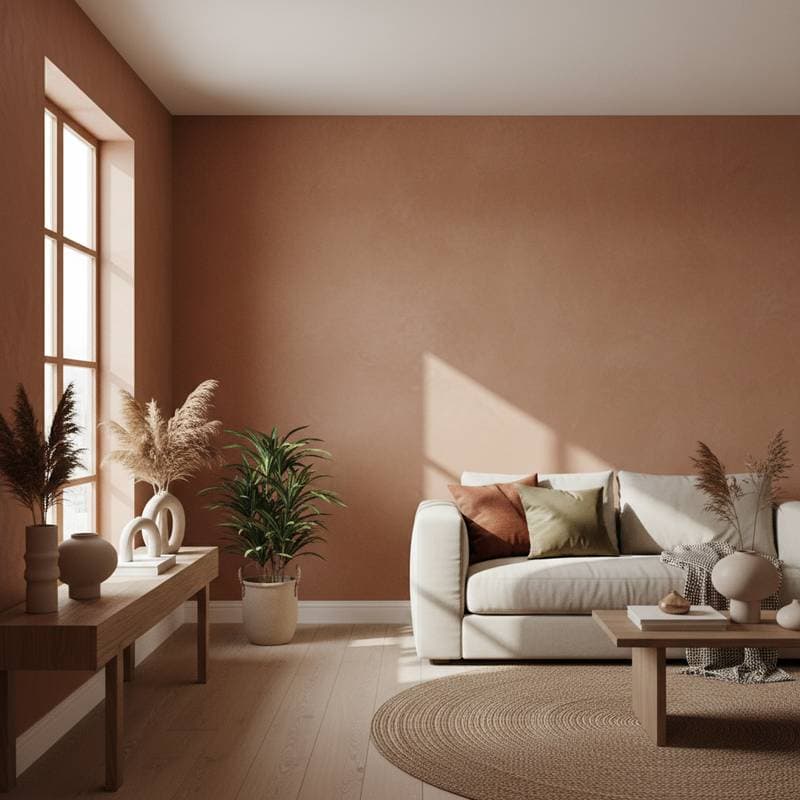
Designers value clay paint for its performance in natural lighting. It diffuses shadows gently, complements skin tones, and conveys warmth in both live and recorded environments. Clients frequently report that treated rooms foster a sense of tranquility and authenticity.
The palette relies on grounded, non-artificial colors that enhance genuine appeal. For business owners and specialists, it supports sustainability objectives, introduces craftsmanship, and integrates seamlessly with elements like oak wood, linen fabrics, and stone surfaces. This versatility strengthens professional portfolios with an emphasis on ecological responsibility.
Sustaining the Finish Over Time
Clay paint matures elegantly with use. Minor imperfections integrate naturally rather than drawing attention, and repairs blend without disruption. Gradually, it acquires a soft patina that reflects everyday experiences, enhancing its narrative quality.
Reapplication proves straightforward and generates minimal waste if a renewal becomes necessary. Whether updating an accent wall or developing a comprehensive home scheme, clay paint delivers a contemporary, organic finish that resonates personally. Sustainable choices like this affirm that beauty and functionality coexist accessibly for all interiors.