Charcoal and Plum: Leading the Way in 2026 Accent Walls
Certain color combinations capture attention immediately. Charcoal and plum achieve this effect seamlessly. They deliver boldness without excess, moodiness with comfort, and sophistication that remains practical. This duo gains prominence in accent walls across diverse settings. The blend of deep gray and vibrant purple introduces immediate depth and warmth, creating an elevated yet welcoming atmosphere.
The Strength of Charcoal as a Neutral
Charcoal serves as a robust neutral foundation. It anchors a room similarly to black, yet offers greater softness and visual interest. In various lighting conditions, it appears as dynamic shadow and texture rather than uniform darkness. Professionals apply it in spaces requiring a bespoke appearance without elaborate custom elements. Charcoal paint expands perceived room size by receding visually, thereby emphasizing brighter furniture and artwork.
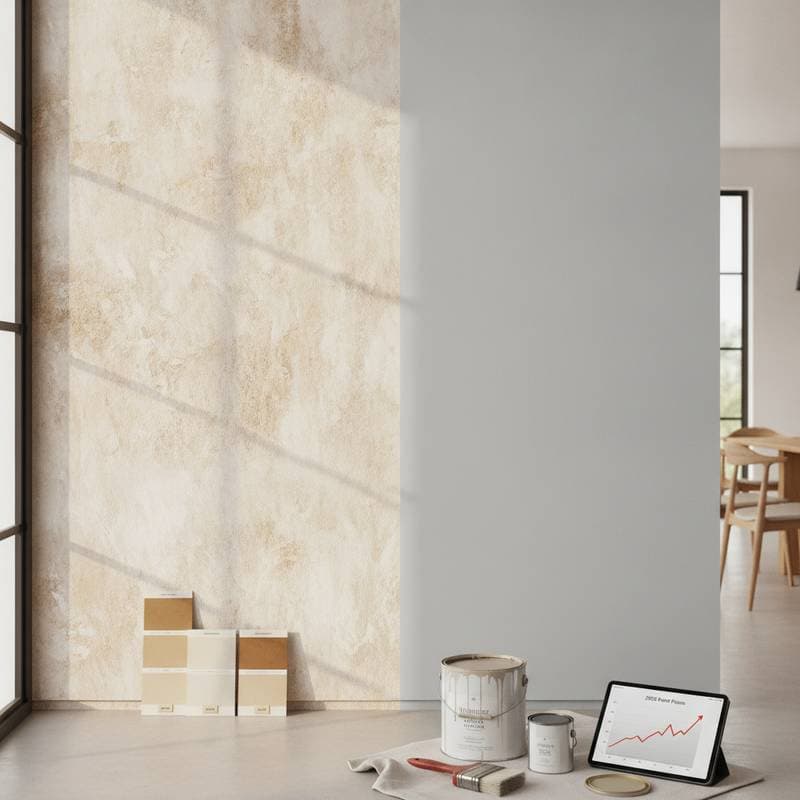
Select a charcoal shade with undertones that align with existing lighting. Cooler variants pair effectively with crisp whites and stainless steel elements. Warmer options complement tans, taupes, and gold details. Test samples directly on the wall surface. Observe the color during both daytime and evening illumination to ensure consistent harmony.
Plum as a Dynamic Partner
Plum introduces emotional depth to interiors. It conveys luxury, surprise, and adaptability. Depending on the finish and texture, it adapts to modern or traditional aesthetics. A matte application creates a serene ambiance under gentle lighting. A satin finish reflects light to produce a gem-like allure.
Designers have employed plum on feature walls, such as behind headboards, to achieve striking results. It enhances visual appeal in photographs and elevates overall polish. Plum accommodates different project scales. For economical updates, apply it to a single accent wall or a partial section behind shelving. In moderate investments, incorporate it via painted trim or dedicated panels. Luxurious setups combine plum paint with velvet fabrics or lacquered surfaces for intensified drama.
The Synergy of the Pairing
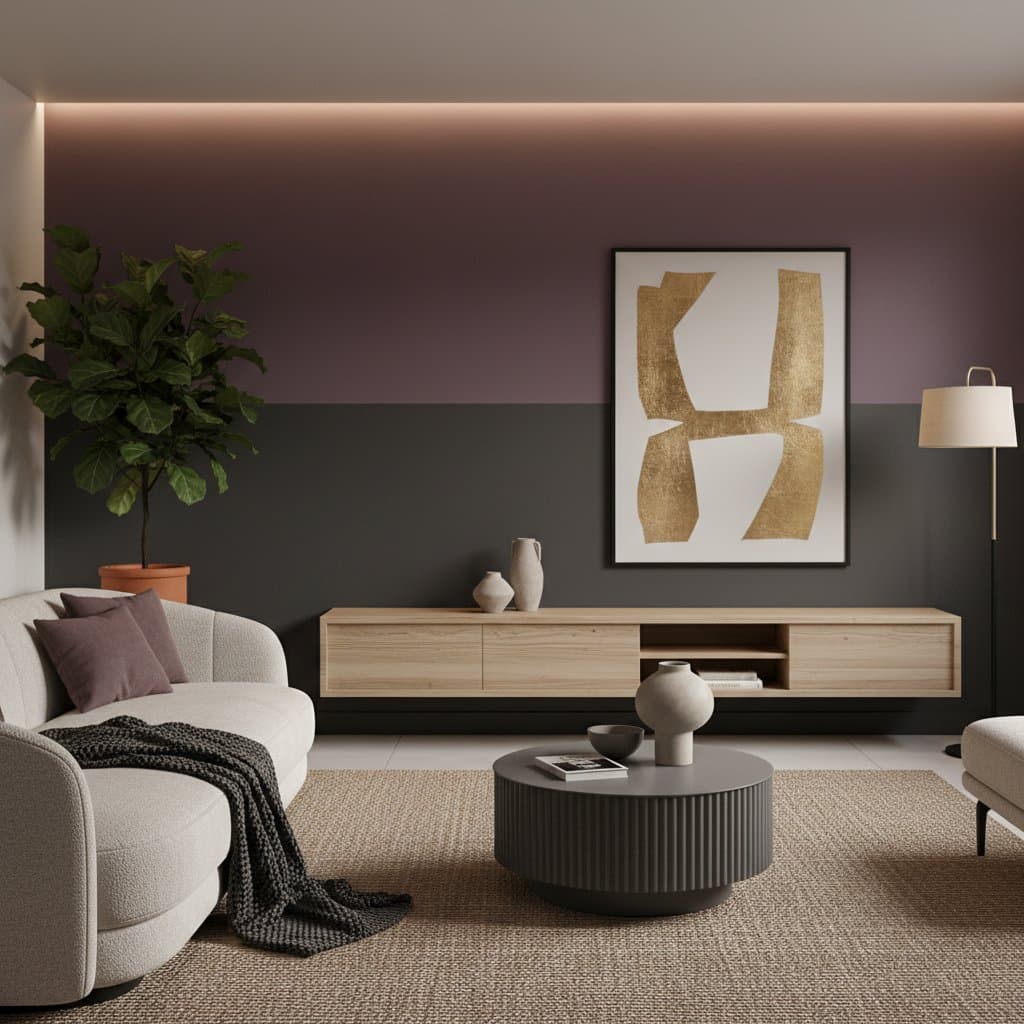
Charcoal and plum harmonize due to their comparable intensity levels. They support one another without rivalry. The gray tempers the purple's vibrancy, preventing an overly cool tone. The purple, in turn, infuses vitality into the gray. This interaction fosters a rich, comfortable, and assured ambiance.
The combination enhances natural materials such as oak, rattan, and wool, yielding a contemporary yet rooted aesthetic. Metallic elements integrate seamlessly. Consider brushed brass, bronze fixtures, or matte black hardware to maintain unity and maturity.
Practical Application Techniques
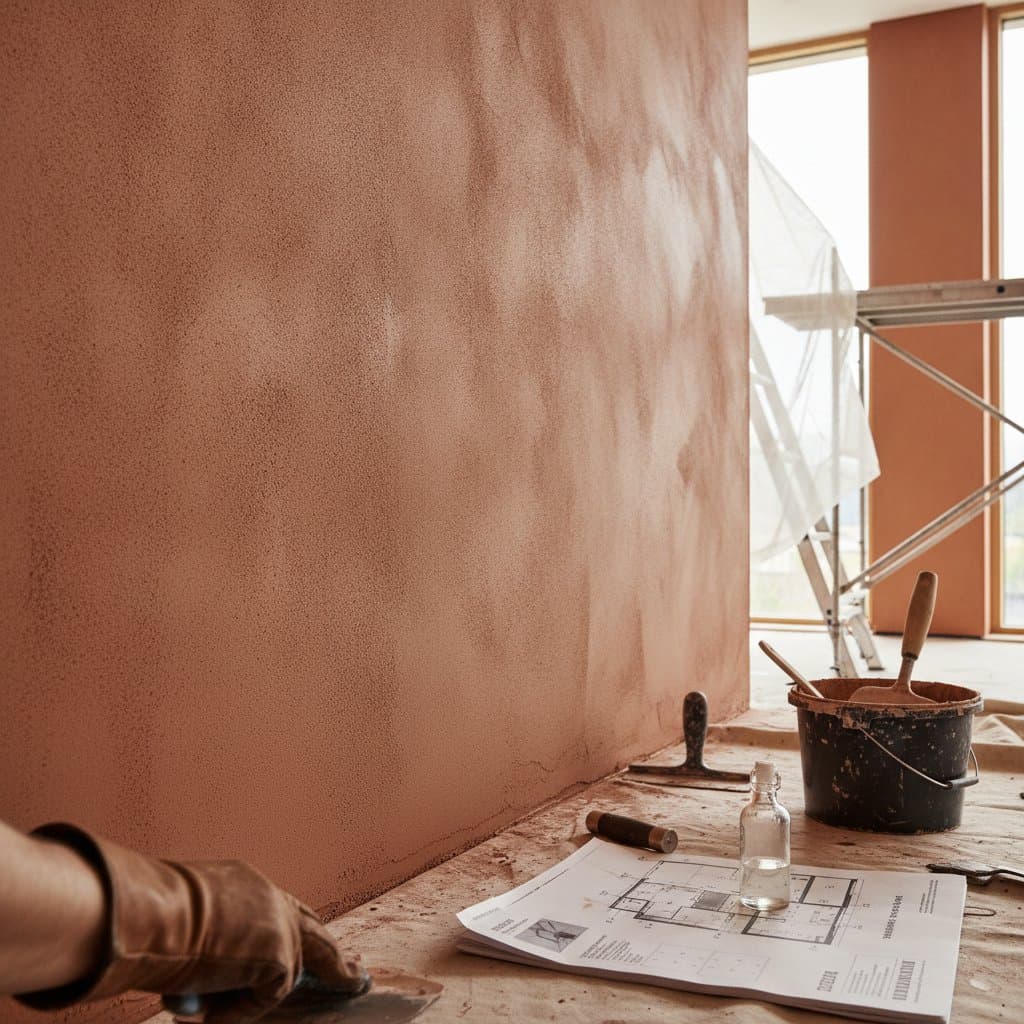
Applying dark hues demands thorough preparation. Begin with a premium primer to avoid inconsistencies or patchiness. Employ a roller featuring a short nap for sleek surfaces or a microfiber sleeve for gentle texture. Apply two coats minimum, then inspect under oblique lighting to verify uniform coverage.
For those hesitant about extensive dark areas, focus on the wall adjacent to a sofa or bed. This targeted approach alters the room's character significantly. Introduce white moldings or slim wooden ledges to segment the color and provide contrast.
Adapting Styles Across Budgets
- Economical Options: Paint one accent wall in matte charcoal or plum. Incorporate contrast through salvaged mirrors or custom-framed artwork.
- Moderate Investments: Apply both colors to opposing walls or integrated cabinetry. Update with contemporary hardware and fixtures.
- Premium Approaches: Pair matte charcoal walls with plum-finished cabinetry or upholstery. Incorporate metallic accents, distinctive furnishings, and bespoke artwork.
Each tier produces notable transformation. Effective design relies on purposeful decisions rather than substantial expenditure.
Embracing the Evolving Ambiance
As the paint cures, the colors reveal their versatility. Charcoal and plum shift subtly with daily light variations, adapting to morning glow or evening dimness. They integrate effortlessly with rotating seasonal accessories and diverse stylistic preferences, from streamlined minimalism to layered vintage collections.
Should the space appear overly intense, introduce foliage and pale fabrics to infuse brightness. These hues inspire innovative arrangements. They promote assured experimentation. Ultimately, such deliberate selections yield enduring satisfaction, transforming walls into sources of daily comfort and inspiration.