Why Charcoal and Terracotta Will Define 2026 Interior Design Trends
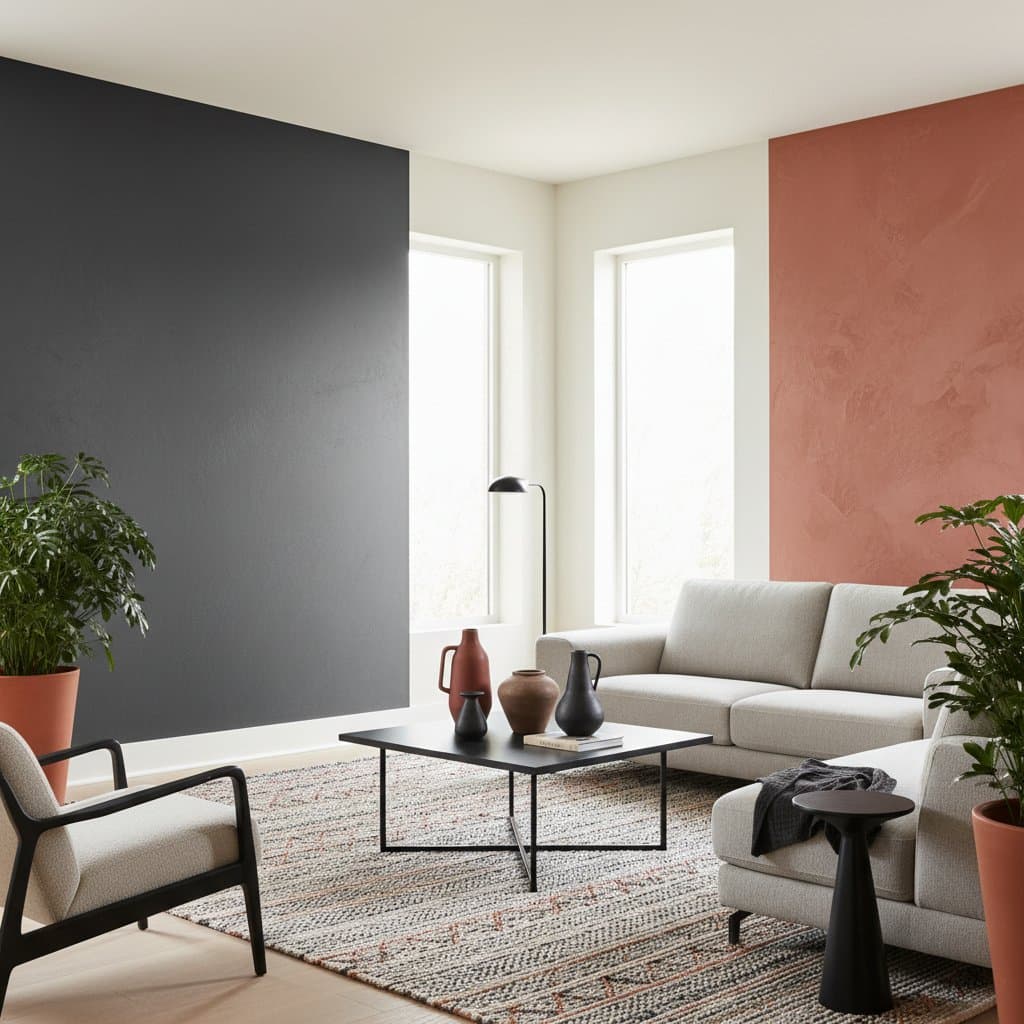
Interior design trends evolve to reflect cultural shifts, and the forthcoming emphasis centers on contrast, warmth, and emotional depth. Charcoal and terracotta position themselves as complementary forces poised to influence spaces worldwide. Charcoal conveys stability, assurance, and longevity. Terracotta evokes familiarity, intimacy, and artisanal quality. Their combination yields compelling results.
Professionals observe this palette enhancing film sets, editorial layouts, and residential environments. It performs effectively in visual media, provides tactile comfort in daily use, and accommodates diverse financial constraints. Applications range from accent walls and cabinet updates to rental renovations. These shades deliver refinement alongside authenticity. The following sections examine their attributes and implementation strategies.
Charcoal: The Foundation of Sophisticated Depth
Charcoal establishes a sense of grounding. This deep neutral draws from slate and smoke, offering versatility without overwhelming. In an era transitioning from minimalist cool tones, charcoal introduces subtle drama that enhances rather than dominates.
Key Advantages
Charcoal absorbs light to create intimate atmospheres, yet it reflects enough to maintain openness in larger rooms. It complements a wide array of materials, including wood, leather, and metallics, while masking minor imperfections on walls or upholstery. Optimal selections feature subtle blue or green undertones for added nuance, ensuring harmony with both warm and cool elements.
Implementation by Budget
- Affordable entry: Incorporate charcoal through textiles such as rugs, curtains, or upholstery on secondary furniture pieces. These elements introduce depth without permanent commitment.
- Moderate investment: Apply charcoal paint to trim, doors, or built-in cabinetry. This approach frames lighter areas and elevates overall cohesion.
- Premium choice: Install charcoal-toned millwork or wall paneling. Such features provide durability and a bespoke feel that appreciates over time.
Terracotta: Infusing Spaces with Earthy Vitality
Terracotta imparts vitality. Derived from baked clay, it carries associations of heritage, texture, and natural resilience. As preferences shift toward organic palettes, terracotta satisfies the desire for inviting, lived-in elegance.
Core Strengths
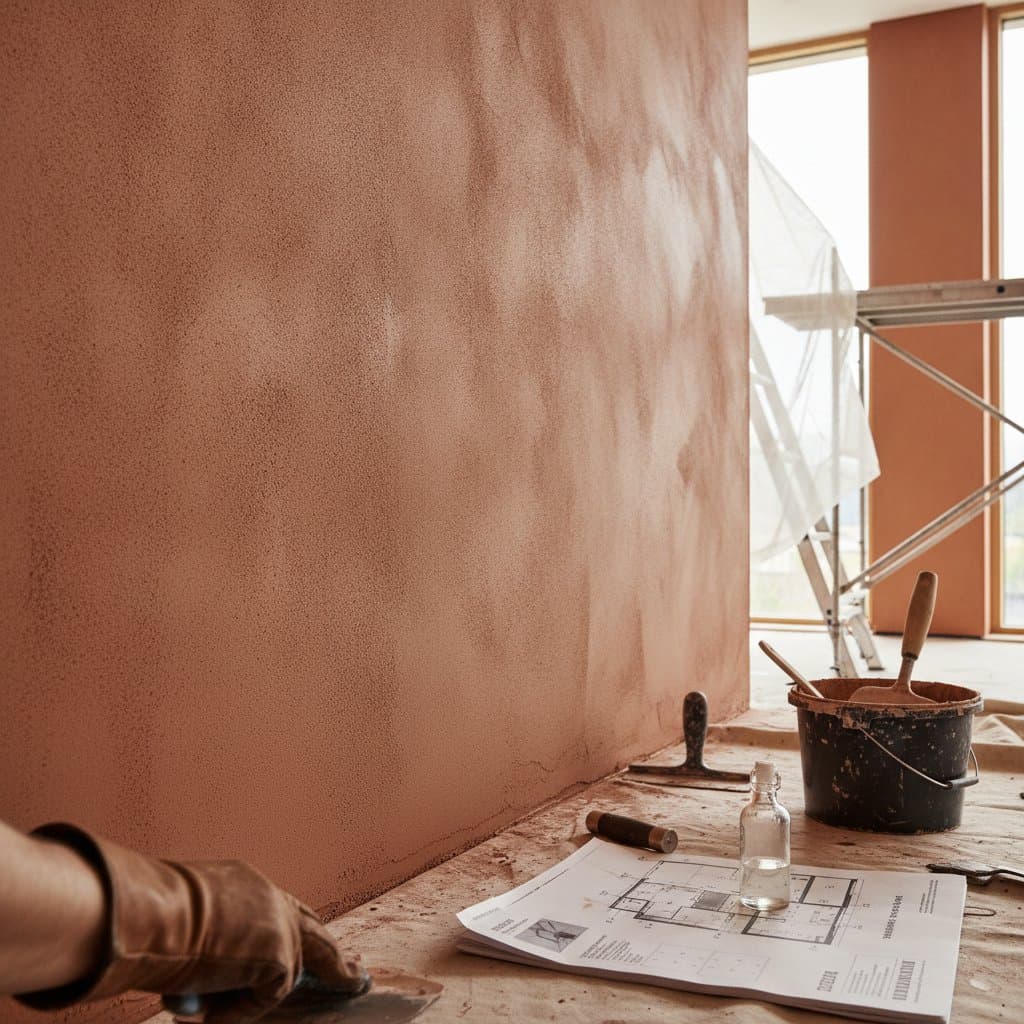
This hue adapts seamlessly to illumination variations, appearing vibrant in natural light and soothing in artificial settings. It enhances human complexions, making it a favorite in visual storytelling mediums. Terracotta integrates effortlessly with fibers like wool, cotton, and bamboo, as well as stone and wood. Select variants with equilibrated orange and sienna notes to achieve both vibrancy and serenity.
Practical Applications by Expenditure Level
- Entry-level: Introduce terracotta via decorative items, including vases, artwork frames, or bedding linens. These accents deliver immediate impact.
- Intermediate: Employ terracotta for focal points such as entryway walls or island counters. The transformation proves cost-effective and striking.
- Advanced: Opt for terracotta-inspired surfaces like encaustic tiles or polished plaster. These options ensure longevity and sensory appeal.
Professional Techniques for Optimal Visual Impact
Experience in production environments reveals that certain applications maximize aesthetic outcomes. Charcoal and terracotta excel across lighting scenarios, yet targeted methods amplify their potential.
Lighting Strategies
- Warm illumination: Pair with terracotta to emphasize its golden undertones, fostering a welcoming ambiance.
- Neutral or cool sources: Align with charcoal to preserve its intensity and contemporary edge.
- Layered approach: Combine fixtures, such as ambient overheads with task lighting, to highlight tonal shifts and add spatial intrigue.
Compositional Guidance
Position darker shades against lighter backdrops to prevent visual heaviness. Incorporate pale linens or wood elements for balance. In documentation, direct light at angles that accentuate surface textures, rendering matte applications as premium.
Efficient Update Methods
- Coat interior door panels in charcoal to modernize passageways subtly.
- Line open shelving interiors with terracotta for enhanced display contrast.
- Design a custom wall treatment using terracotta base coats edged in charcoal lines for architectural interest.
Business Perspective: Leveraging Colors for Market Advantage
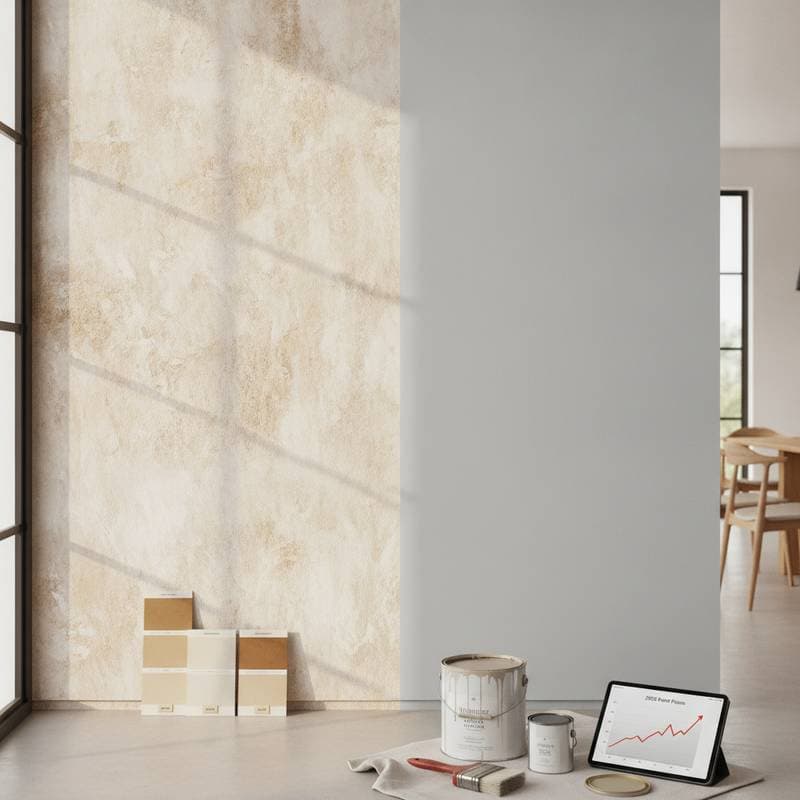
From a commercial standpoint, charcoal and terracotta extend beyond aesthetics to strategic value. Their photogenic qualities support compelling property presentations, broadening appeal to diverse audiences while signaling intentional curation.
For real estate professionals, this palette elevates listings without bold risks, evoking reliability and trend awareness. In product development, translate these tones to durable finishes, such as matte varnishes on furniture or glazes on pottery. Align with eco-friendly substrates to resonate with conscious consumers. A unified color narrative strengthens brand identity and fosters loyalty.
Sustaining and Evolving Your Palette
As designs settle into daily life, charcoal and terracotta reveal their enduring qualities. They impart purpose and individuality to environments. Their flexibility allows integration of plants, hardware accents, or fabric updates to refresh without overhaul.
For dynamic spaces, maintain core surfaces in these tones and rotate accessories quarterly. Those seeking permanence benefit from emphasizing patterns and illumination variations over frequent repaints. Regardless of approach, this foundation supports lasting satisfaction.
Effective design prioritizes thoughtful selection over expenditure. Experiment with samples in your lighting, assess pairings, and proceed confidently. Charcoal and terracotta enable environments that blend substance with serenity.